Battling the Heat
Day 2
I woke up in Tan Uyen and the town was enveloped in clouds. The thick fog concealed the view of the mountains, but I felt confident it would burn off with the rising sun. I had made breakfast plans with one of my new soccer friends, but he had to cancel due to work. Instead, I wandered down the road until I found a pho joint—my first of many breakfast soups.

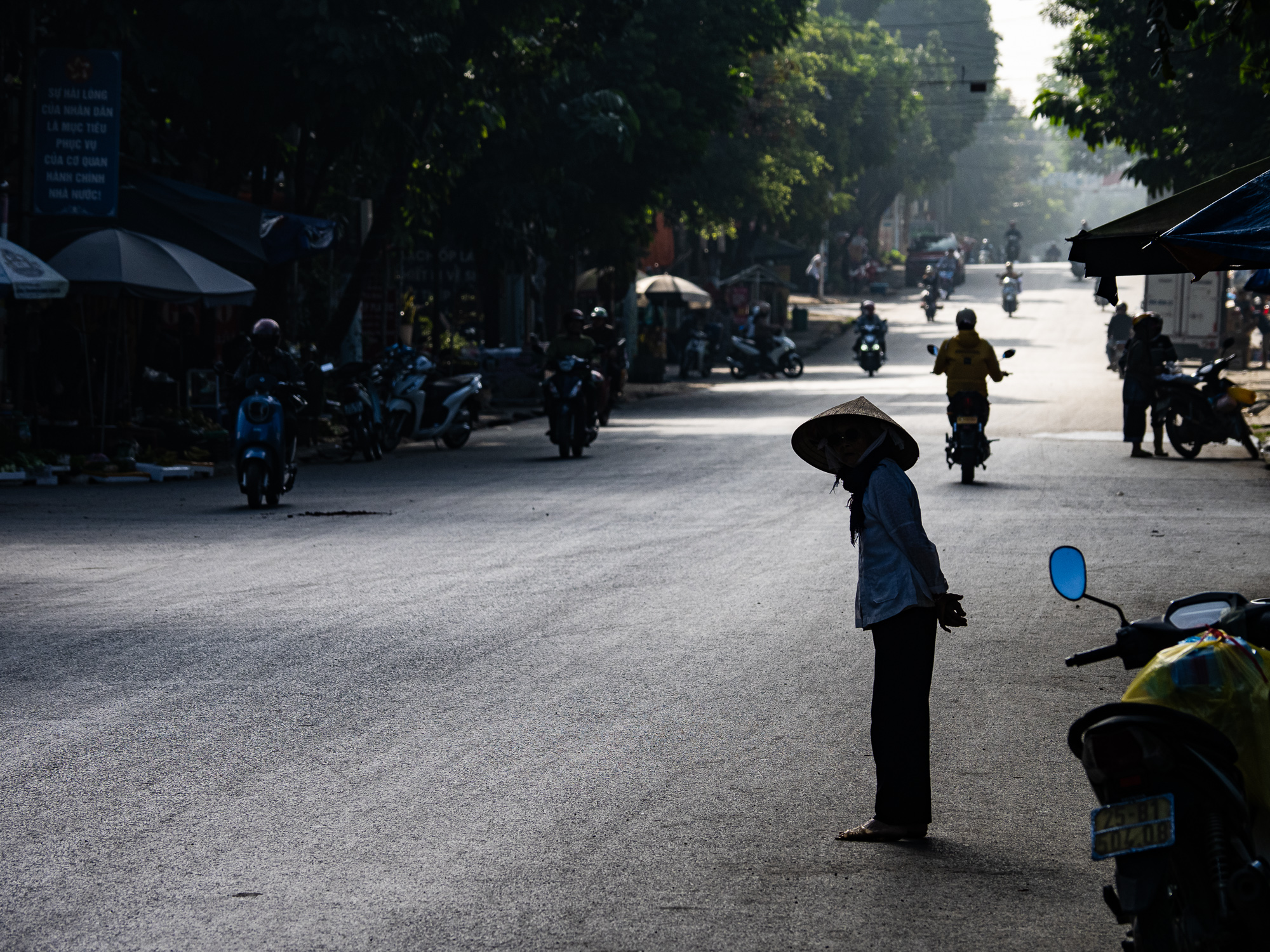
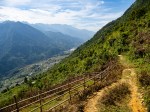
As I hit the road, the sky brightened as the fog faded. By the time I turned off the main highway, the mountains were back in view. It was a gorgeous morning as I pedaled along quiet backroads through endless tea fields. While the rice harvest was over, the tea plantations were in full bloom and I enjoyed cycling through rounded hills with row upon row of tea bushes. As I climbed slowly out of the valley and into the mountains, the views became more expansive and dramatic, the tea plantations backdropped by the towering Hoang Lien Mountains. I founded a shaded wooden platform to have a snack and enjoy the view.
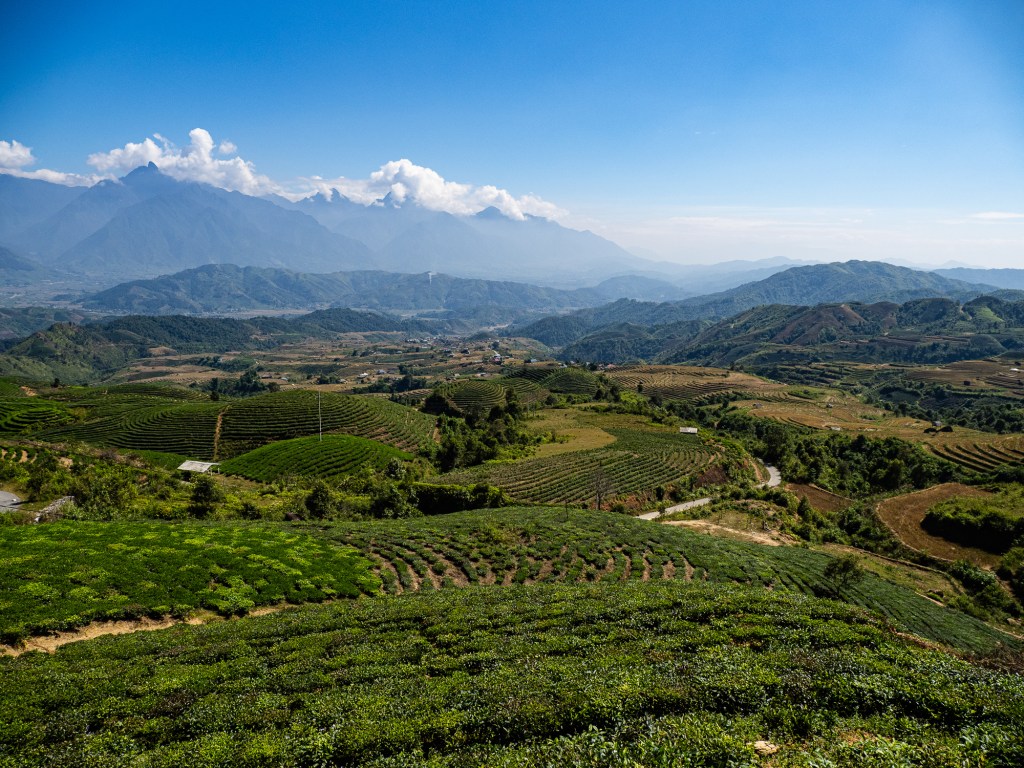


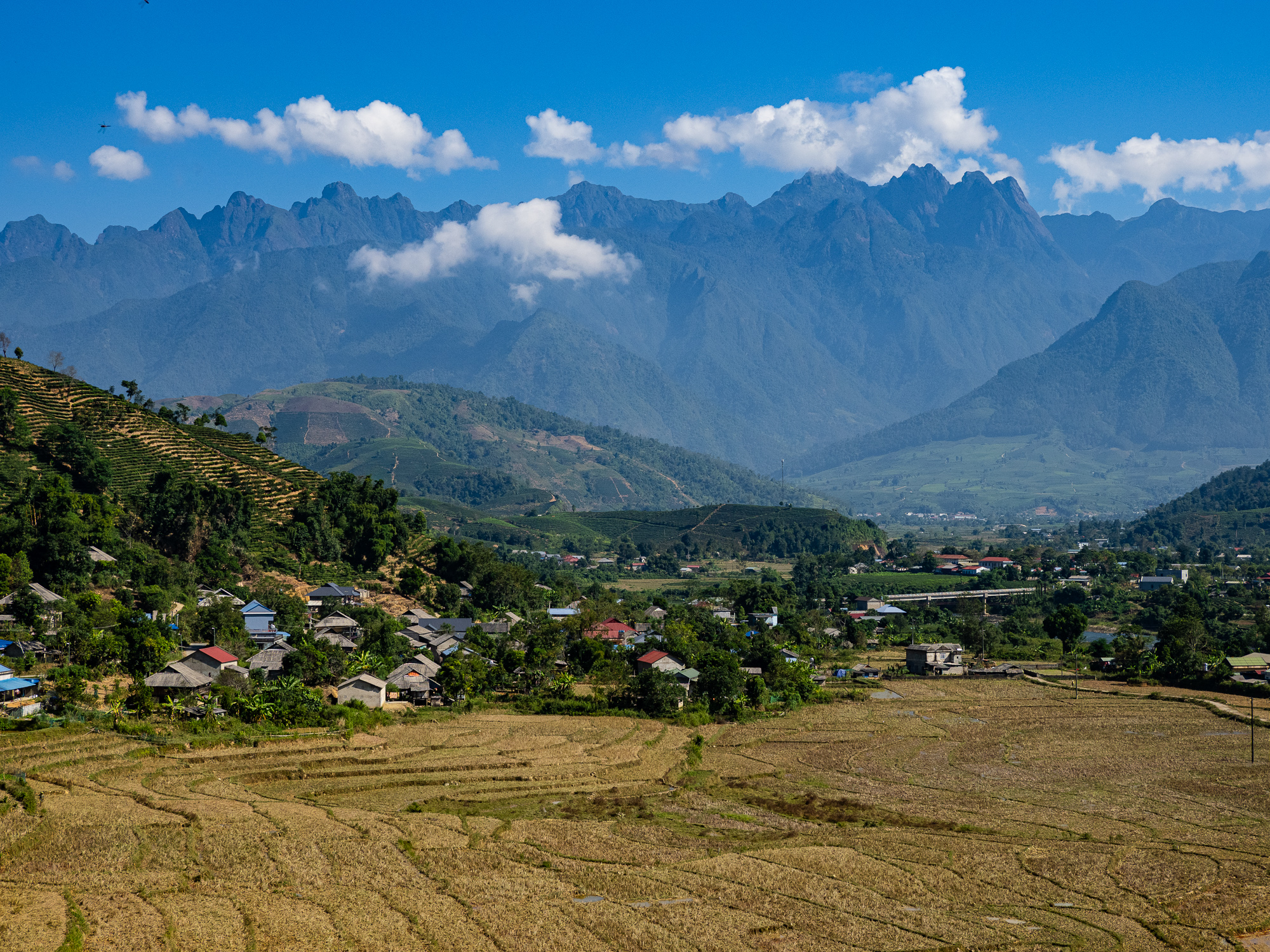
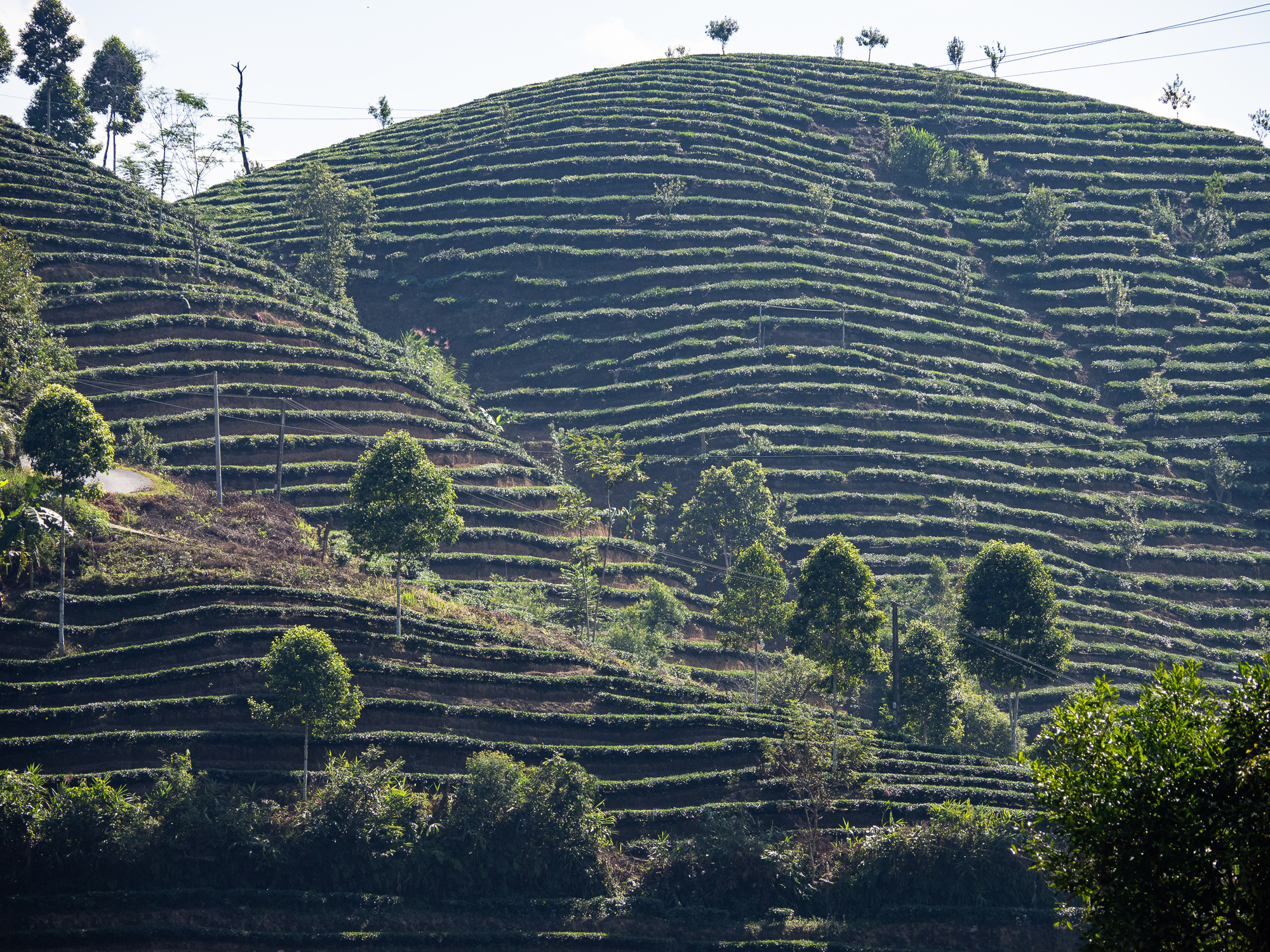

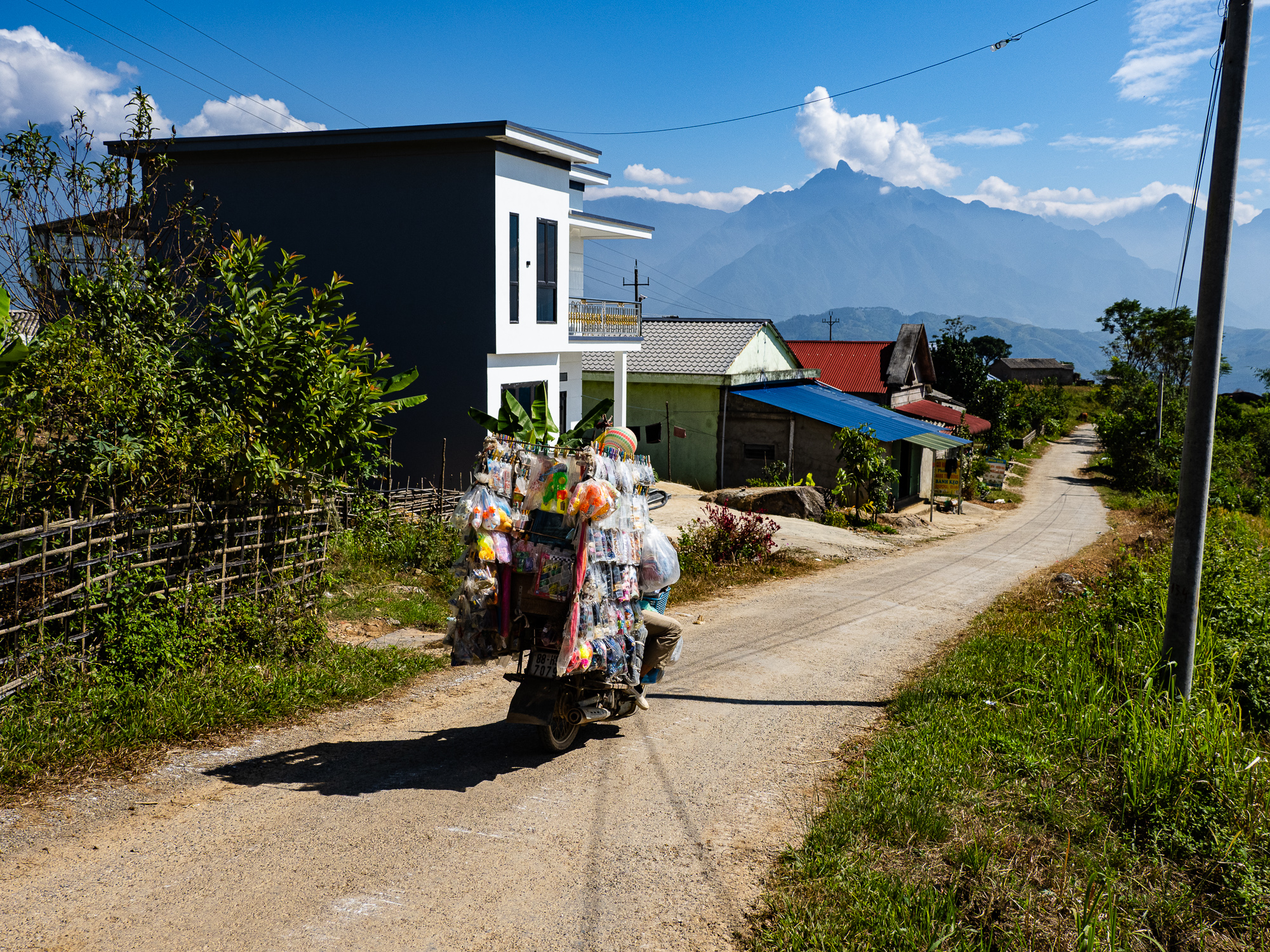


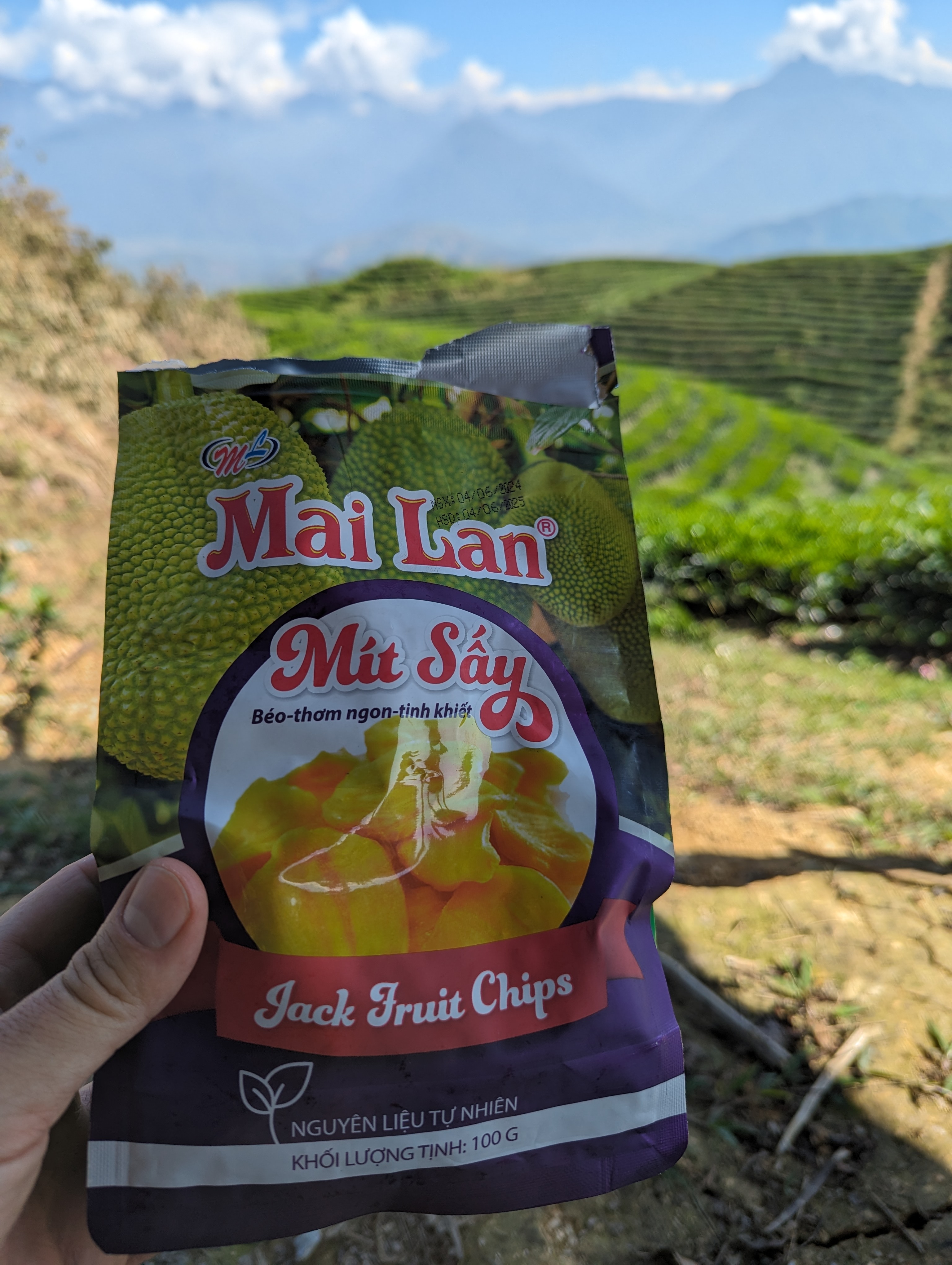

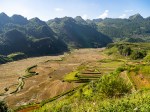
I crested the first pass and descended into a remote valley, this one sculpted by rice terraces. Even though the harvest was over, this valley was incredibly photogenic. This Is what I envisioned when I imagined rural Vietnam. I passed through several small villages and was chased by kids, though they kept their distance when I stopped to buy some beverages and a snack at a local store; I arrived too late to get a proper lunch. I would discover that lunch in these remote villages was served at a certain time and if you missed it, you were out of luck.


The quiet backroad eventually ended and I got back on a regional highway for the climb to Lai Chau. My goal for the day was a rural village called Sin Suoi Ho that had been recommended by the owner of the La Beaute Homestay. Alas, as I arrived in Lai Chau, I was struggling in the heat and humidity. The sun was beating down, the air was saturate with moisture, and the temperature was north of 30 C. Sin Suoi Ho was another 1,000 m above me and I was already struggling in the heat. The thought of tackling that climb in the heat of the afternoon was not appealing. Instead, I rode into Lai Chau and got an air-conditioned hotel.
Lai Chau is the provincial capital and the government obviously expects big things of it because it’s filled with grandiose buildings and crossed by a 10-lane main road that are all excessive for a city of only 45,000 people. I wandered down to the local market where I picked up some fruit and baked goods and had my first encounter with someone selling dog meat. There were ducks in cage and another person was selling live crabs. That night I tried to go to a Korean restaurant for dinner, but they wouldn’t serve me as a single. Once again, I ended up eating pho for dinner.


Day 3
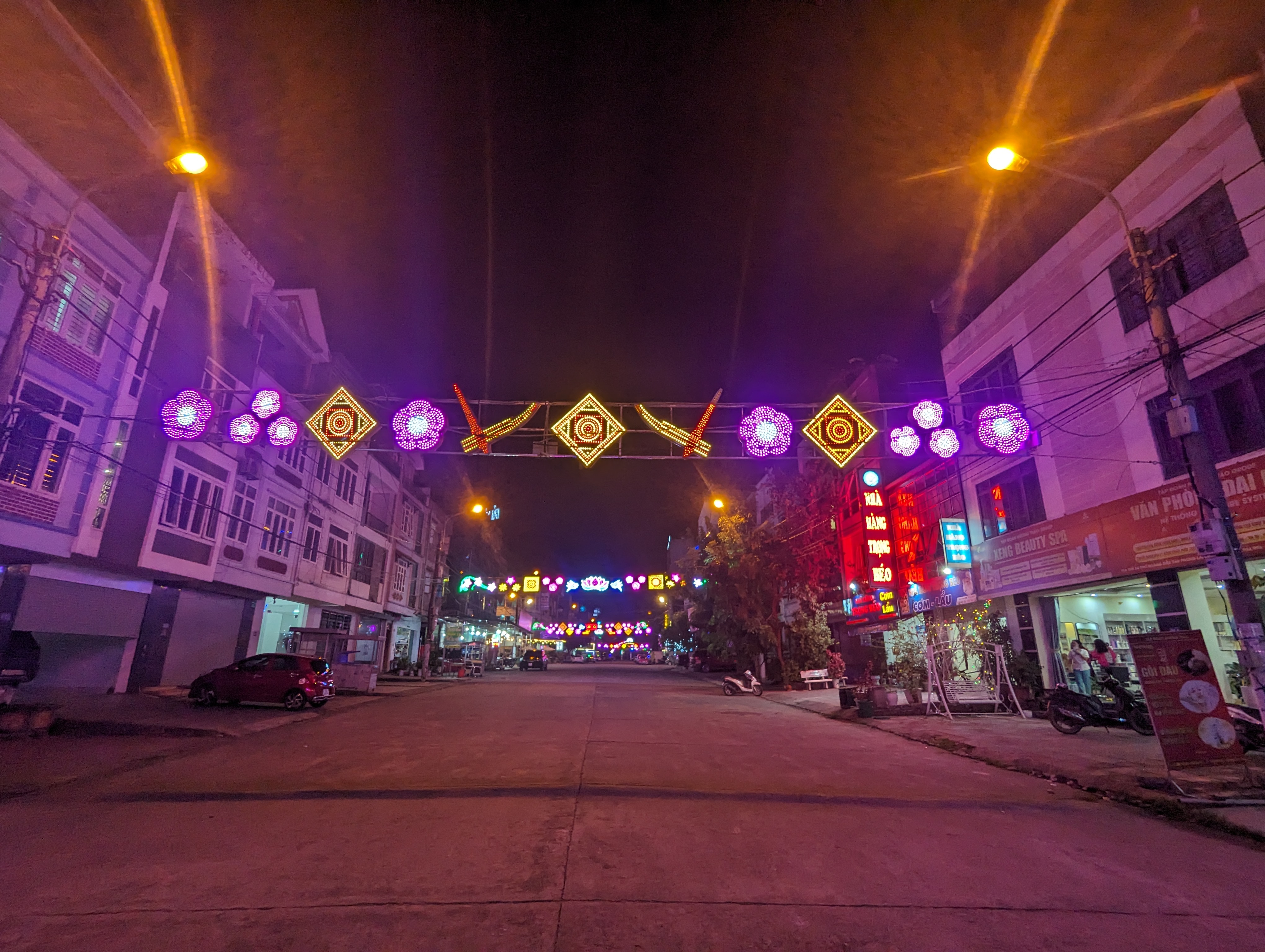
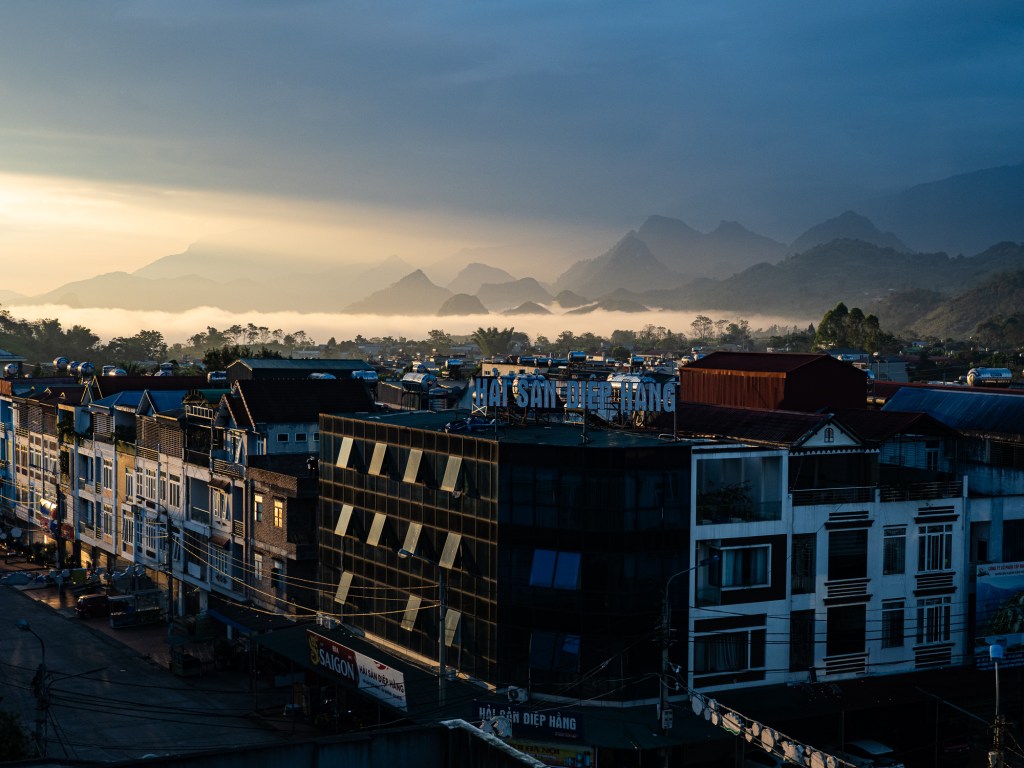
I woke up to another foggy morning, only this time, I was above the clouds. From the top floor of my hotel, I could gaze out over the incredible sunrise above the misty streets and mountains. I enjoyed a banh mi sandwich along one of the lakes in the centre of Lai Chau and headed out of town on DT128. My goal was Sin Ho, a village that sits at a lofty 1,600 m elevation. In my way was two big climbs and one long downhill.


First, I stopped to check out a local cave. Vietnam’s limestone mountains have been eroded for millennia and caves abound. This one, Pu Sam Cap, was supposed to be one of the better ones. I was greeted at the entrance by a man who didn’t speak English. Using a mix of gestures and photos, he explained how to turn on the lights to the far cave, handed me a map, and sent me on my way. I grabbed my headlamp just in case. The first cave was right off the highway and I impressed by how vast it was. This wasn’t anything like the cramped caverns I had experienced elsewhere. Massive stalagmites and stalactites grew from the floor and ceiling. The pathway made it out the other side and took me uphill to the second cave, where I found the light switch and went in. I descended some steep metal stairs into the heart of the main hall. From here, I was able to explore semi-freely, careful not to get hurt as I navigated the slick, rocky ground.

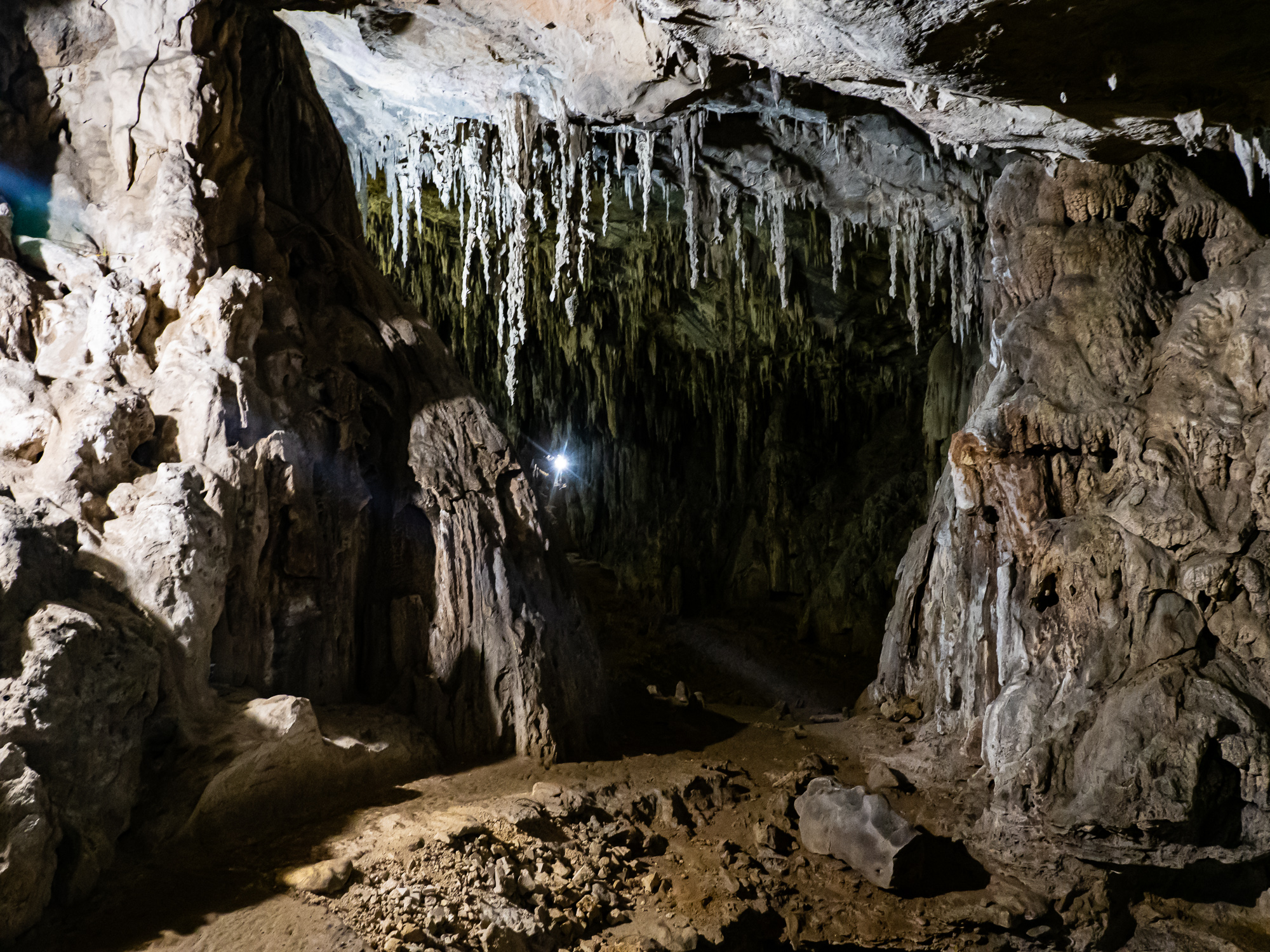

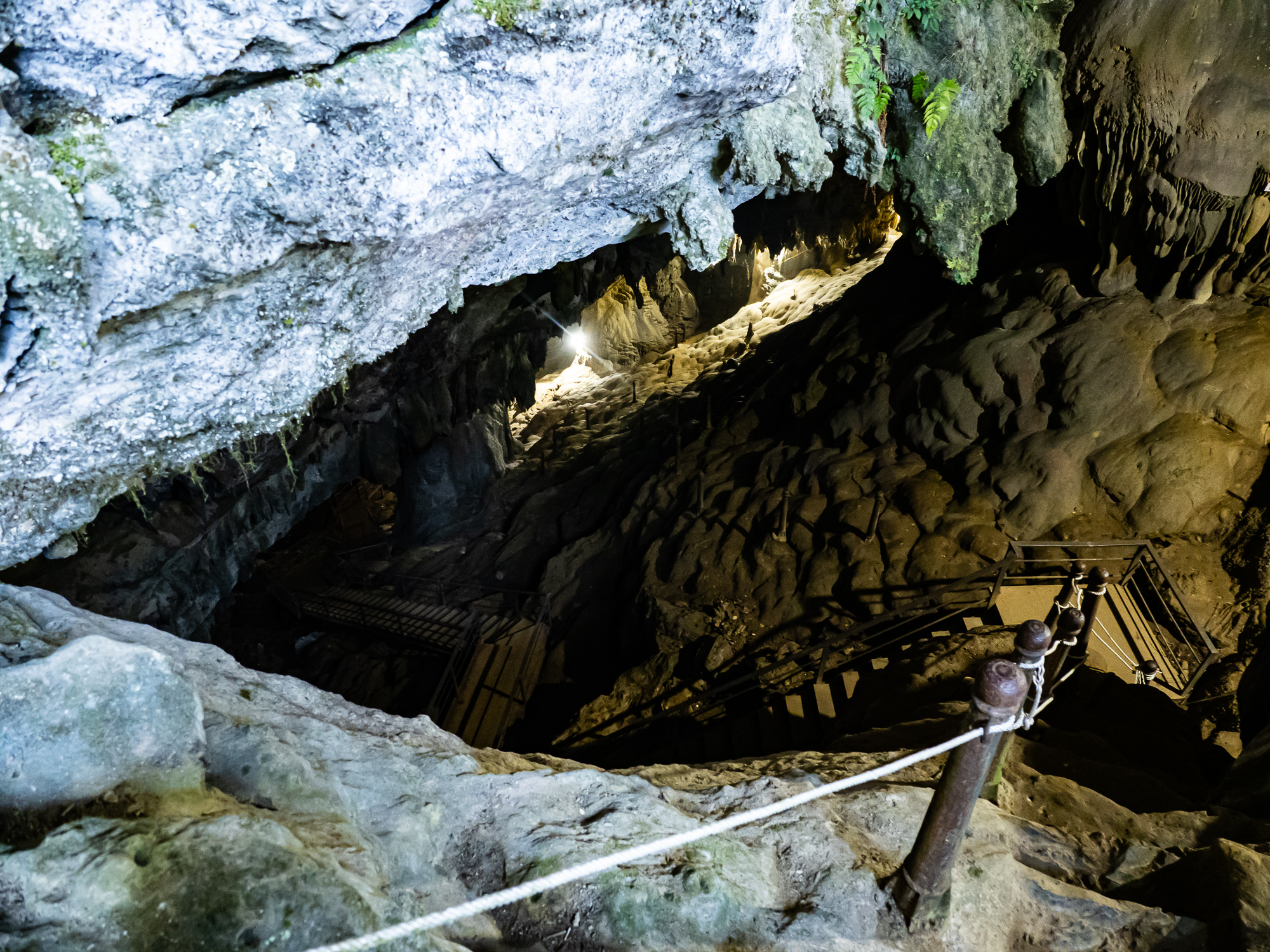


Leaving the cave, the path navigated through a lush jungle back to the entrance. I bought a drink and watched as the ticket taker chucked a bucked of garbage onto the hillside below the road. That wasn’t surprising—I’d seen plenty of trash along the road—but disappointing to see someone do that so openly.
The first climb of the two was mostly forested, but occasionally I could look back and enjoy views back towards Lai Chau. Limestone karst formations surrounded the city, all backed by 3,000 m peaks. A pass at 1,375 m brought me to the west side of the mountains I’d been climbing, far above the Nam Ma River. I descended to a junction where a group of women were set up on the roadside selling various produce. I got a ball of sticky rice wrapped in a palm leaf for lunch, then started on the second climb of the day—a 900 m grunt up to Sin Ho. It was never too hard and I slowly ticked away the kilometres, the cool temps in the mountains a welcome reprieve compared to the previous day. At one point I attempted what I thought would be a scenic detour, only to turn back when the track turned into a steep dirt trail. Back to the highway it was.


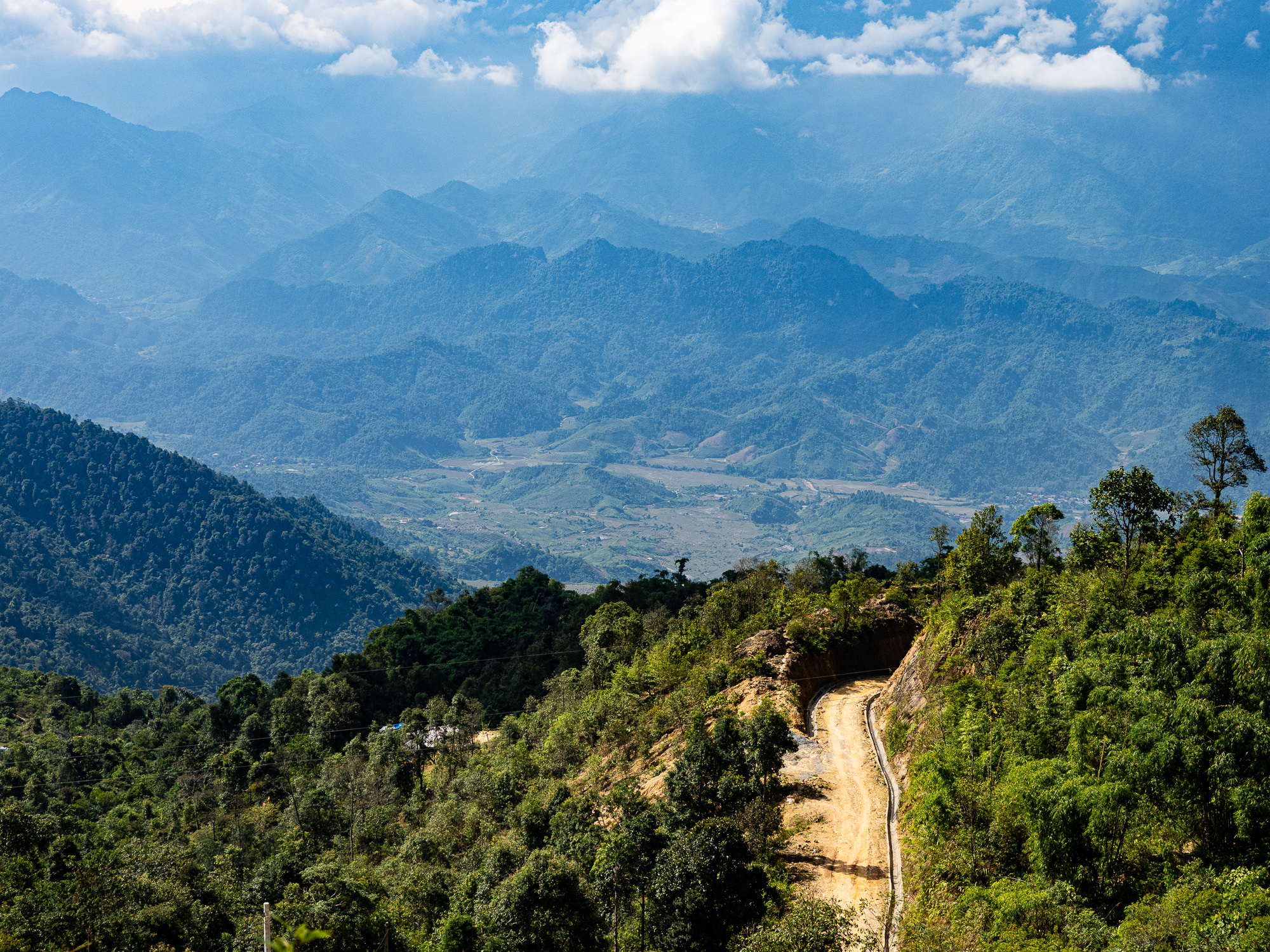

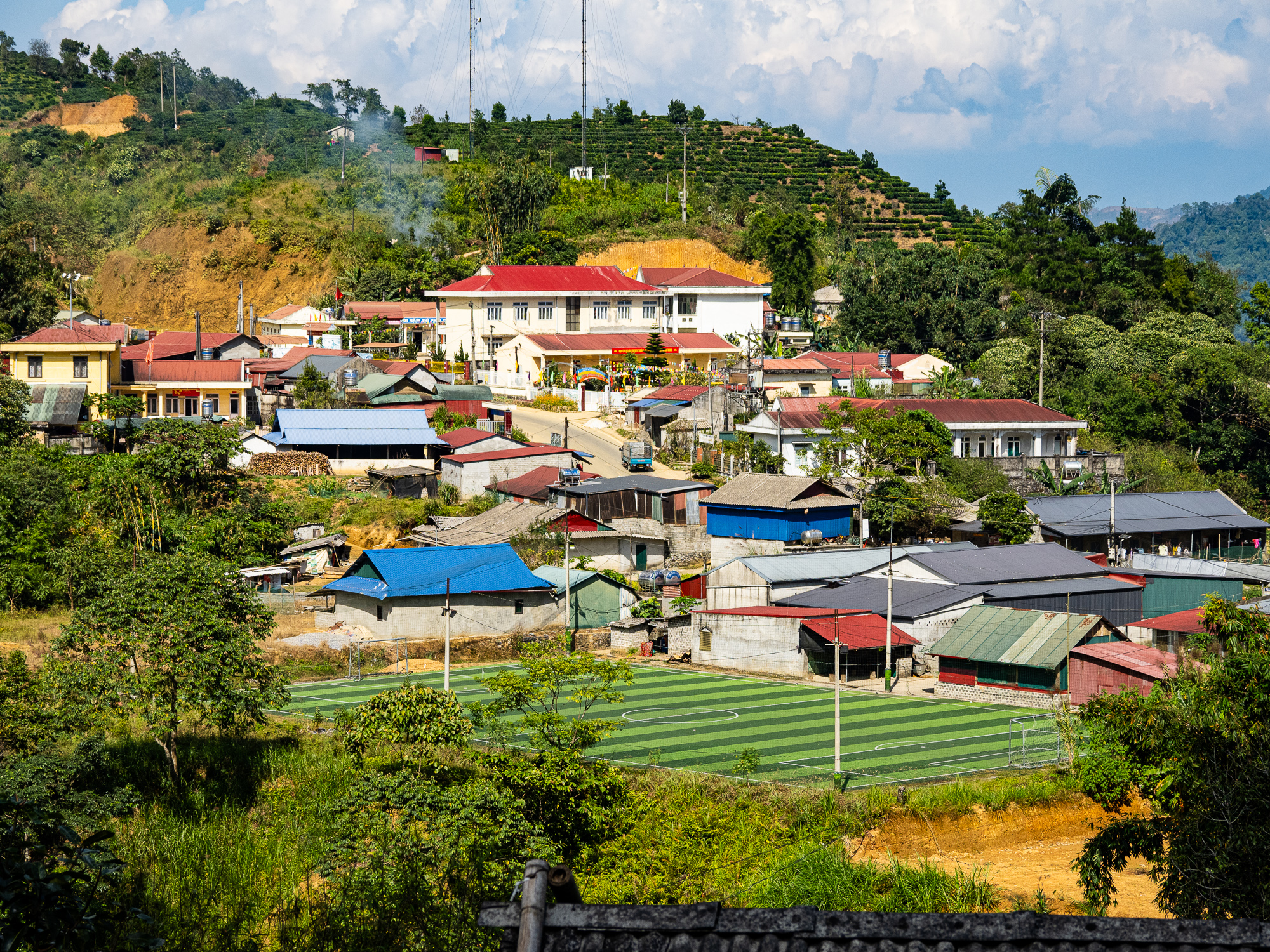
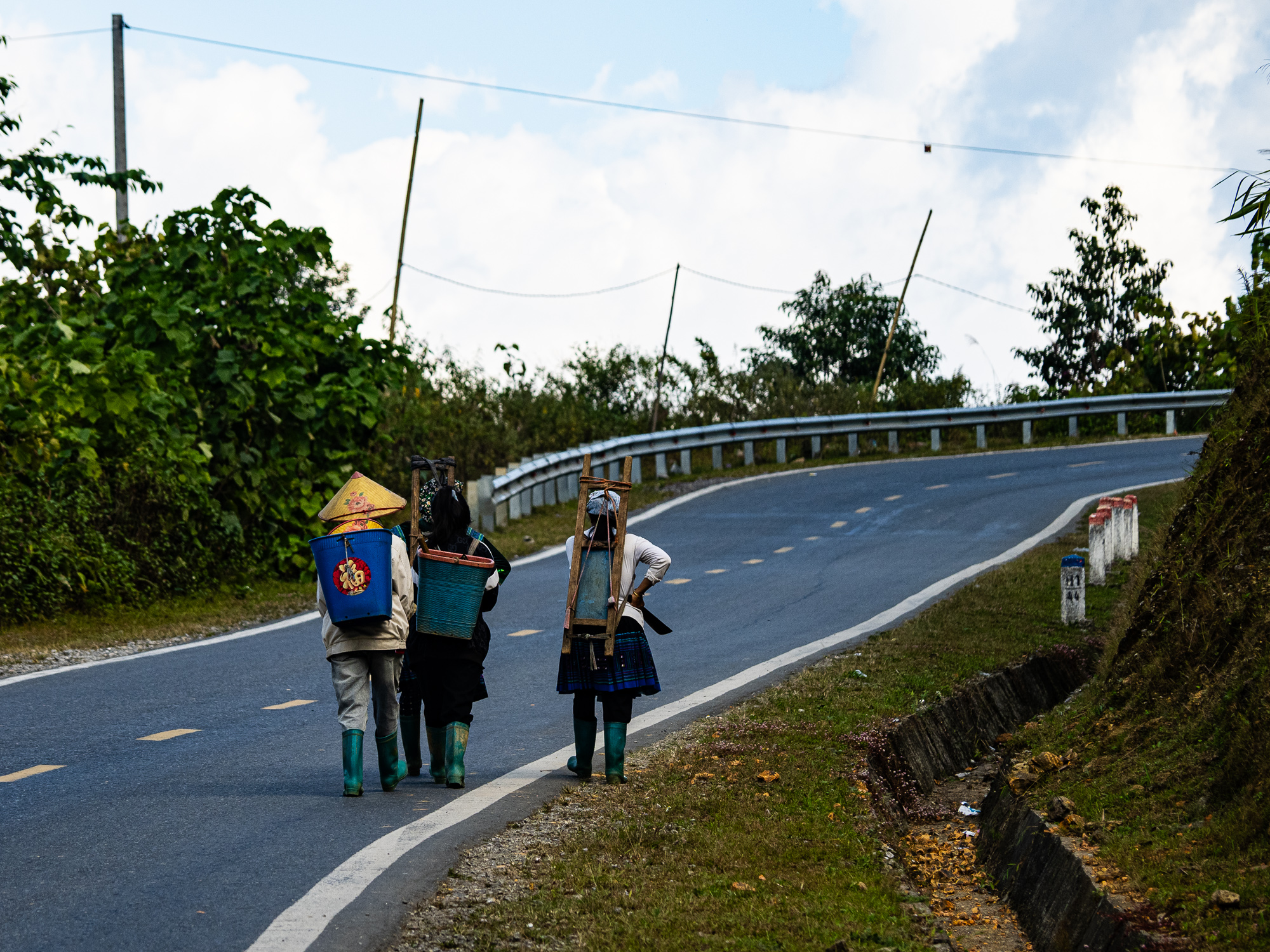
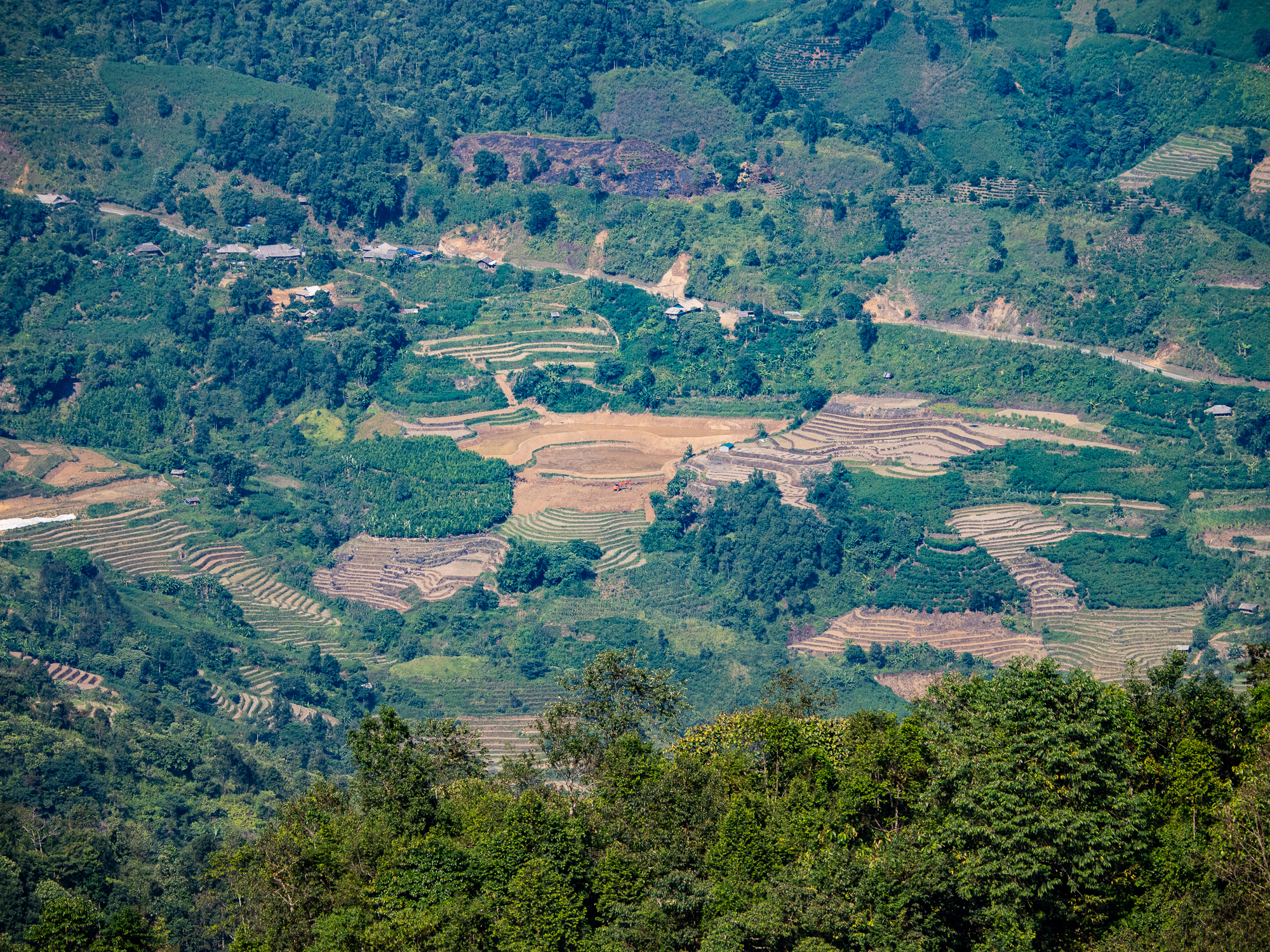

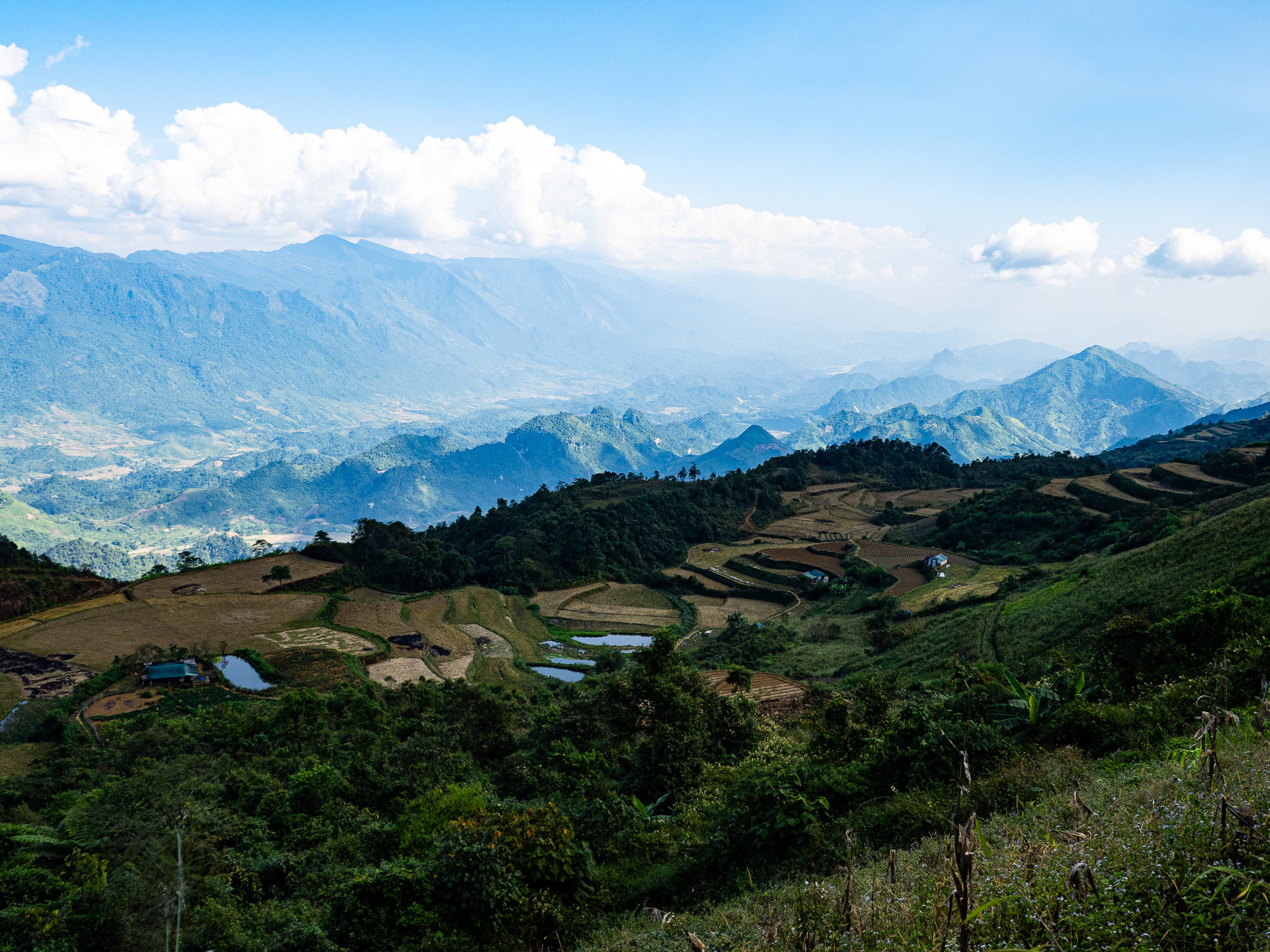
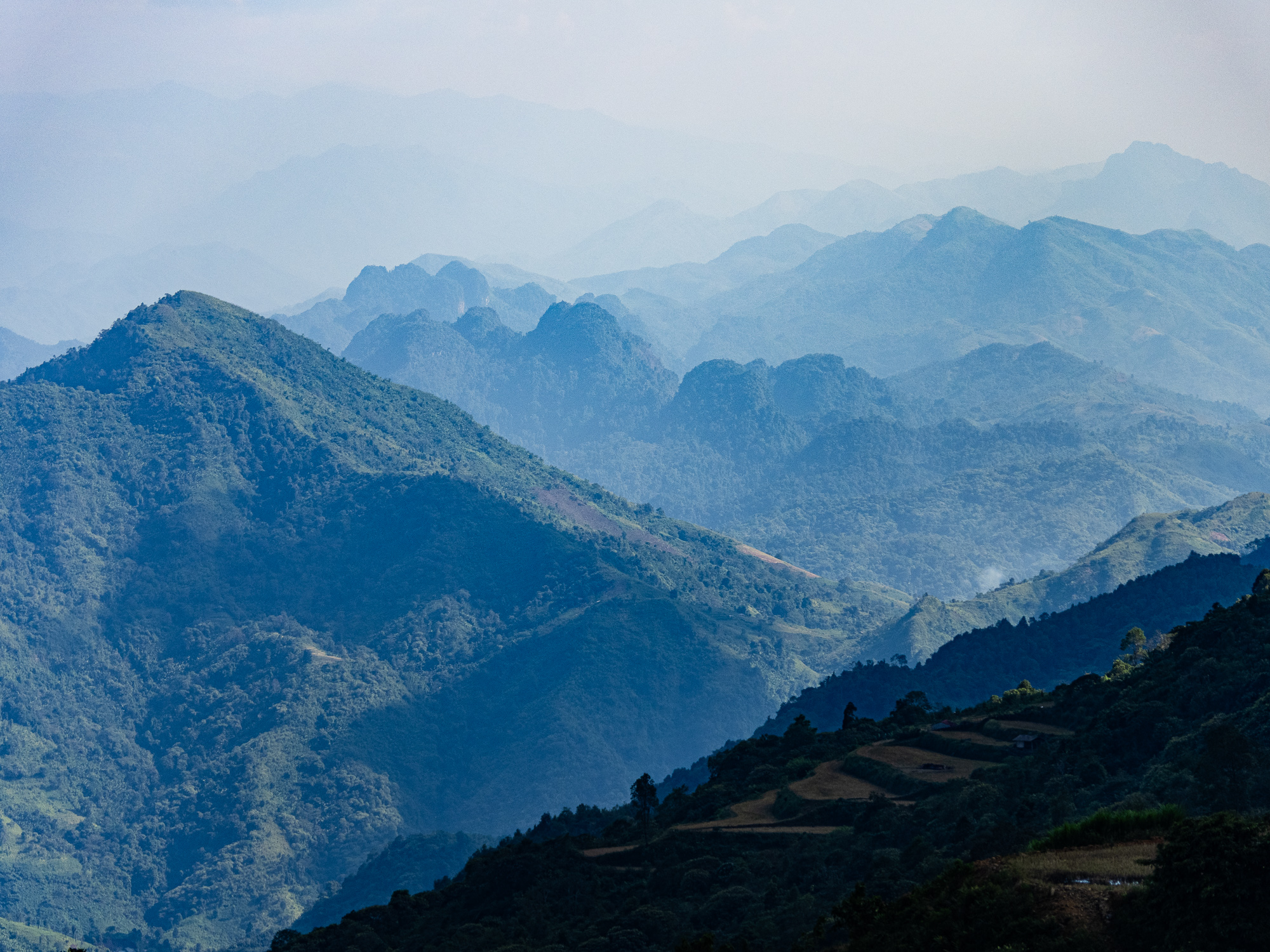
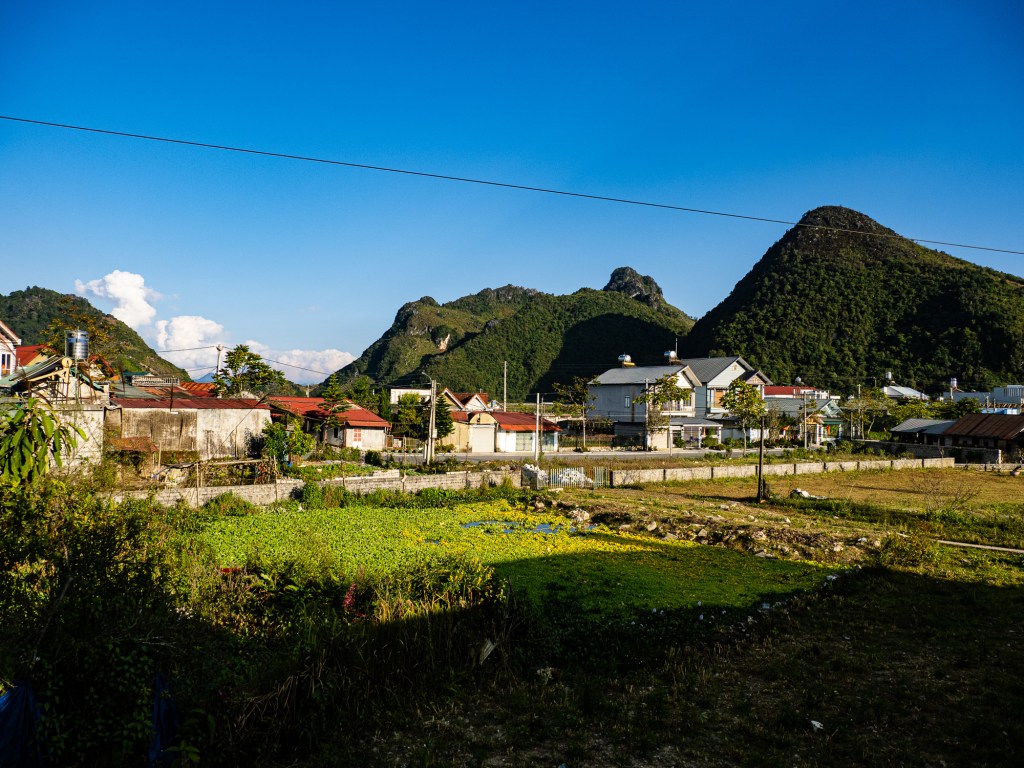
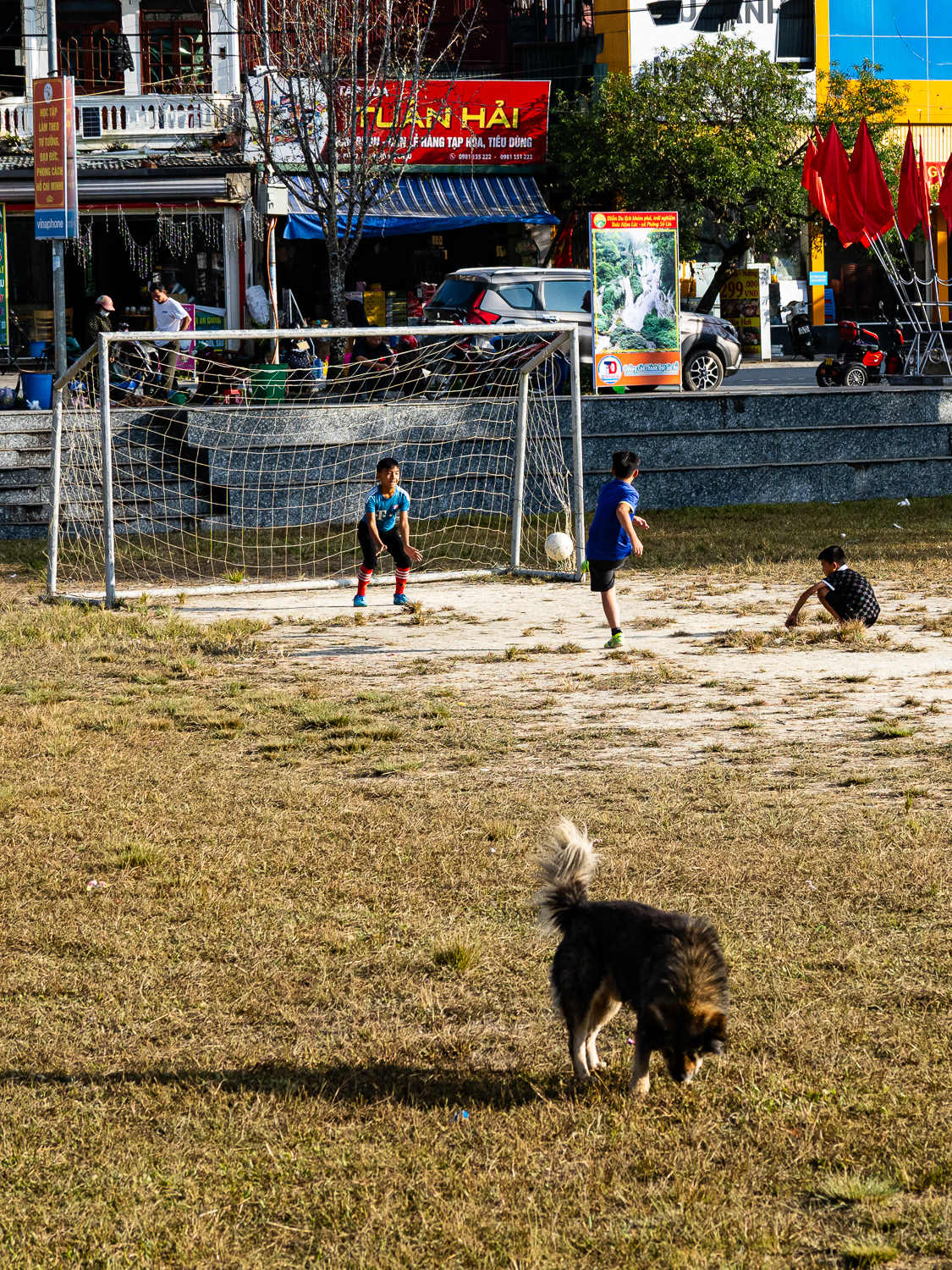
Sin Ho was quite enjoyable. I got a nice room at the Khach San Hong Ho and proceeded to explore the town. I wandered down to the small lake, getting teased by school kids along the way. One kid kept repeating “what the fuck?” and another girl signed “I heart U.” I returned to the hotel as school was getting out and enjoyed countless “Hellos.” The enthusiasm of the children everywhere in Vietnam would be one of the highlights of my trip. At dinner, I actually ran into some other white people and it was nice to speak English for a bit. Some locals tried to get us to join them in drinking, but we turned them down.



Day 4
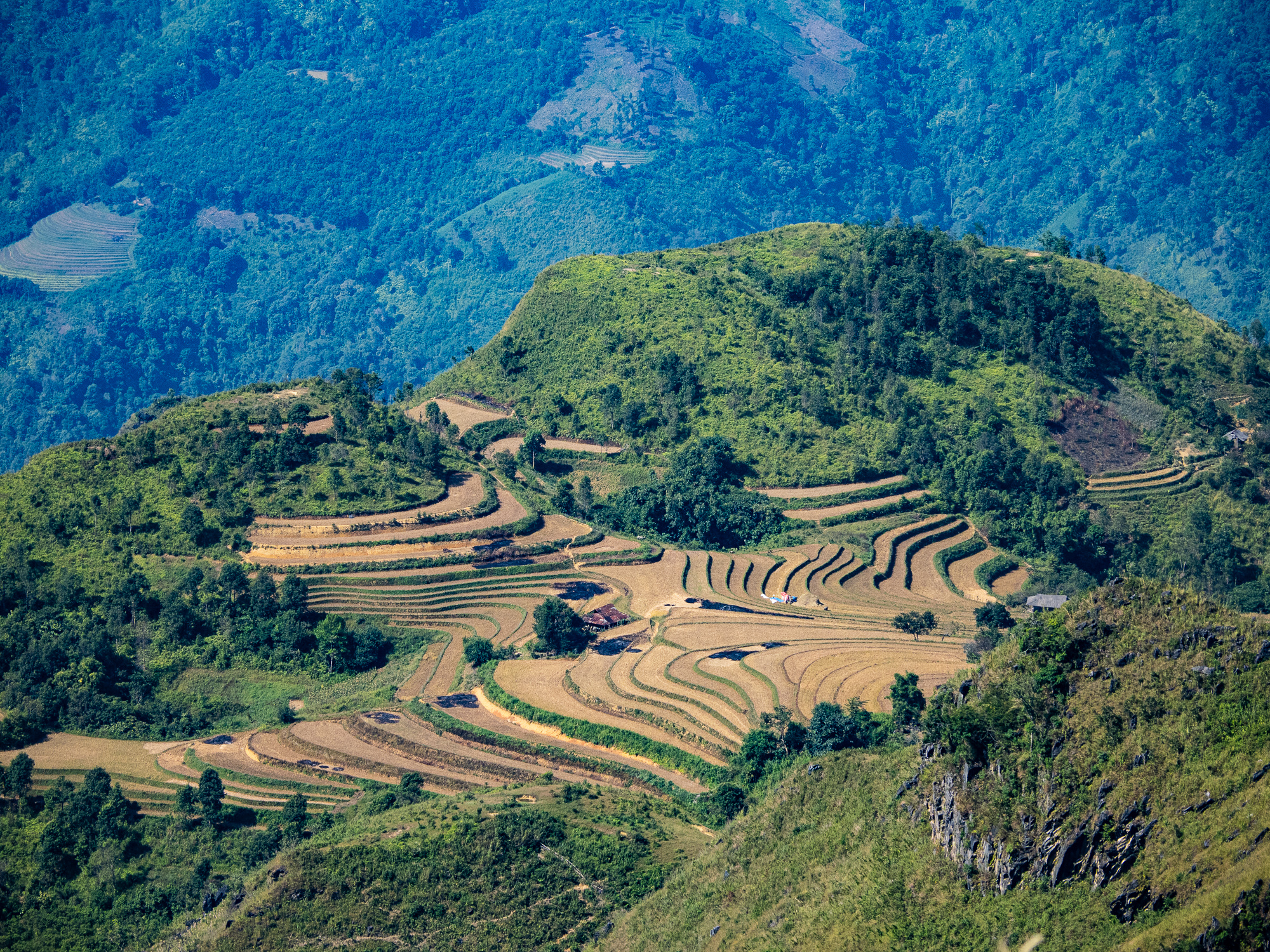
I got a late start due to a work meeting and didn’t leave town until 10 a.m. The road out of Sin Ho was under construction and made for an unpleasant start to the day. I love dirt road touring, but navigating dusty construction zones is another matter. The road was still open, but eventually I hit a proper closure and waited along with dozens of other motorcyclists. When the road finally opened, I waited until they could pass and the dust could settle. Not long after, I was back on pavement and a 1,300 m descent to the Nam Ma River. It was a beautiful ride, with vast mountain views and almost no traffic save for a few motorcycles, cows, and goats.

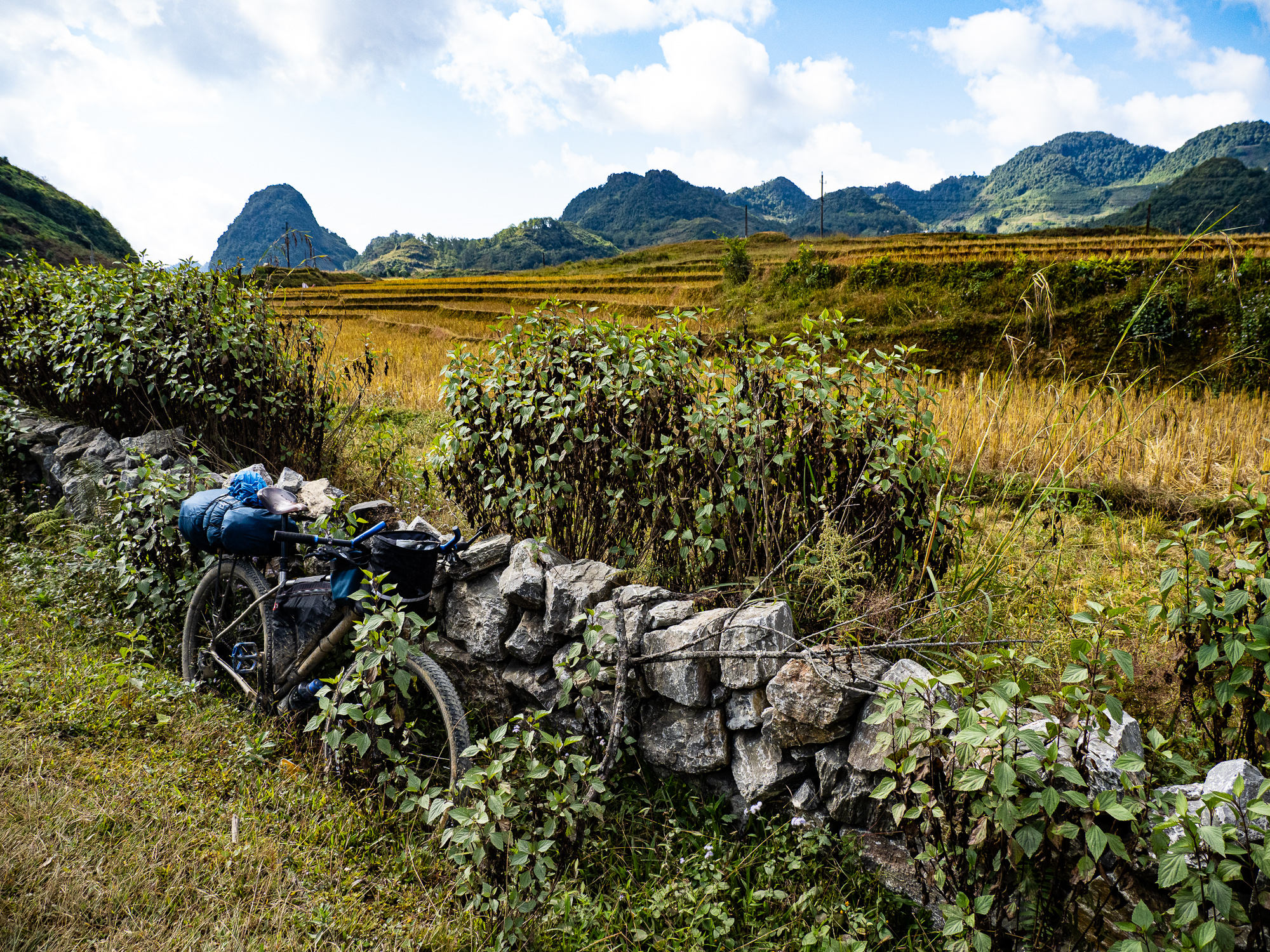



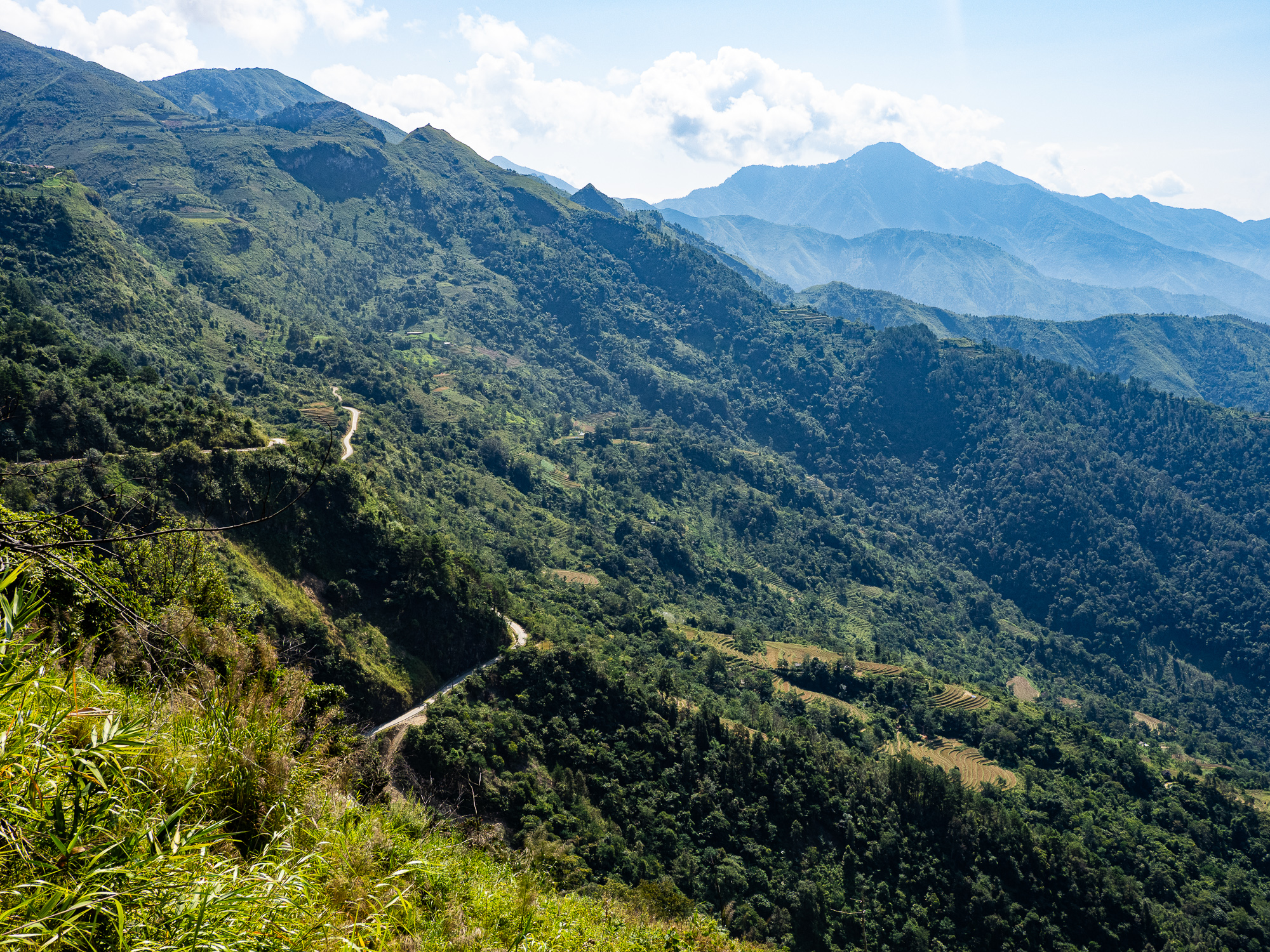

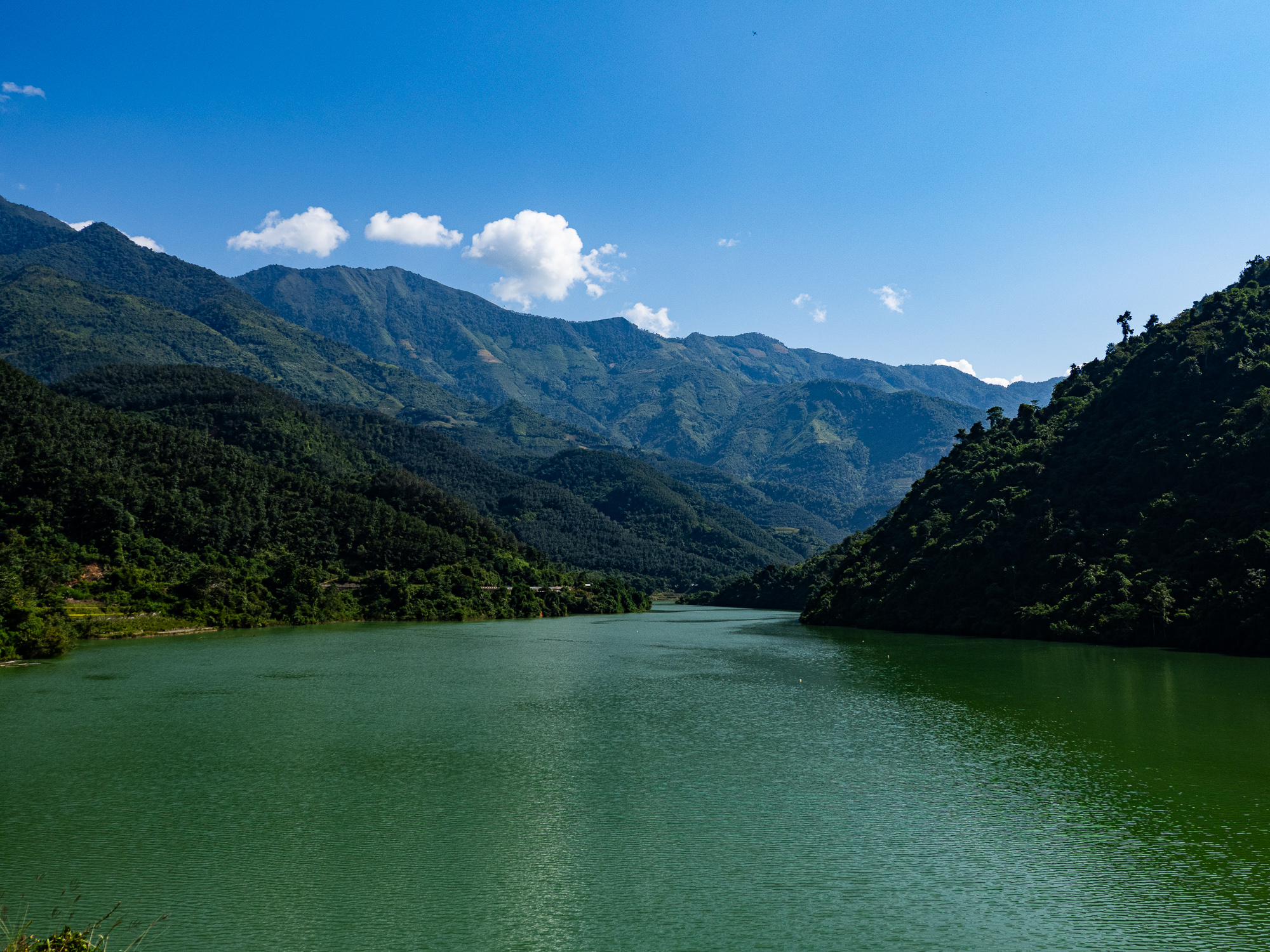
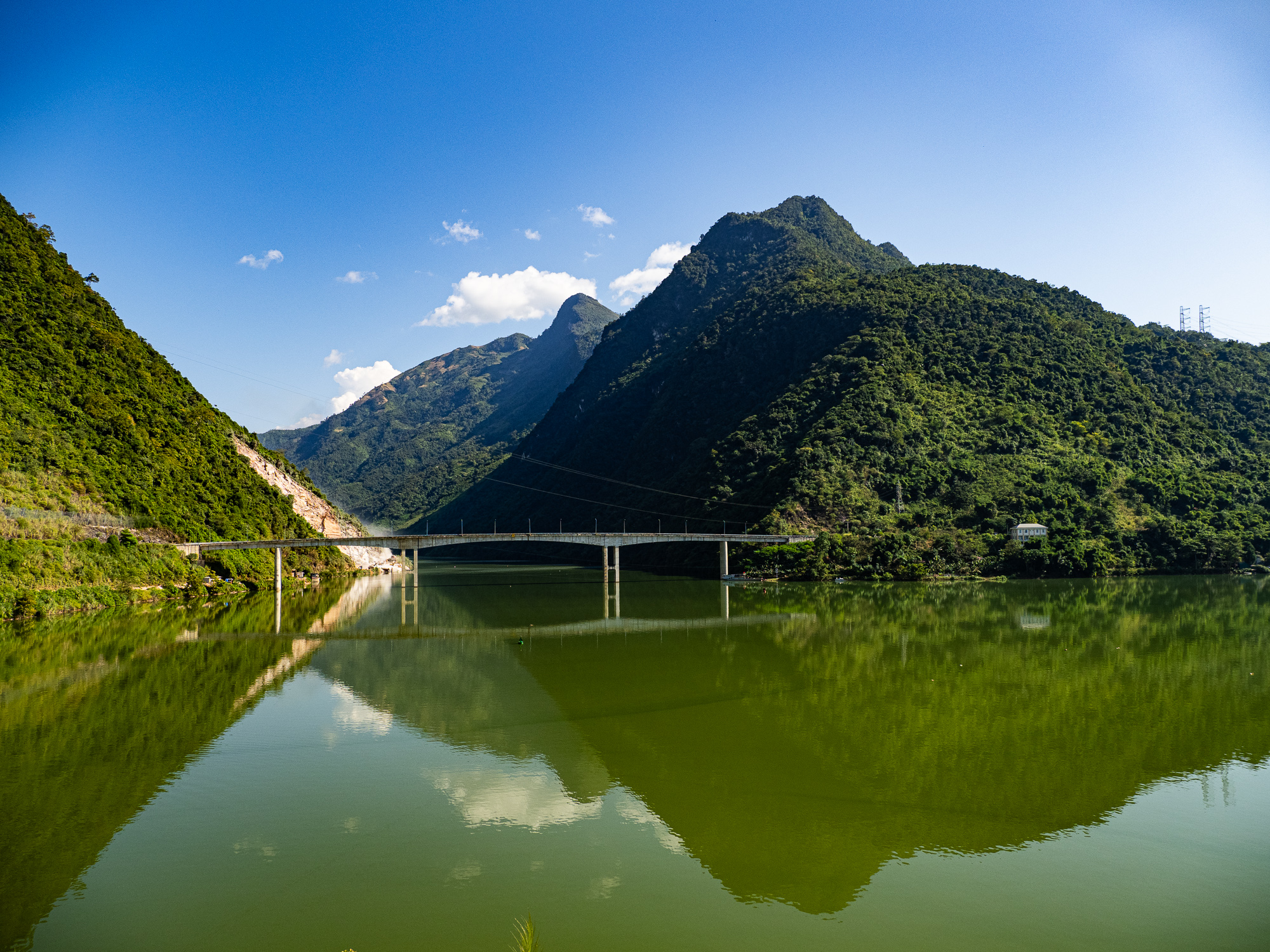
Descending to the valley brought back onto the main highway, the QL12. I was worried about traffic in Vietnam, but this road was blissfully quiet. It curved along the mountainside just above the reservoir. I stopped for lunch (pho again) at a roadside restaurant and got ripped off, getting charged at least double what the meal was worth. But not speaking the language, I wasn’t in a position to argue, and it was only a few dollars—not much in the grand scheme of things.
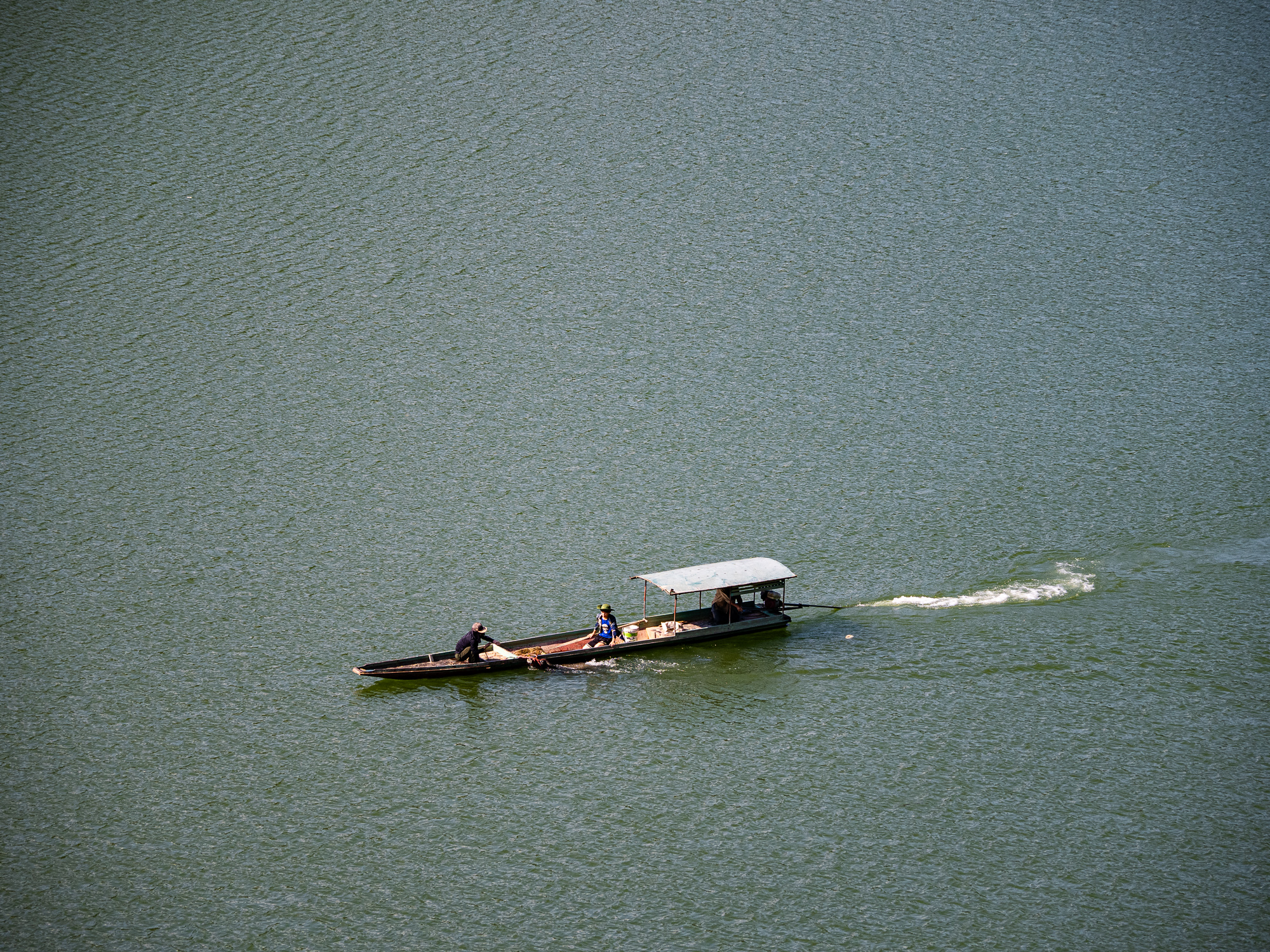
I was down at 300 m and the heat was once again oppressive and I was constantly tempted by green waters below me, but could not find a way down. Finally, as I entered Muong Lay, I saw a spot where I could for a dip. The water was a little dirty, but not so much to turn me off. I jumped in to cool down, then jumped back on my bike to start the 800 m staggered climb to Muong Cha. I could have stopped in Muong Lay, but I decided to push on so I could enjoy a longer break in Dien Bien Phu.
I passed through multiple small villages on the road to Muong Cha, what I called Vietnam’s rural sprawl. I rarely went more than five kilometres between villages and homes were scattered in between. While the constant presence of people was a little tiring, I did love it when a group of kids would run or bike beside me, screaming “Hello” and asking “Where are you from?” and “How are you?”, likely the only things they know how to say in English. Their joy boosted my spirits in what was turning into a long tiring day.



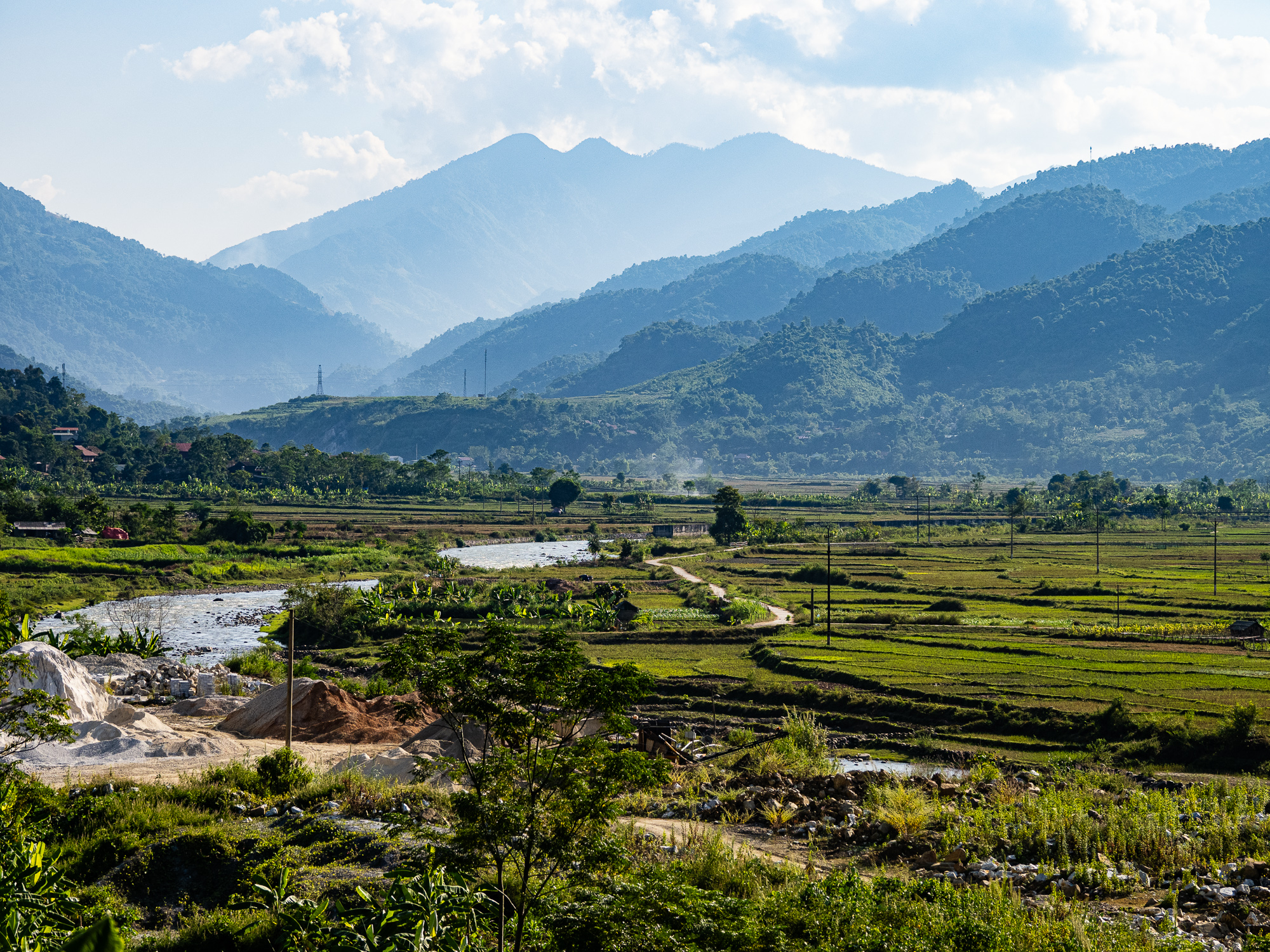


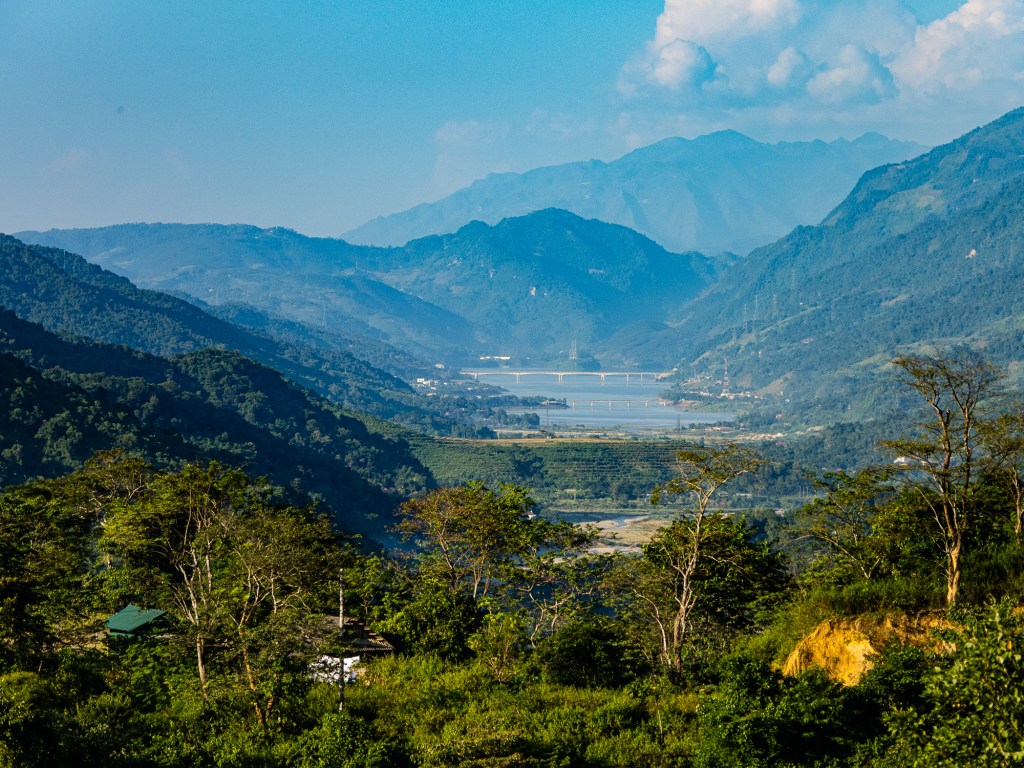
It was just about dark when I completed the climb towards Muong Lay. I put on my light and descended into darkness. I wish I could have ridden this road during the day because the glimpses of scenery I got in the darkness were alluring. I reached Muong Cha and went straight to the best reviewed hotel in town. It was only $10 for a room with AC and hot water, but the bed was rock hard. I’d heard of these beds, but this was my first experience with one. It wasn’t pleasant. Did I mention I had pho again for dinner? I couldn’t wait to get to Dien Bien Phu, where I expected a greater variety of food.


Day 5
It was an easy to 50 km day to Dien Bien Phu, the site of Vietnam’s victory of the French in 1954. I was very glad to get into town around noon because it was already getting oppressively hot. I had plans to meet up with another cyclist, Paolo, only to find out he was in the hospital with a injured spleen after getting sideswiped by a truck somewhere near Lai Chau. He rode about 200 km until he got to Dien Bien and realized he needed medical attention.
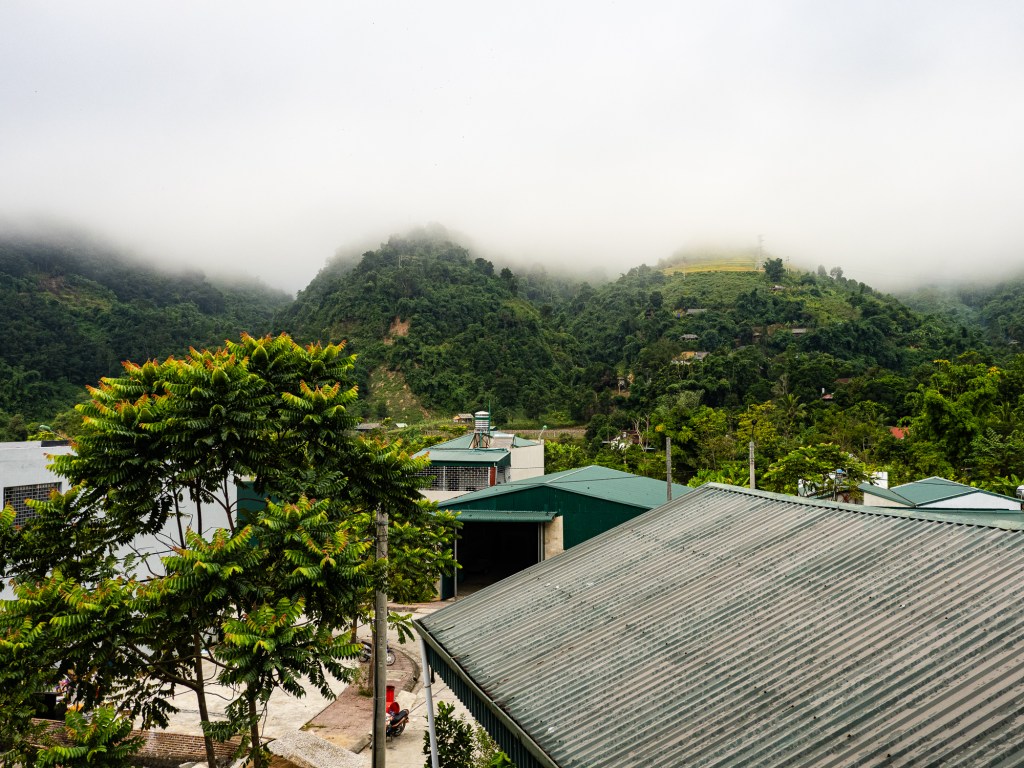
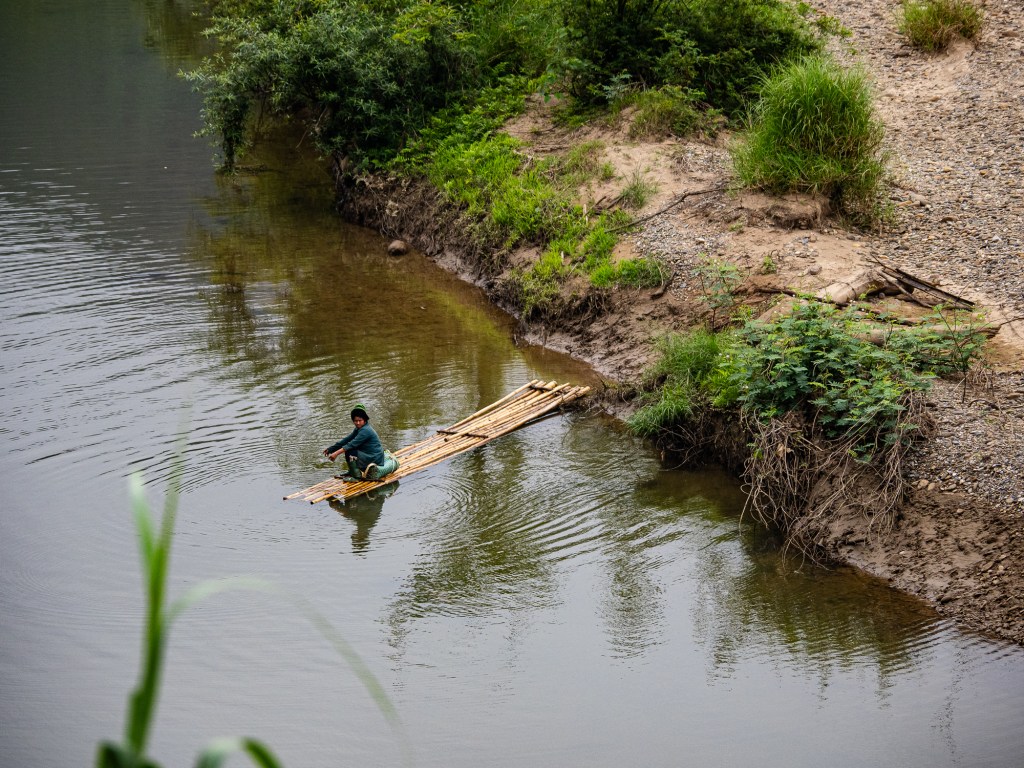

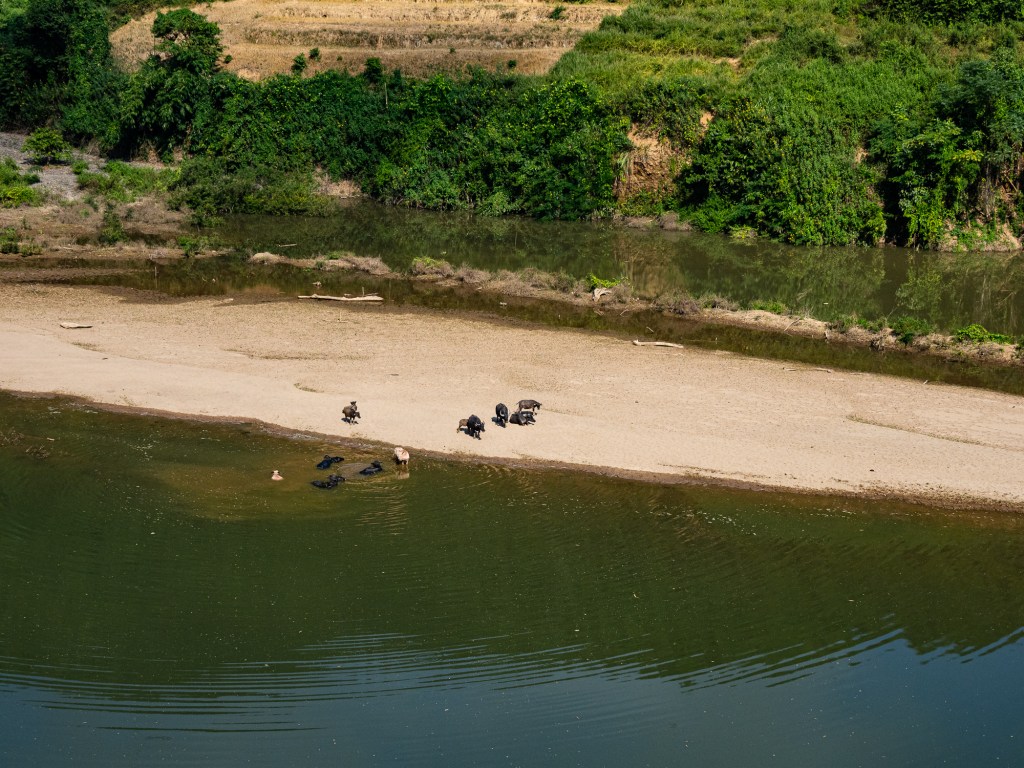

My time in Dien Bien Phu was spent visiting the site of the French bunkers, exploring the market, eating, sleeping, and getting some work done. It’s an unattractive city with a dirty river running through it, but I was happy to not eat pho for a few days and learn the Vietnamese perspective of a battle I’d learned about in university many years ago. They have a destroyed French tank proudly on display and you can still scoot through the tunnels built 70 years ago. You can even visit the bunker where the French surrendered, dividing the country into two and setting the stage for another 20 years of war.


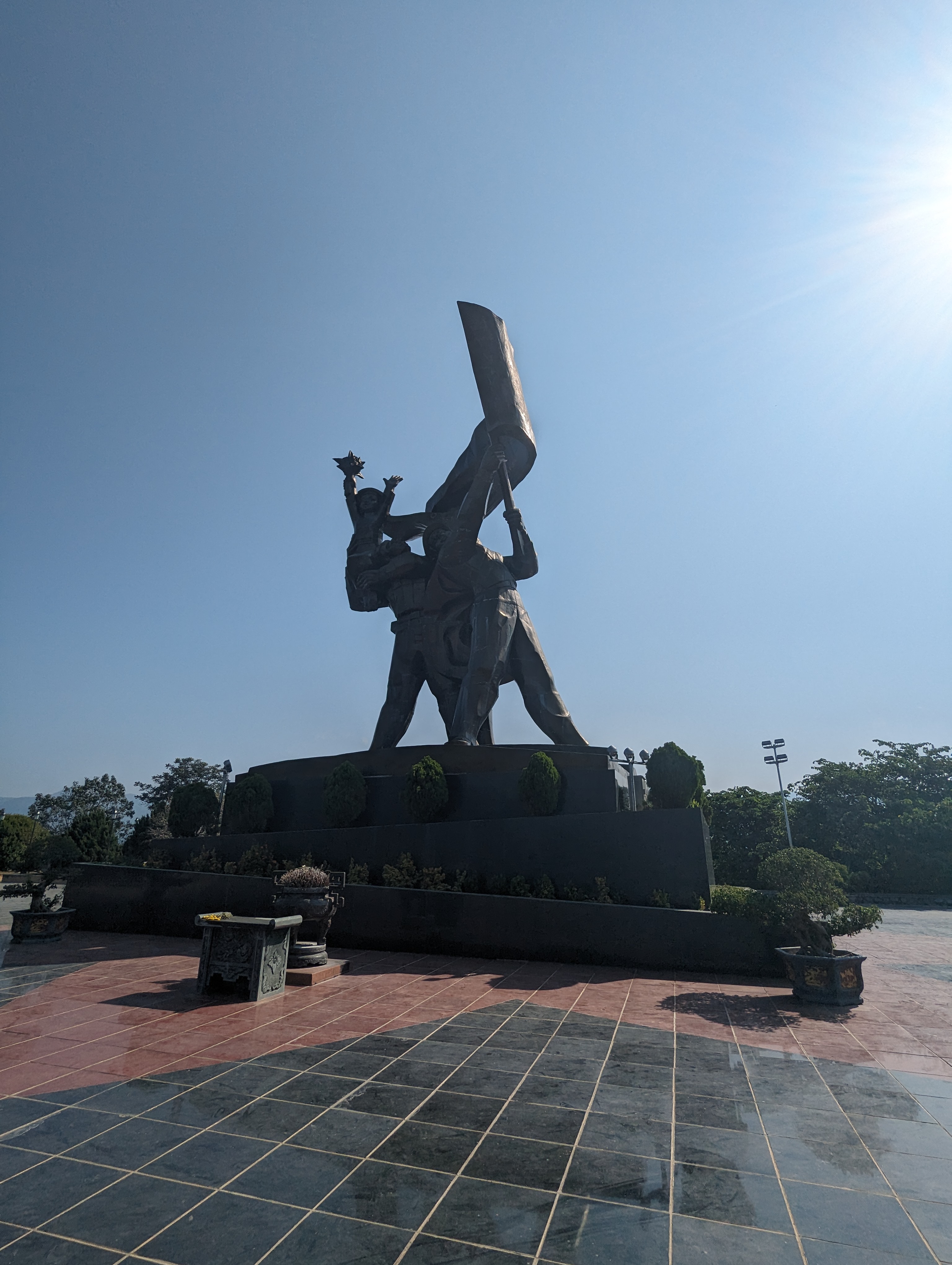
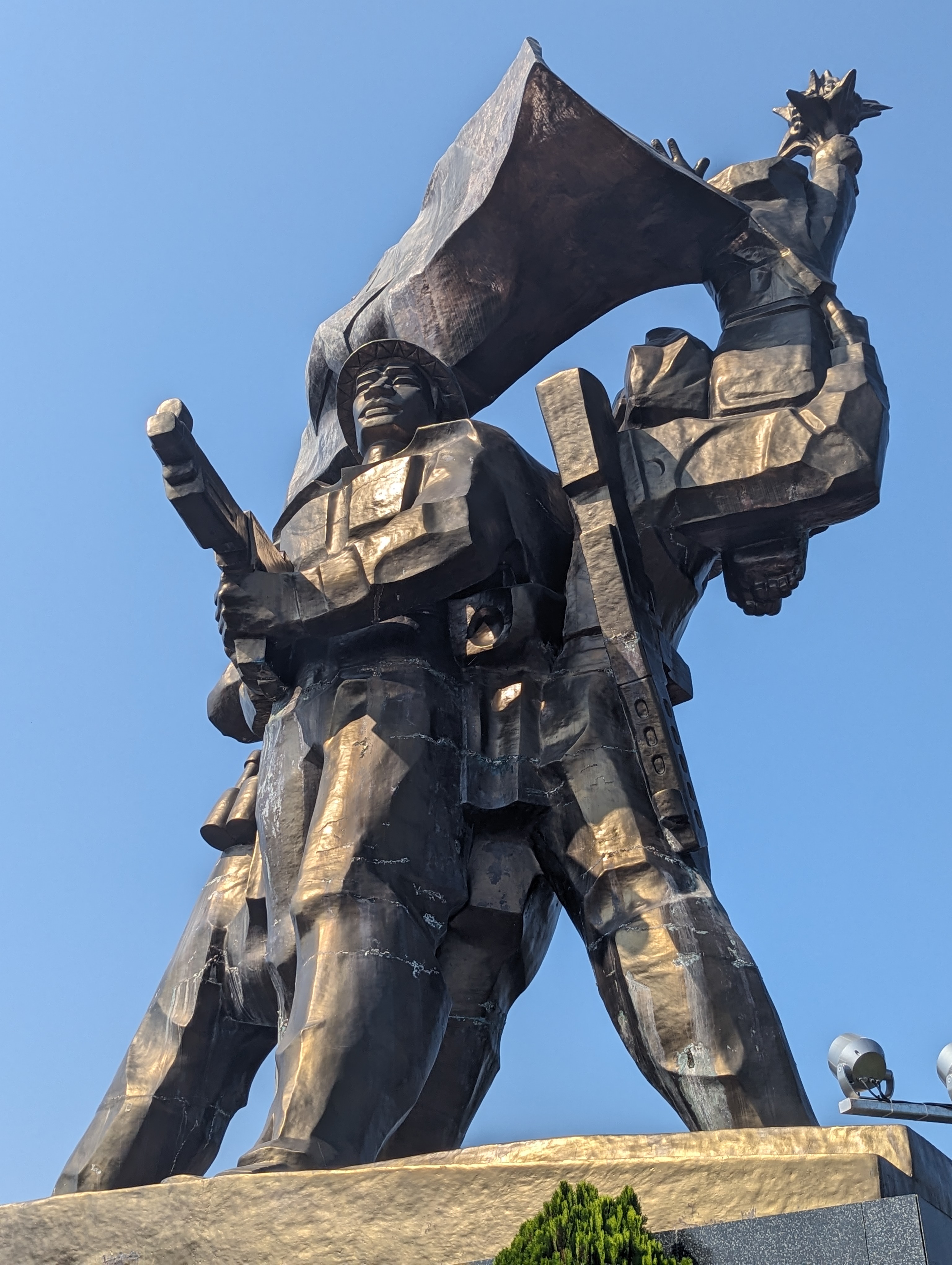


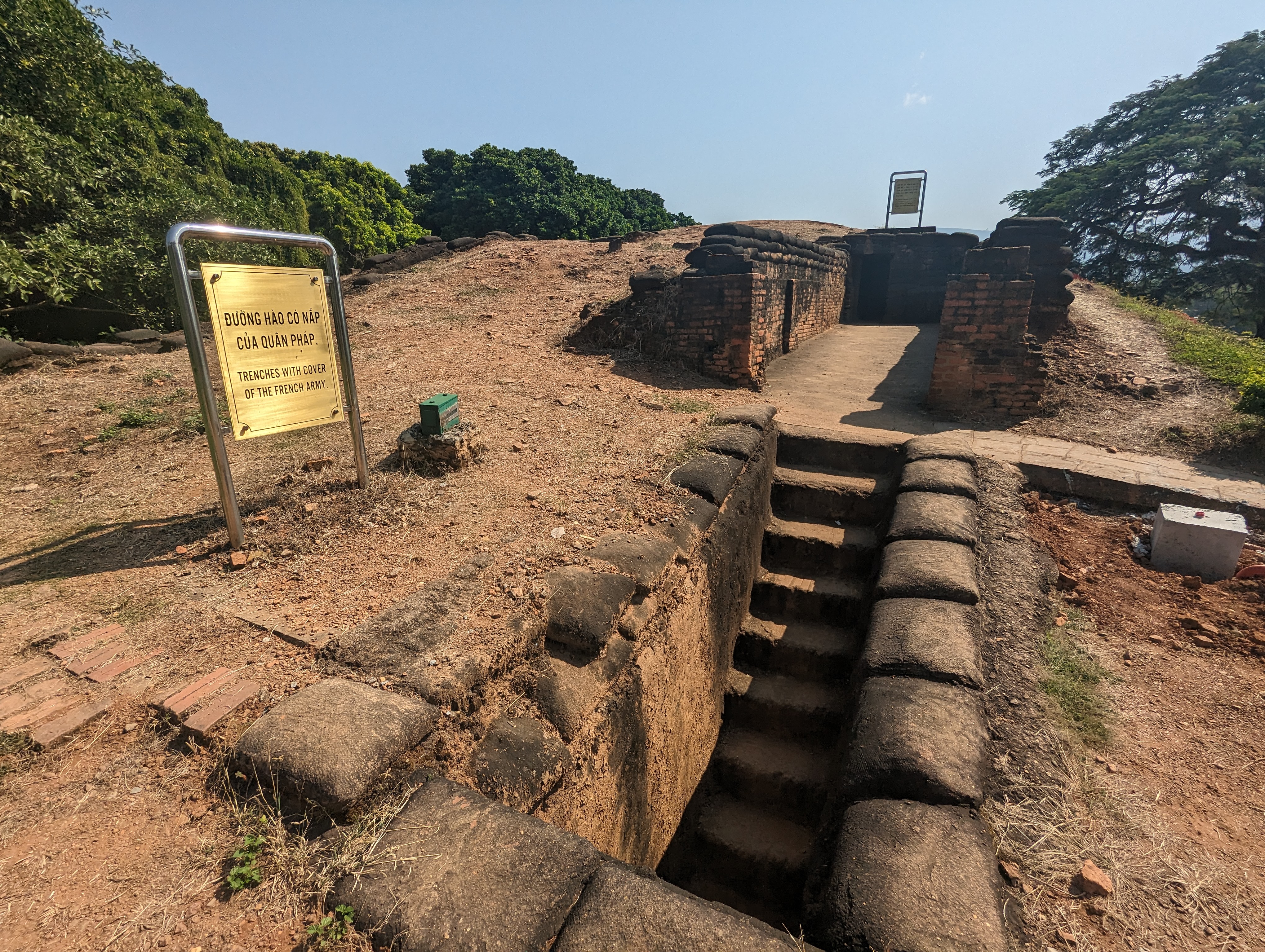
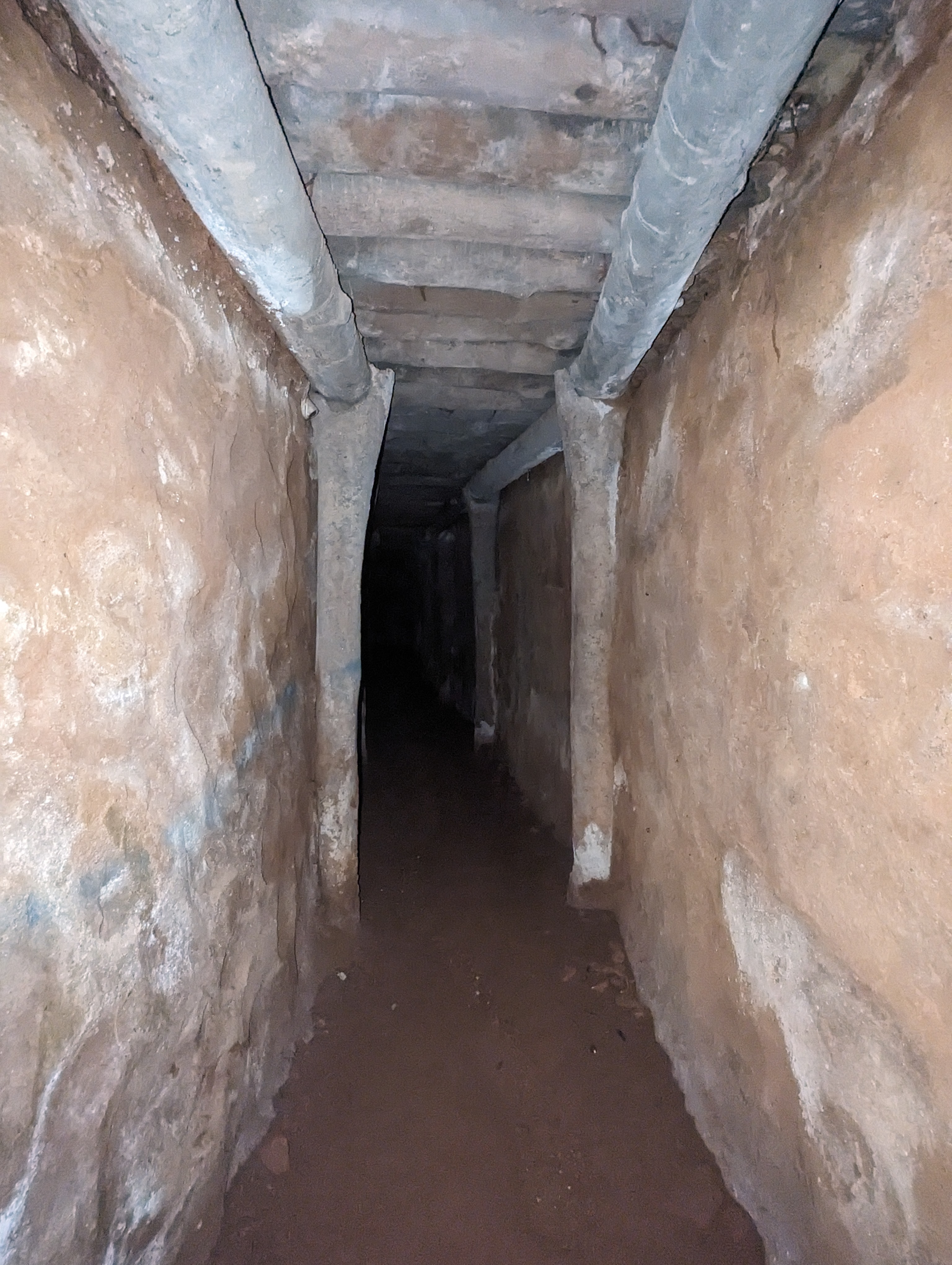


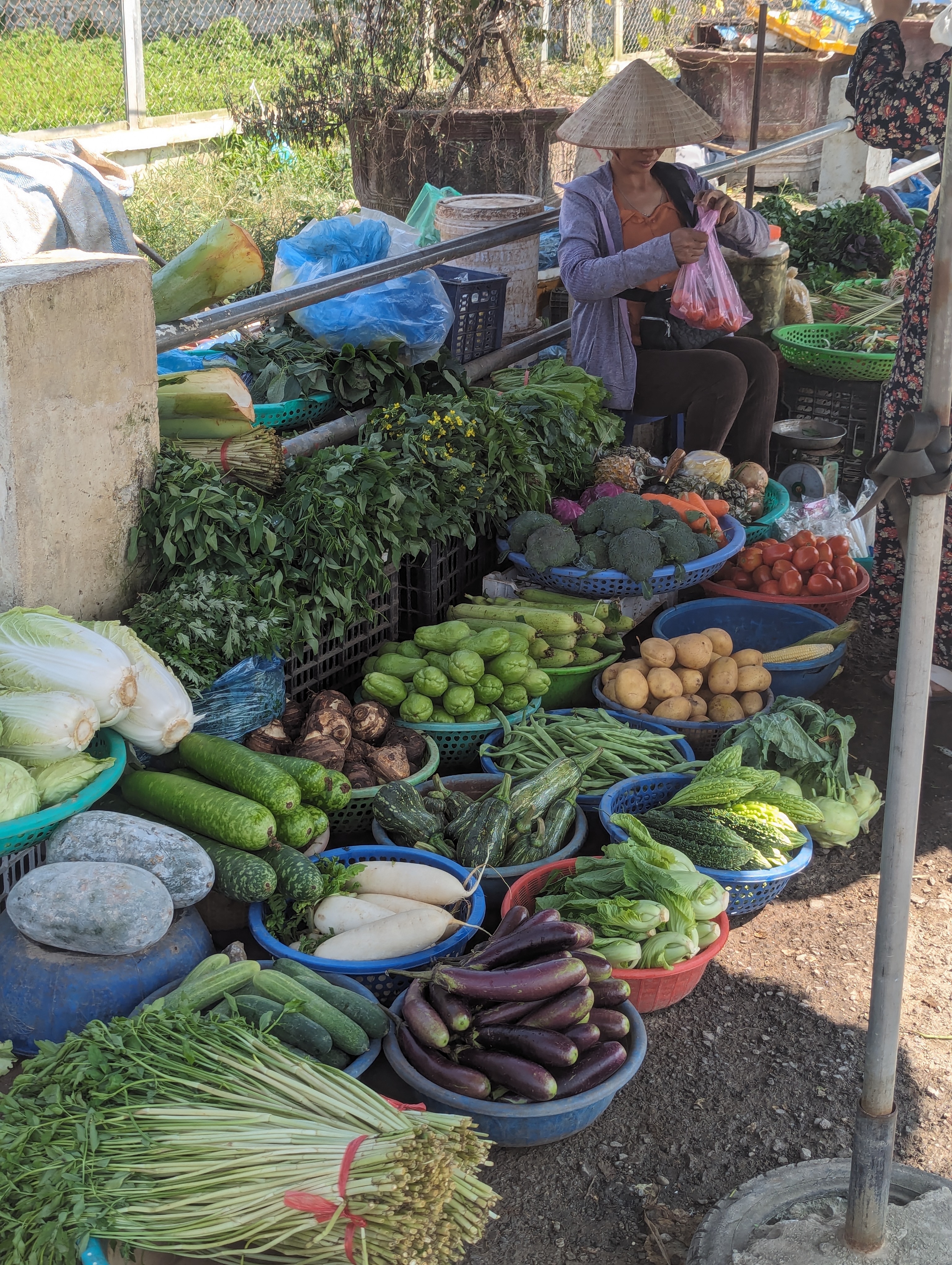


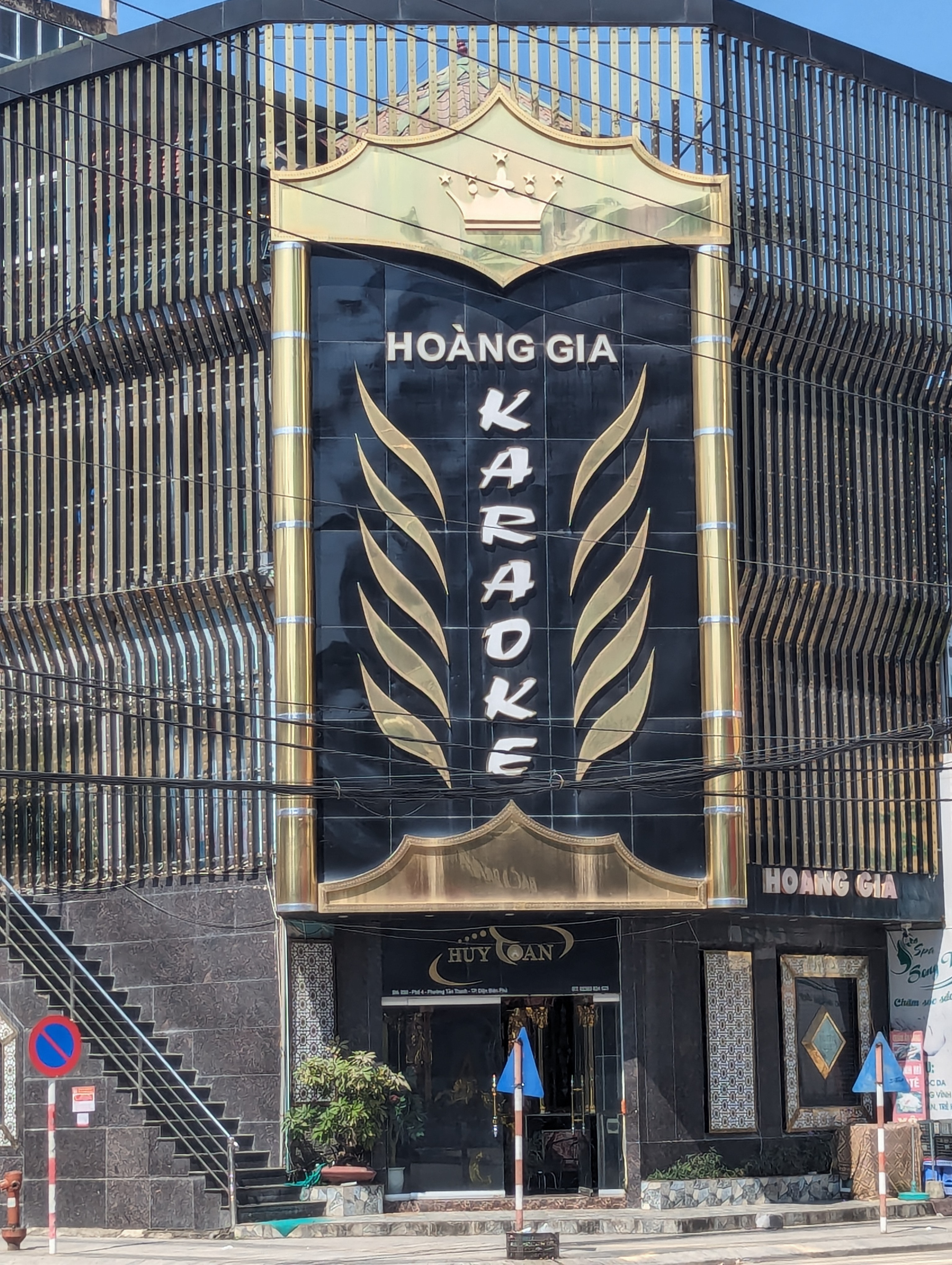
I also planned my route for the next few days. A region called Tua Chua had piqued my interest while planning this trip. When a local tour guide called it Ha Giang (a province that is increasingly popular with backpackers) without the tourists, I decided I had to go.
 Alex Cooper Explores
1 comment ›