Dien Bien Phu was a good place for a rest day, but it wasn’t somewhere I needed to spend any real time in. It’s worth the stop if you’re into history and traveling through the area, but I wouldn’t go out of my way to travel there. I was excited for the next few days, because I was about to head somewhere seldom visited by tourists—Tua Chua.
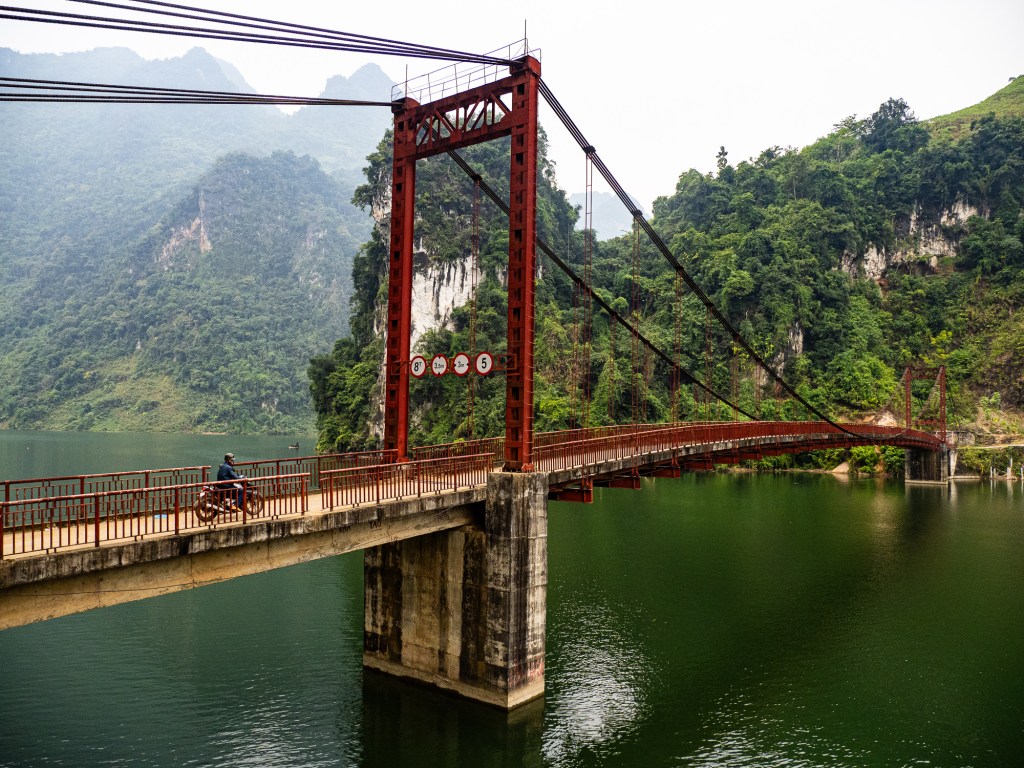
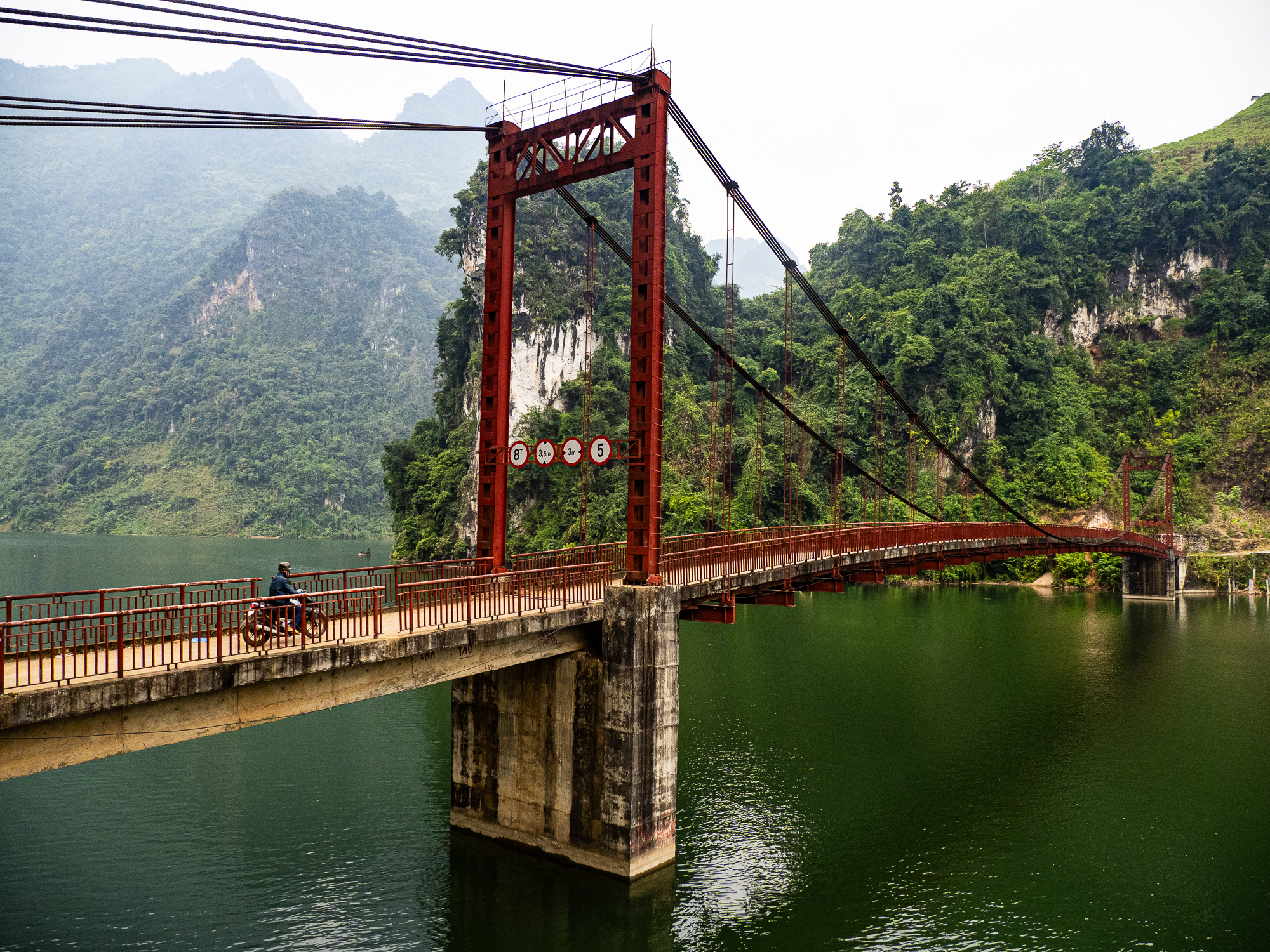
Tua Chua capture my imagination in the trip planning phase. The few pictures and videos online portrayed a stunning mountainous landscape dotted by high plateaus, indigenous villages, stone forests, caves, rice terraces, and more, all surrounded by a rich green reservoir. One image that particularly caught my imagination was a remote bridge with karst formations rising out of the depths of the reservoir. There were two homestays marked on Google outside the main town, but each only had a handful of reviews. Most of the tourist information online was from the past year, the result of a new push by the Vietnamese government to market the region as a tourist destination. I couldn’t find any evidence of any bike tourers going there; even the motorcycle websites seemed to ignore it. The thought of being the first bikepacker to ride through the area tugged at my ego.
The route I planned at home went through Tua Chua, but I still wasn’t sure I’d go there. That is until I met a tour guide at the hostel who reassured me about the presence of accommodation in the area, and said it was one of the most scenic areas of northern Vietnam. I was sold.
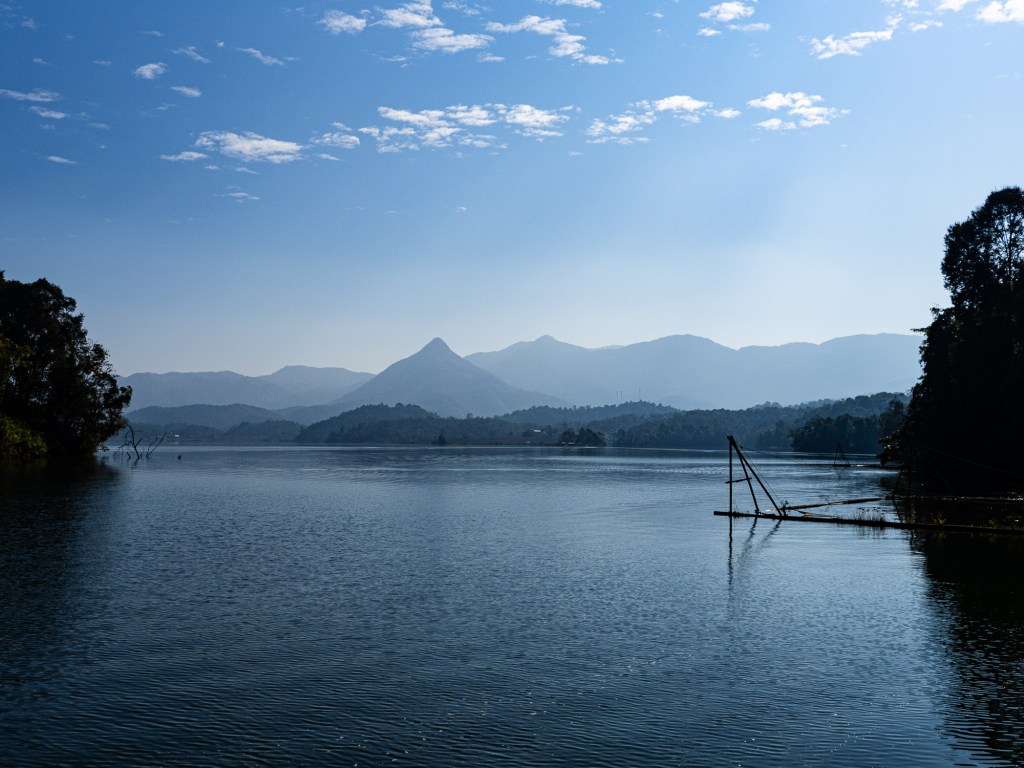
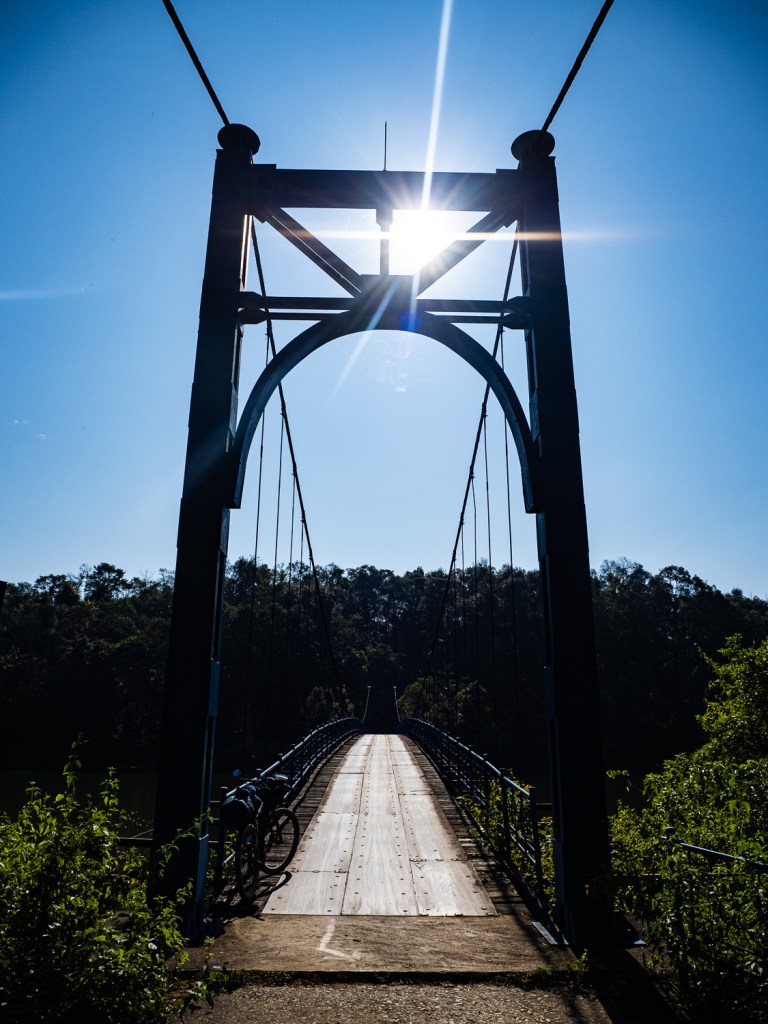
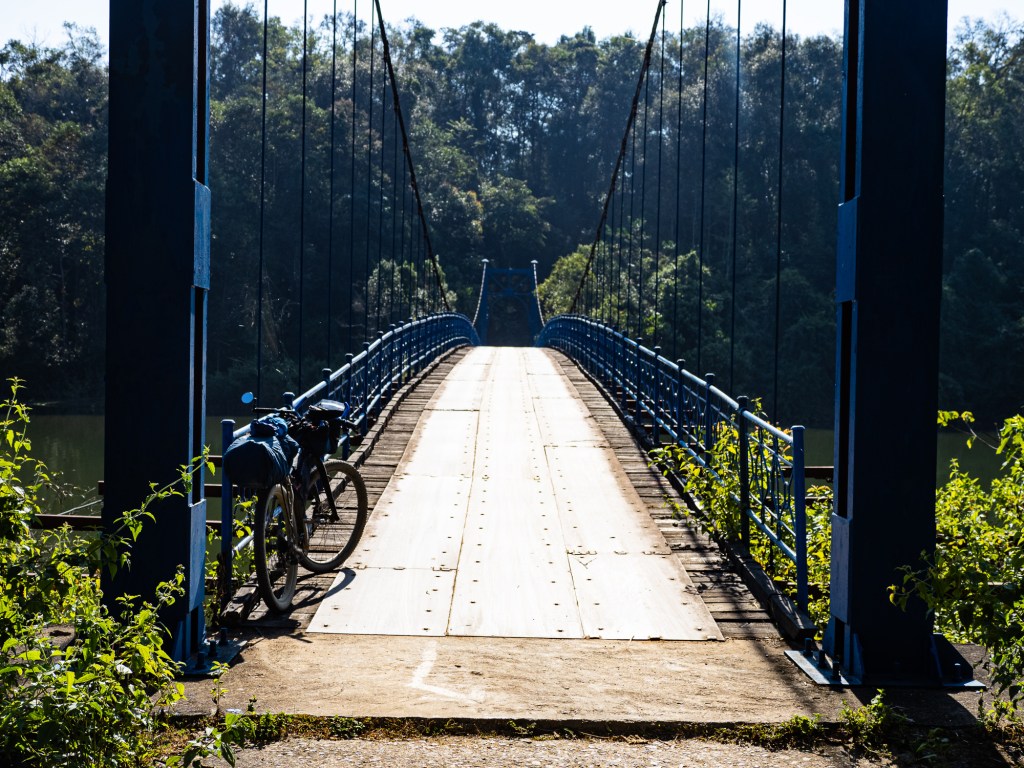
I got an early start leaving Dien Bien Phu in order to beat the heat. My goal was to make it 100 km to Tuan Giao, which would be my jumping off point to Tua Chua. Escaping the city, I climbed some 600 m onto the surrounding plateau and eventually turned off the highway towards Ho Pa Khoang, a sprawling lake with several bridges across it. The road was extremely quiet, with very little development around the lake. It was the first spot I’d seen in Vietnam where I actually felt like camping. I enjoyed the serenity while crossing three narrow suspension bridges before eventually rejoining the main road, which took me back to QL 279—the main east-west artery through northwest Vietnam.

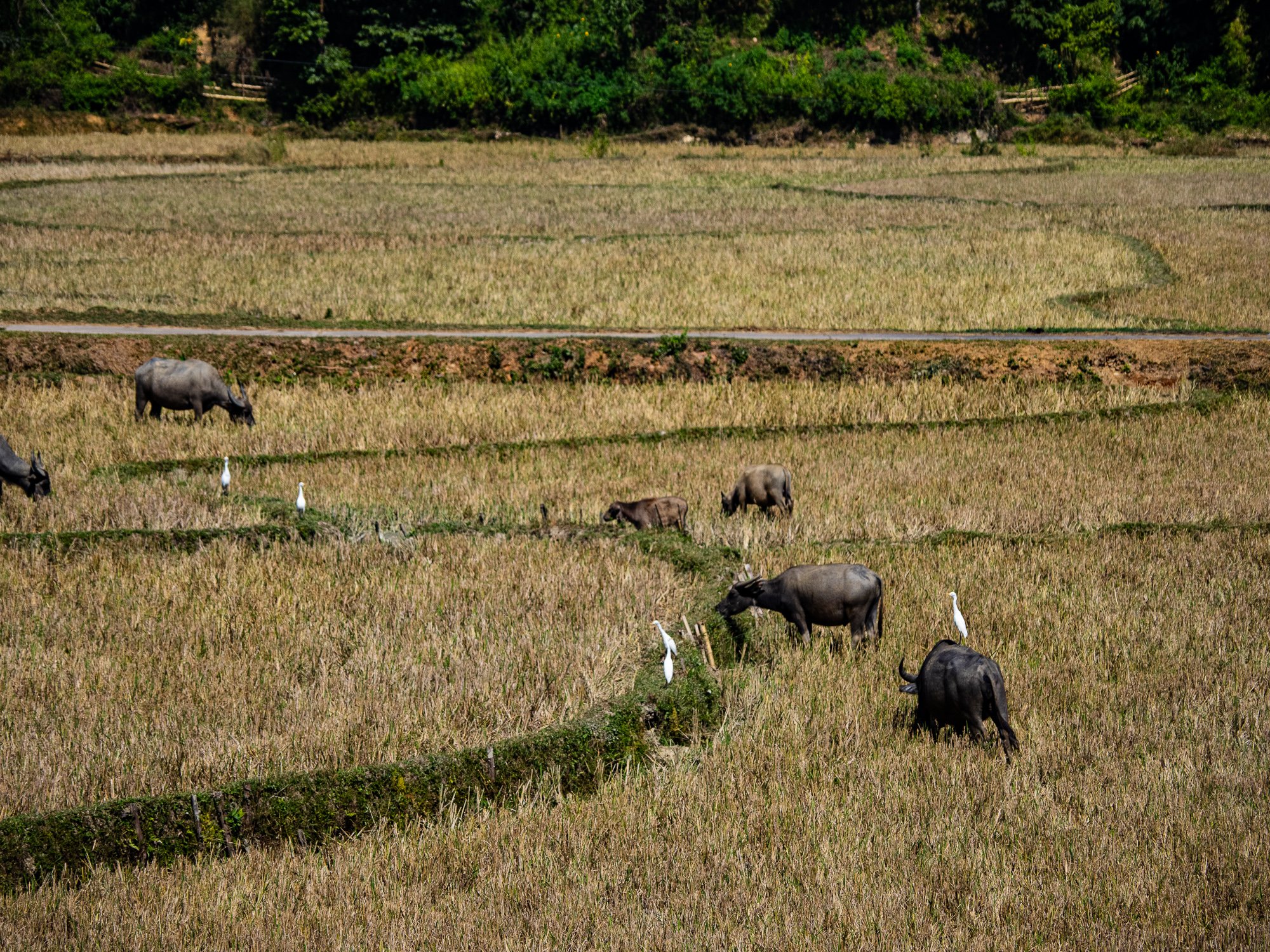
The main road proved less than enjoyable, with a constant stream of motorcycles, trucks, mini-buses, and the occasional car. I saw a chance to turn off and detour along a road and after realizing it would only add a few kilometres to the day (and was mostly downhill), I took it. This backroad took me down into a rural valley with sprawling rice paddies and tiny villages. I watched as water buffaloes feasted on the harvested rice fields, white birds grooming them while they ate. I saw a girl pedal her bicycle down the pathway that bisected the rice fields. This was rural Vietnam at its most idyllic.


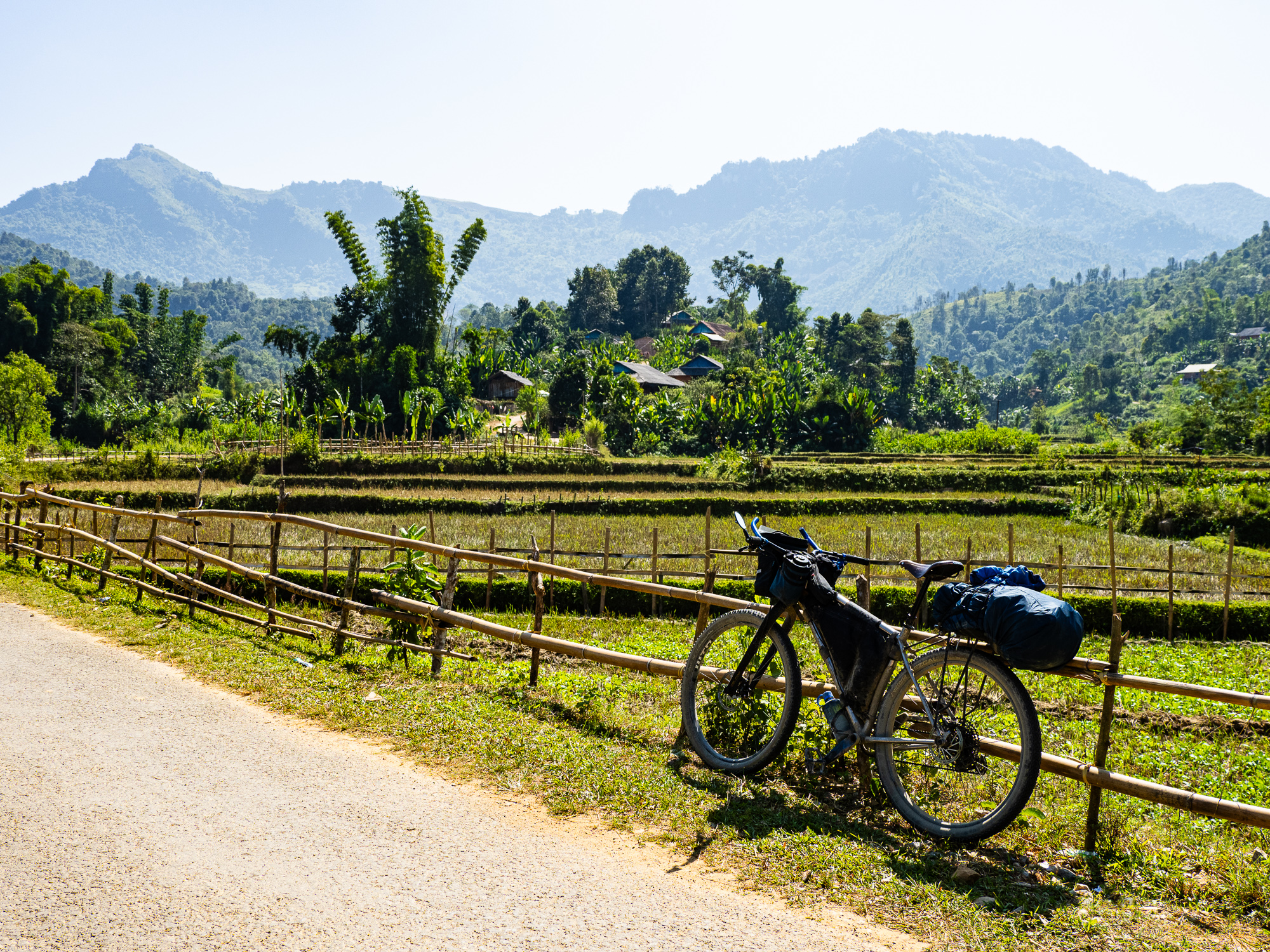
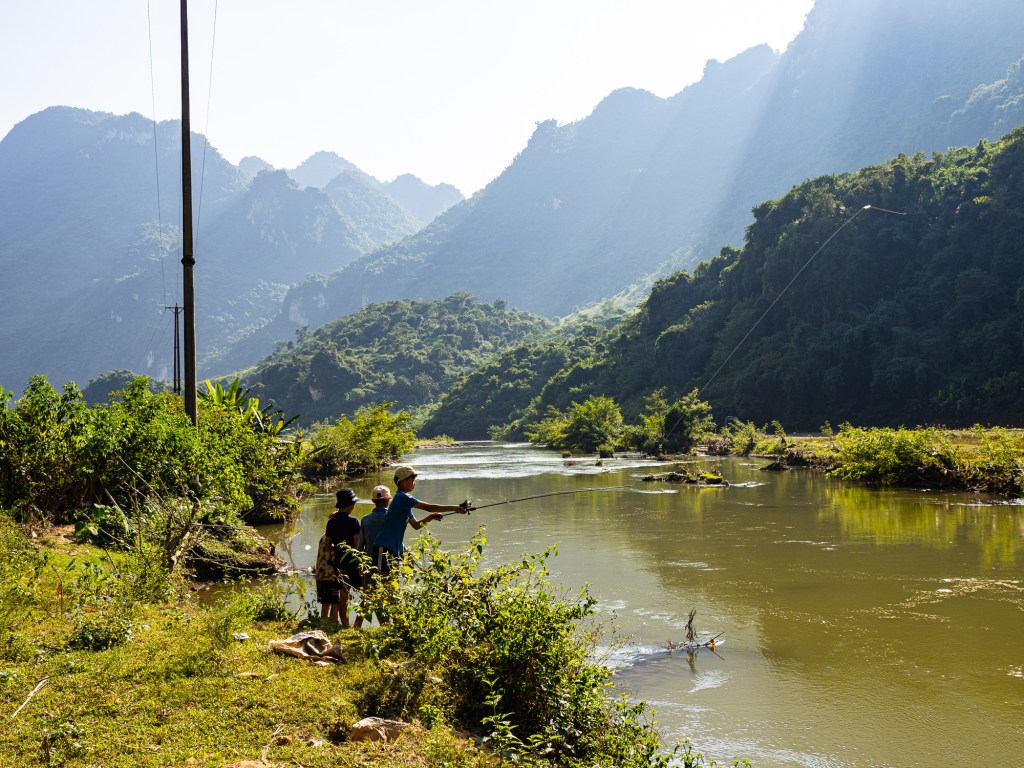
I turned quite a few heads as I cycled the detour, probably one of the few cycle tourists to ever ride this route (or maybe not, it’s a pretty obvious detour when you look at the map). Soon enough, I was back on the highway, where I was greeted by the sight of limestone cliffs towering 300-400 m above the road ahead. They summoned me forward, and I couldn’t help but wonder if anyone had ever climbed them. I saw a sign for a cave, so I decided to take a detour to check it out. I followed a single-lane path along a romantic river, where I watched locals get across in traditional boats steered by a single long oar. Meanwhile, a group of children scampered down the shore with a fishing rod, casting their line here and there. This was the Vietnam I had dreamed of.

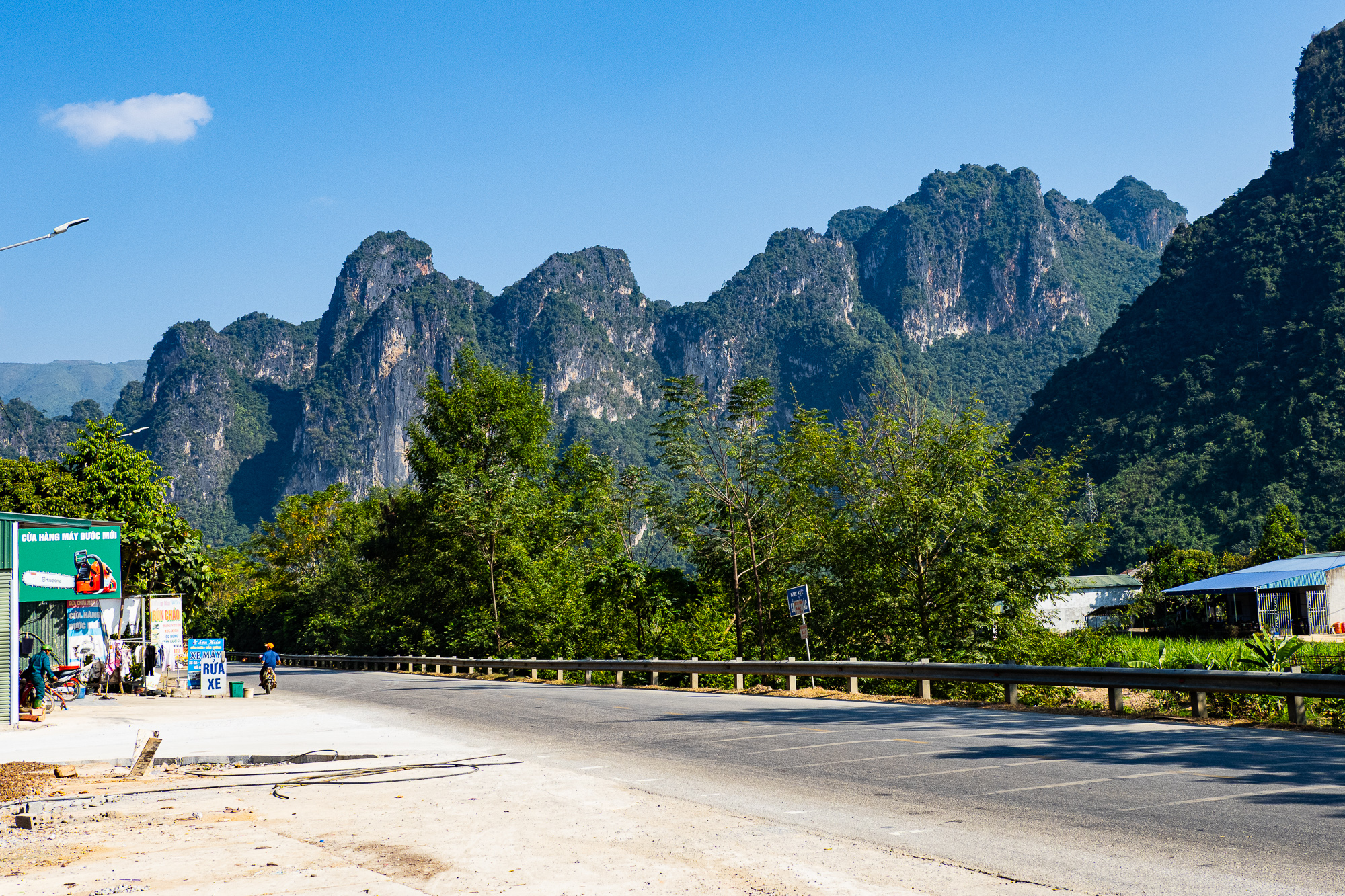

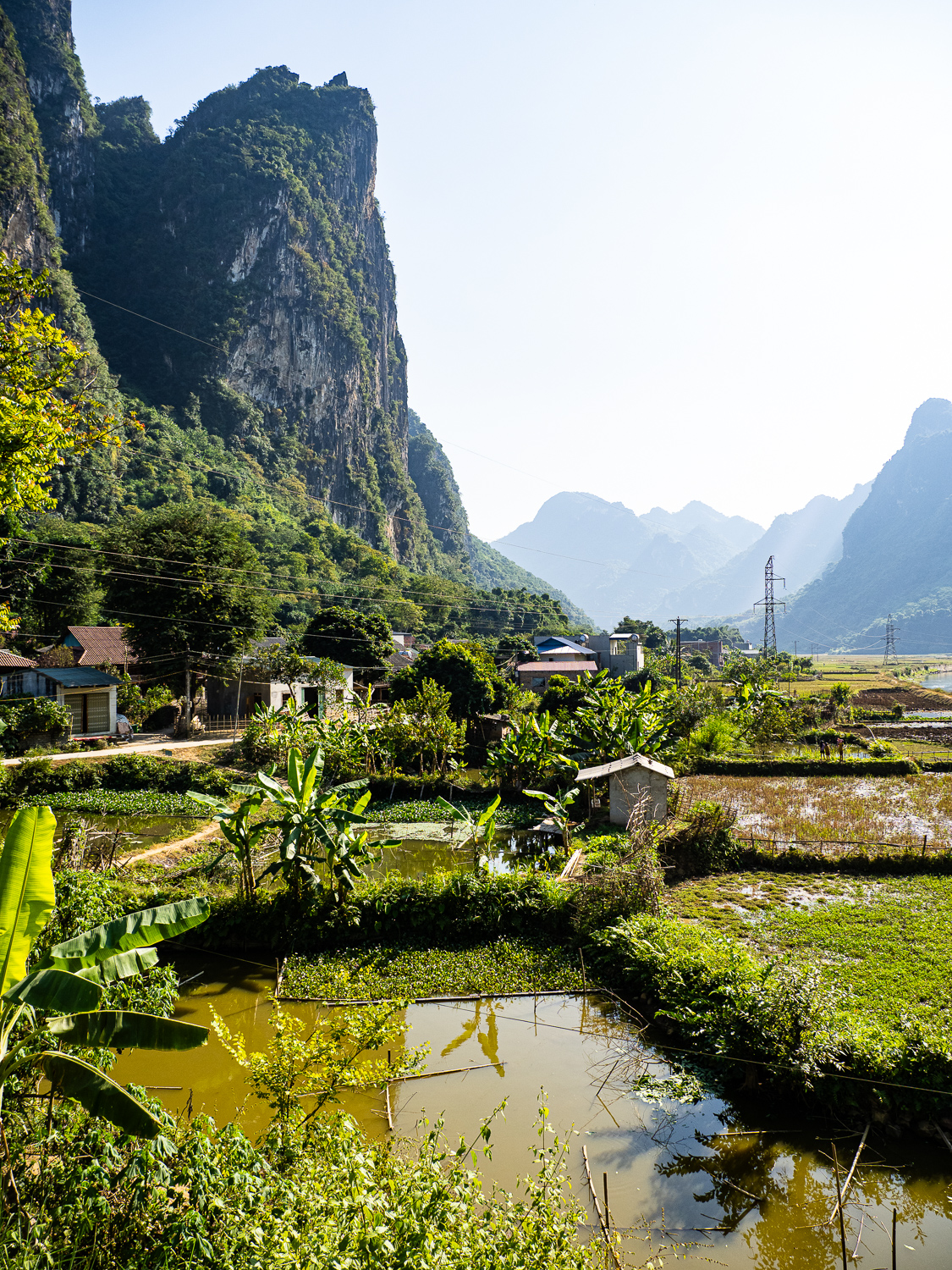

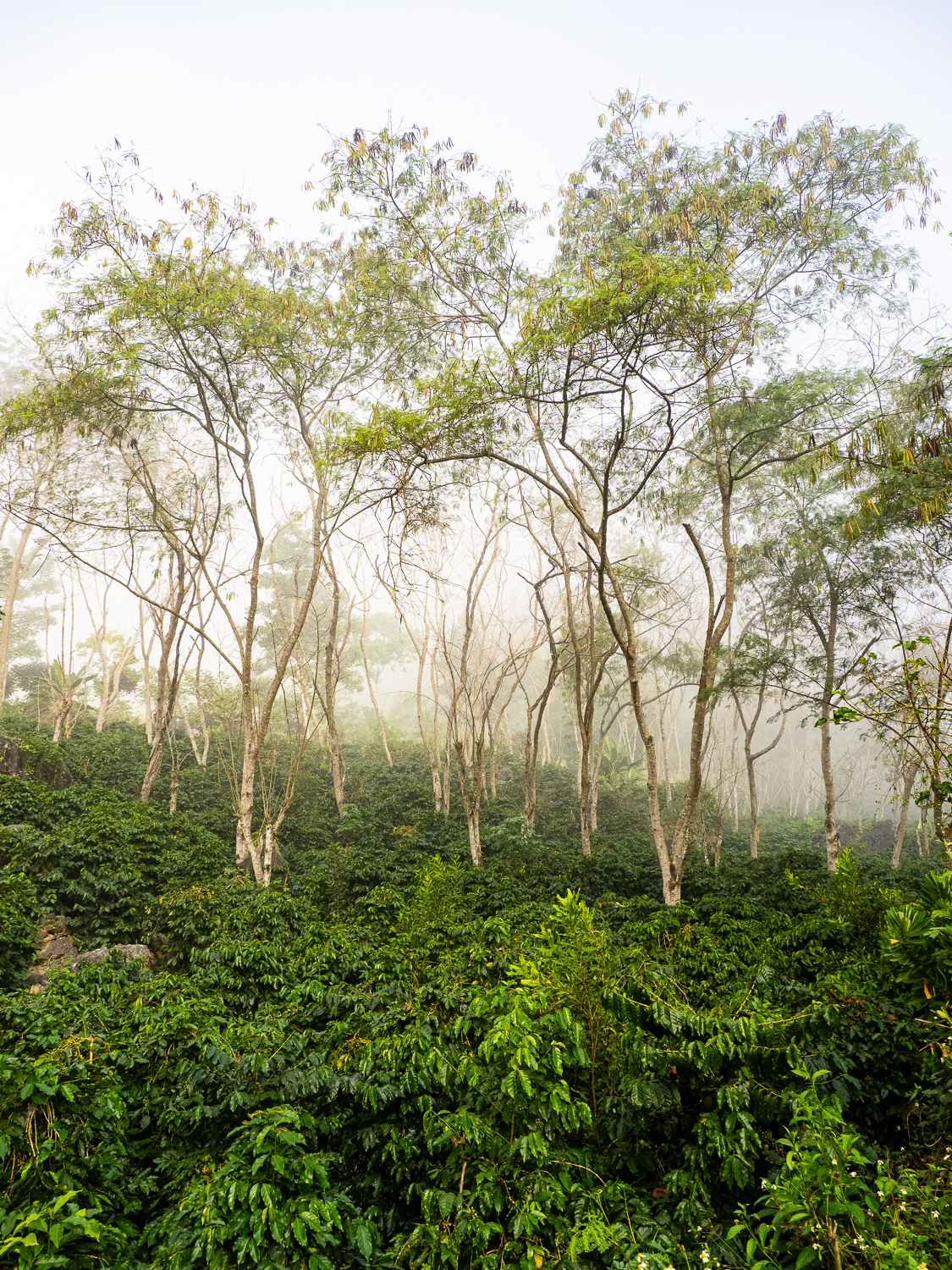
In Tuan Giao, I got a room at the biggest hotel in town, and a great meal at the best reviewed restaurant. I woke up to a foggy morning, but the sun was beginning to shine through. After a Bahn Mi for breakfast, I hit the road. The main highway turned south here and I was headed north, so I enjoyed a quiet ride until I turned off onto some backroads. I pedaled into some thick fog that eventually dissipated and revealed the limestone mountains around me. A long climb brought me to the town of Tua Chua, where I got a late lunch at a local rice eatery. This is where my real adventure would begin.

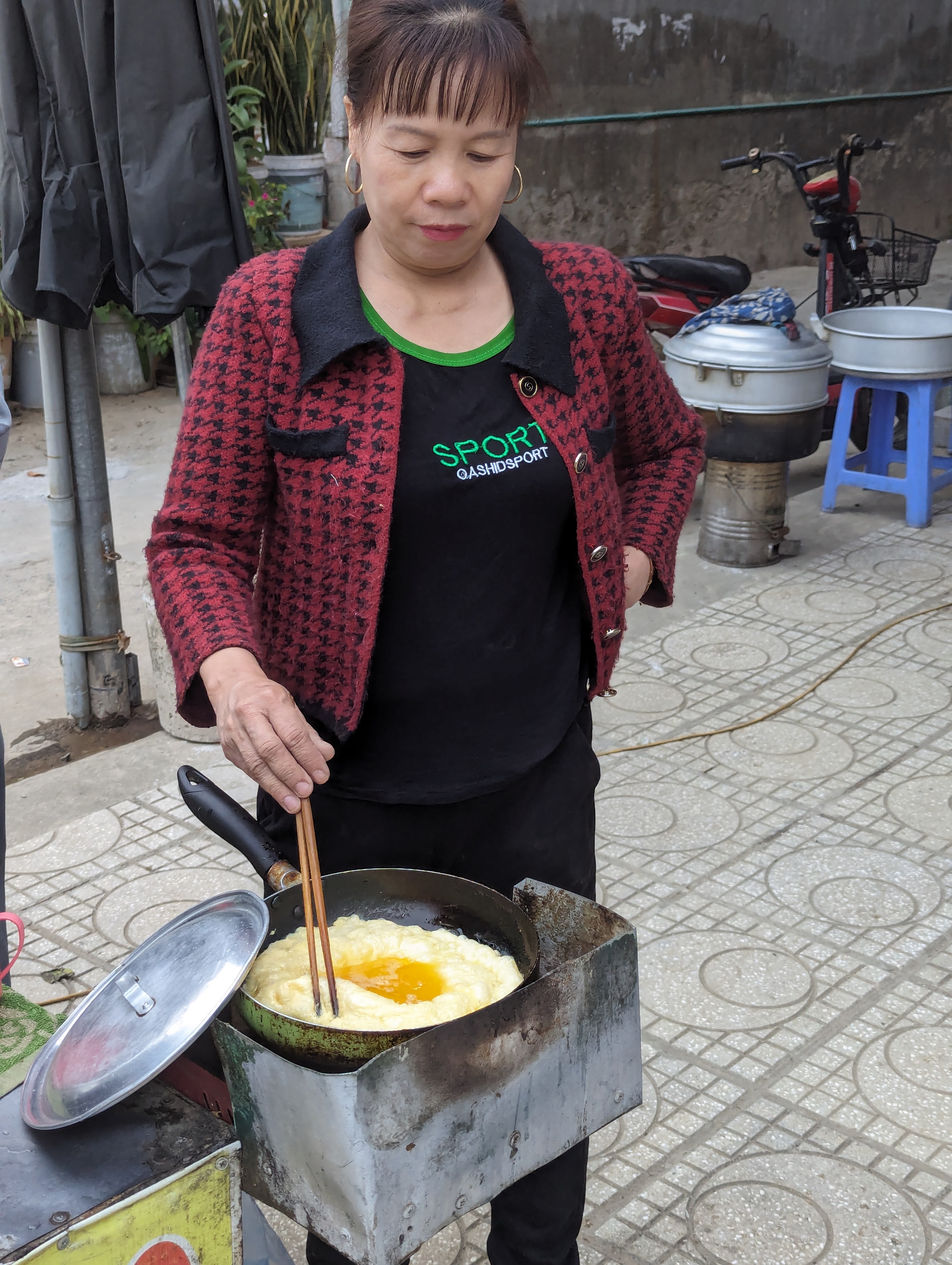


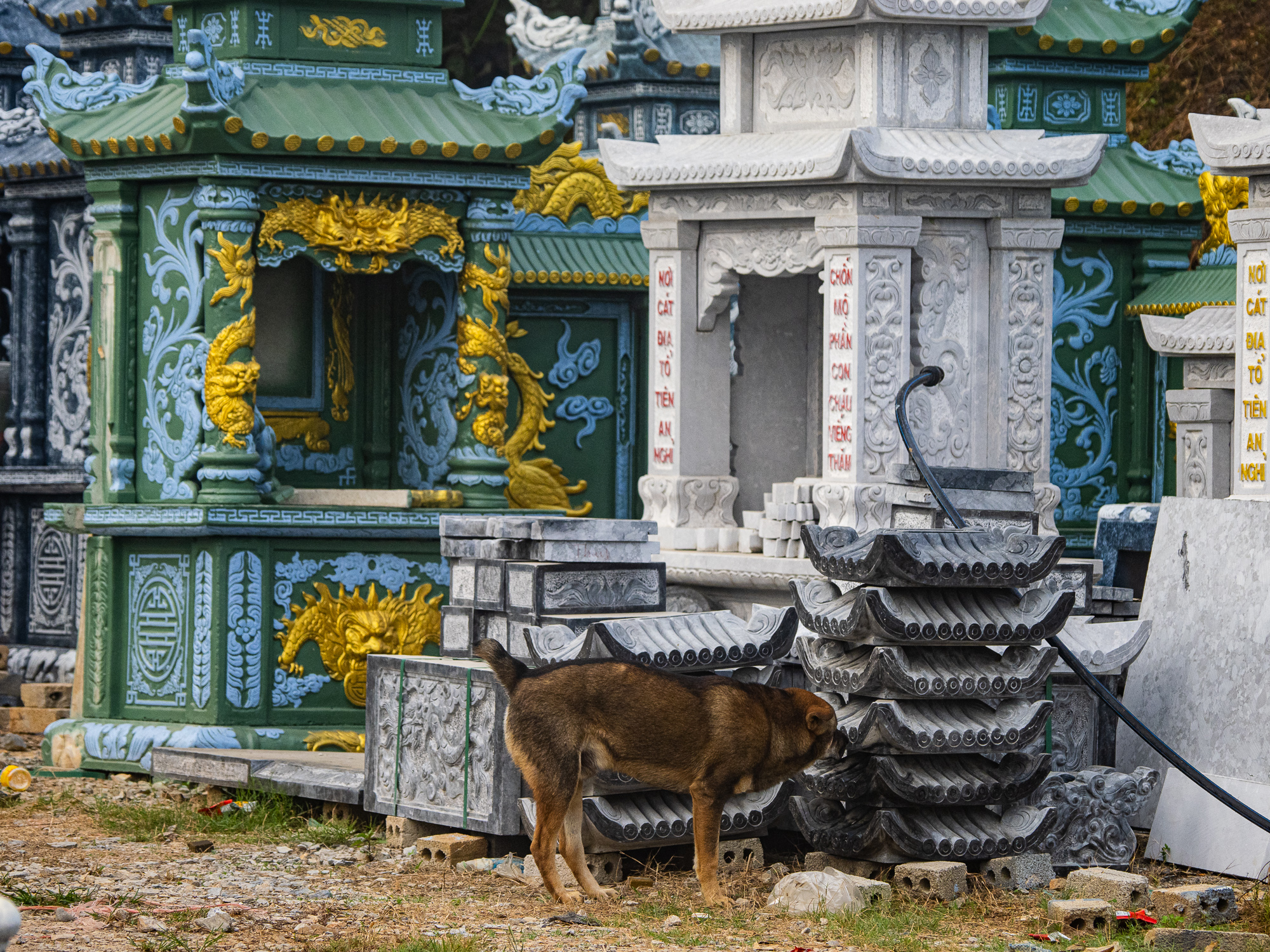



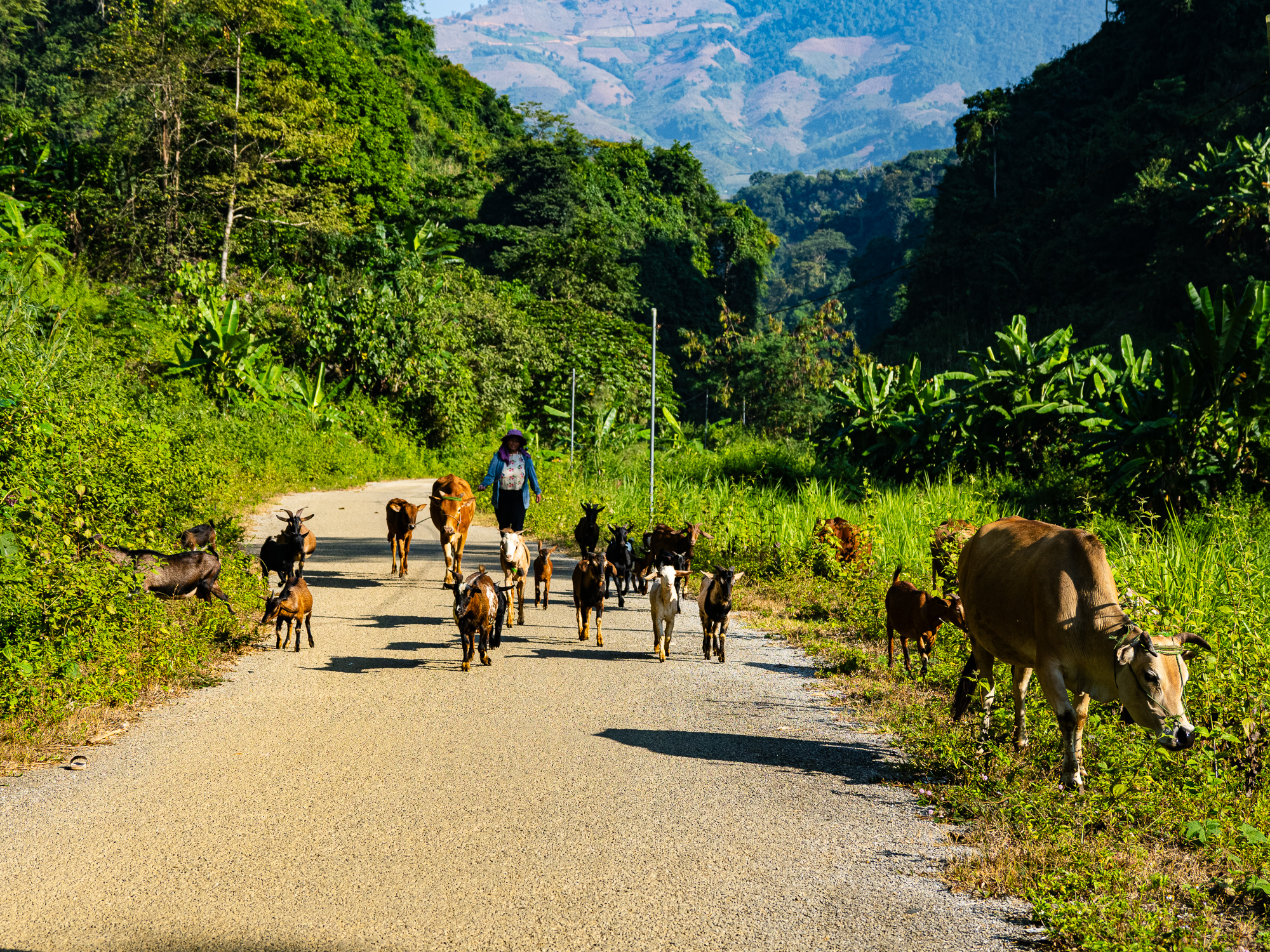


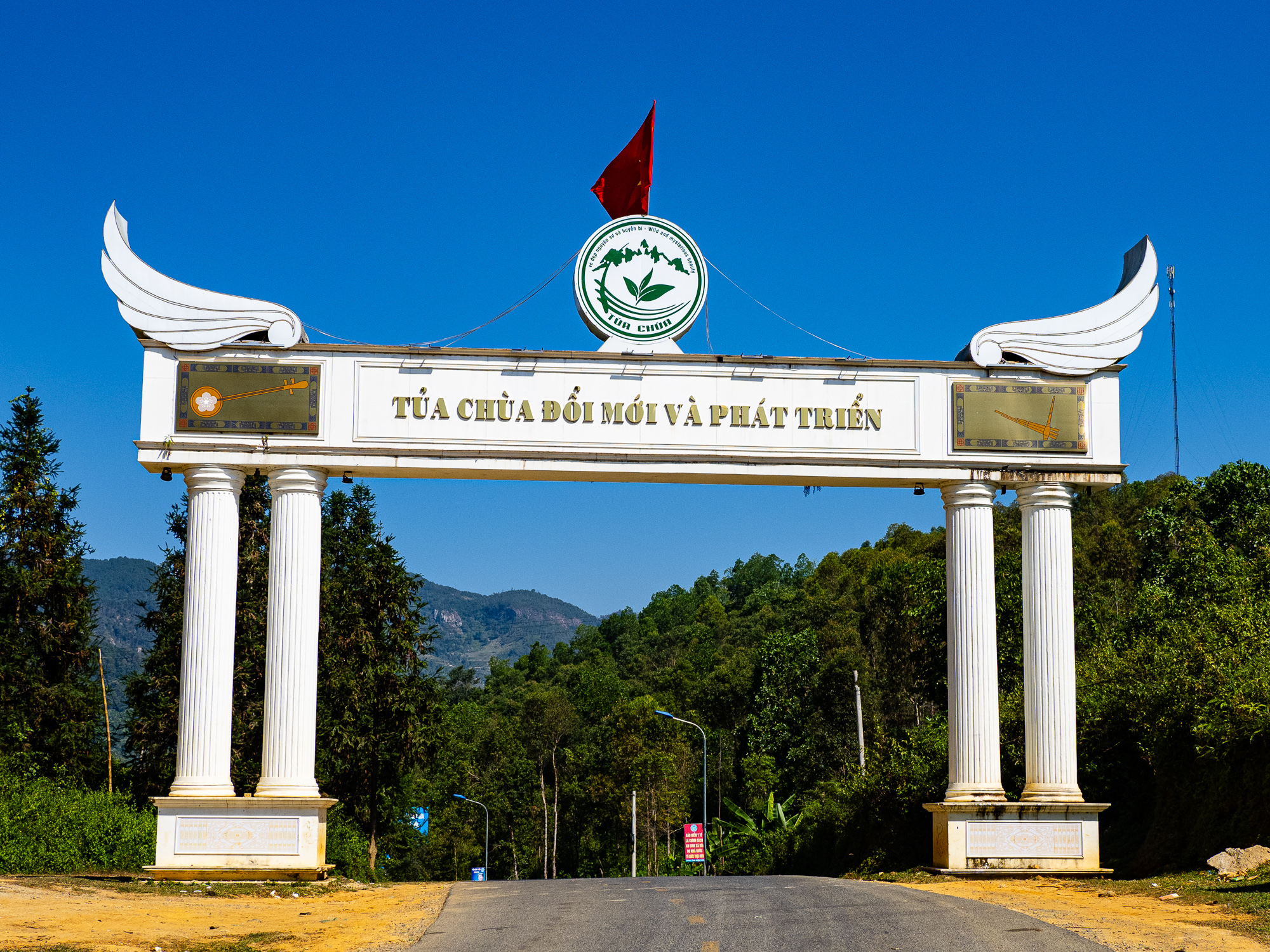
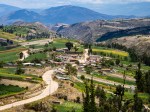
Tua Chua sits at a moderate 800m and my goal was the Chang Mua Homestay, another 30 km and 1,000 m of climbing beyond (plus a whole bunch of downhill). I climbed out of town onto a backroad, which probably wasn’t necessary given how little traffic there was in this region. It did save me a bit of climbing. I re-joined the main DT129 road, which was carved into the mountainside above curving rice terraces as far as I could see. As I took photos, I saw a local struggling to lift his motorcycle, which was overloaded with a bundle of wood.


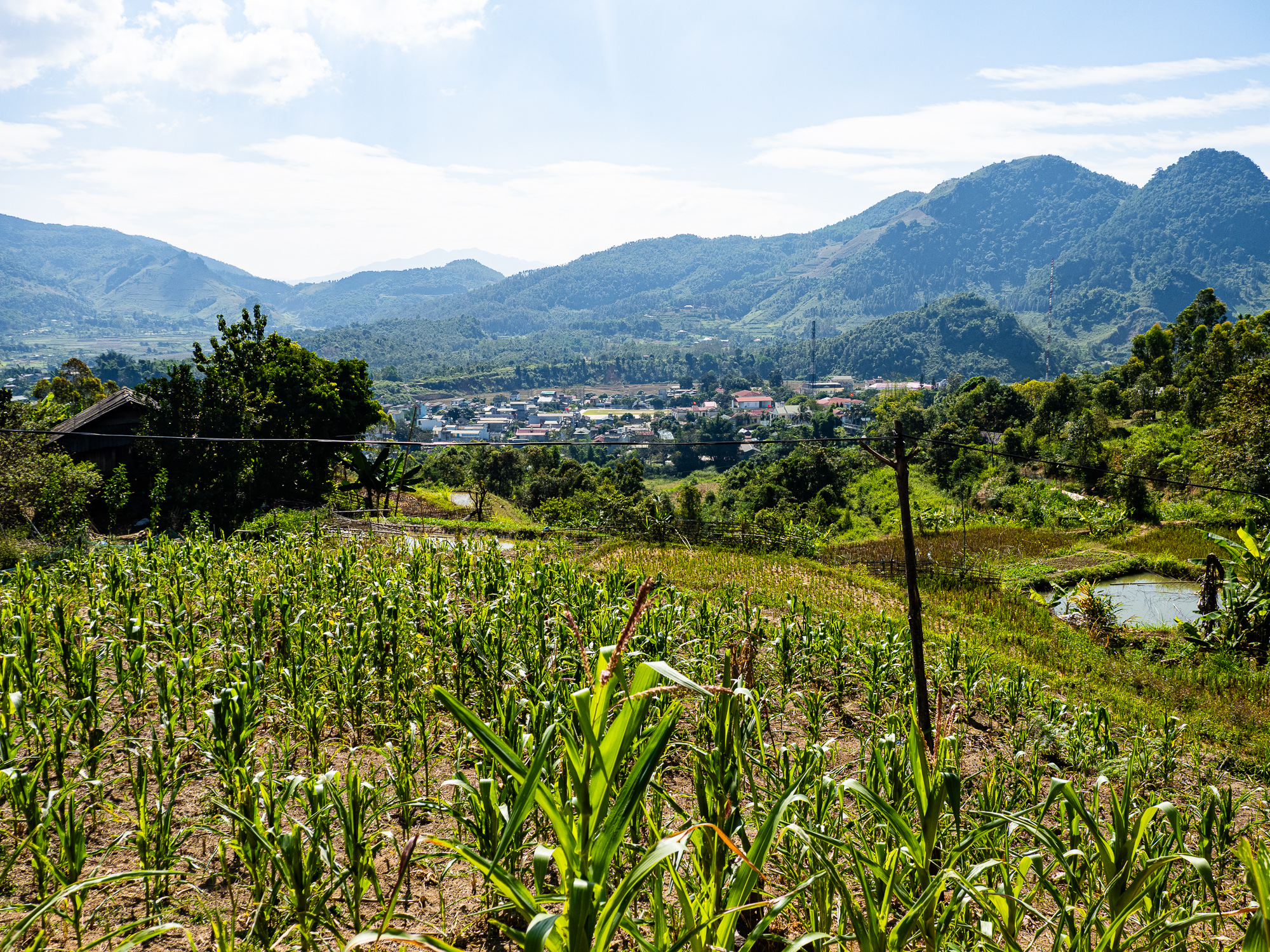

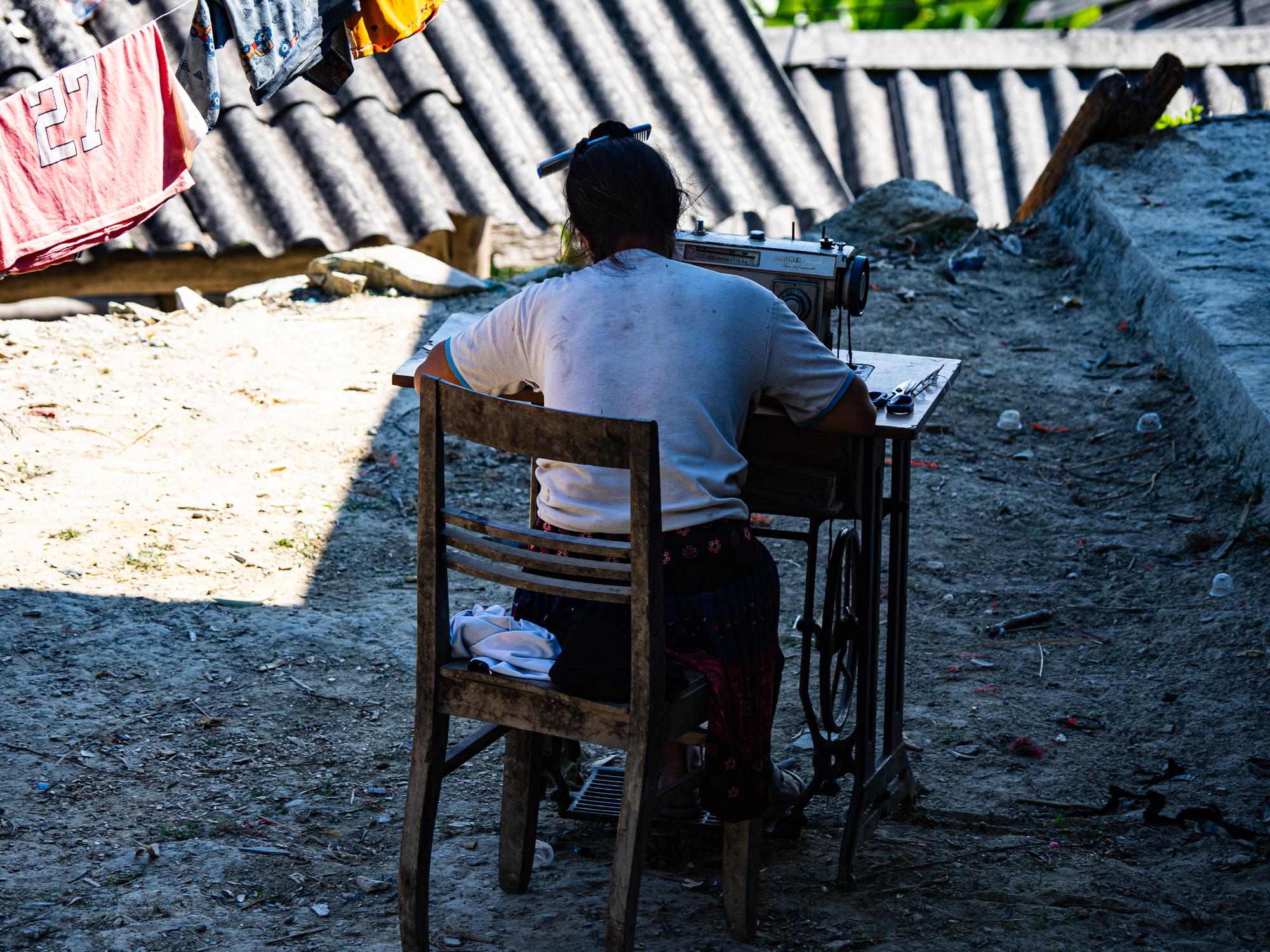
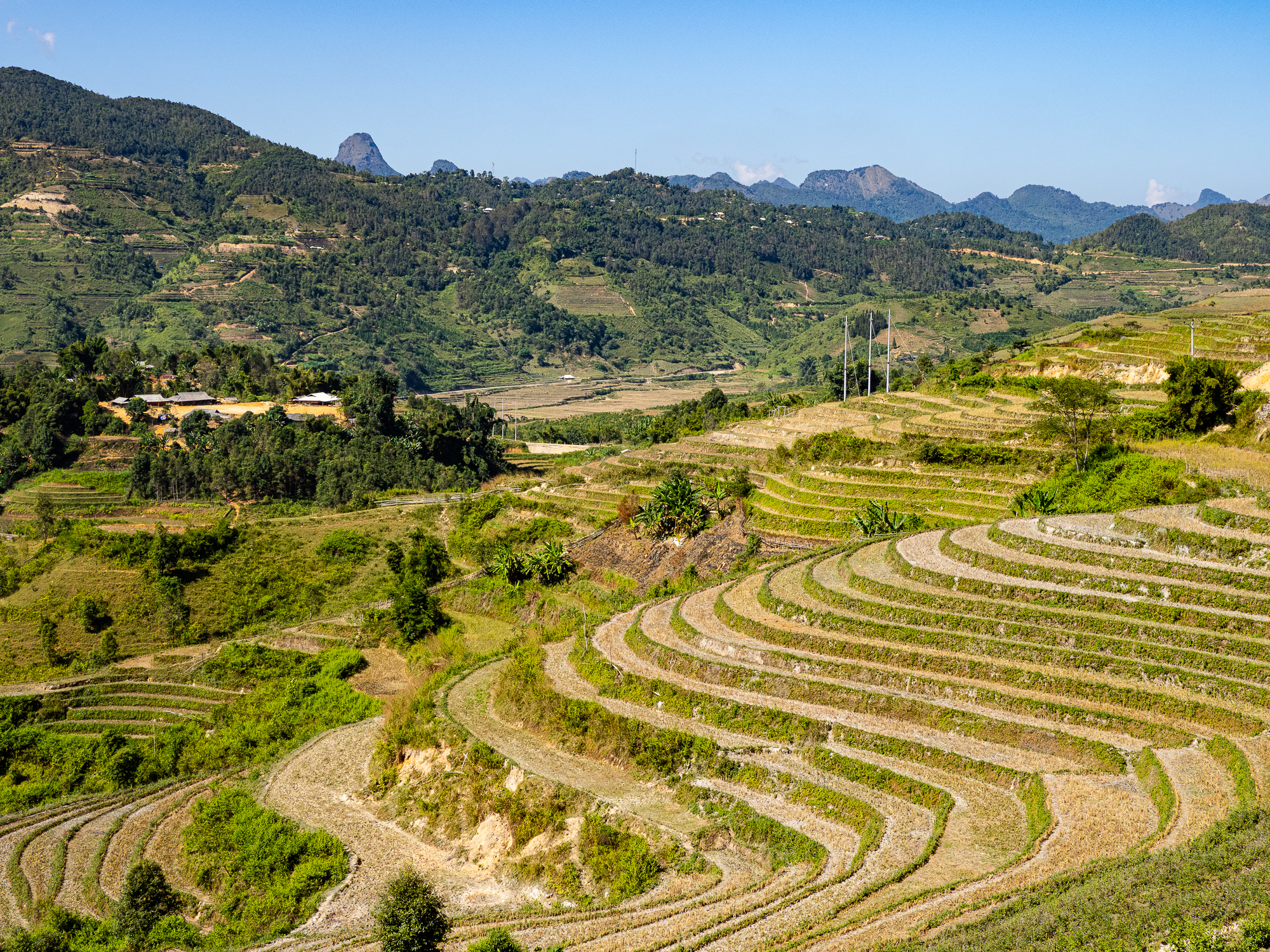
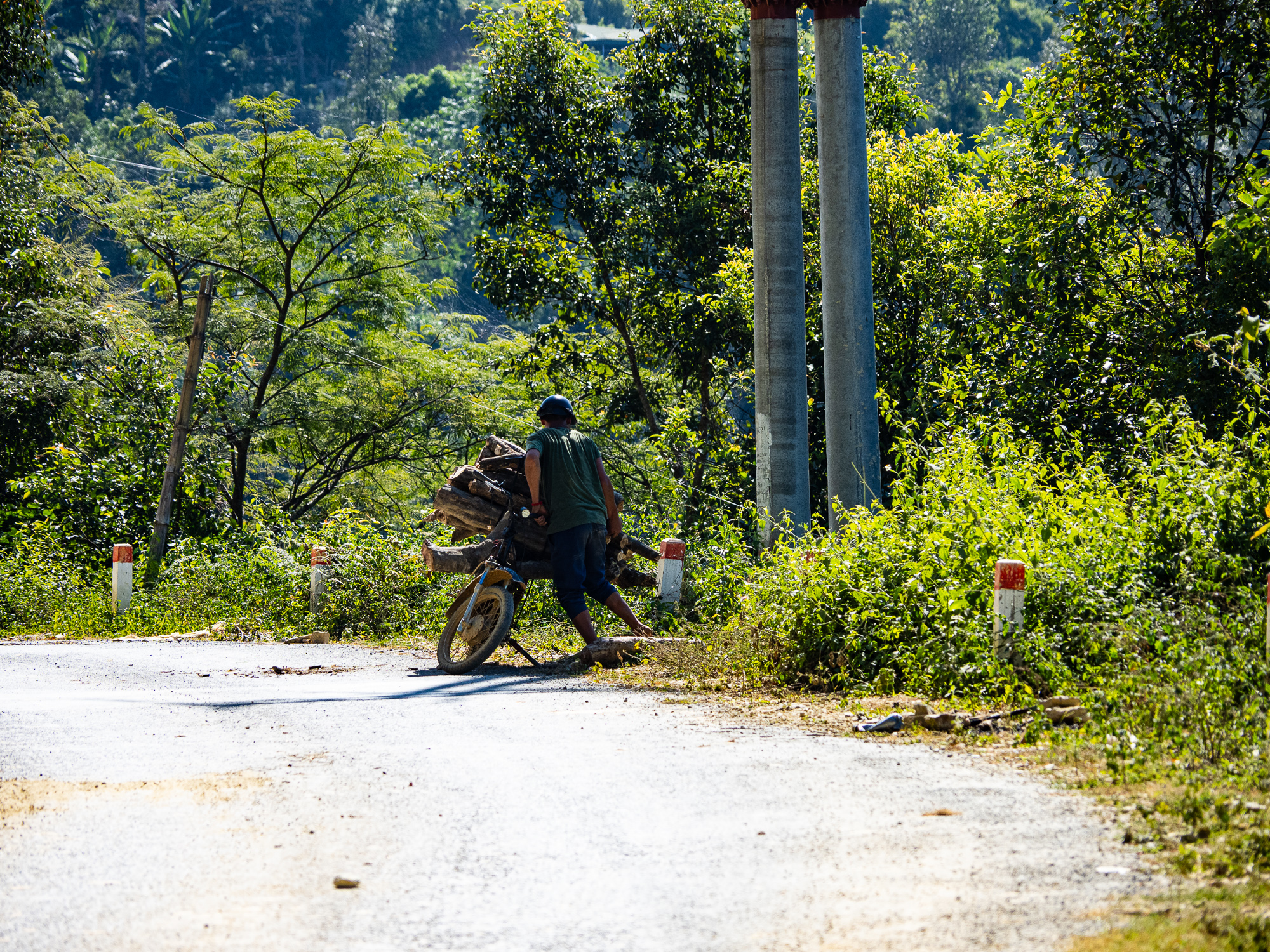
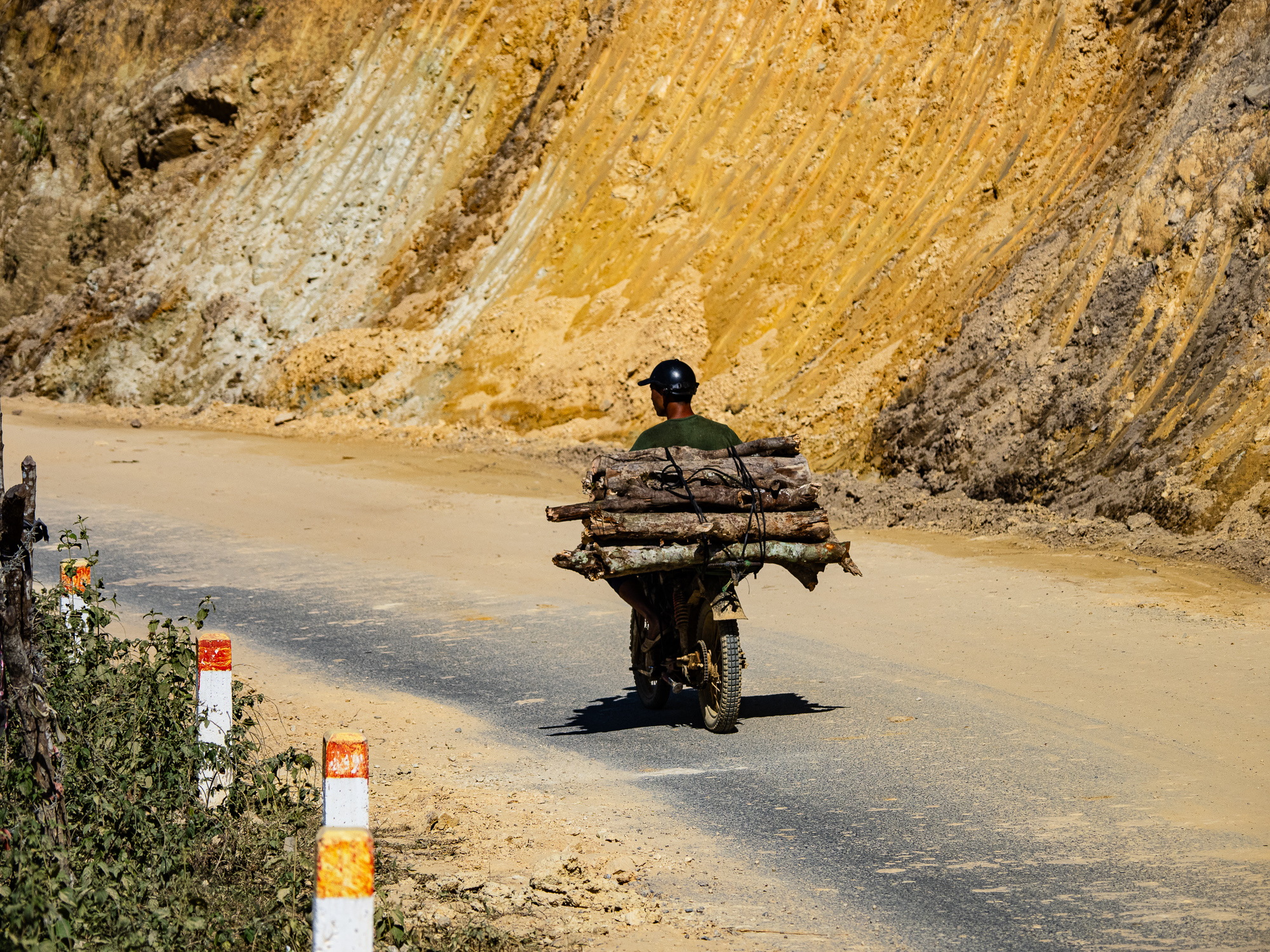
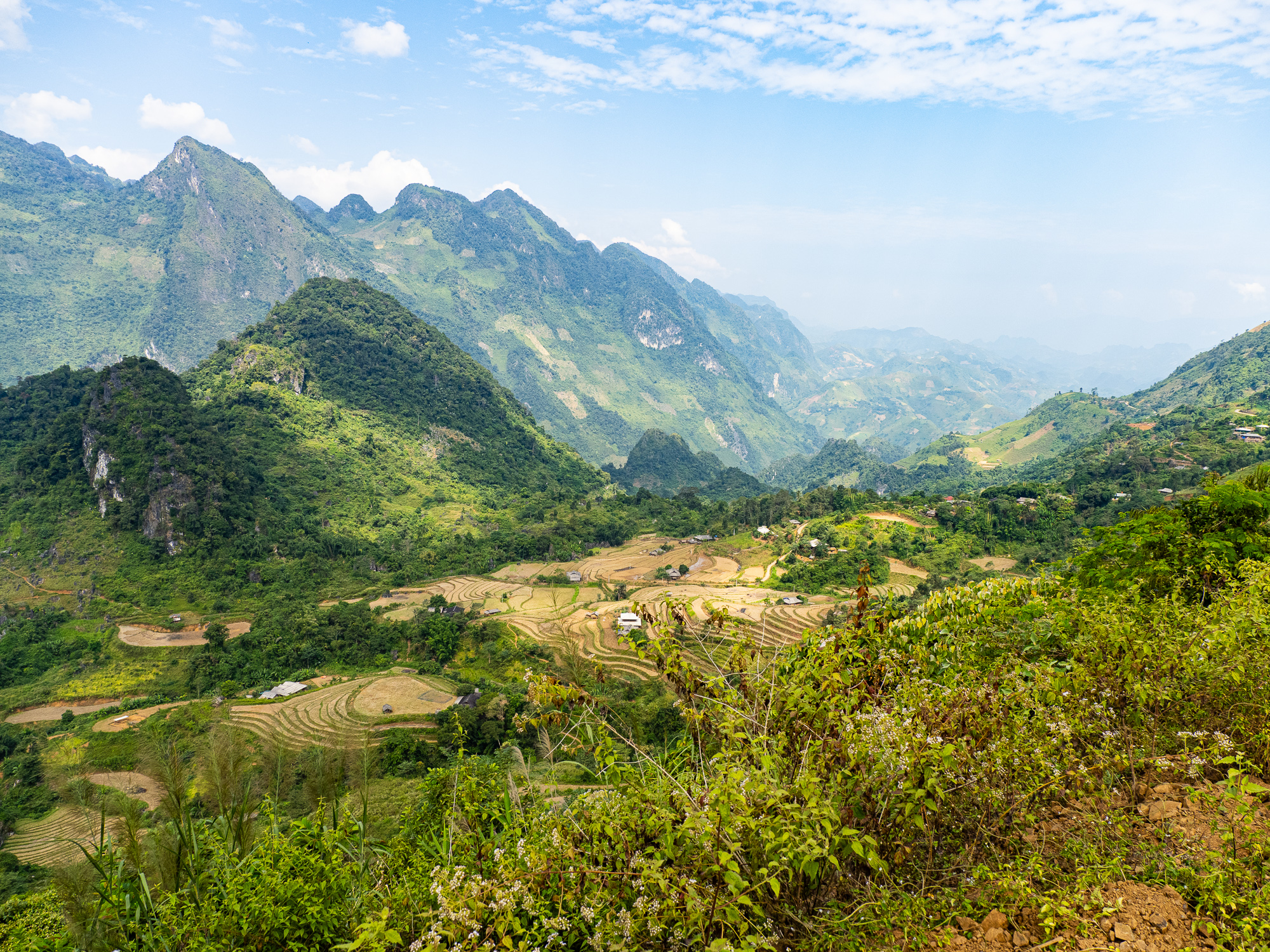
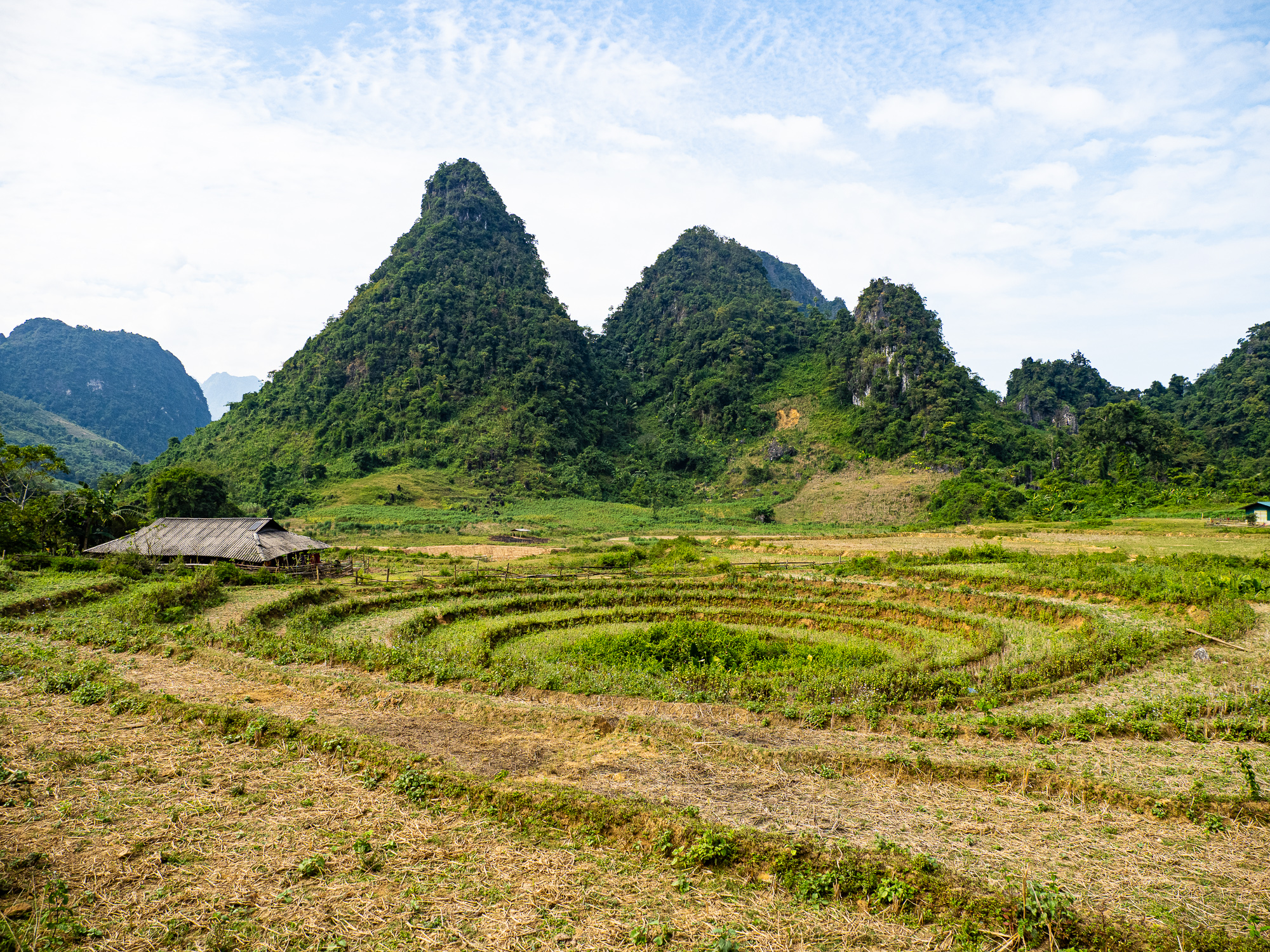
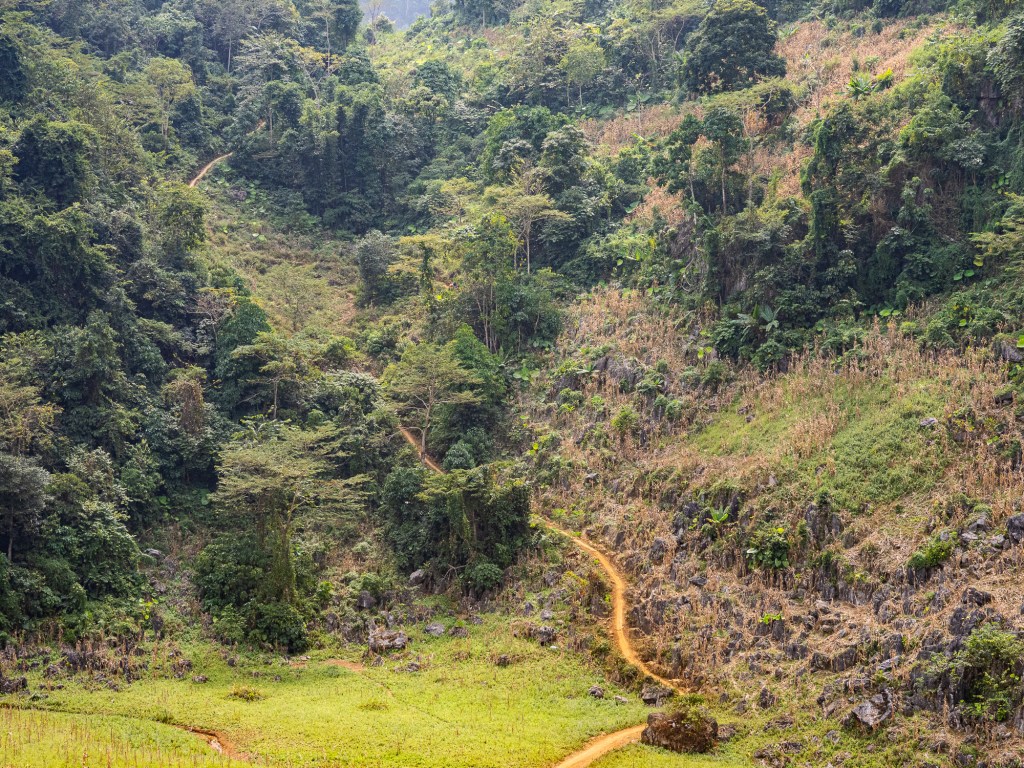
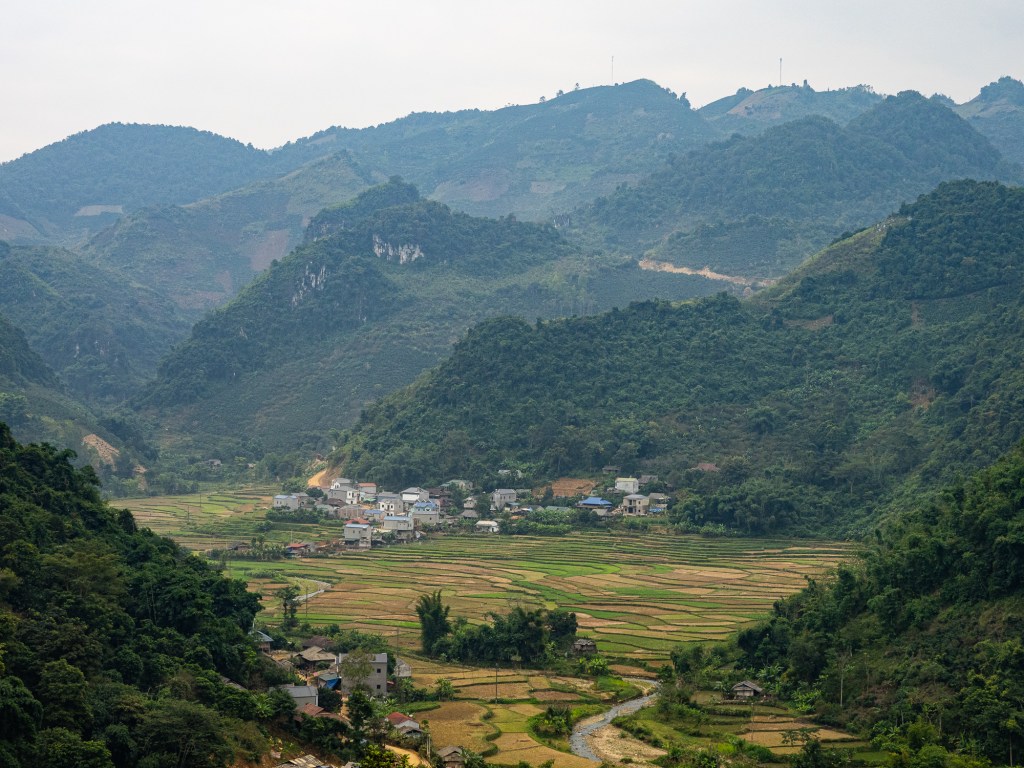
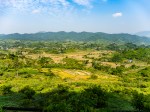
The next stretch was stunning as I climbed and descended a winding road above a wide valley shaped by rice patties. I couldn’t not stop and take hundreds of photos along the way. This was more beautiful than I dreamed. As I approached Ta Phin, the terraces gave way to a sprawling karst forest that surrounded the village. It seemed an unlikely candidate for farming, but the remnants of that years corn crop abounded. I later enjoyed a pleasant walk through the stone outcrops at sunset.


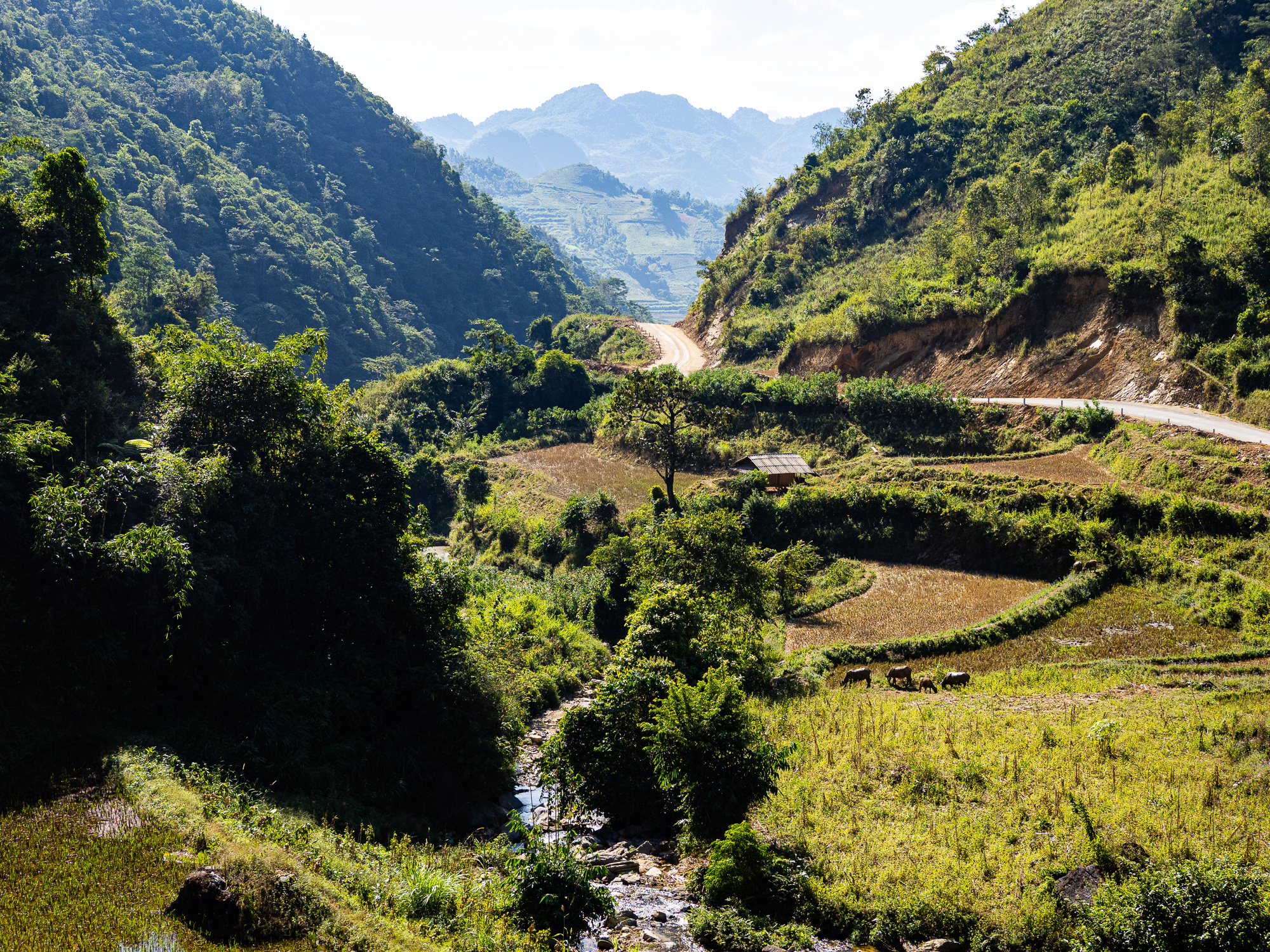

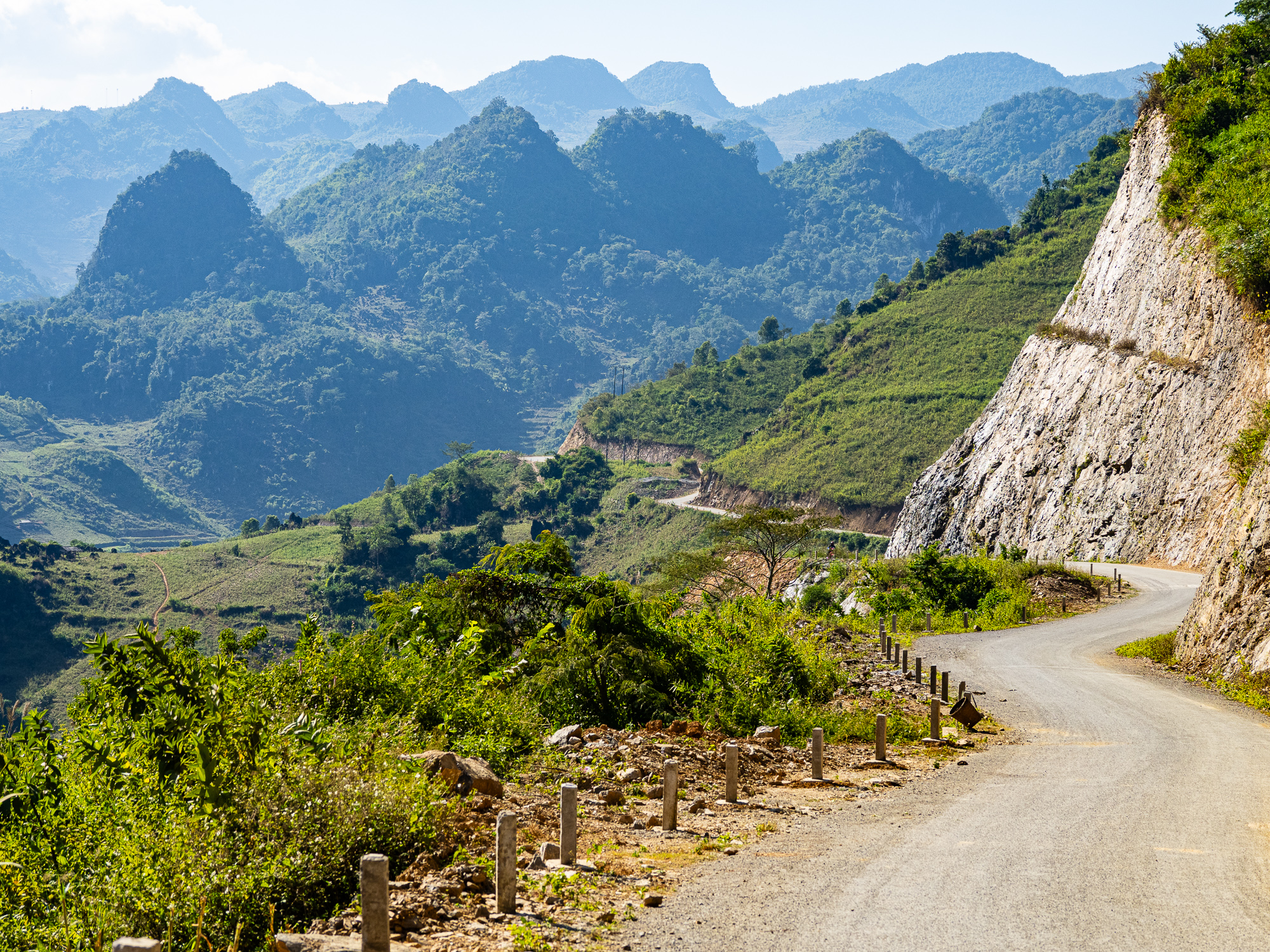
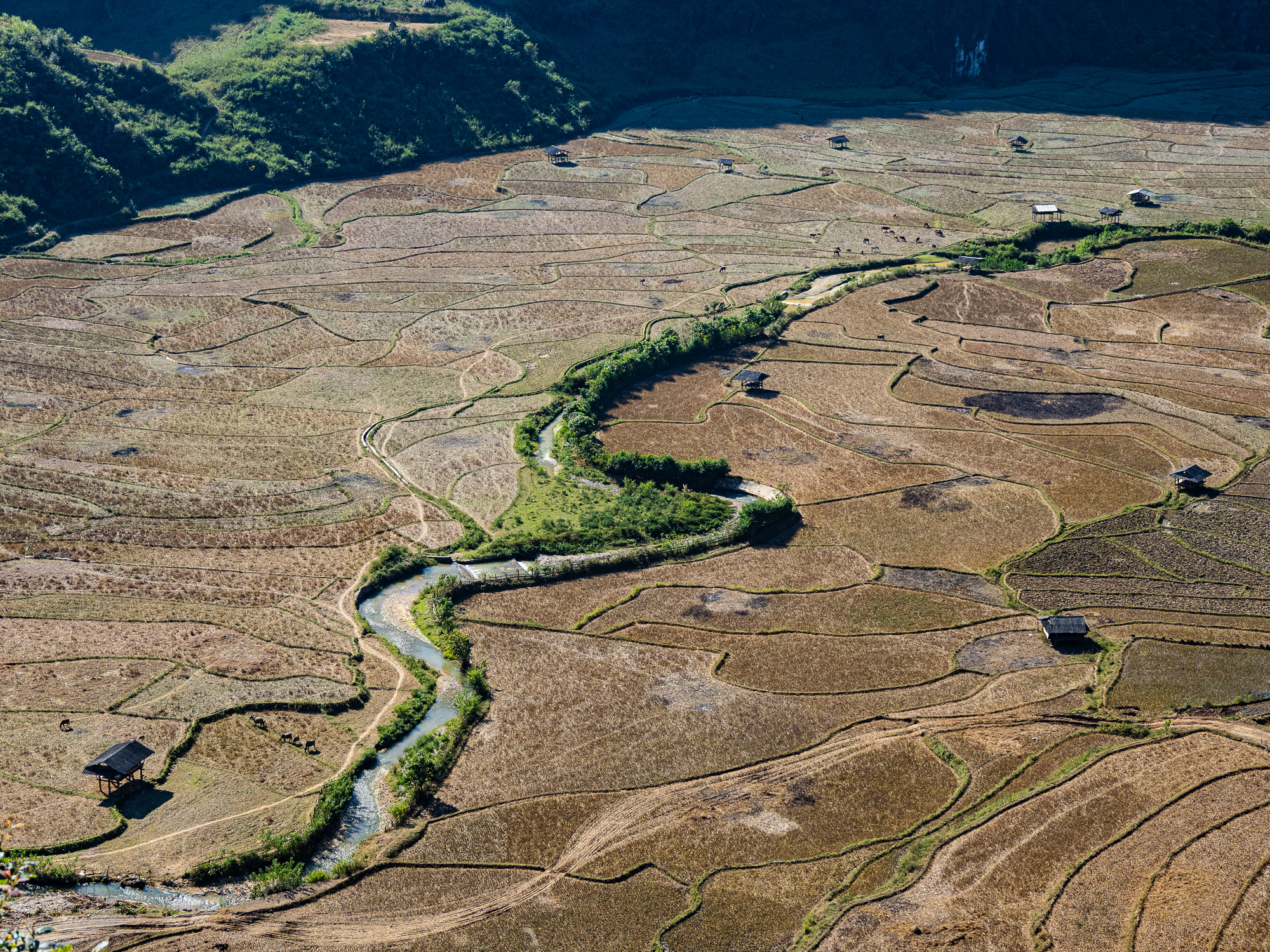


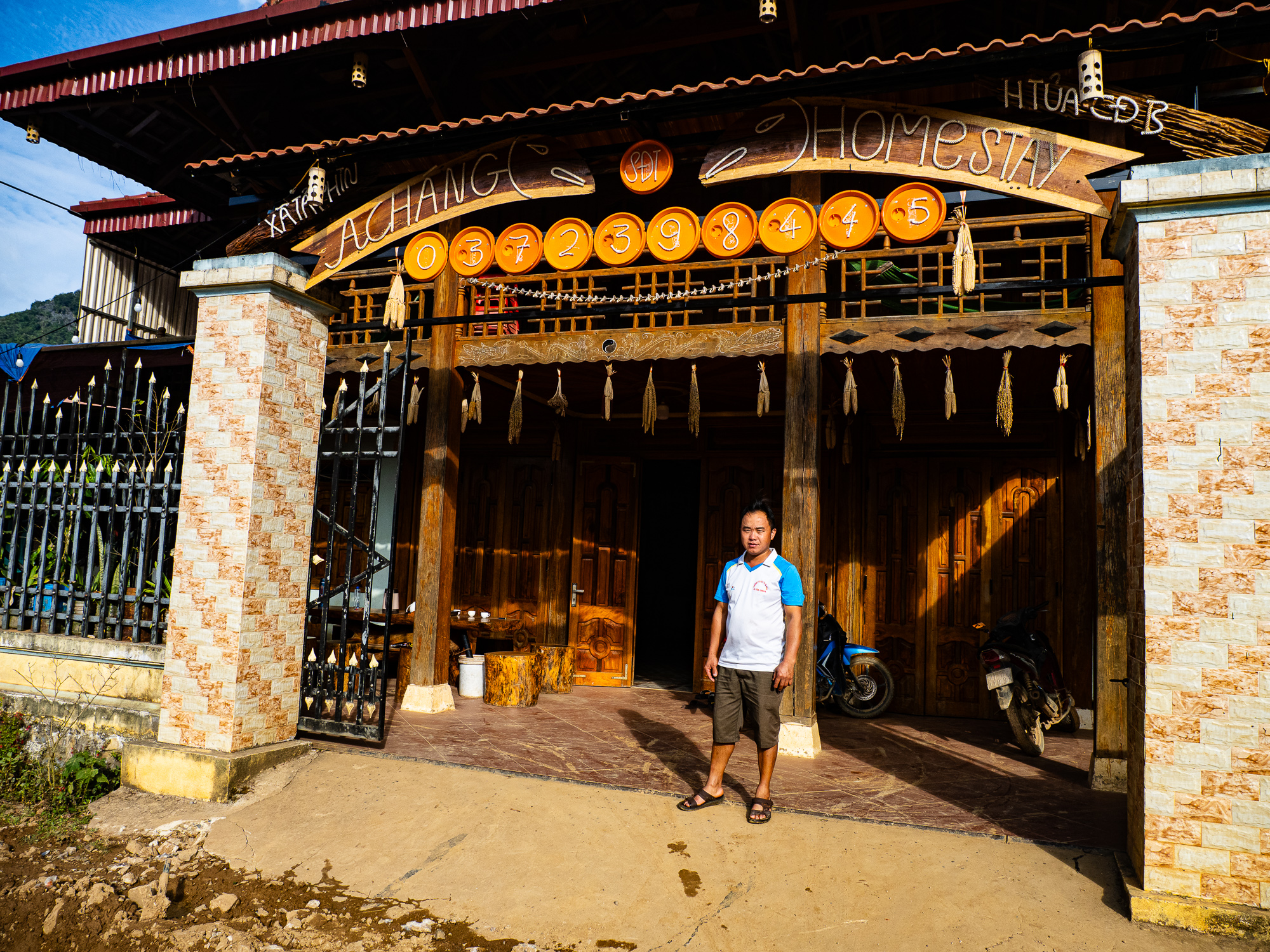
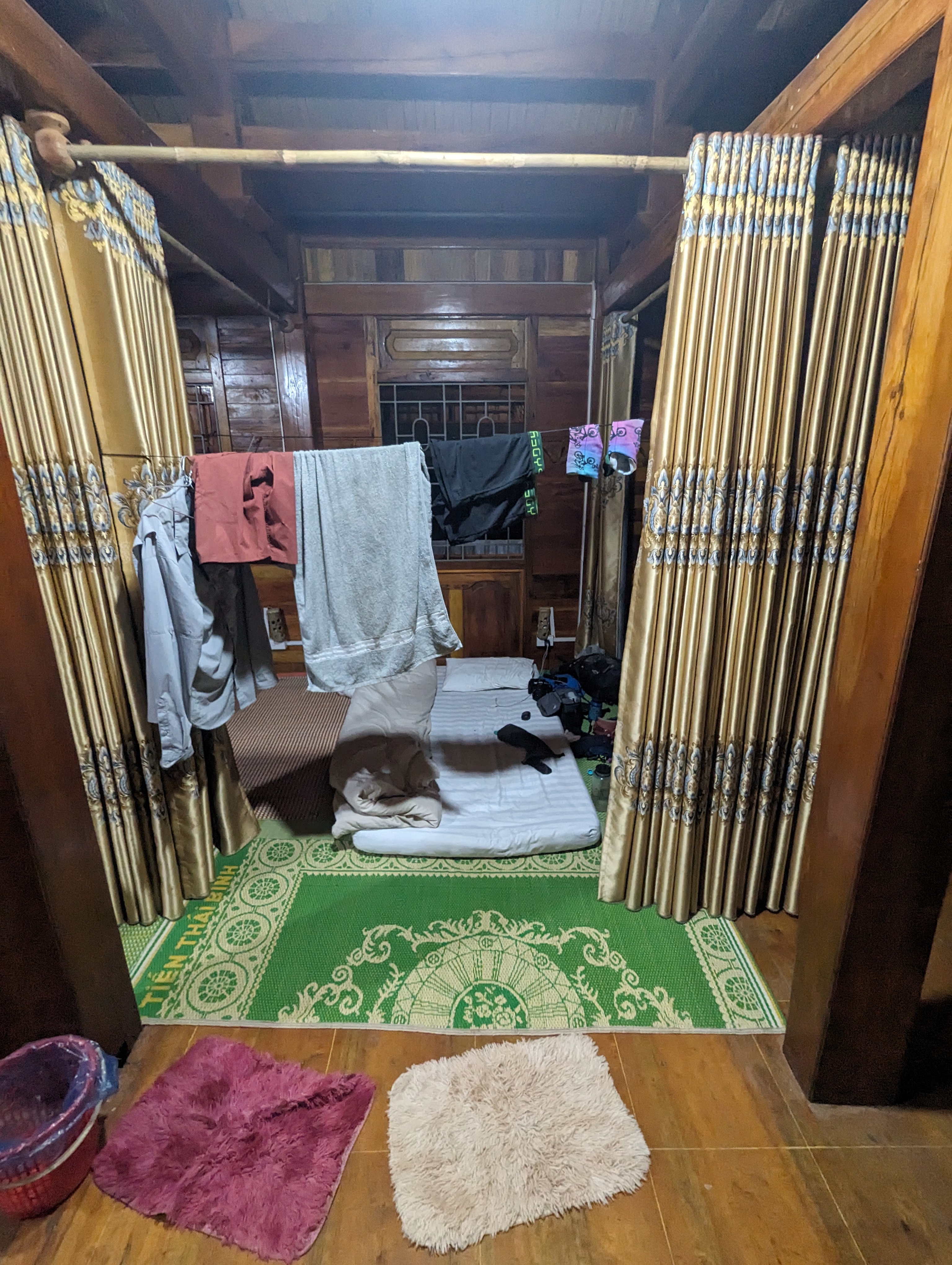
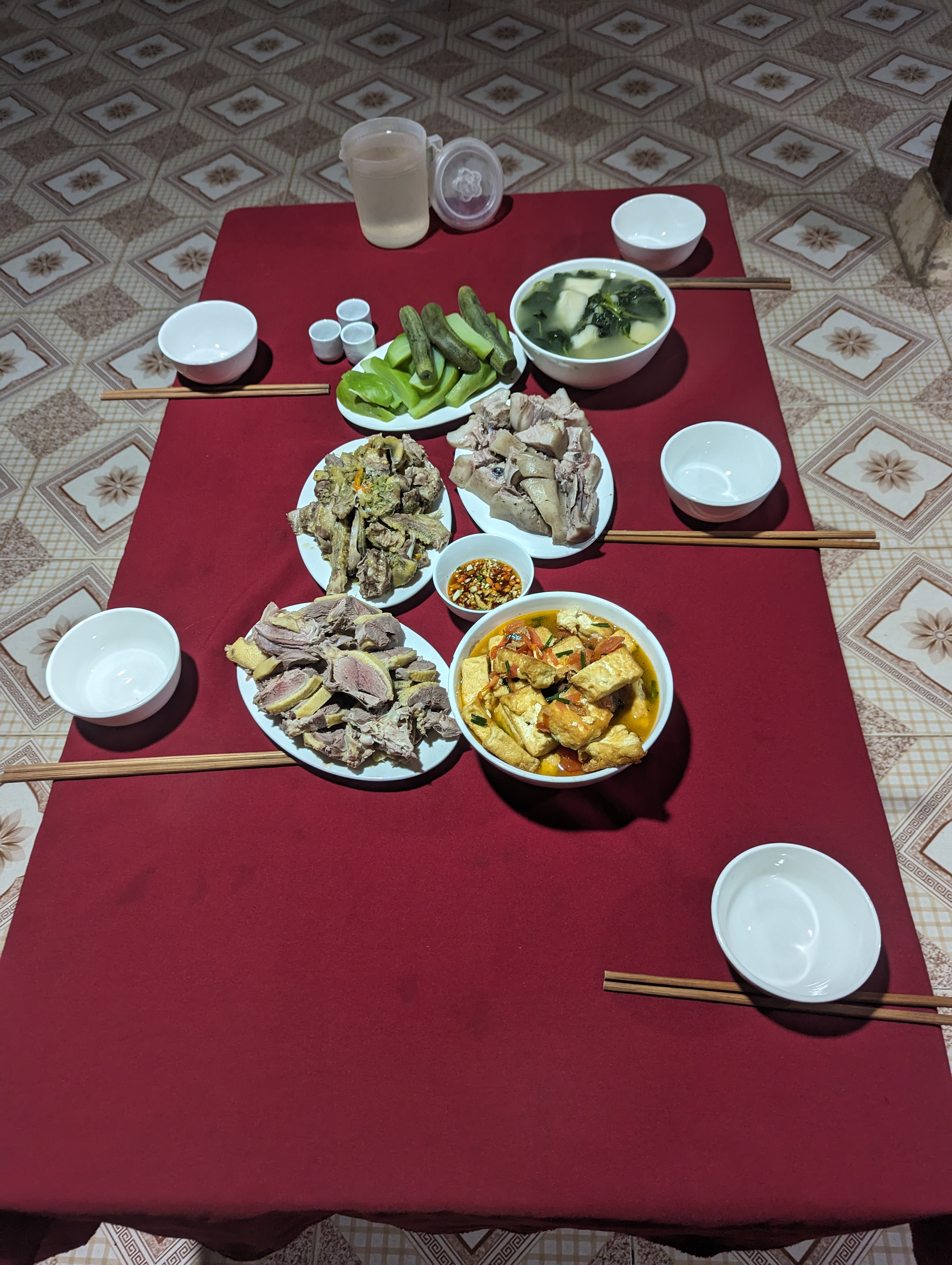
They were pretty surprised to see me at Chang Mua Homestay. I showed up unannounced, but still received a warm greeting. I was their only guest and had the entire place to myself. That didn’t stop them from preparing a complete meal, with multiple dishes to choose from, including beef, chicken, pork, several vegetables, soup, rice, and a blood stew. I enjoyed many shots of rice wine, until I had to turn them down. I met most of the family and one of the local schoolteachers. We conversed with Google Translate, which worked pretty well. I enjoyed a warm shower and decent bed, all for less than $15 Canadian. I was told I was the first ever cyclist to stay there.


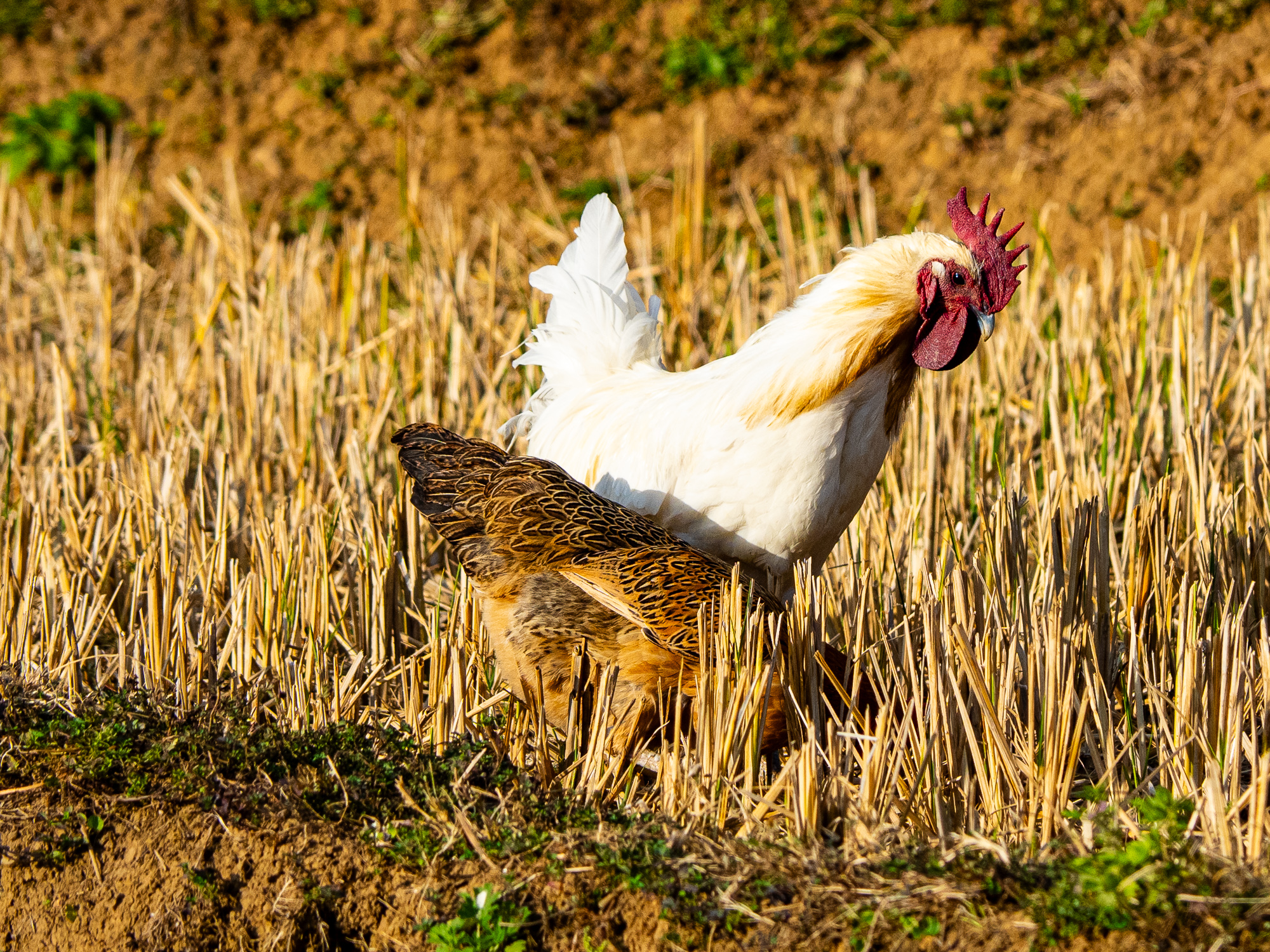


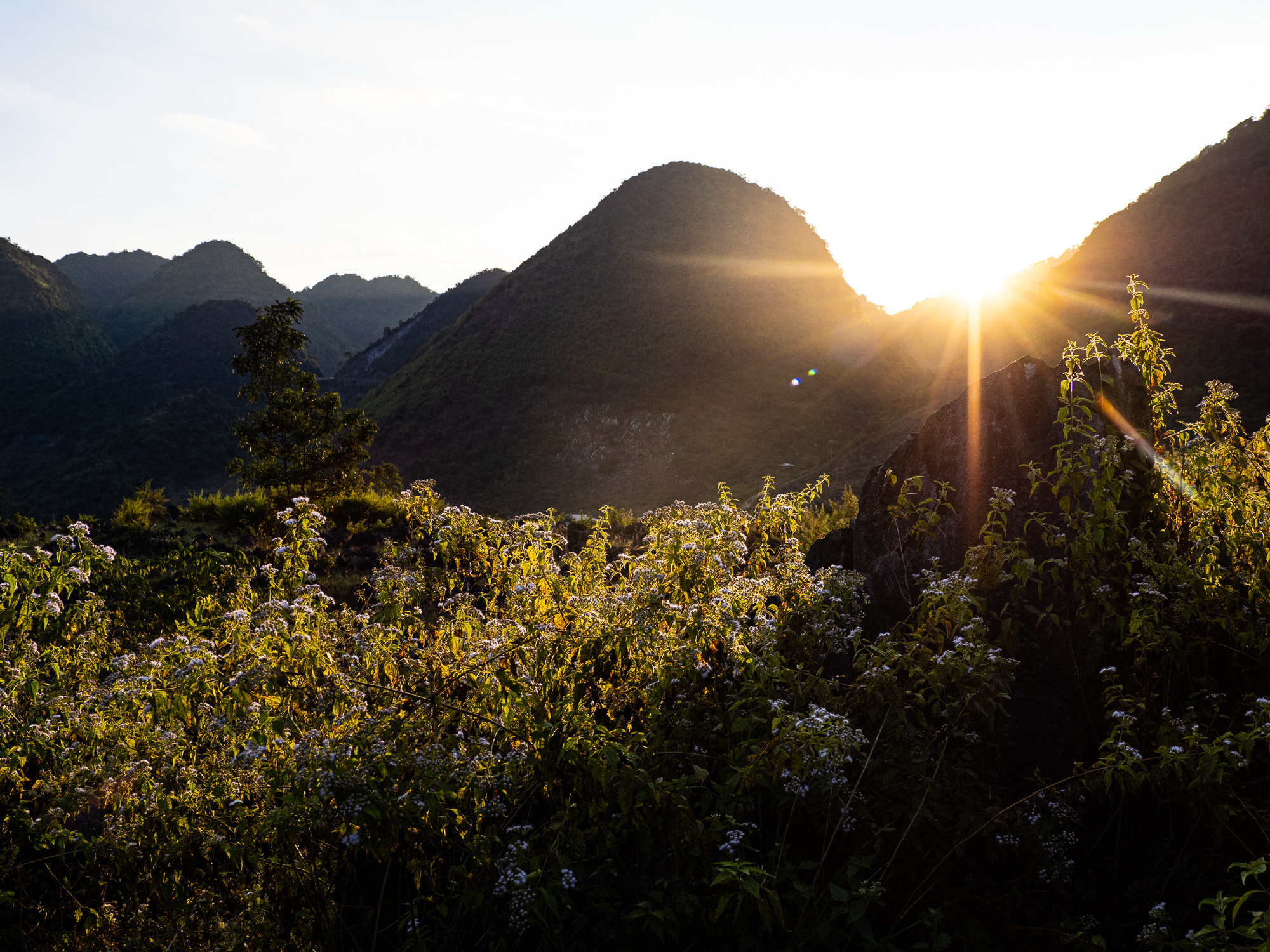


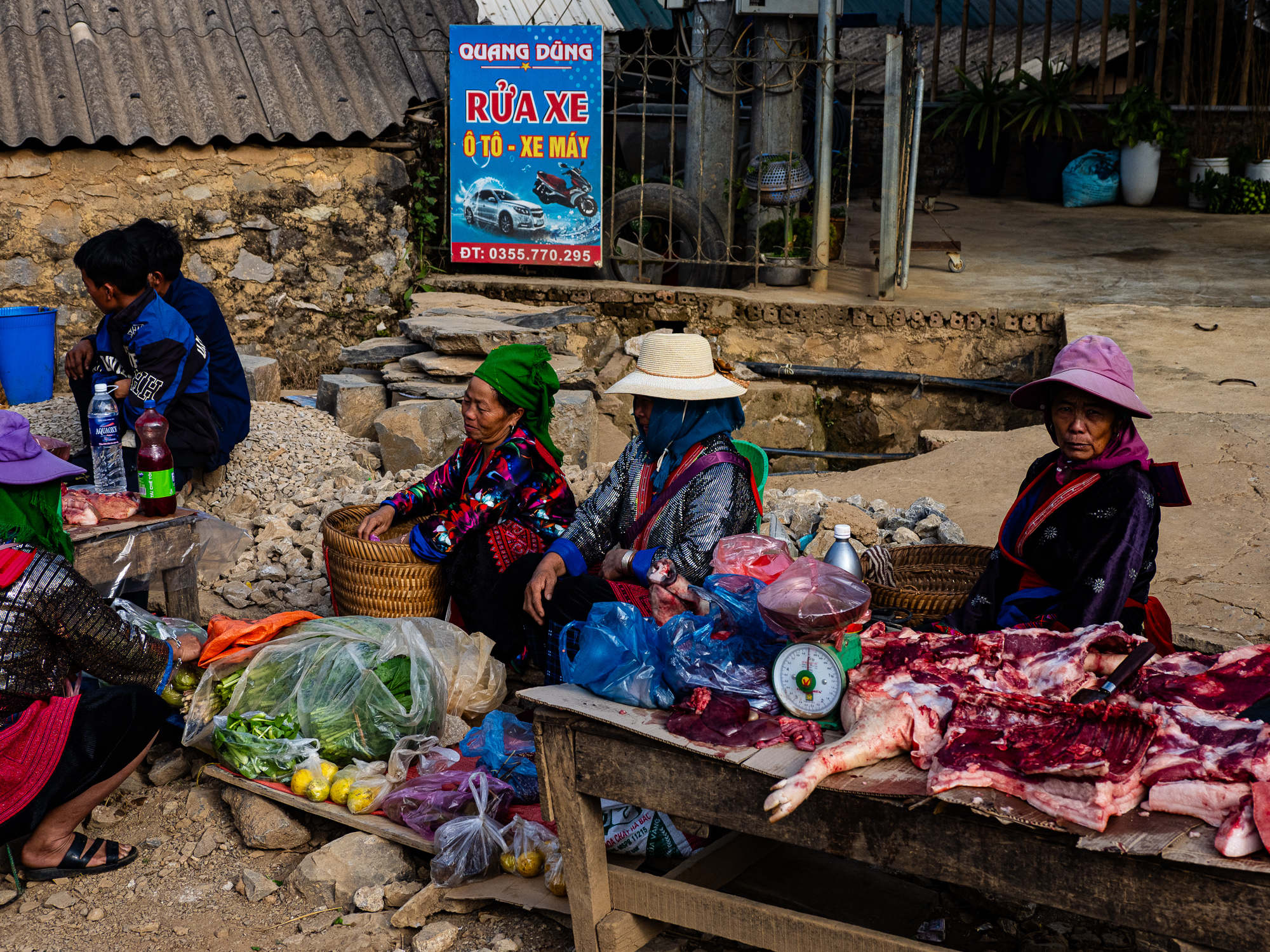
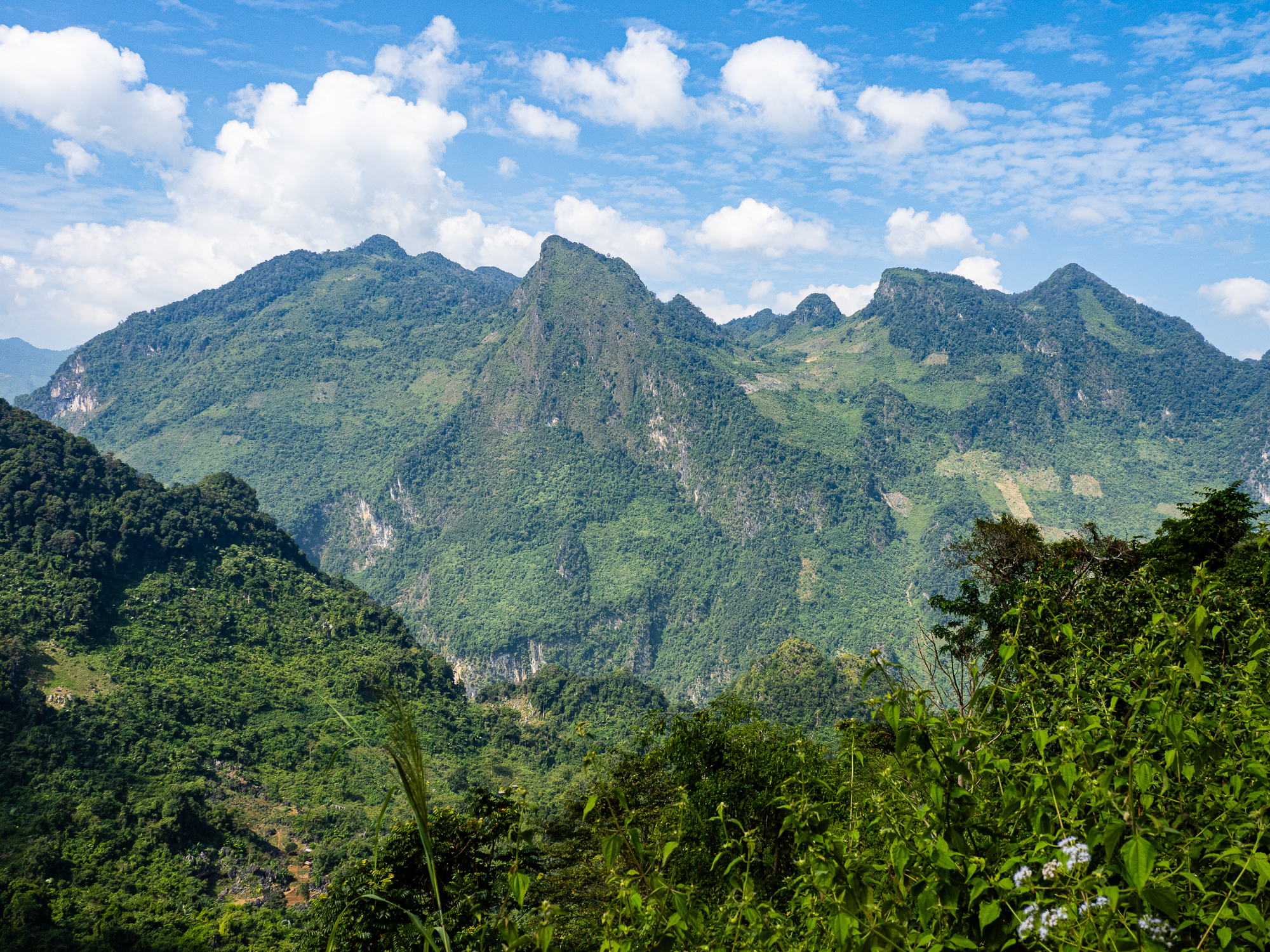
The next day, I was taken for breakfast at the local restaurant—I assume this places feeds a good chunk of the town each morning. I had a moderate day planned—about 50 km, most of which would be downhill. My destination was a homestay next to the bridge I wanted to see. I pedaled north along the plateau, climbing and descending through the rocky landscape. This part of the province was noticeably less abundant as apparently water is a major issue here, so farming is a major challenge. I passed through a few isolated villages, but for the most part had the road to myself. I found the peace I’d been looking for in Vietnam.



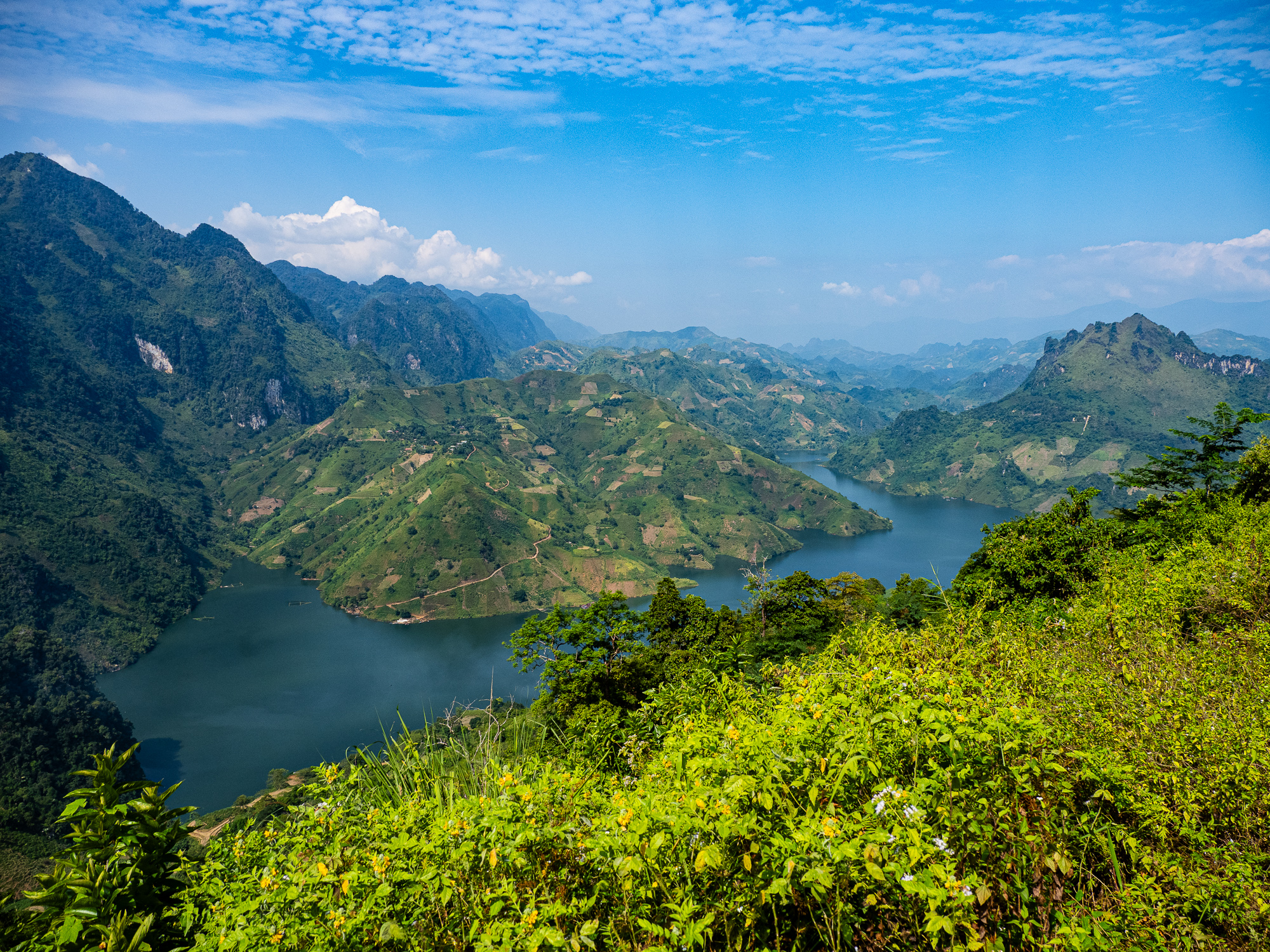
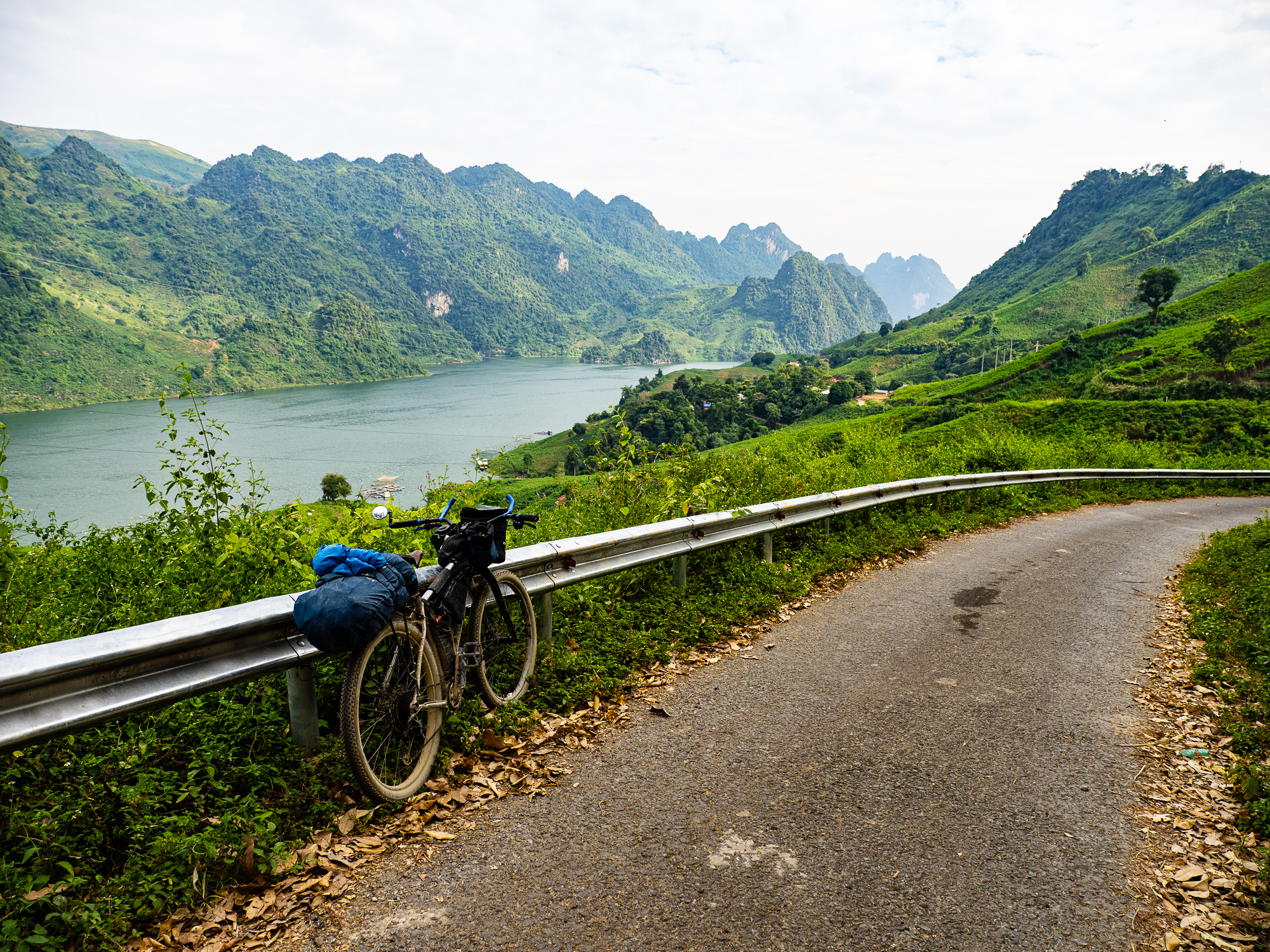
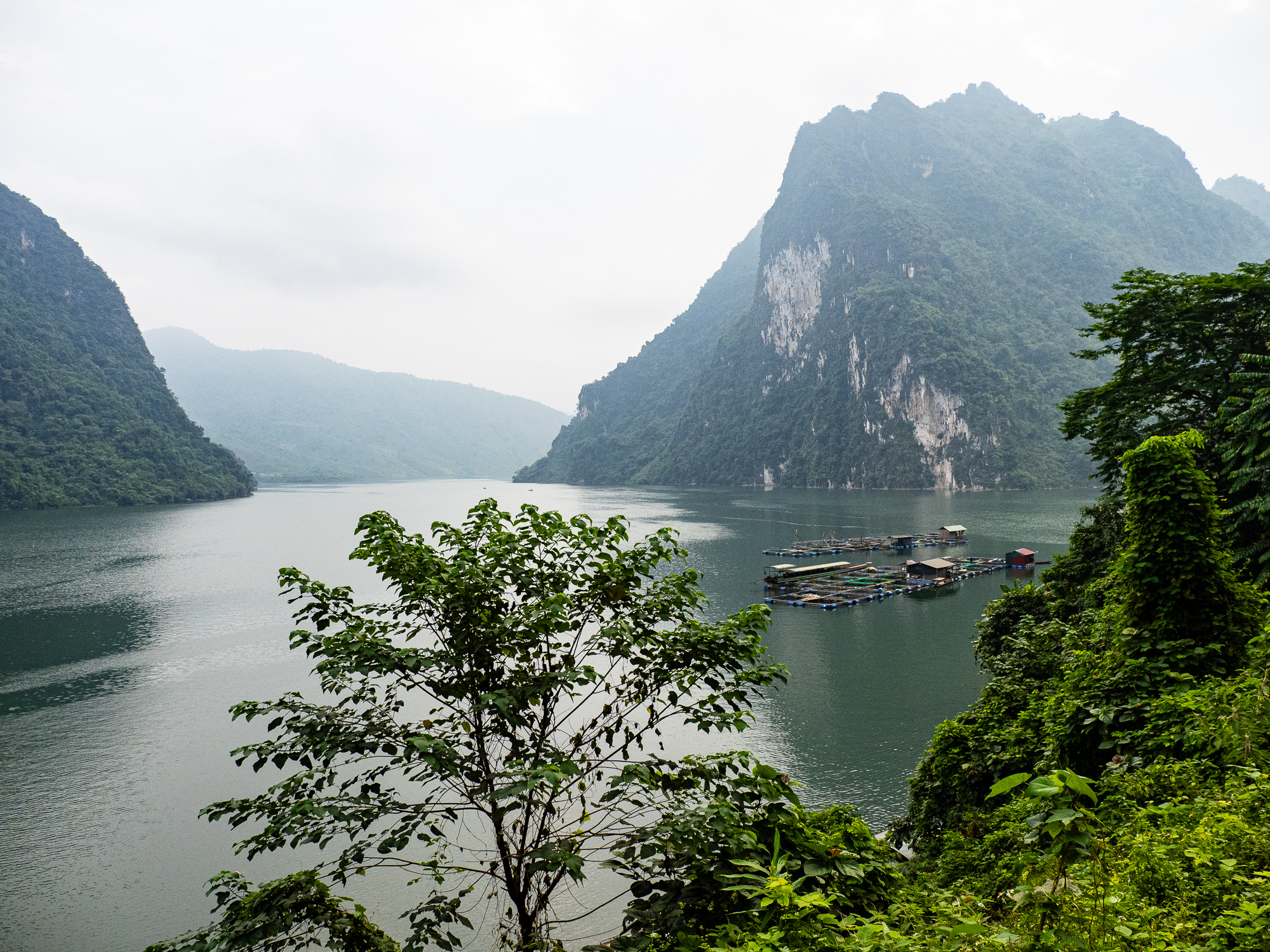
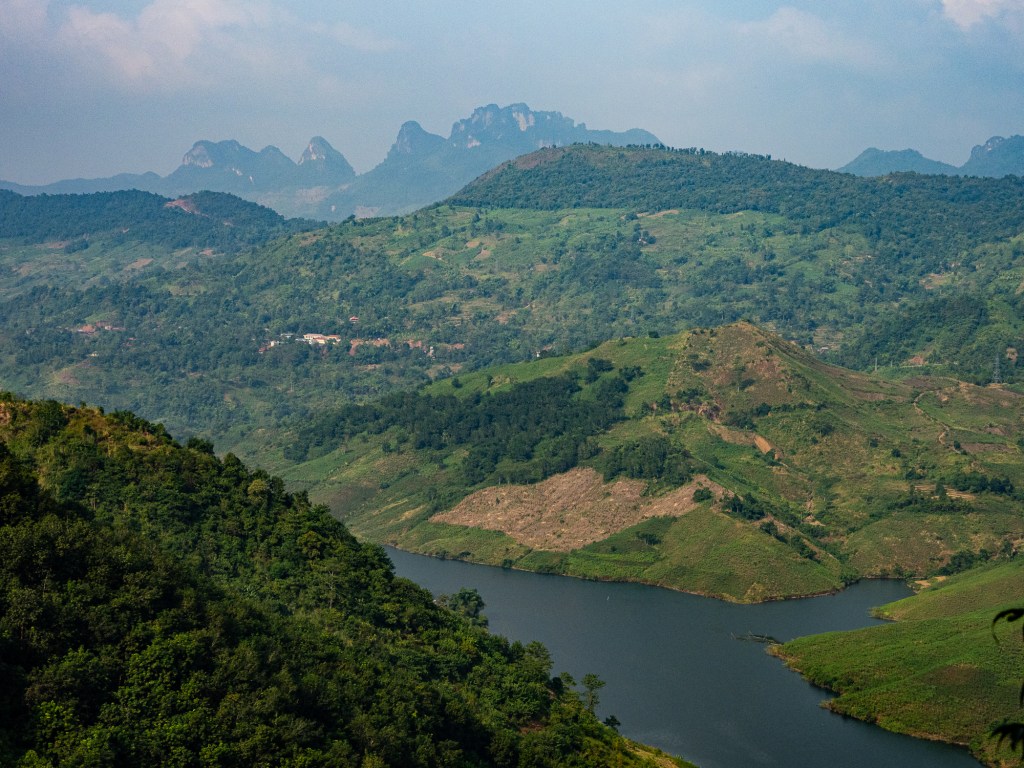
The road took me high above the Da Reservoir, affording me incredible views of the sprawling flooded valley and peaks beyond. A few days ago, I had descended from those mountains on my ride out of Sin Ho. The 800m descent plummeted away, only interrupted by a closure for some road construction. Partway down, I stopped to call in to my work board meeting, and sat along the road listening in while I enjoyed the panoramic vistas around me. It is without doubt the most scenic place I’ve ever taken a meeting.


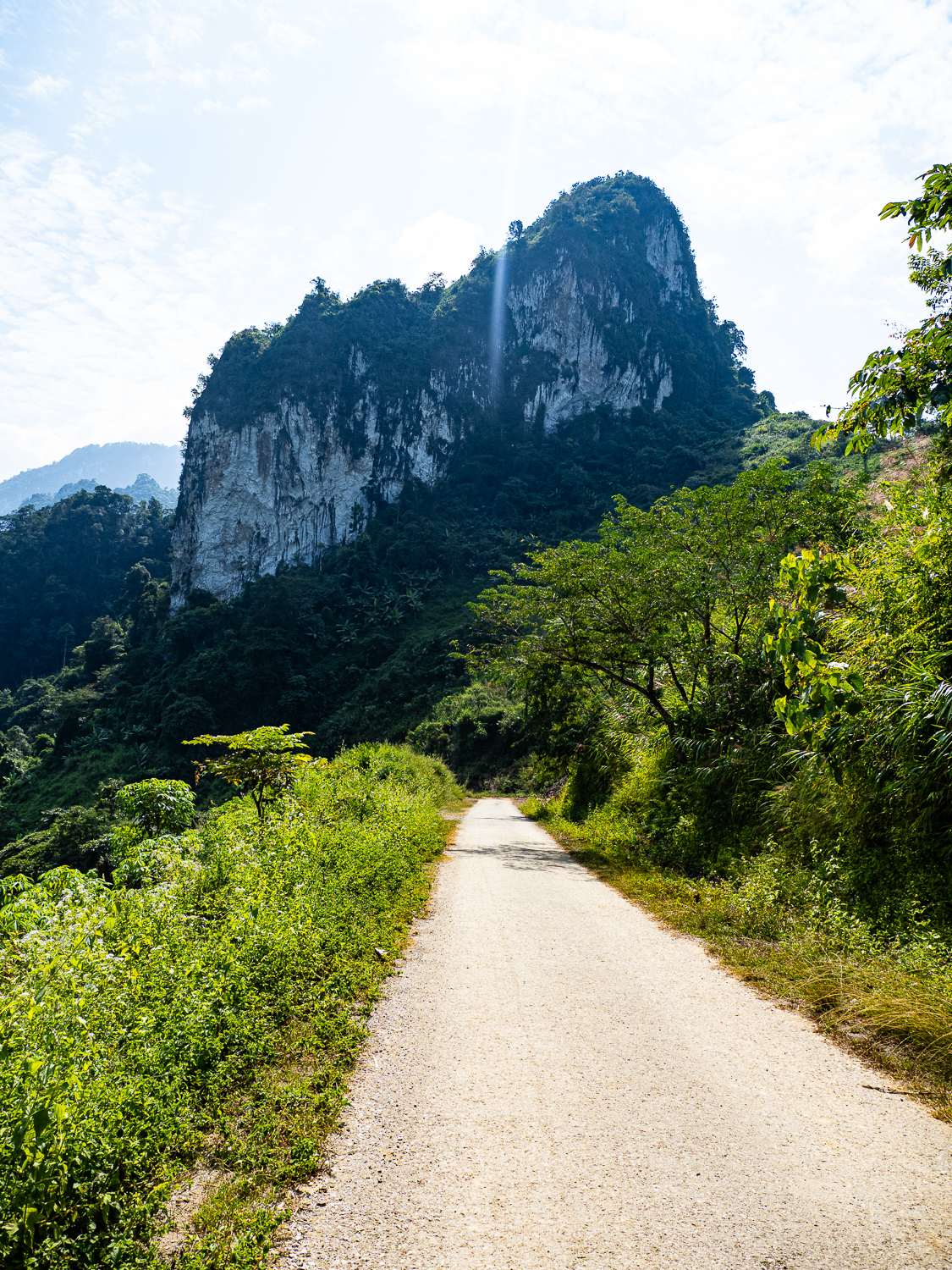
Eventually I hit bottom, still a few hundred metres above the reservoir. The road turned inland, climbing and descending through a series of valleys before emerging on a steep slope above the reservoir. As I approached the bridge, I found myself being chased by a group of kids on their way to a nice little bridge jumping session.


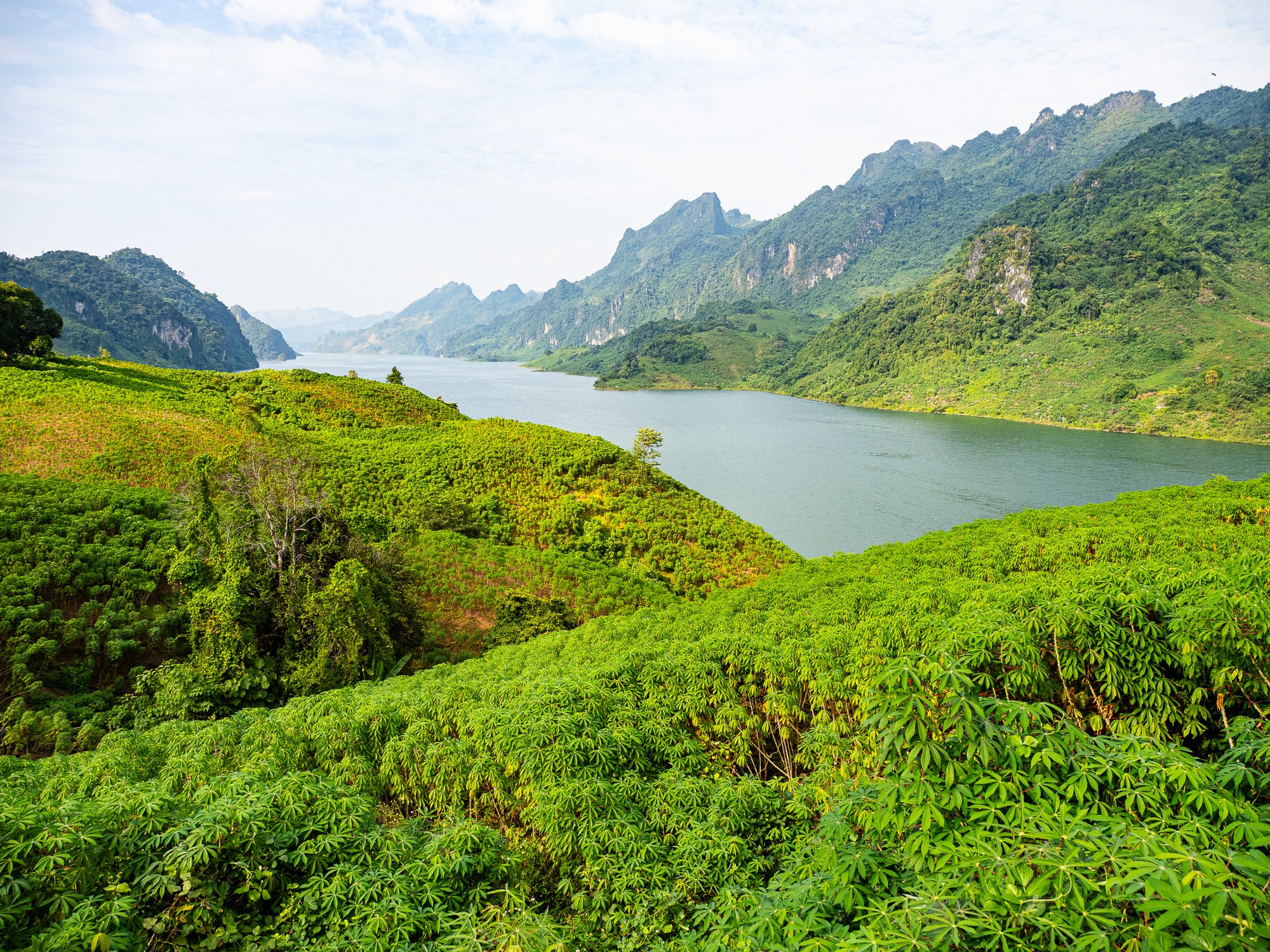
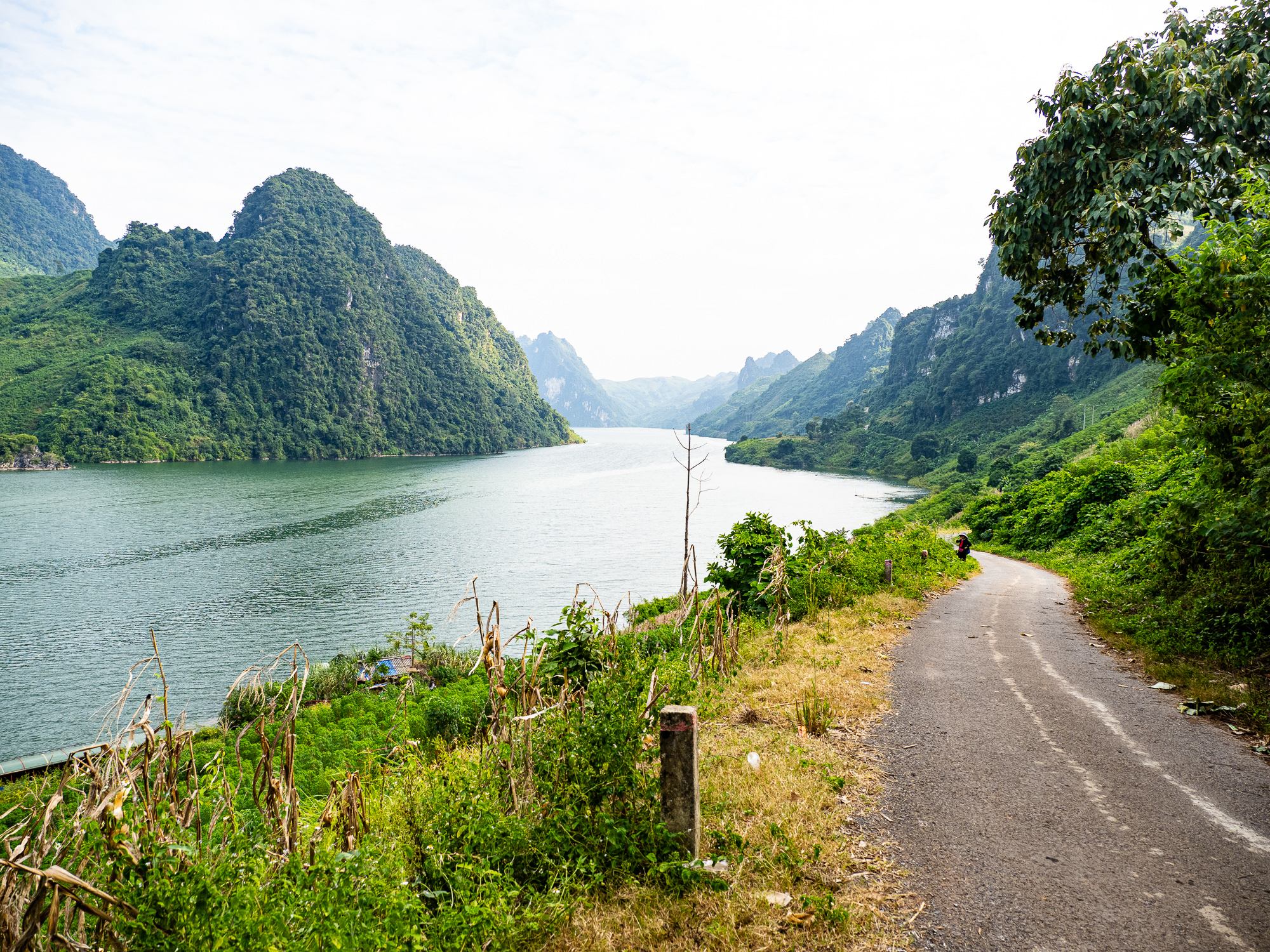
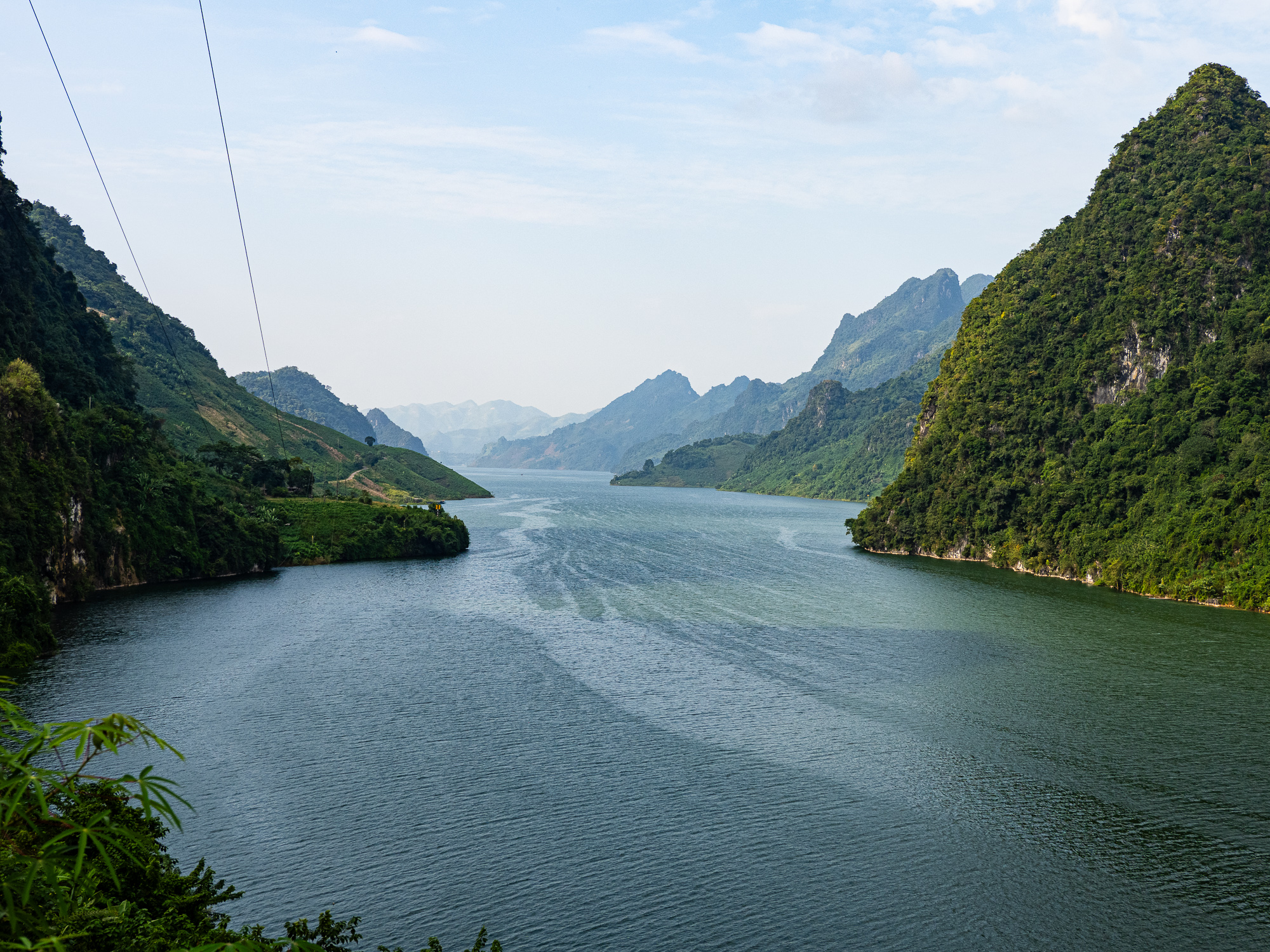


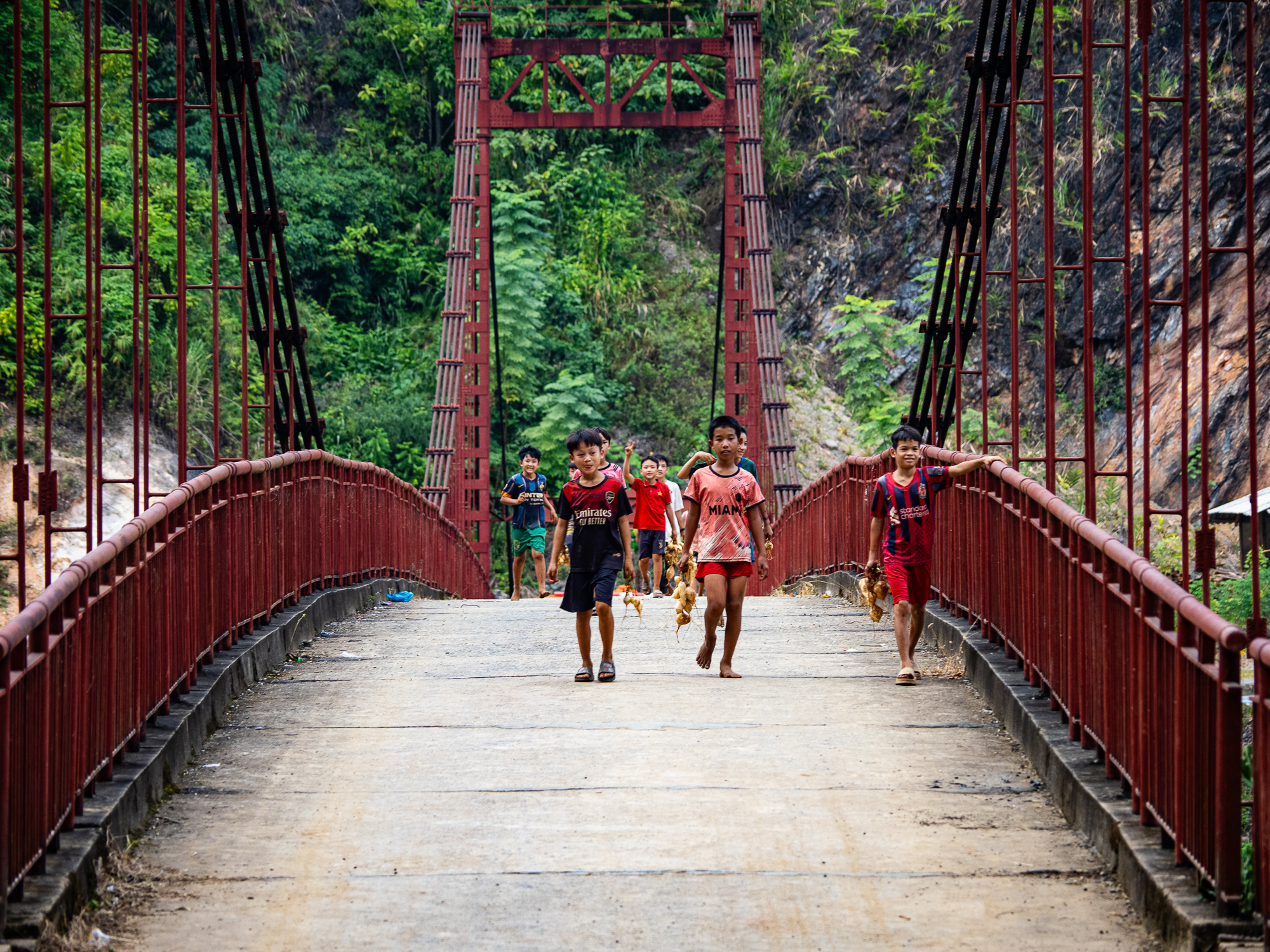

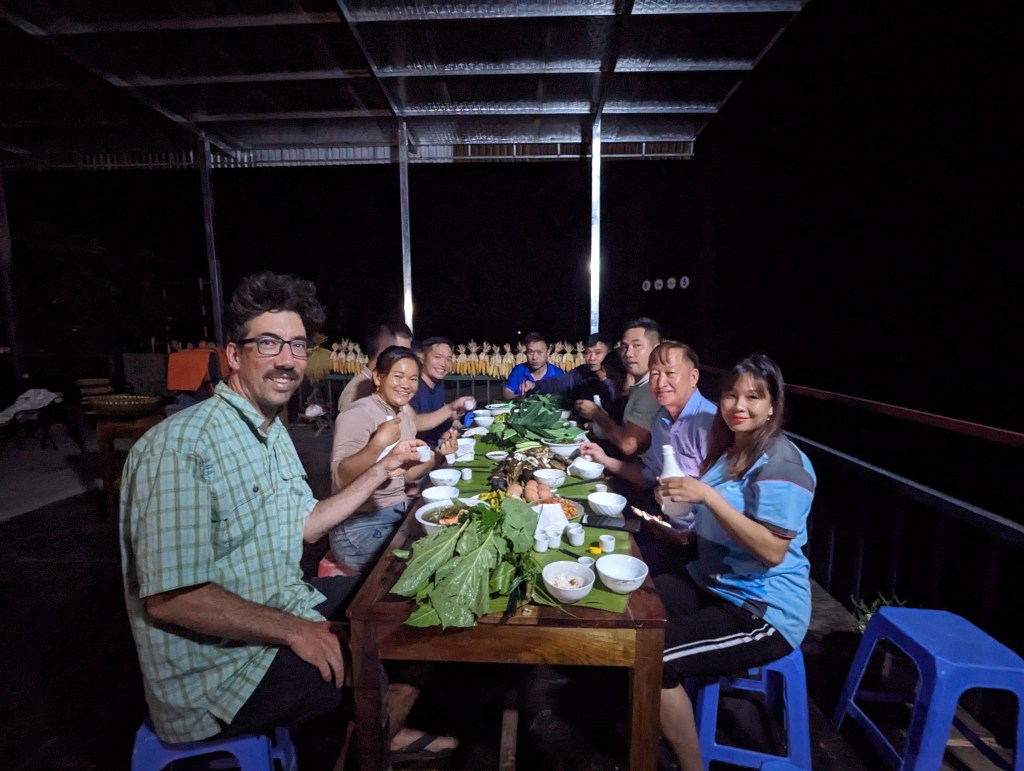
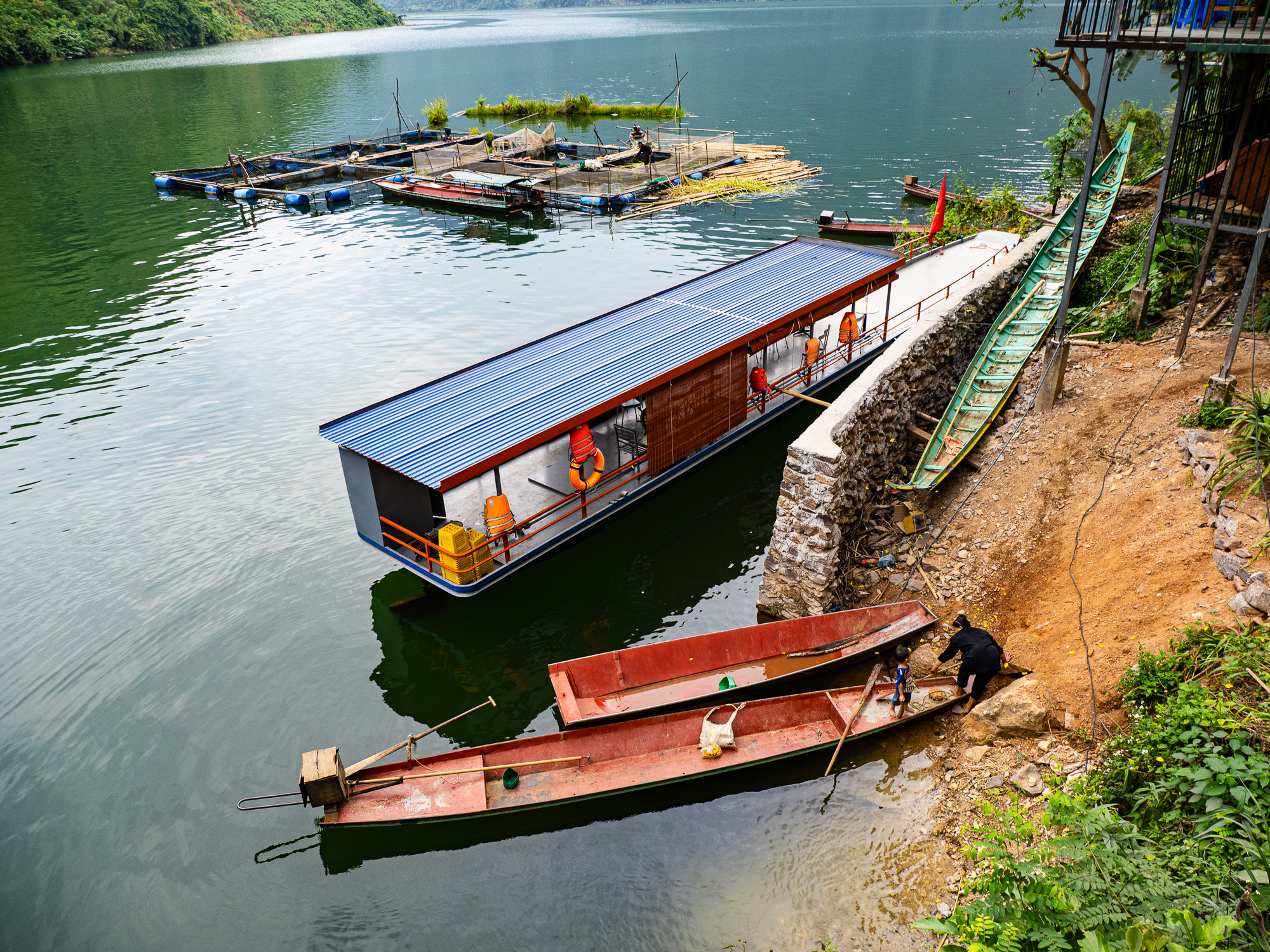
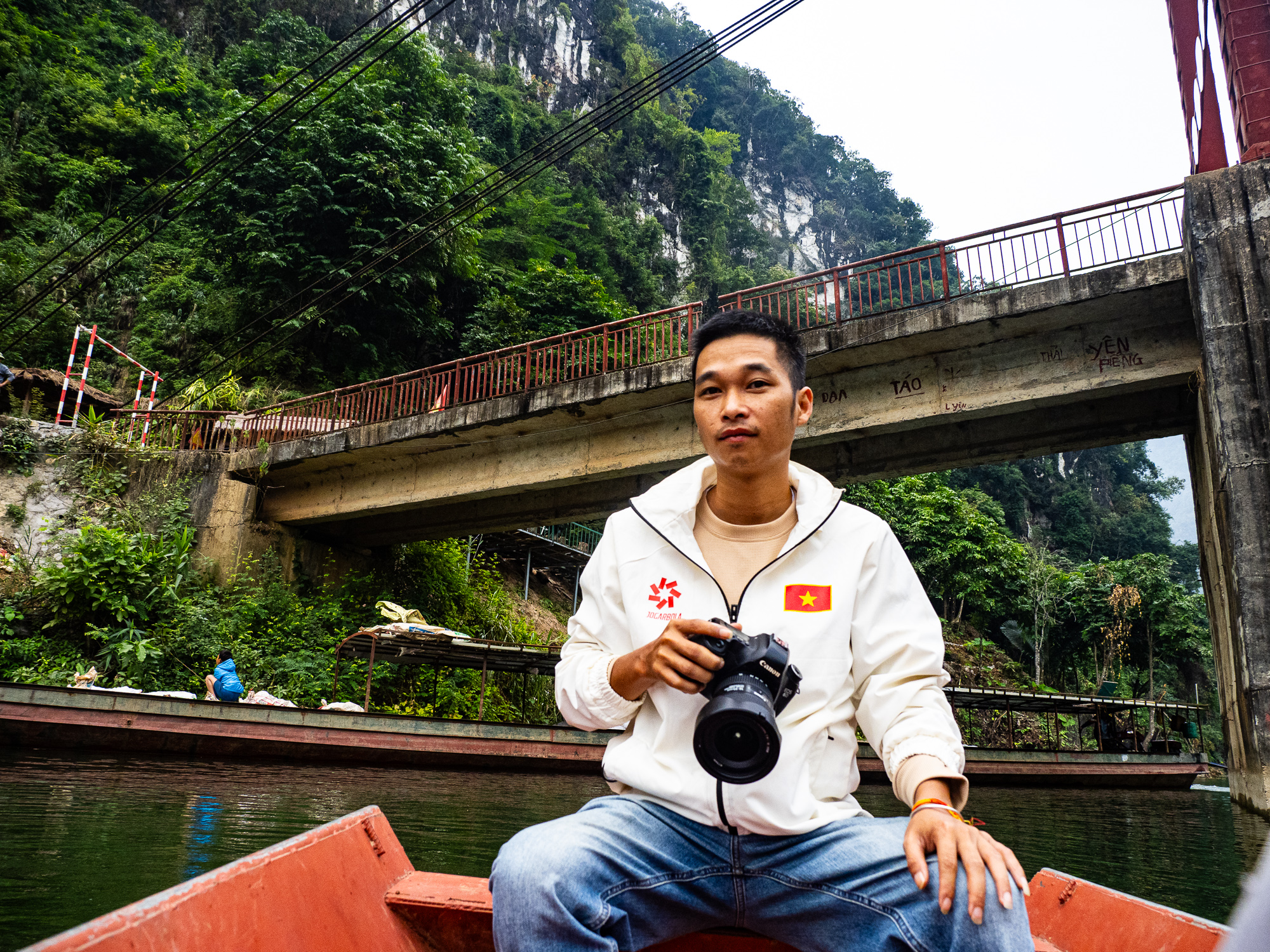
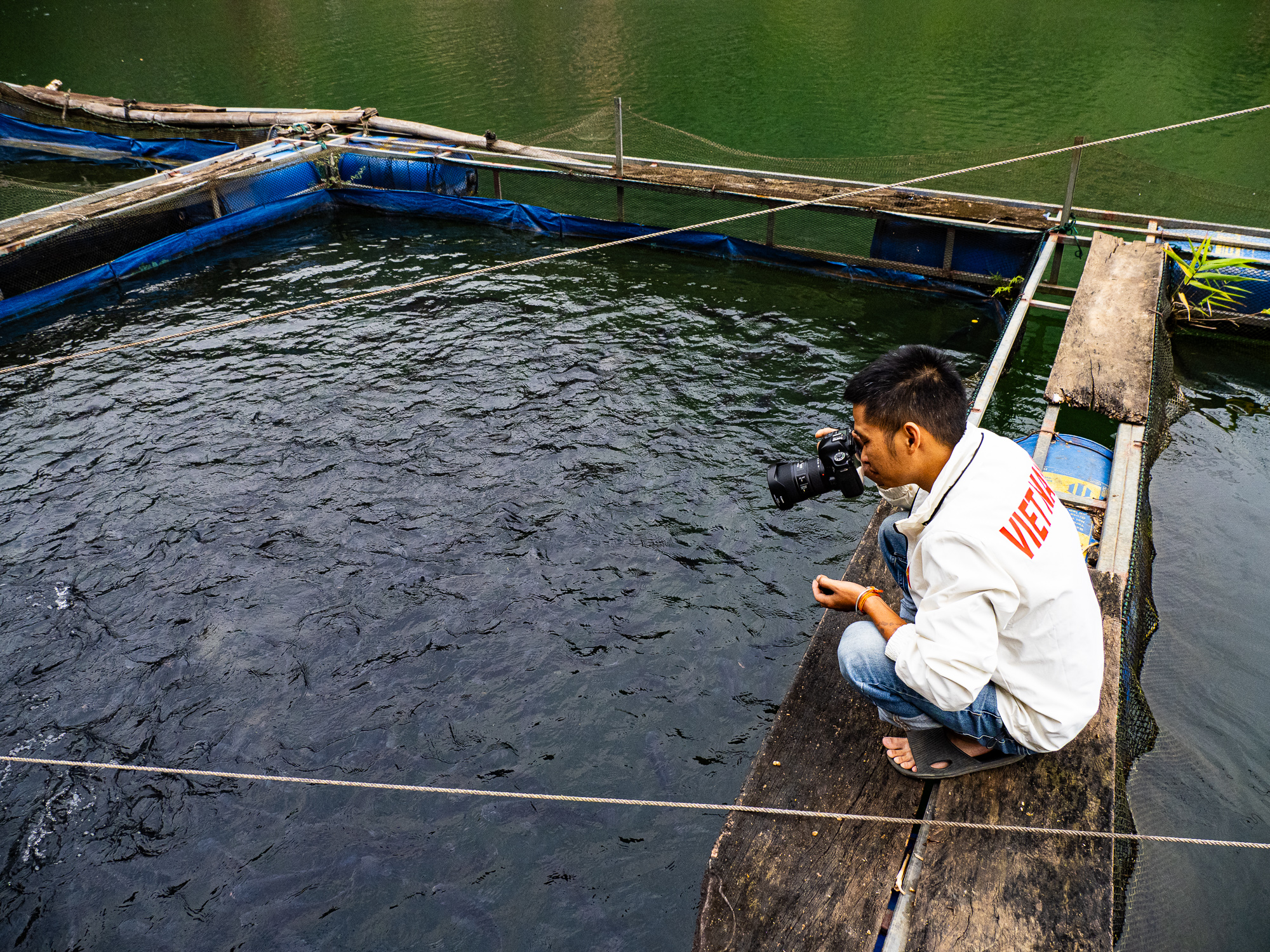
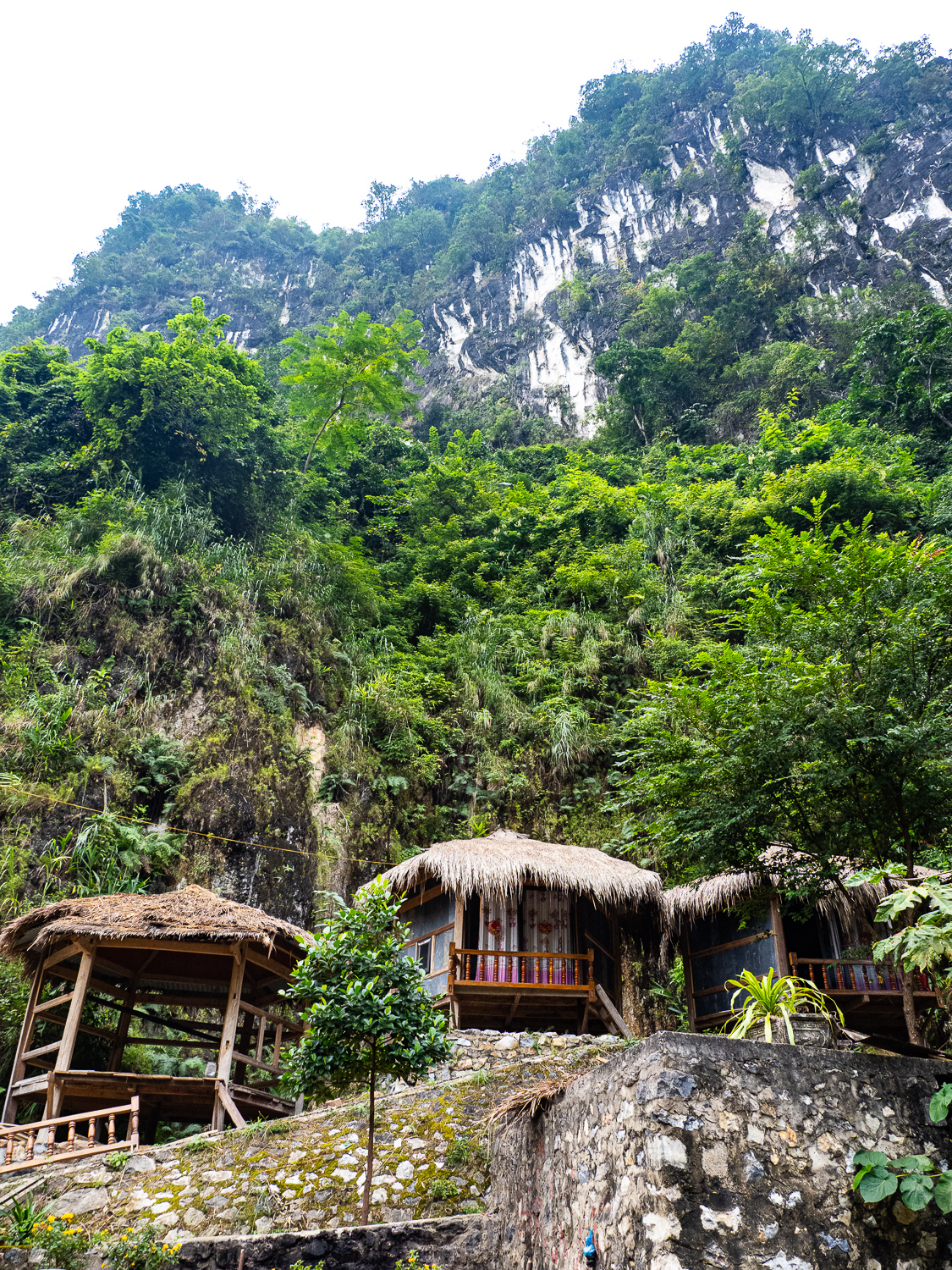
I reached the bridge and neighbouring homestay earlier than expected, but there was no one home. I went for a swim, then hung out waiting for someone to show up. Eventually, I found a neighbour, who contacted the owners and let me know they were on their way back. I did not expect them to be bringing a party with them. As it turns out, a journalist from Dien Bien Phu was staying there that night and writing an article about the area. That meant a party was in order. I enjoyed a festive meal of bony fish, crunchy freshwater shrimp, rice, and more. There was lots of rice wine, and each guest wanted to do a shot with me. The journalist spoke a little English, but mostly we chatted with Google translate. I eventually escaped to my mattress on the floor of my cozy bungalow while the party wound down.
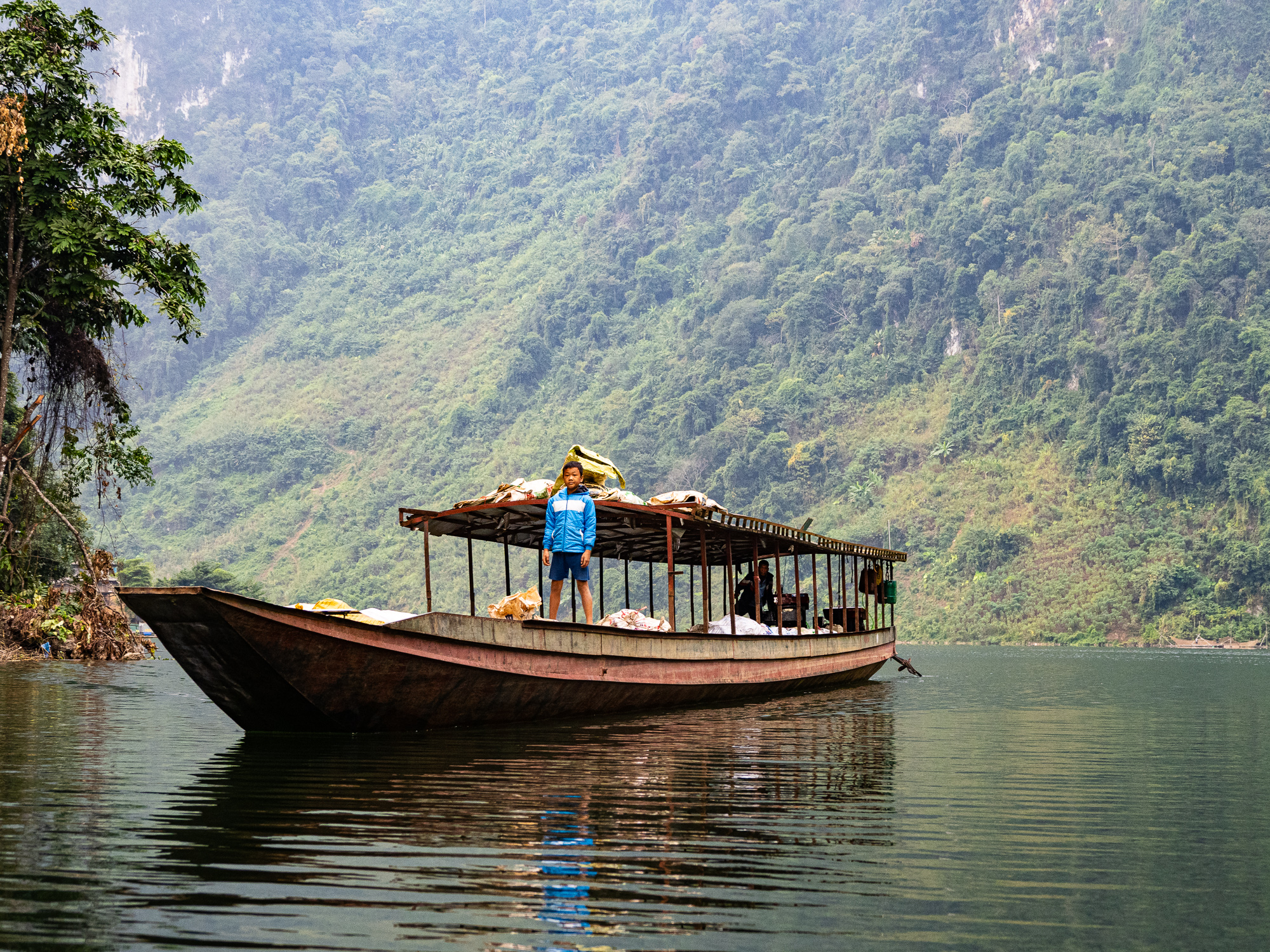
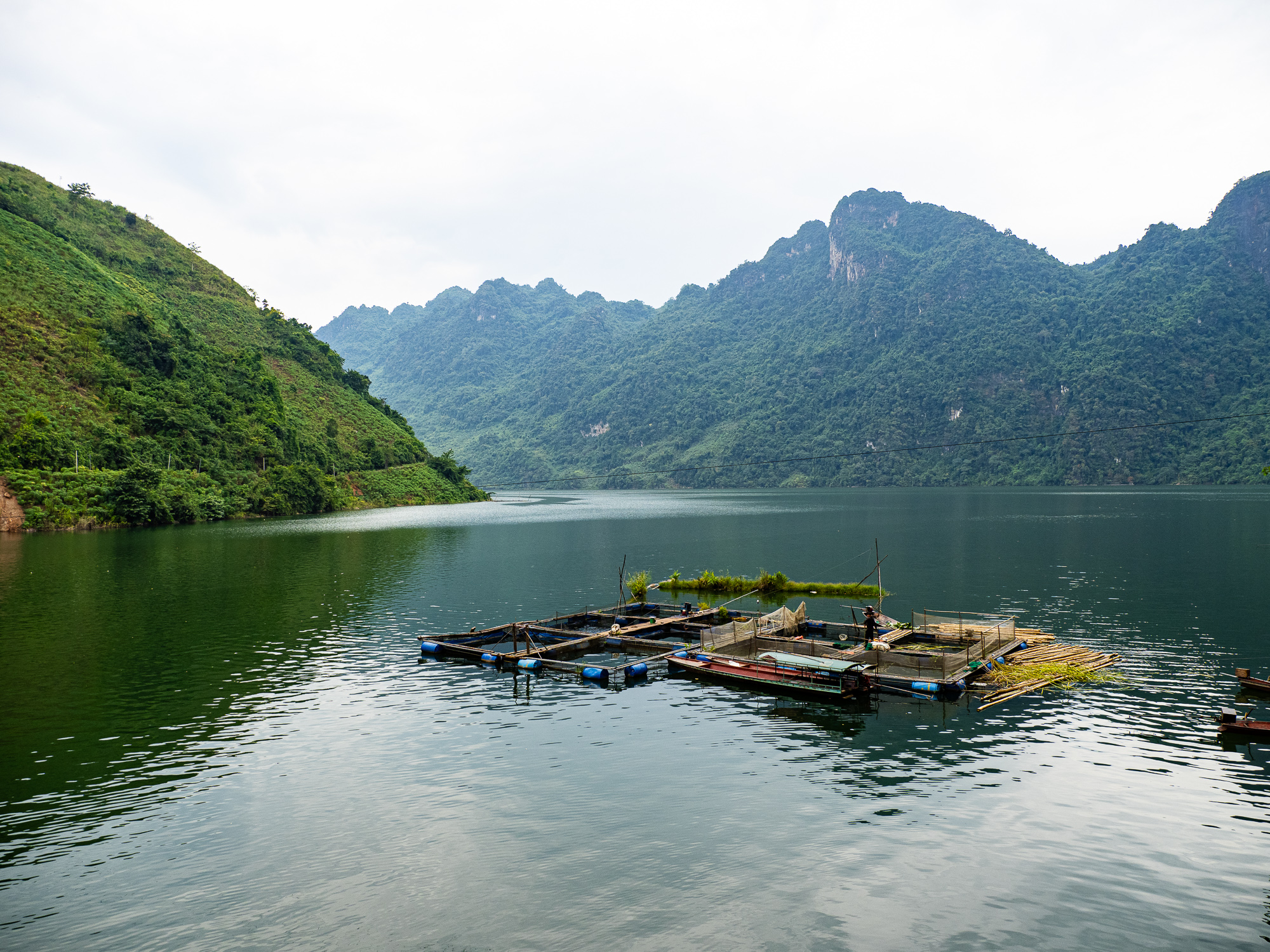
The next morning, I was given a short tour of the local fish farm. The homestay owner showed me the boat they used to give tours of the area, but there was nothing heading out today. Instead, I hit the road and began the steep climb back to the Tua Chua plateau. The climb was a grind—and endless series of punchy climbs and steep switchbacks that brought me to the village of Huoi So. It was a cloudy day, which helped provide relief from the heat, but did detract from the views.




A series of climbs and descents brought me to the high point and eventually I started to reach a more populated area. I passed through several construction zones, where I swerved between steam rollers as they widened and paved the road—closures generally aren’t a thing here.


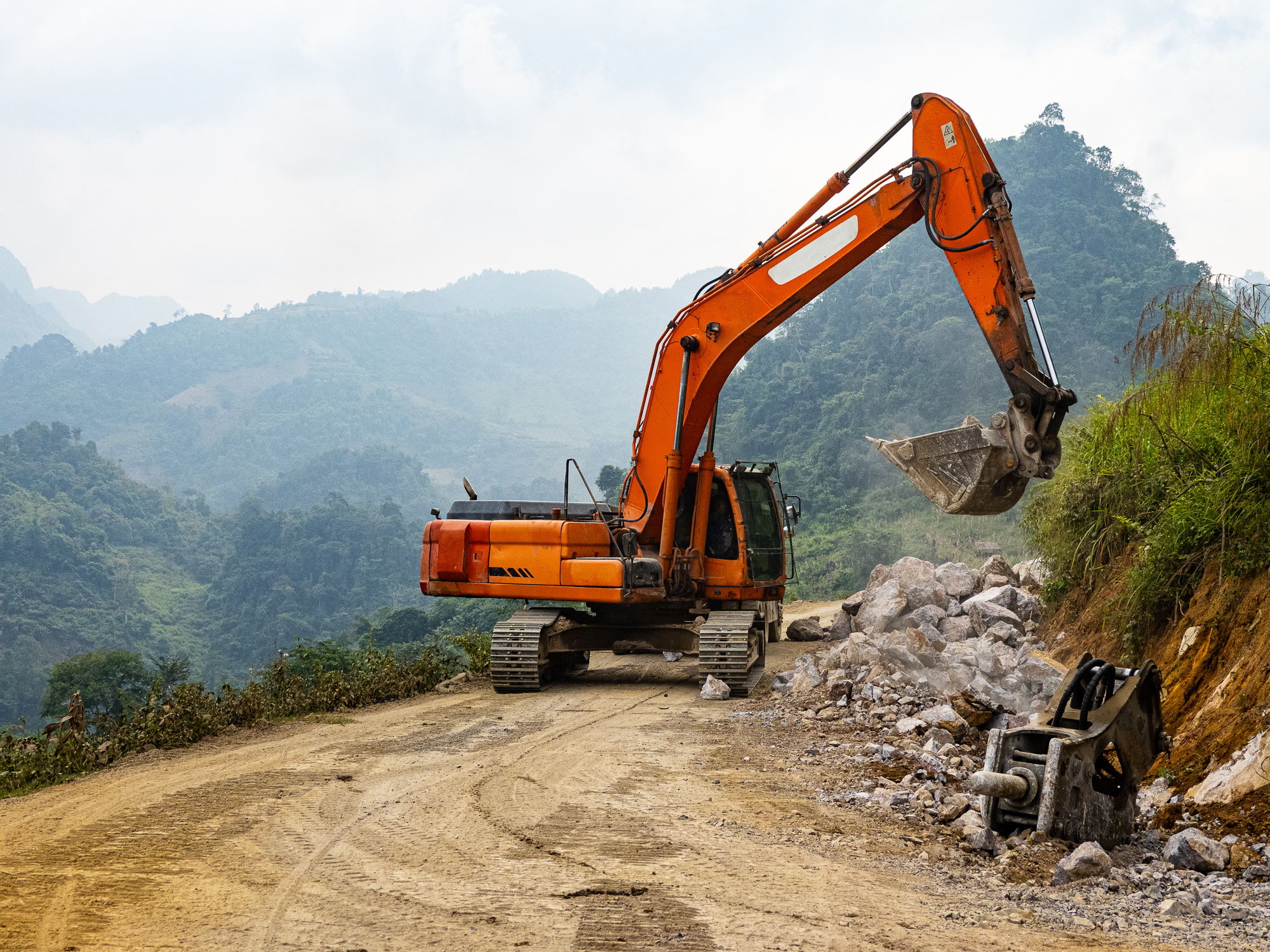

The morning was brutal, as I climbed nearly 1,300m (with almost 700m of downhill mixed in) over 30 km. I passed through a village where I was chased by hordes of school children. Normally, I relished their energy and enthusiasm, but this morning, I was in no mood for it. They harassed me as I stopped to buy some snacks. I wanted to stop for lunch but couldn’t bare the thought of being gawked at. Instead I plodded onwards.

I had plotted a route following backroads to the town of Quyn Nhai back on the main highway, but when I reached the turnoff from the main road and was greeted by a rough, steep dirt road, I had to make a decision. I looked at my options. I could either continue on my route to Quyn Nhai, which was about 50 km away, with another 1,400m of climbing. Or I could return to Tua Chua town, which was only 13.5 km away, with only a small climb in between. The latter would also mean passing by a large cave, which I was keen to explore. Tired and not confident I could make it to Quyn Nhai by dark, I chose to detour to town.
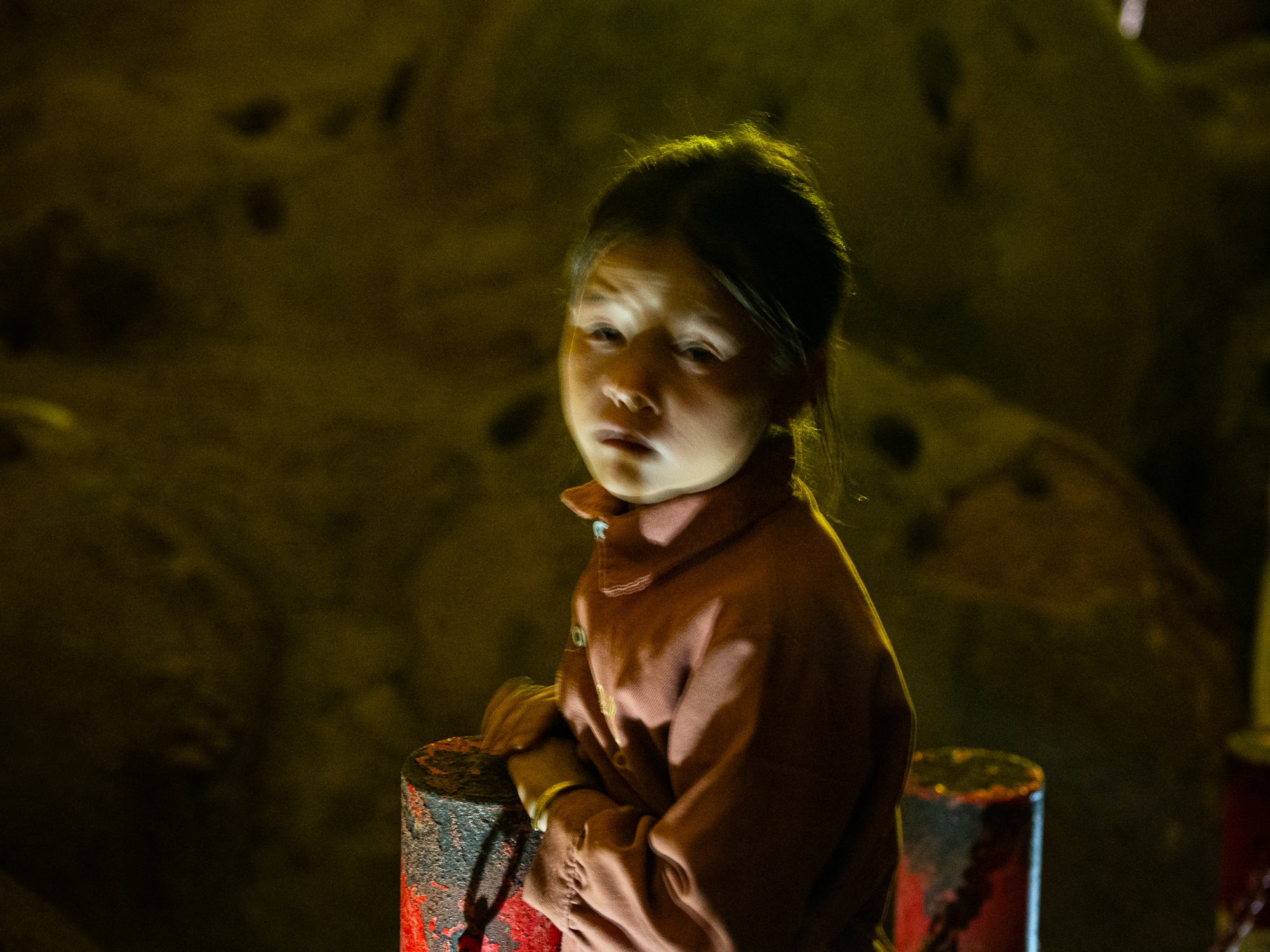
The cave was an interesting stop, with a nice pathway laid out through the towering caverns. I was followed by a young girl, who decided I was far more interesting than her parents. After emerging from the cave, I rested for a snack, and she sat next to me. We exchanged a few words on Google Translate, but she was quite shy, at least verbally.




In Tua Chua, I got a decent hotel with a fairly hard bed and ended up eating at the same rice eatery I stopped at a few days earlier after my first stop only had chicken intestine soup on offer. The next morning, I woke up early with the goal or riding roughly 120 km to Son La, the biggest city in the area, where I’d take a rest day.
The day started off pleasant as I cruised down the highway out of the highlands, then turned onto a backroad and climbed back out. Unfortunately, it was overcast and the clouds were trapping the smoke from the crop burning in the valleys. My eyes stung and breathing was tough; it was like riding through a wildfire back home. On the plus side, my route was very pleasant, passing through a broad valley before climbing a series of long switchbacks onto the next plateau. The skies cleared and the smoke lifted as I made my upwards.


And then I fucked up.
I was coasting down a road at high speed, enjoying the lack of traffic. As I rounded a corner, I hit a patch of sand in the middle and slid out into the oncoming lane. It was just my luck that at this moment, a motorcyclist was oncoming. We both swerved, but it was too late. We collided, but he took the worst of it. My front fork rotated, but that was an easy fix. The motorcyclist was on the ground, hurt. He had scrapes on his arms and legs, couldn’t bend his fingers on one hand, and was pointing to his chest. To make matter worse, he was non-verbal and could only communicate through grunts and gestures. I was terrified I’d caused serious injuries and impacted this man’s livelihood. I was also worried about the police showing up.

Fortunately, a young women showed up and was able to translate. I used Google Translate to explain what happened and apologized profusely. A crowd slowly gathered and I didn’t know what was going to happen. No one seemed that angry, so I was moderately hopeful things would be OK. At the same time, I was a foreigner who didn’t speak the language and I just caused an injury. I asked several times how I could help. I watched the man slowly calm down and saw him start to bend his fingers, much to my relief. Finally, I offered 1 million Dong as compensation (about $55 Canadian), which was deemed satisfactory. I rode away, stressed but relieved.
I reached Quyn Nhai around 1 p.m. and struggled to find a place for lunch. I settled on a rice eatery where I enjoyed cold rice and meat. It was the worst meal of the trip, but it was something. A few locals sat with me, but I wasn’t in the mood to talk. Instead, they tried to sell me raincoats.


The rest of the ride to Son La was pretty dull. I followed a secondary highway that eventually joined up with the main highway through the region. This road was very busy and so I spent the last 25 km plodding along the edge of the highway, hugging the shoulder and hoping no one would hit me.
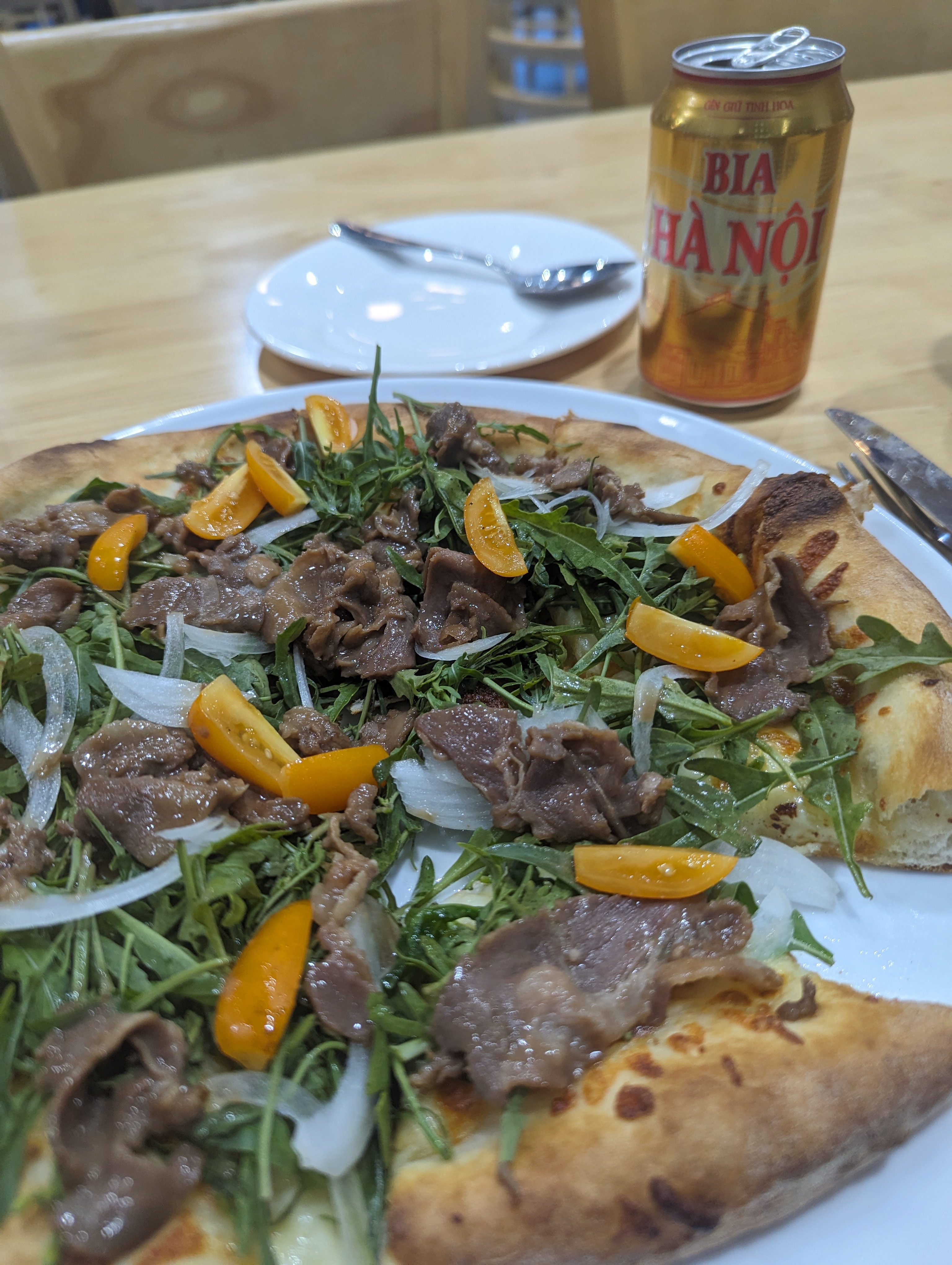
In Son La, I splurged on a three-star hotel, the ambitiously named Galaxy Grand Hotel, which was a whopping $25/night, including breakfast. I found a pizza place for dinner, which was frequented entirely by westerners, including a pair of American motorcyclists who, after just a couple minutes chatting, I assume were quite happy about Trump’s election win.

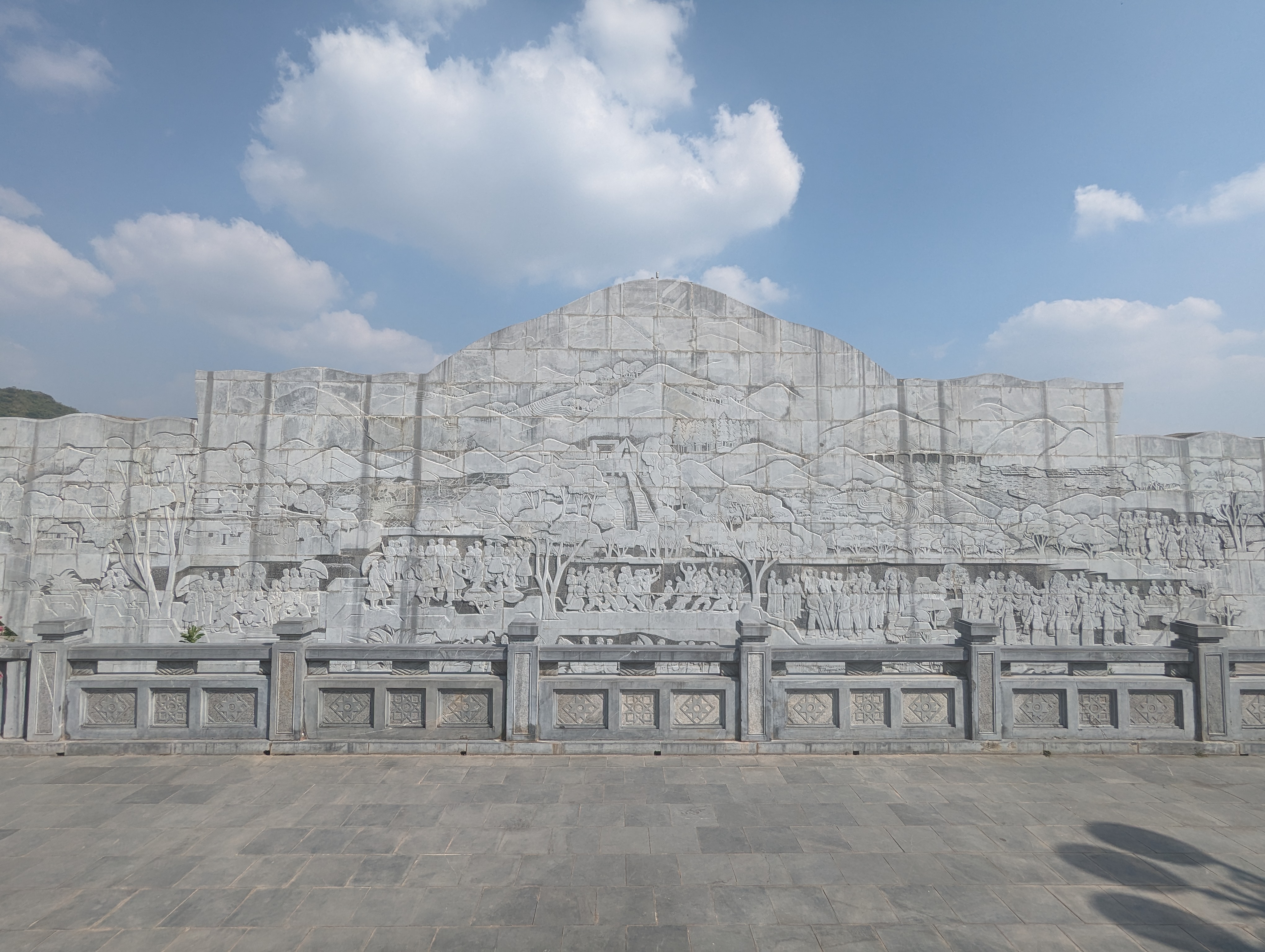
The next day, after gorging myself on a buffet breakfast, I went for a stroll through the city. I took in the main square, a sprawling, shadeless space designed more for military parades than socializing. I visited the impressive monument to Ho Chi Minh and went to the Vincom Plaza, where the signs are in English, which I assume is a class status symbol. There, I ate an overpriced fast food burger for lunch and stocked up on snacks at WinMart, which I’ve discovered has the best gummies in Vietnam.

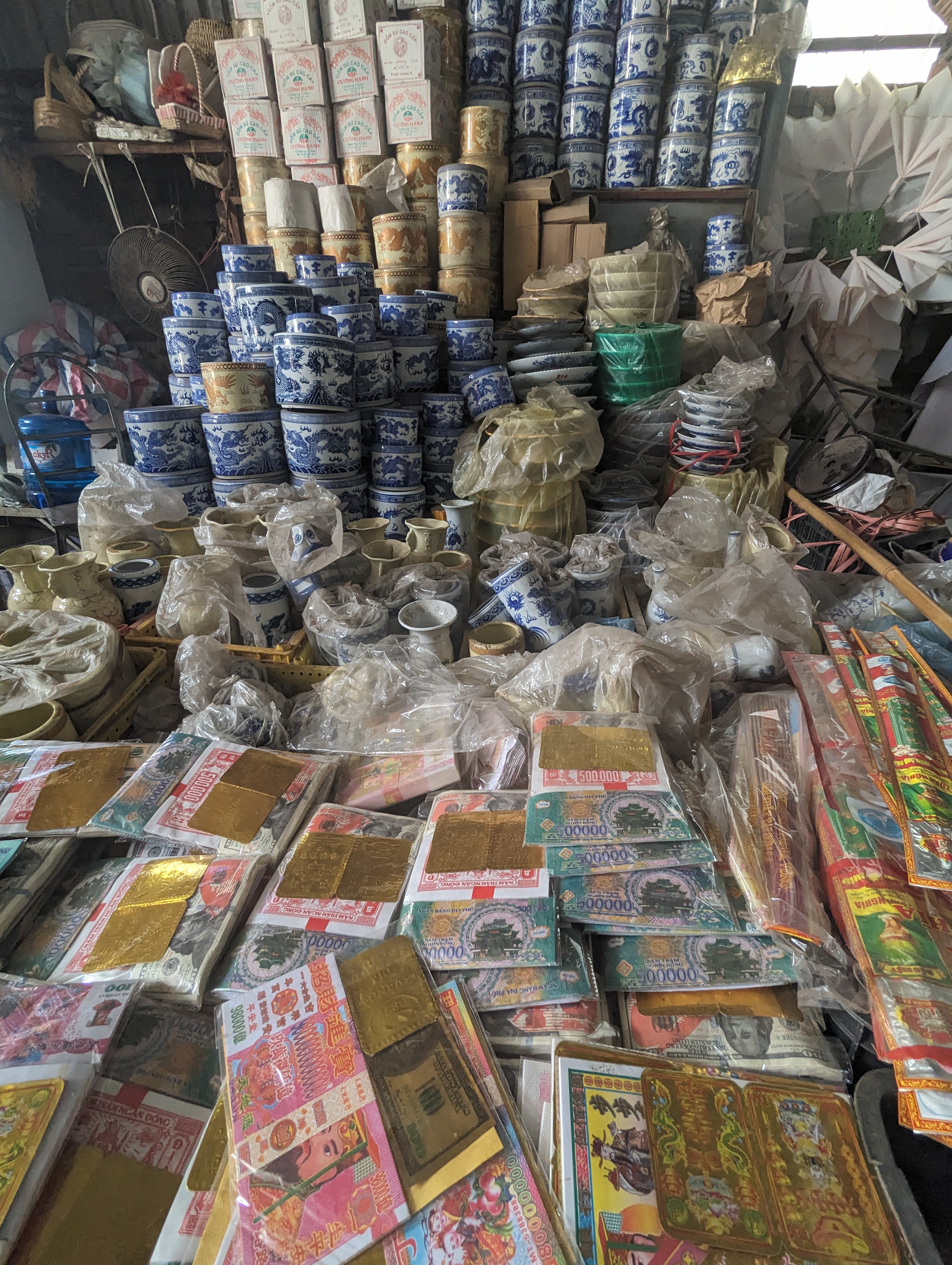


I then went back to my hotel and plotted out the next section of my trip. I could either follow my intended route through Mu Cang Chai and Ta Xua, or I could head straight to Moc Chau, cutting off about three days of hard riding and enjoy more down time at the end of the ride.
Check out the route from Tuan Gian to Quyn Nhai here. The rest of the way to Son La is all on highway.

 Alex Cooper Explores
Leave a comment