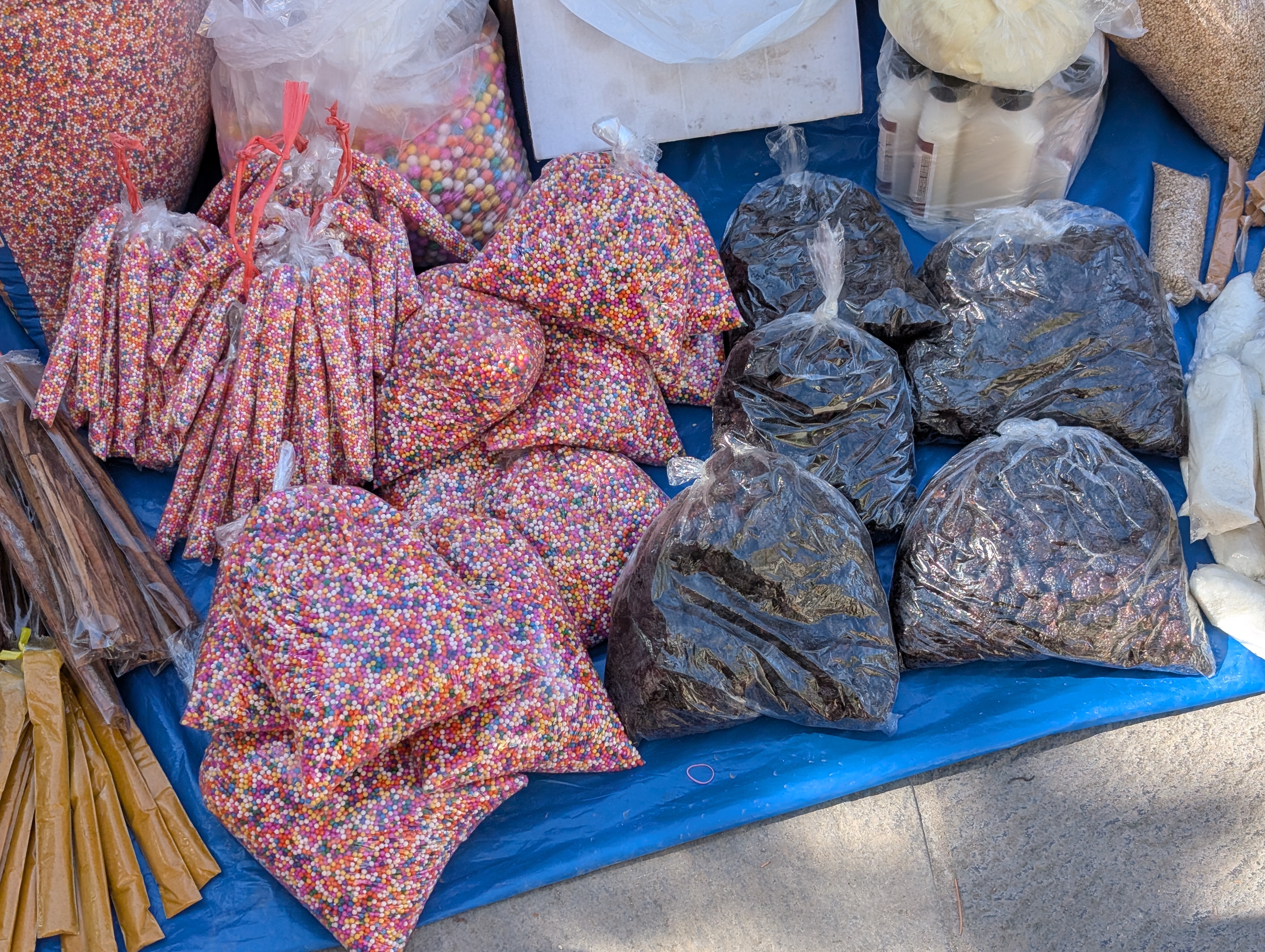
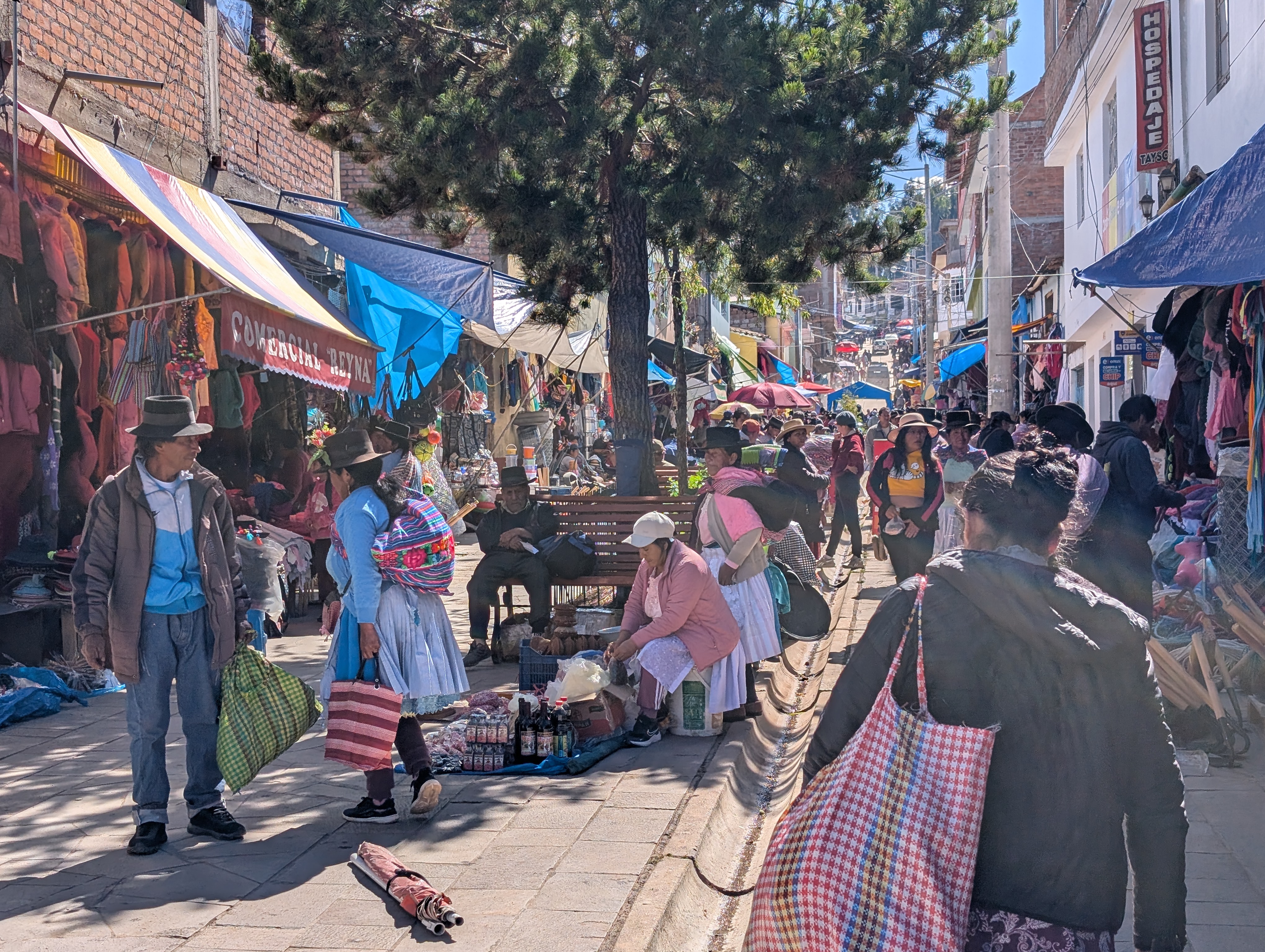
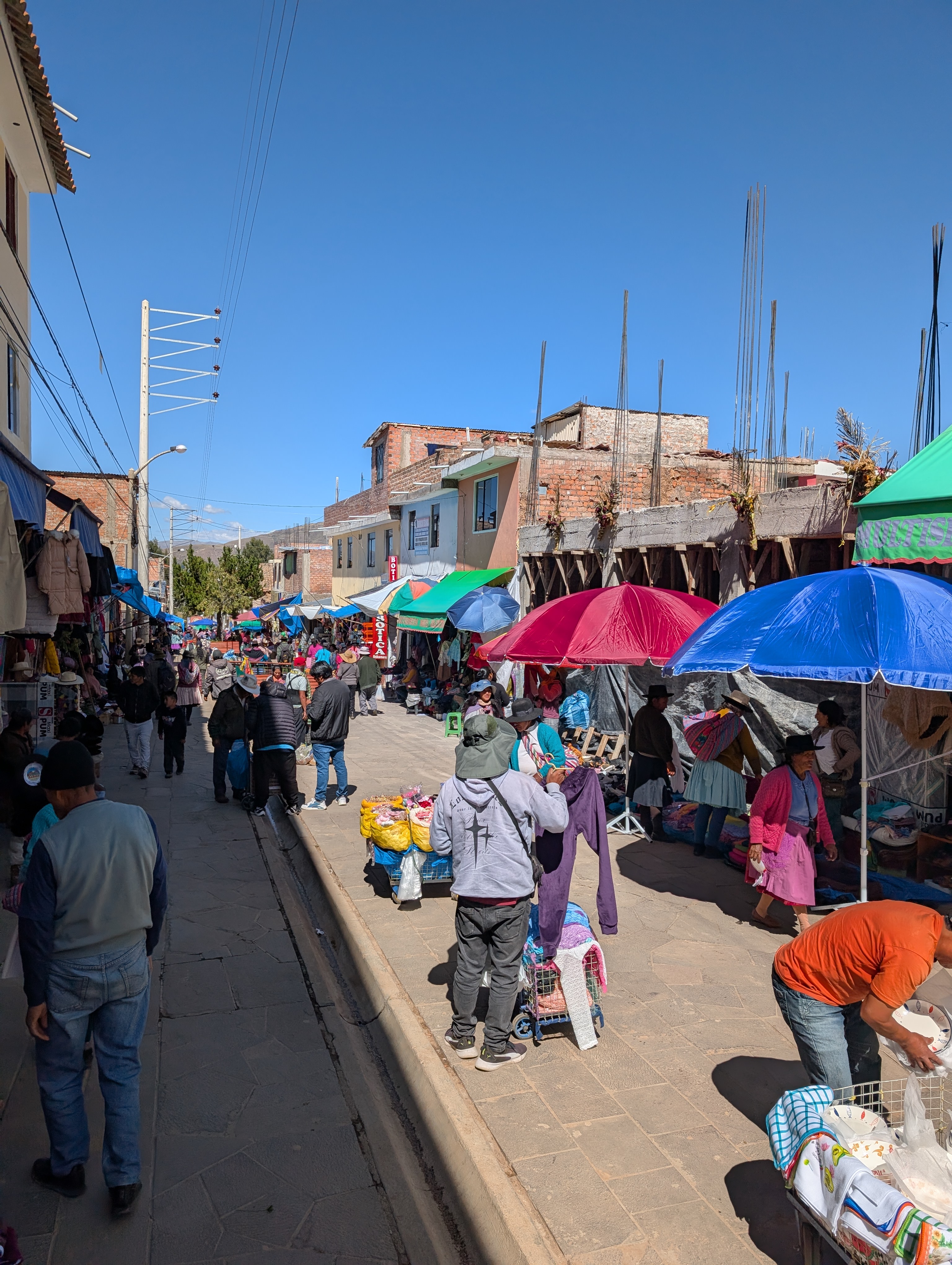
I left Vilcahuashuaman feeling pretty refreshed and happy I decided to bake an early rest day into my ride. It was market day, so the town was bustling and I spent a few minutes before leaving checking out the action and picking up some empanadas at the bakery.
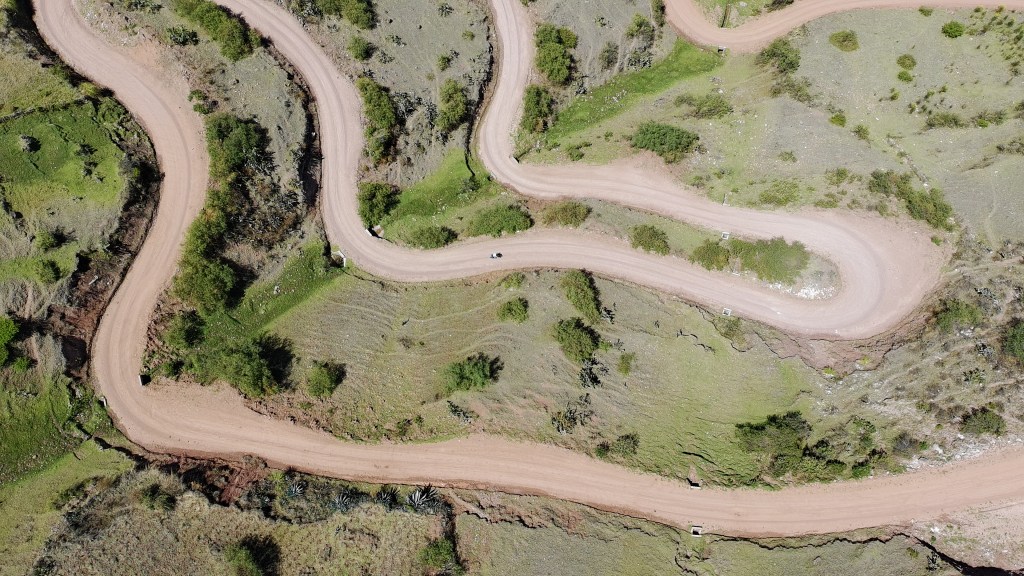
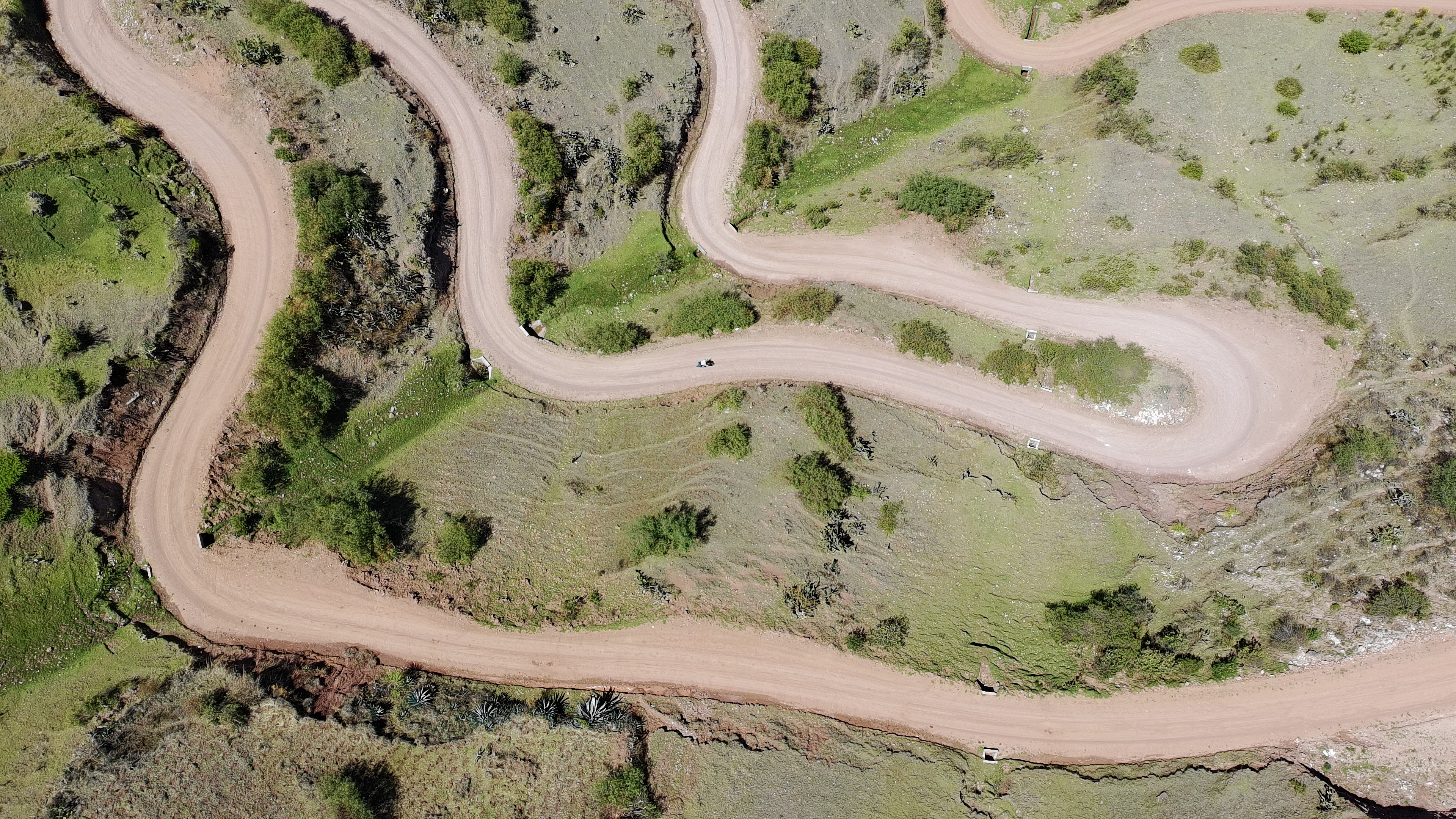
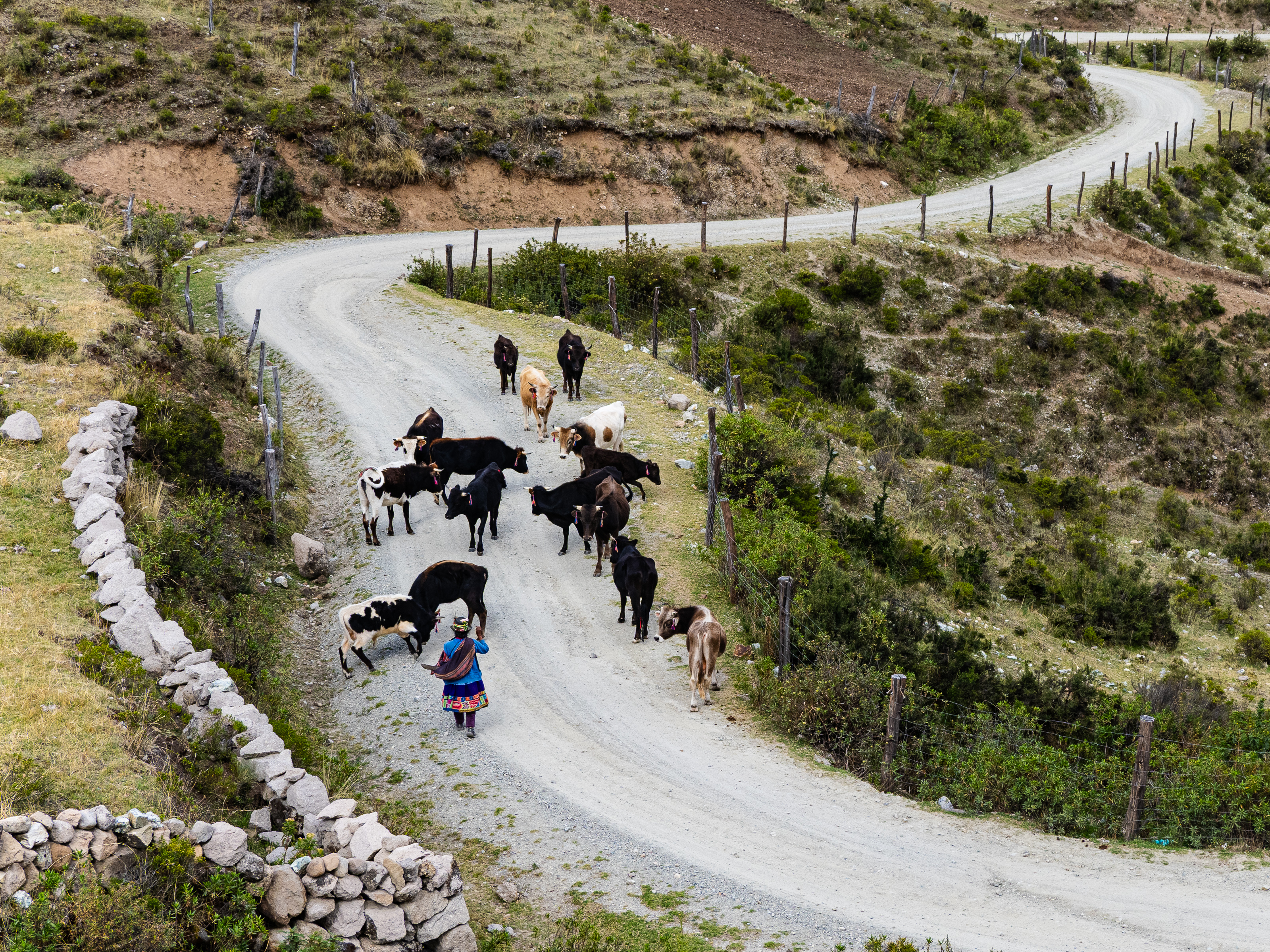
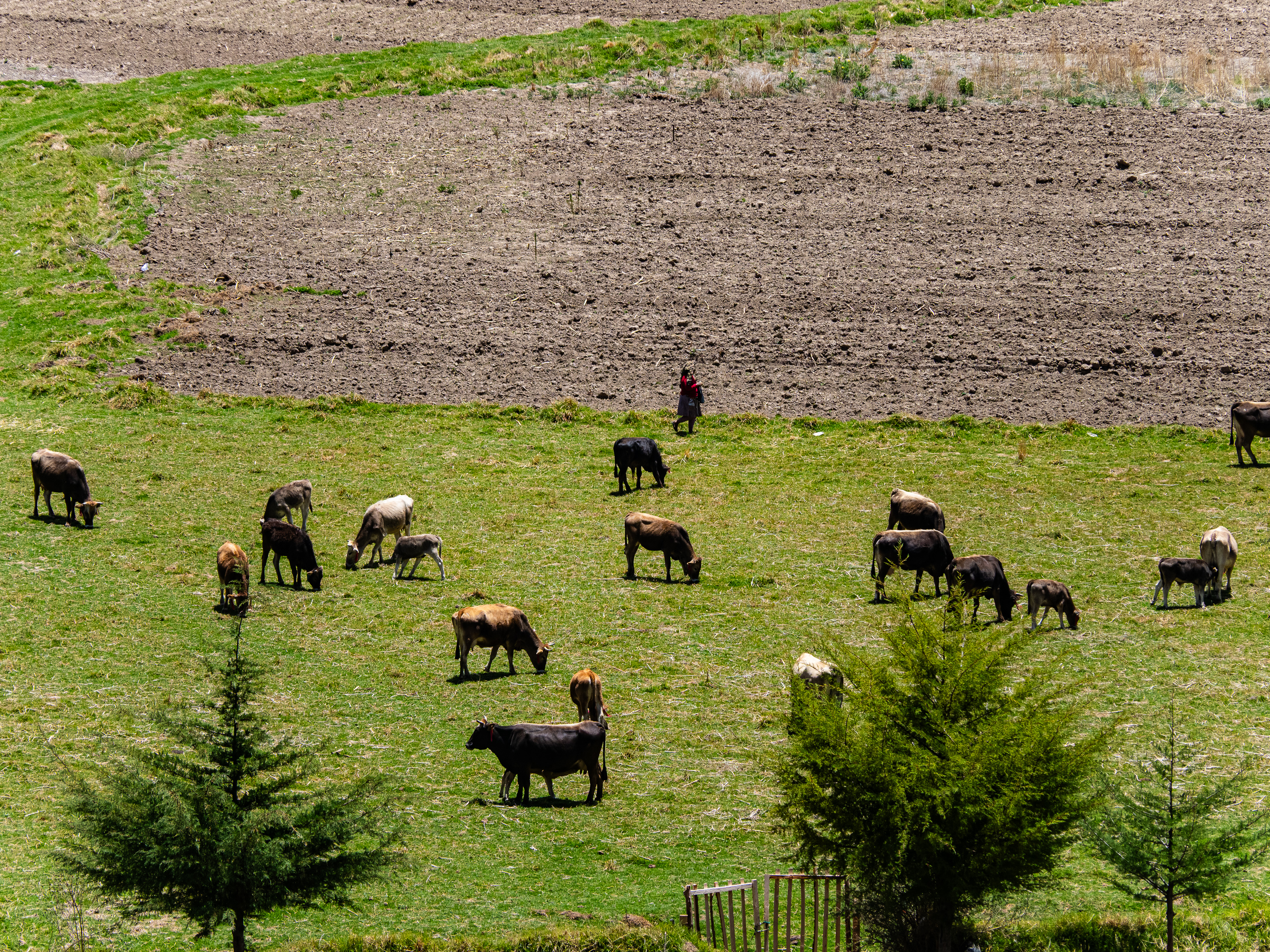
With six straight days of riding planned until my next rest day, I was happy to start off going downhill, passing through rural farms and switchbacking down a baked-red road to the Vischongo River. I took a peaceful break in a grassy meadow next to the rushing waters before setting off again uphill.
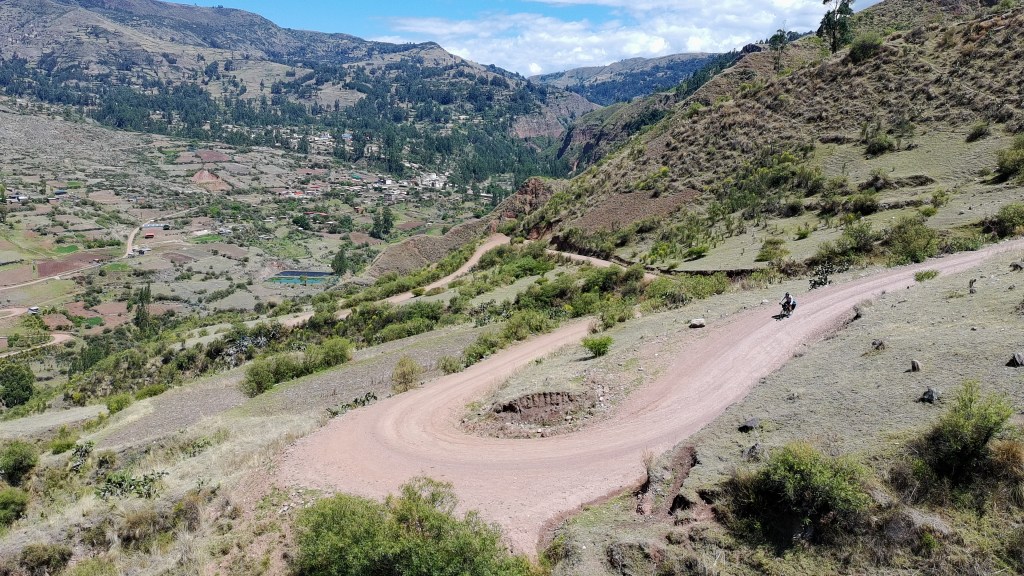
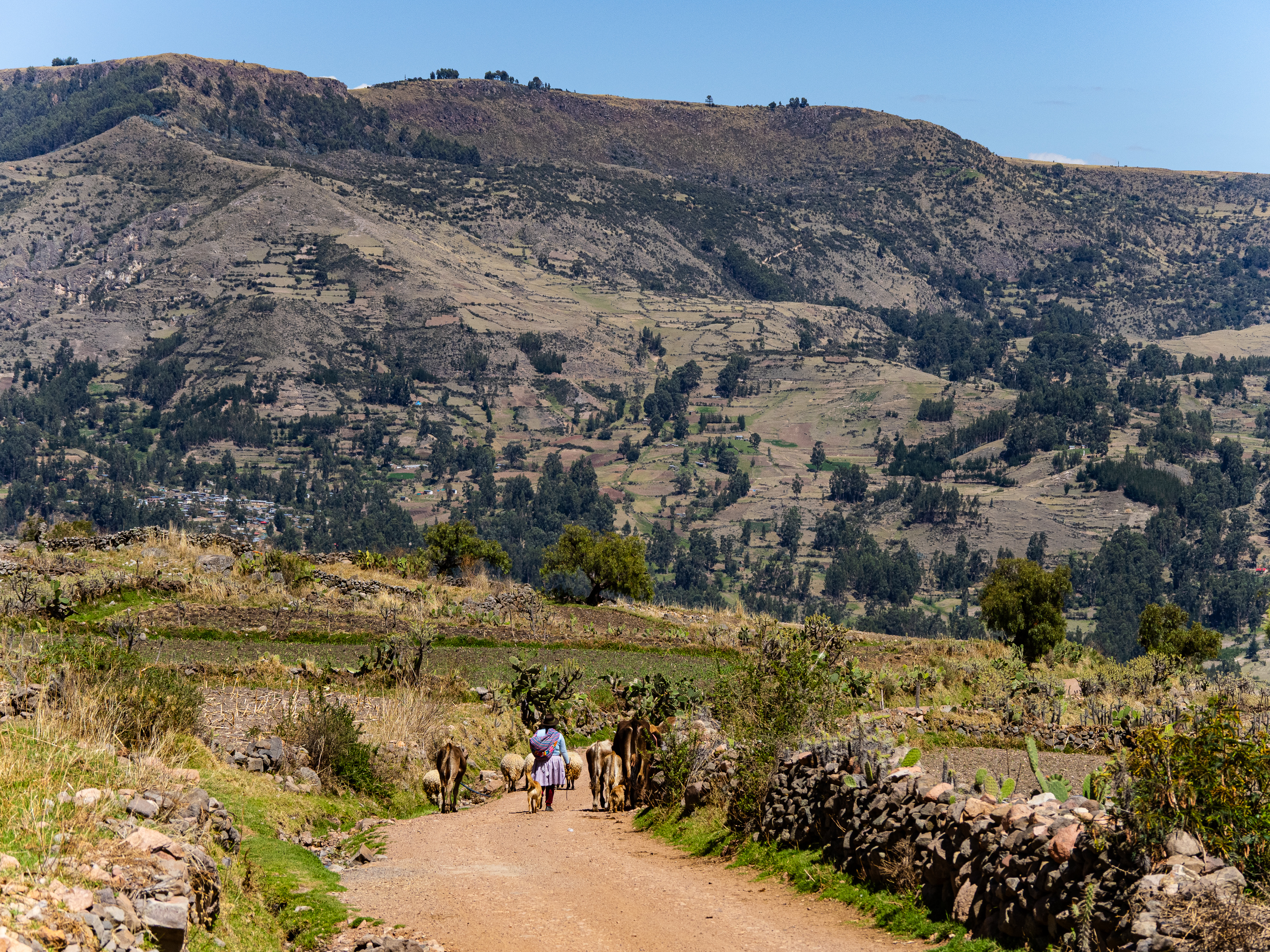
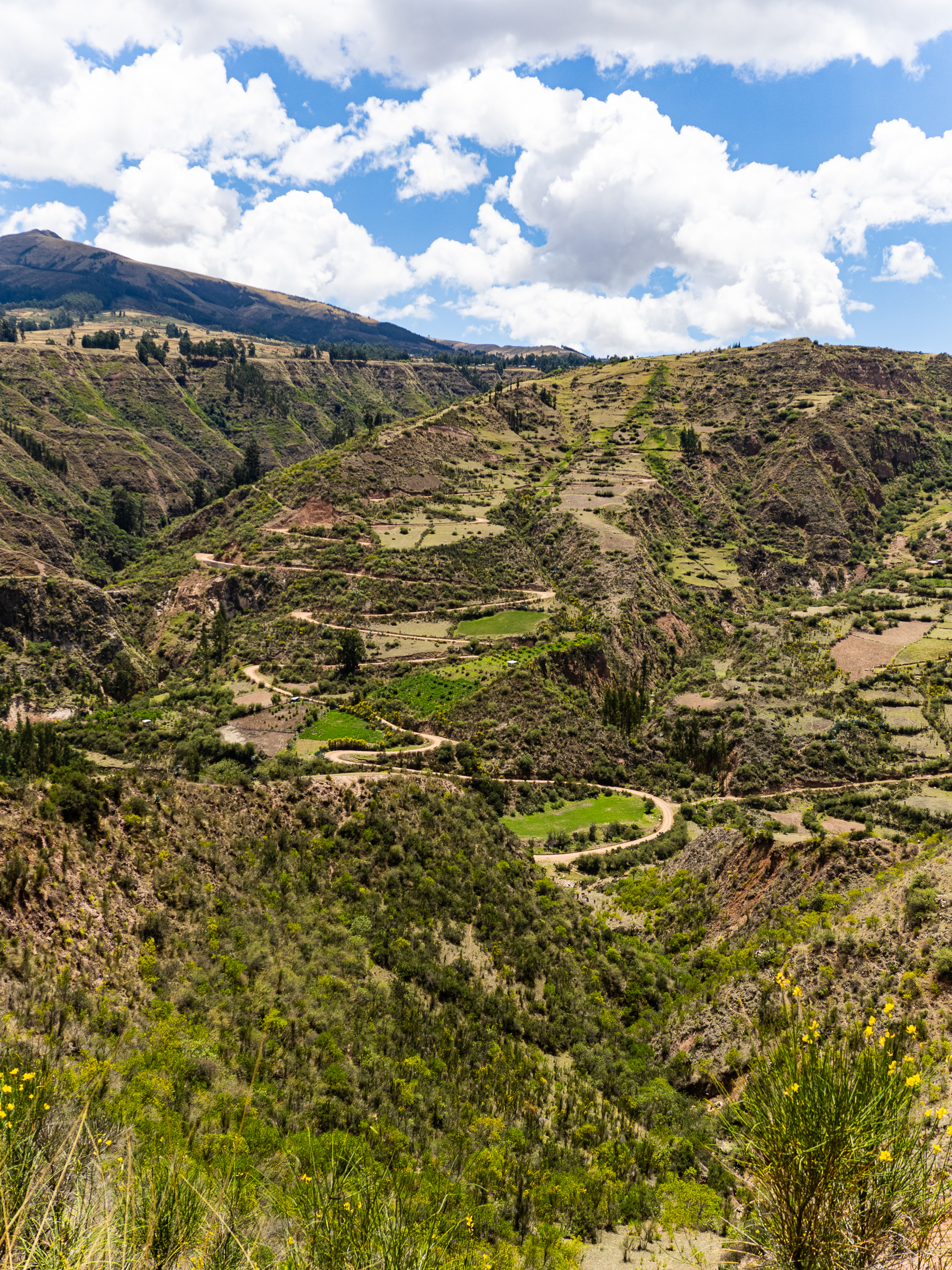
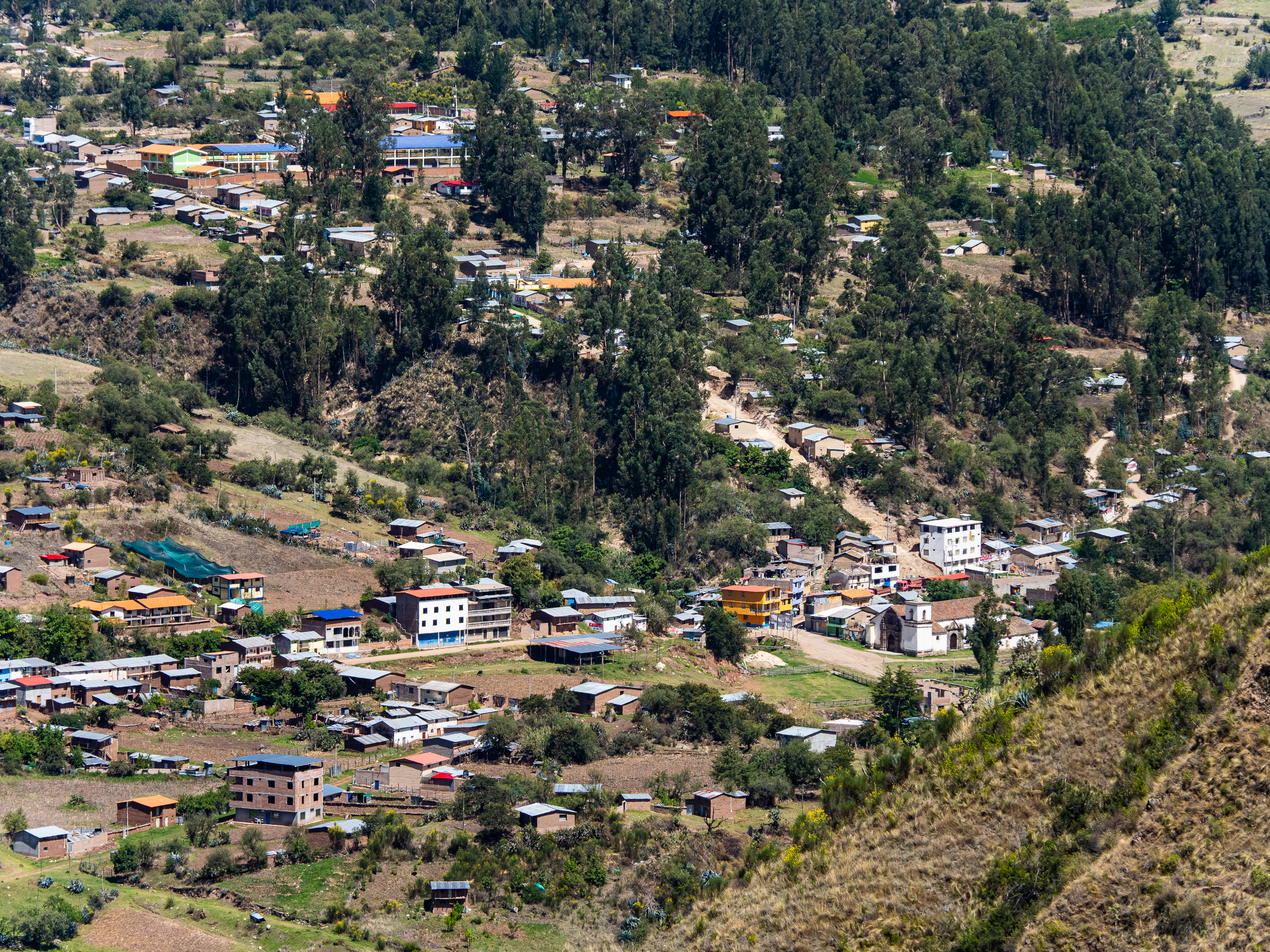
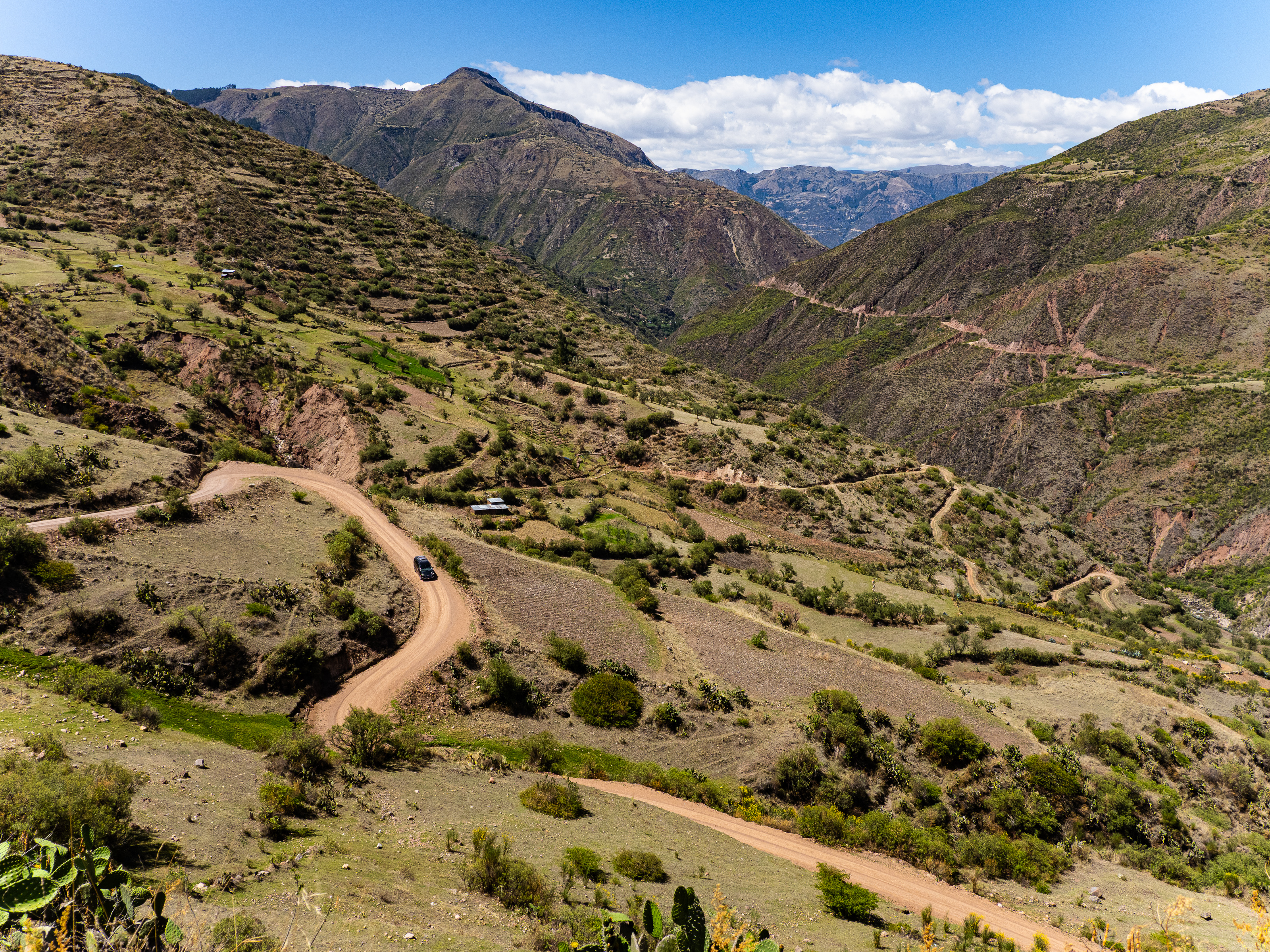
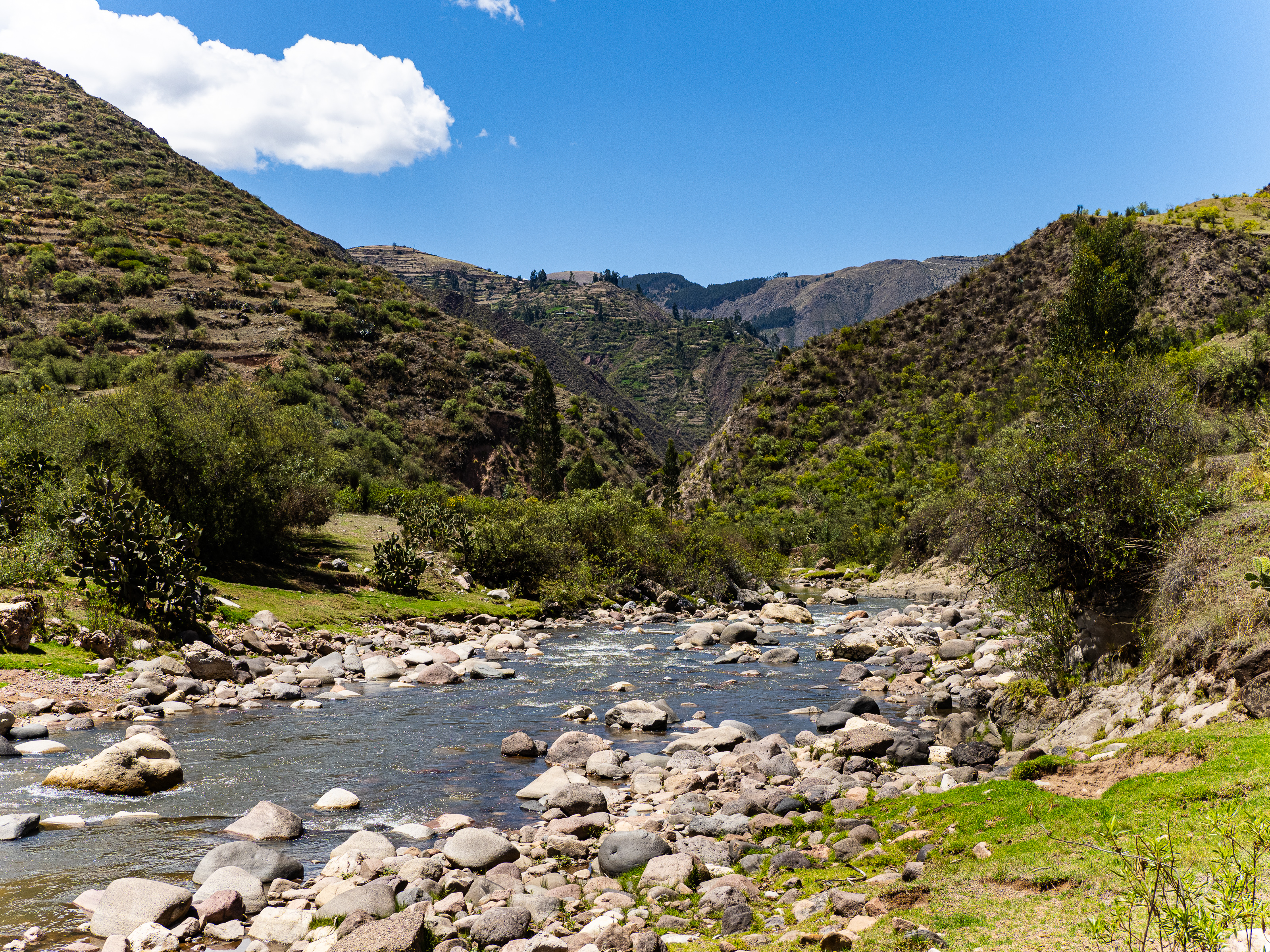
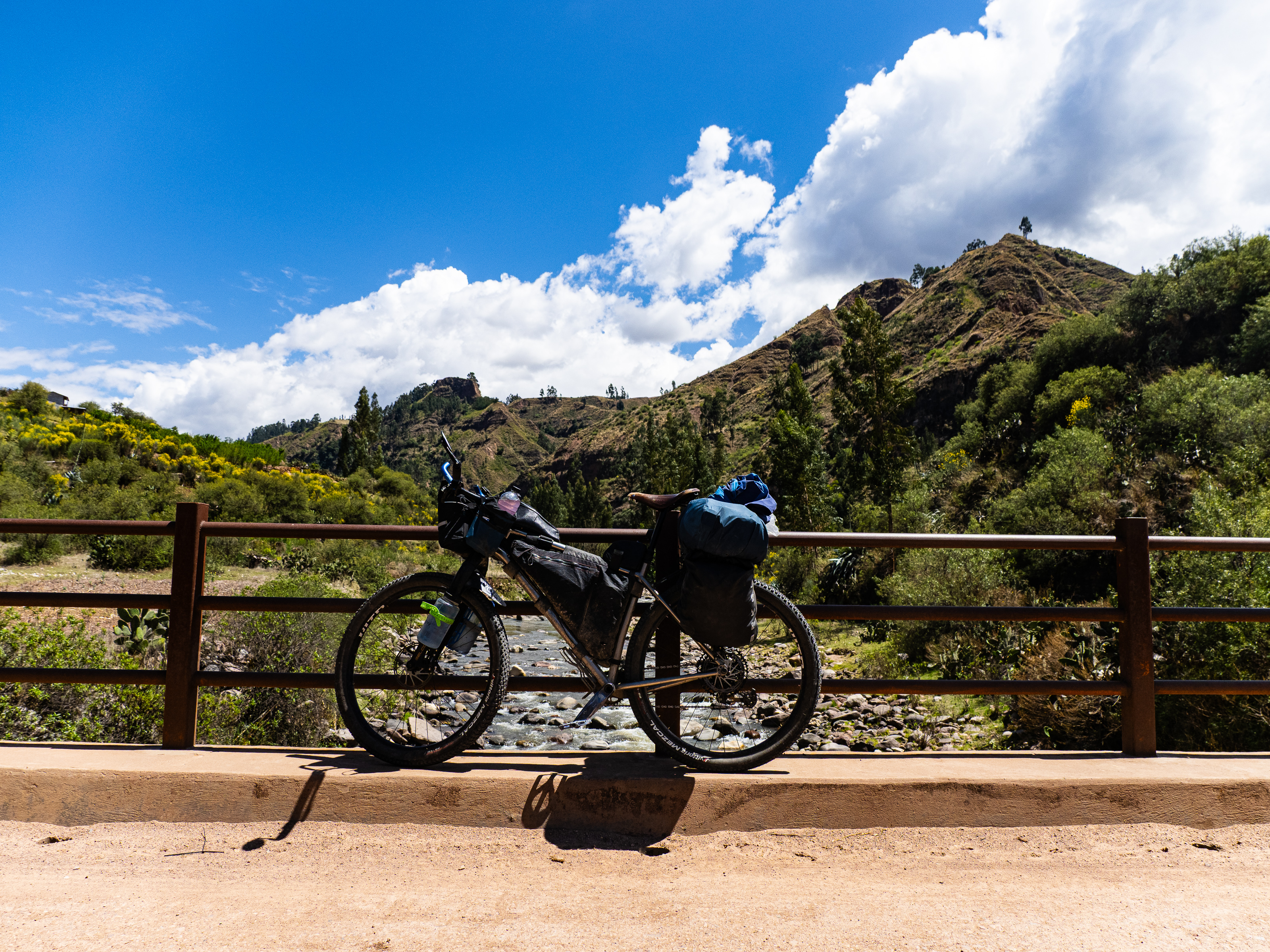
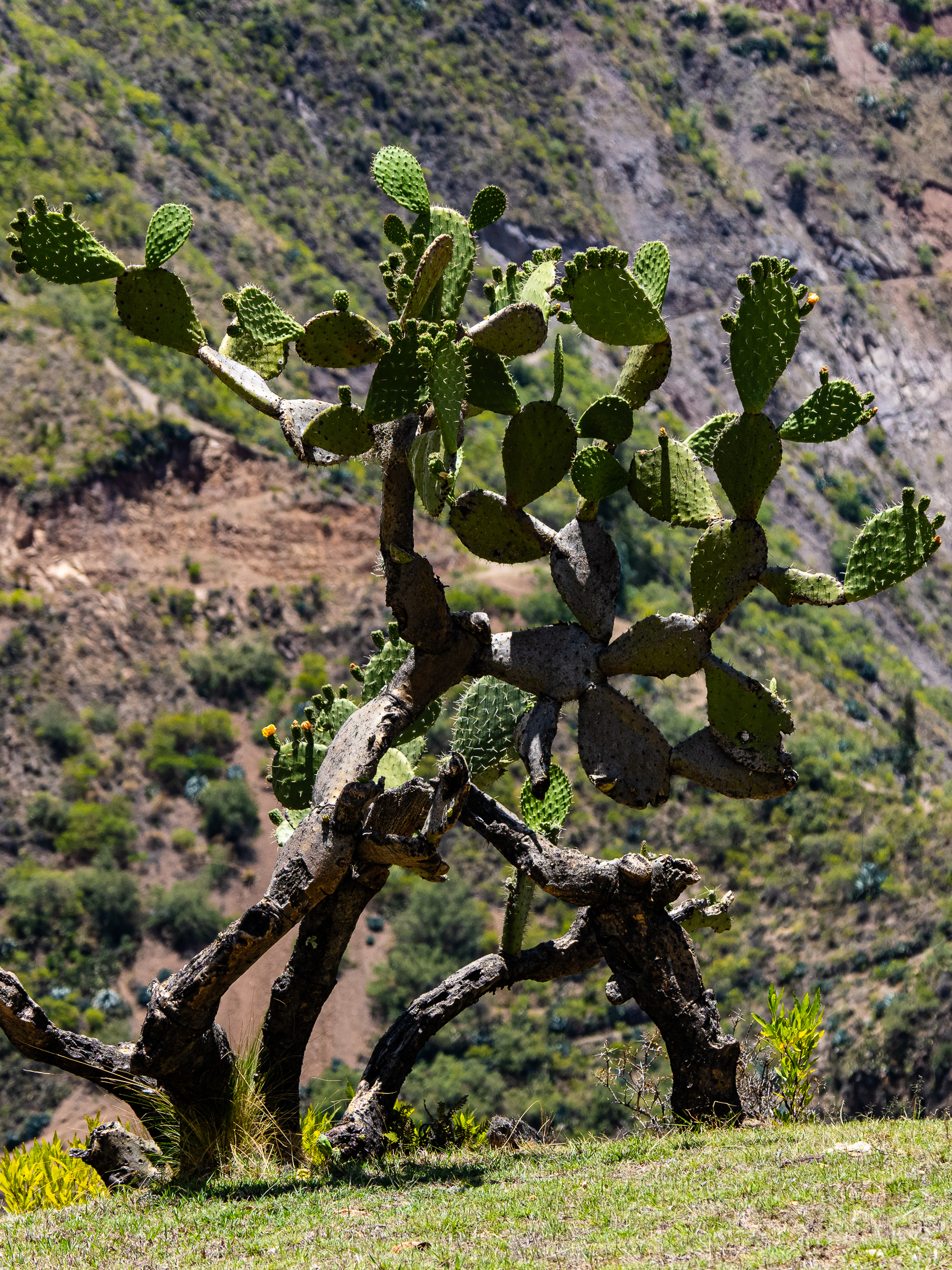
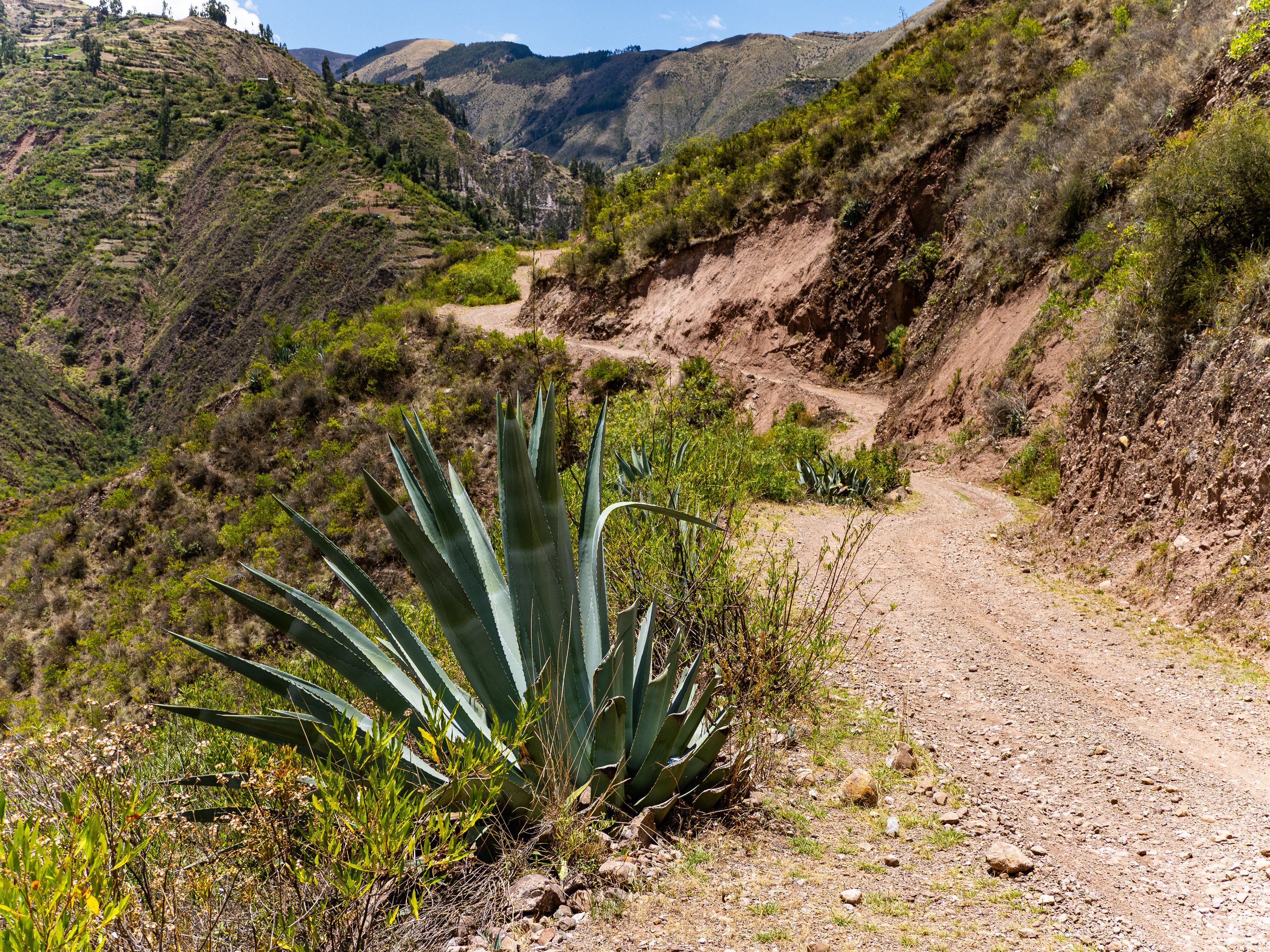
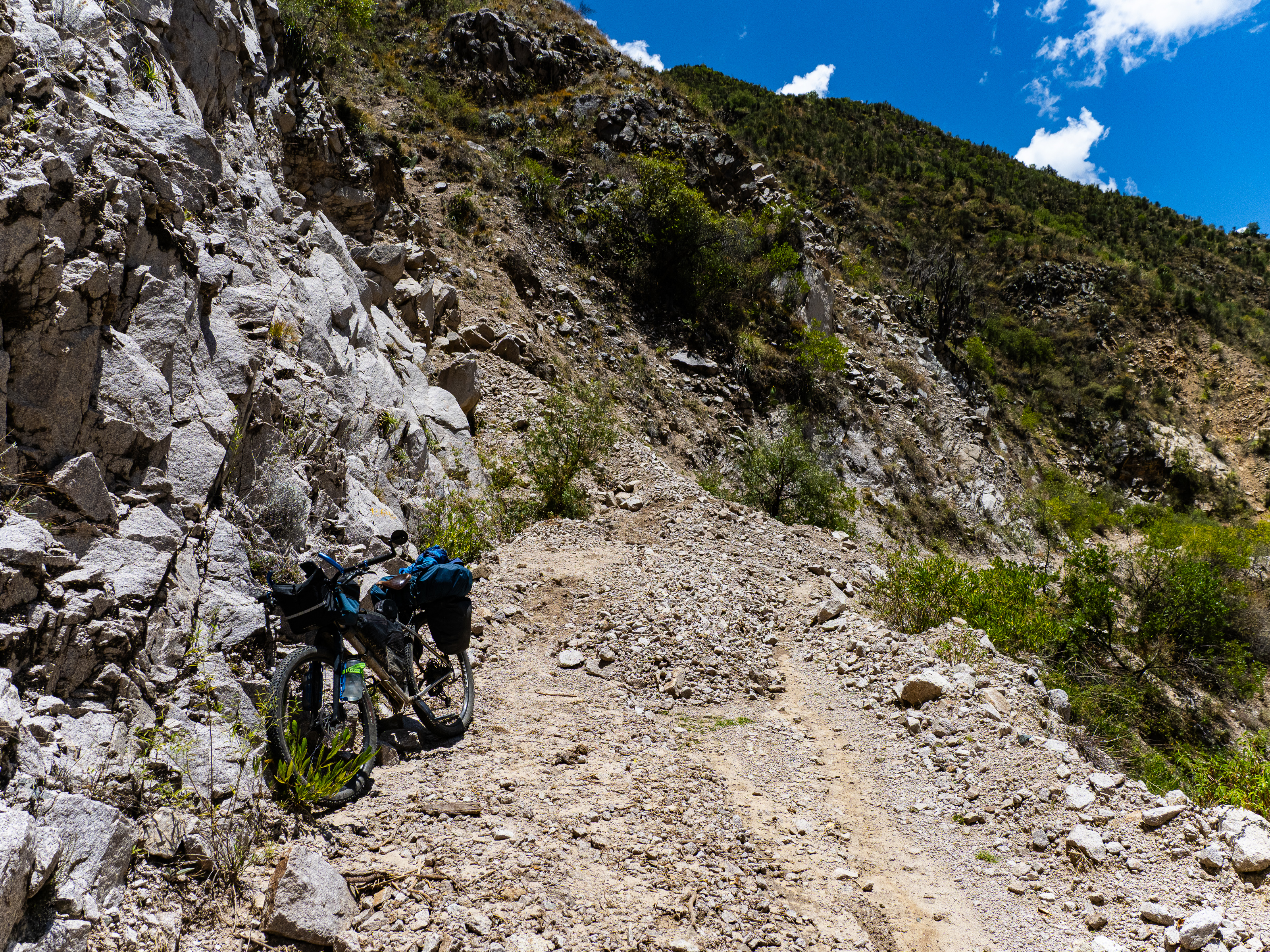
I turned off the main dirt road onto a rough track that hugged the mountainside above the river. I got strange looks as I passed through the lone village along this stretch – I can’t imagine they’ve seen many foreigners come their way, let alone ones on bikes.
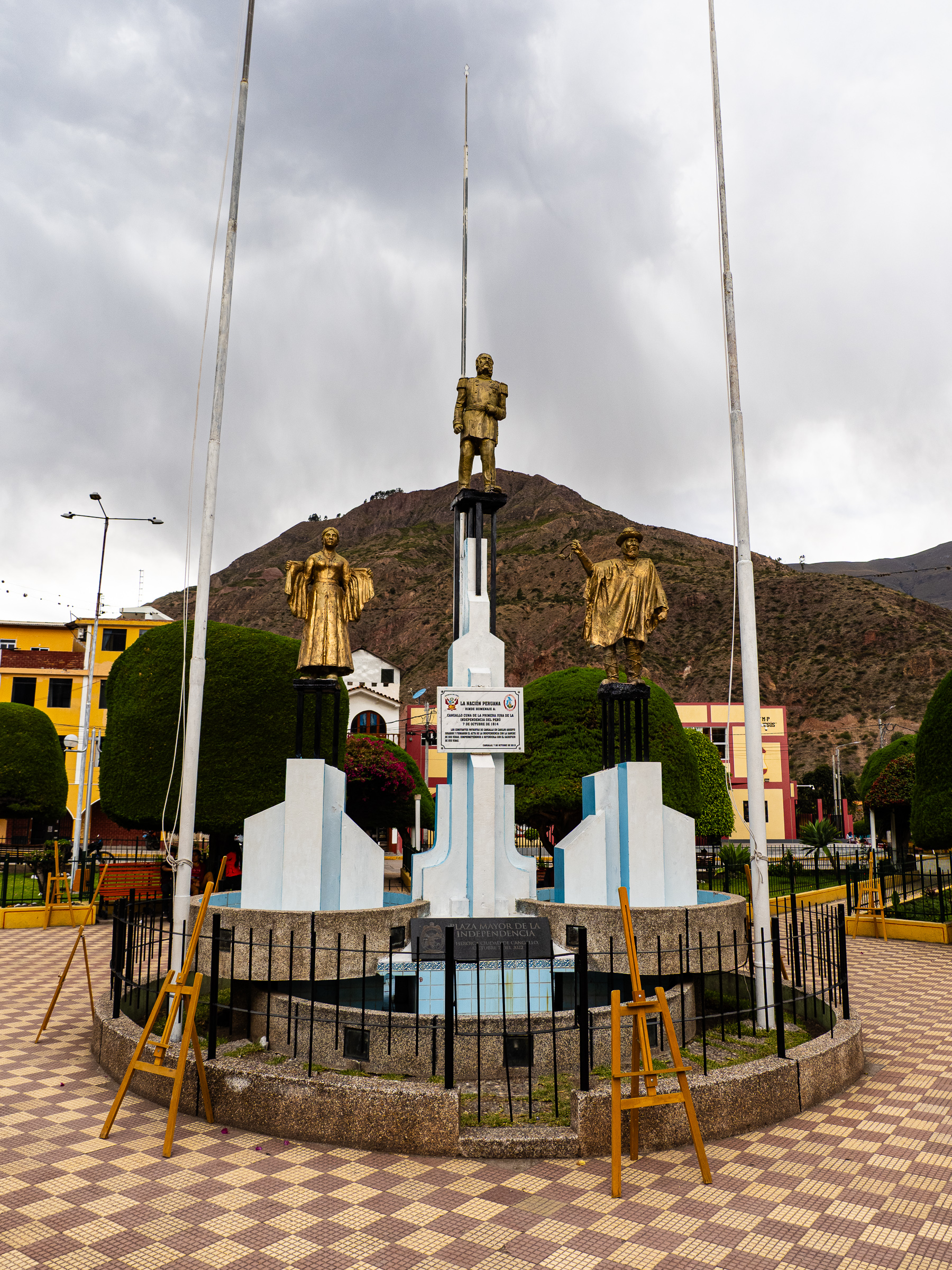
A steep, rocky downhill brought me back to the river and eventually the Vischongo flowed into the Rio Pampas and I turned northwest. The road was dusty and lined with cacti of all sorts, one of which gave me a flat. I followed the river, the road mostly flat but with some punchy ups and downs. After 20 km, I reached the town of Cangallo, where I took a brief break in the main square. The wind picked up and it looked like it would rain, but the skies held back.
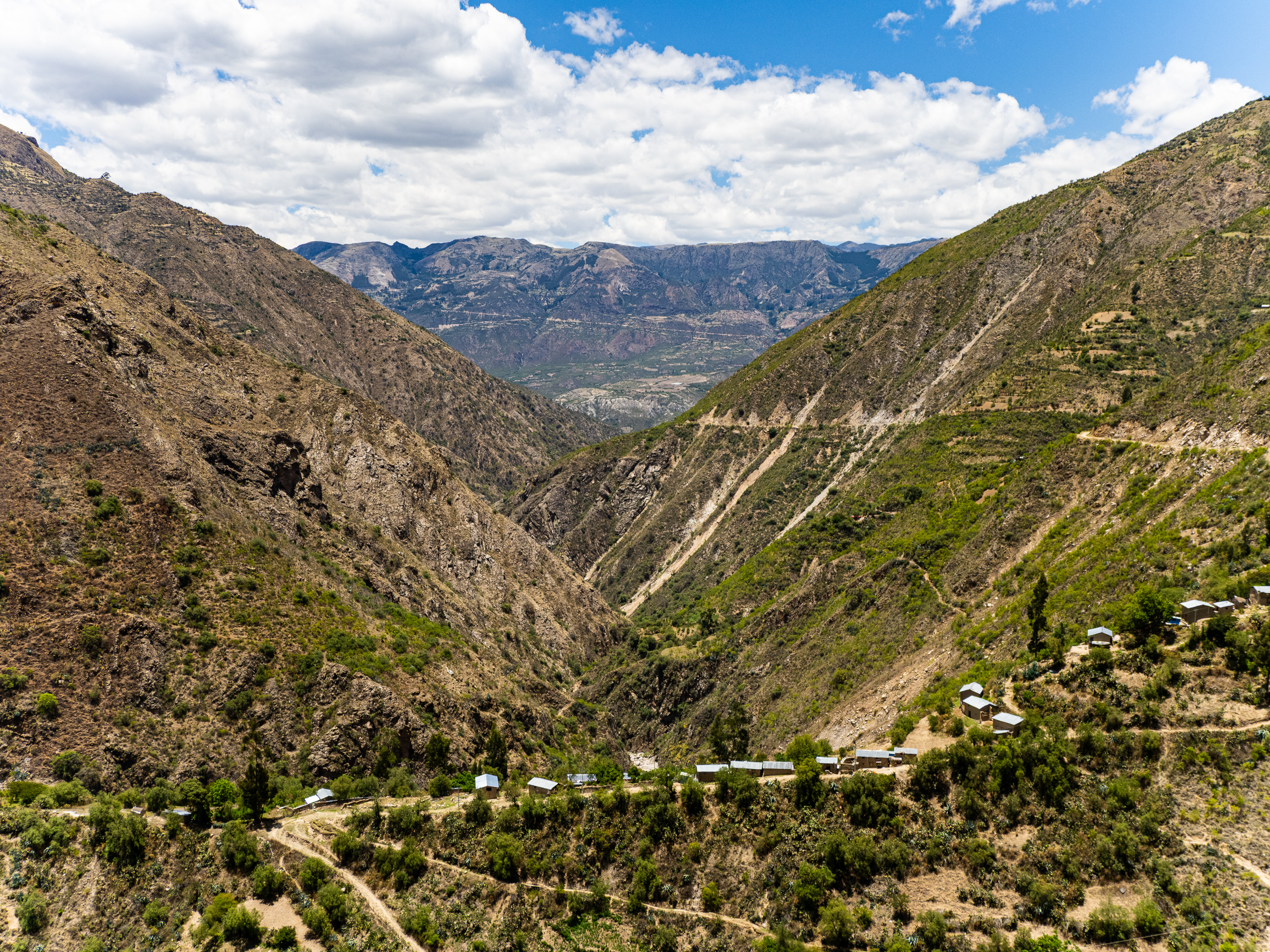
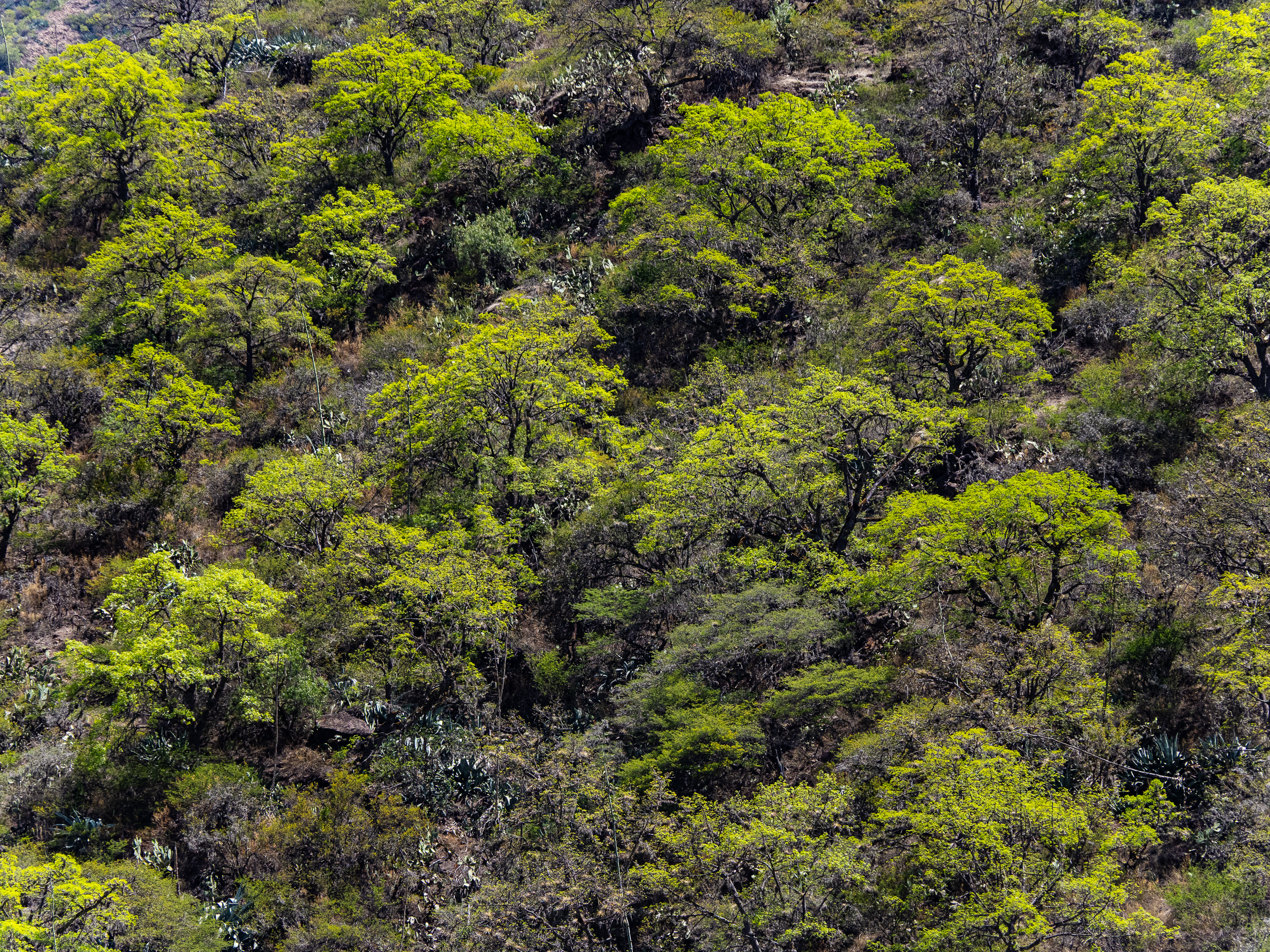
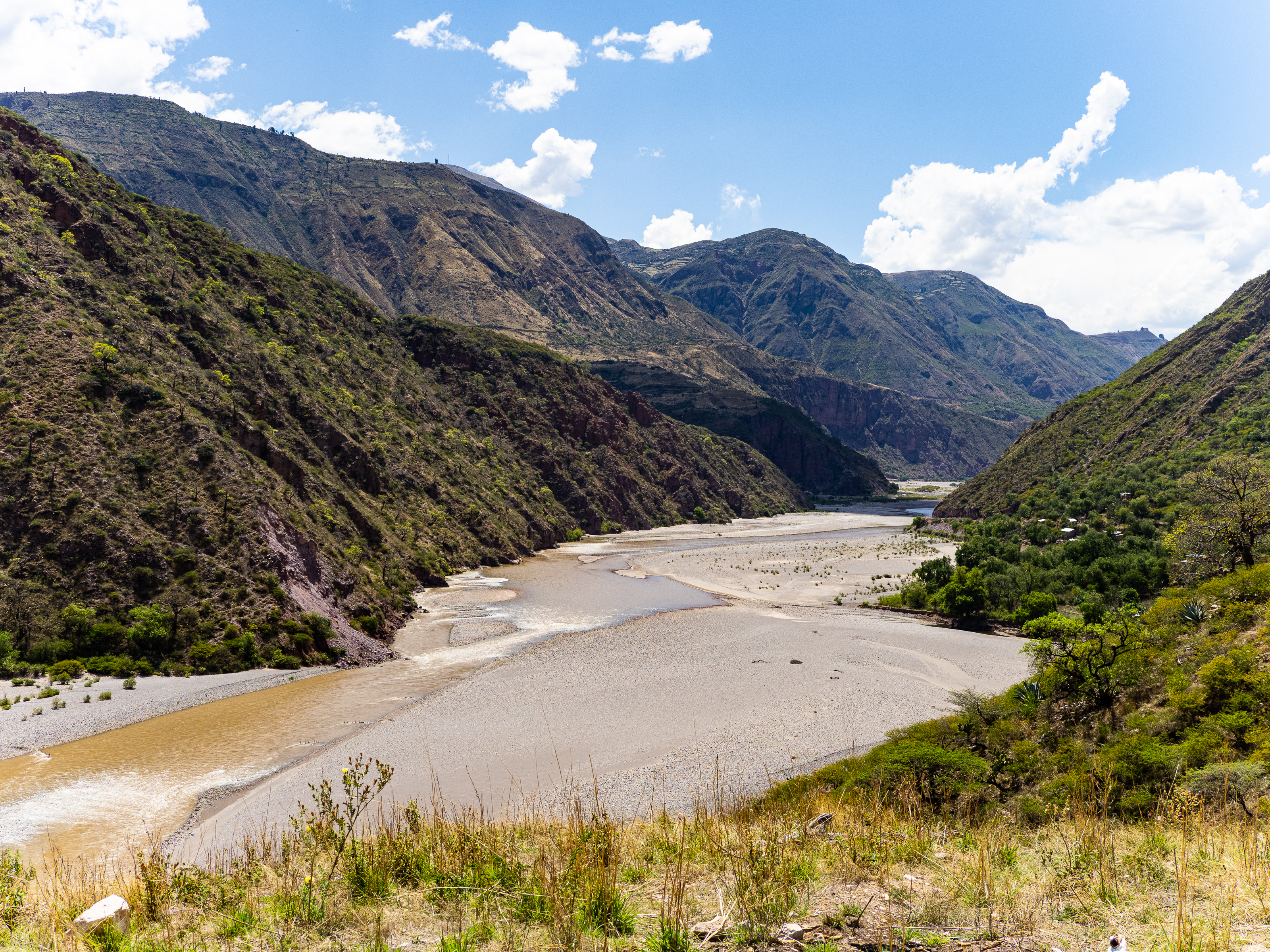
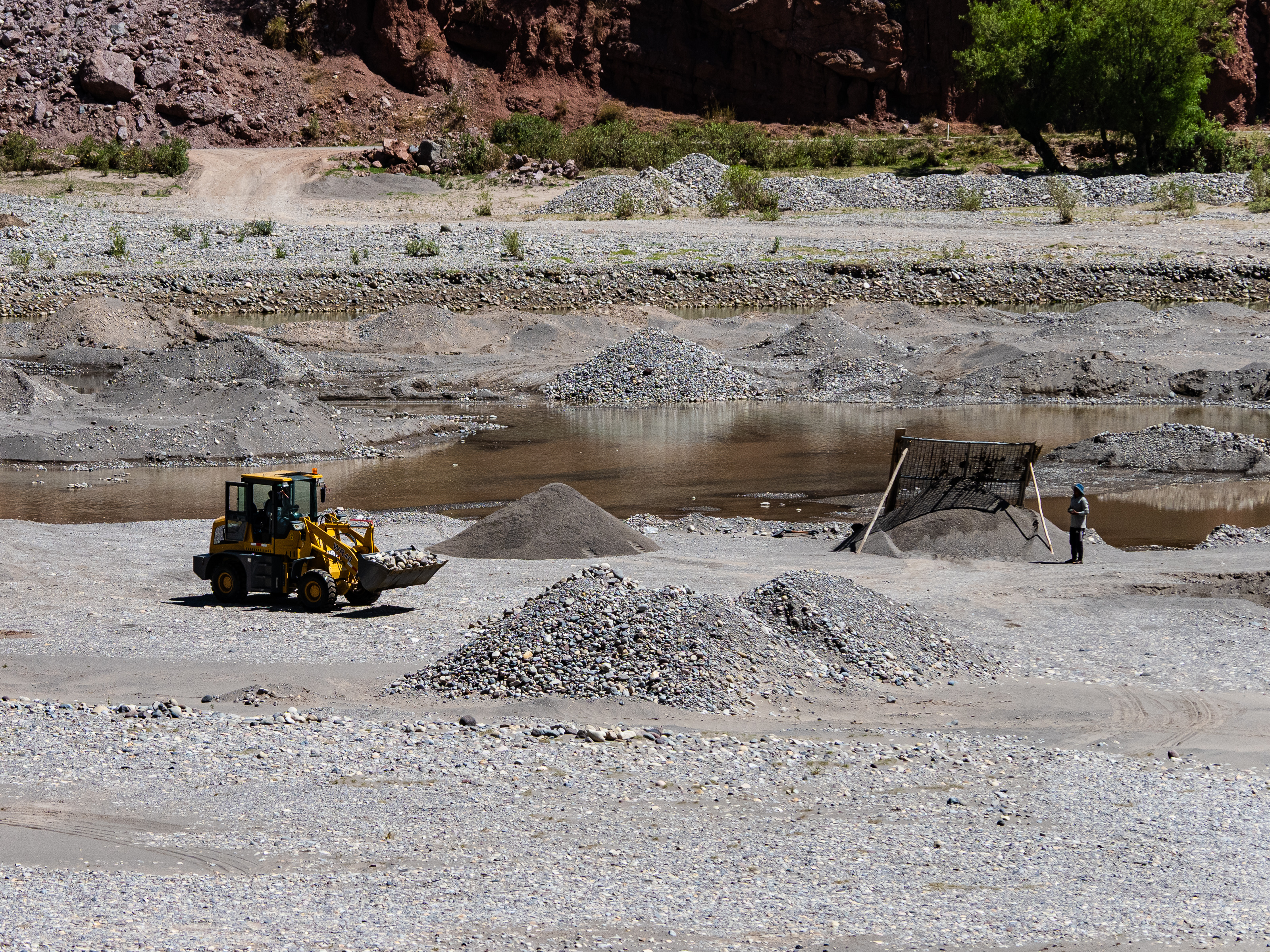
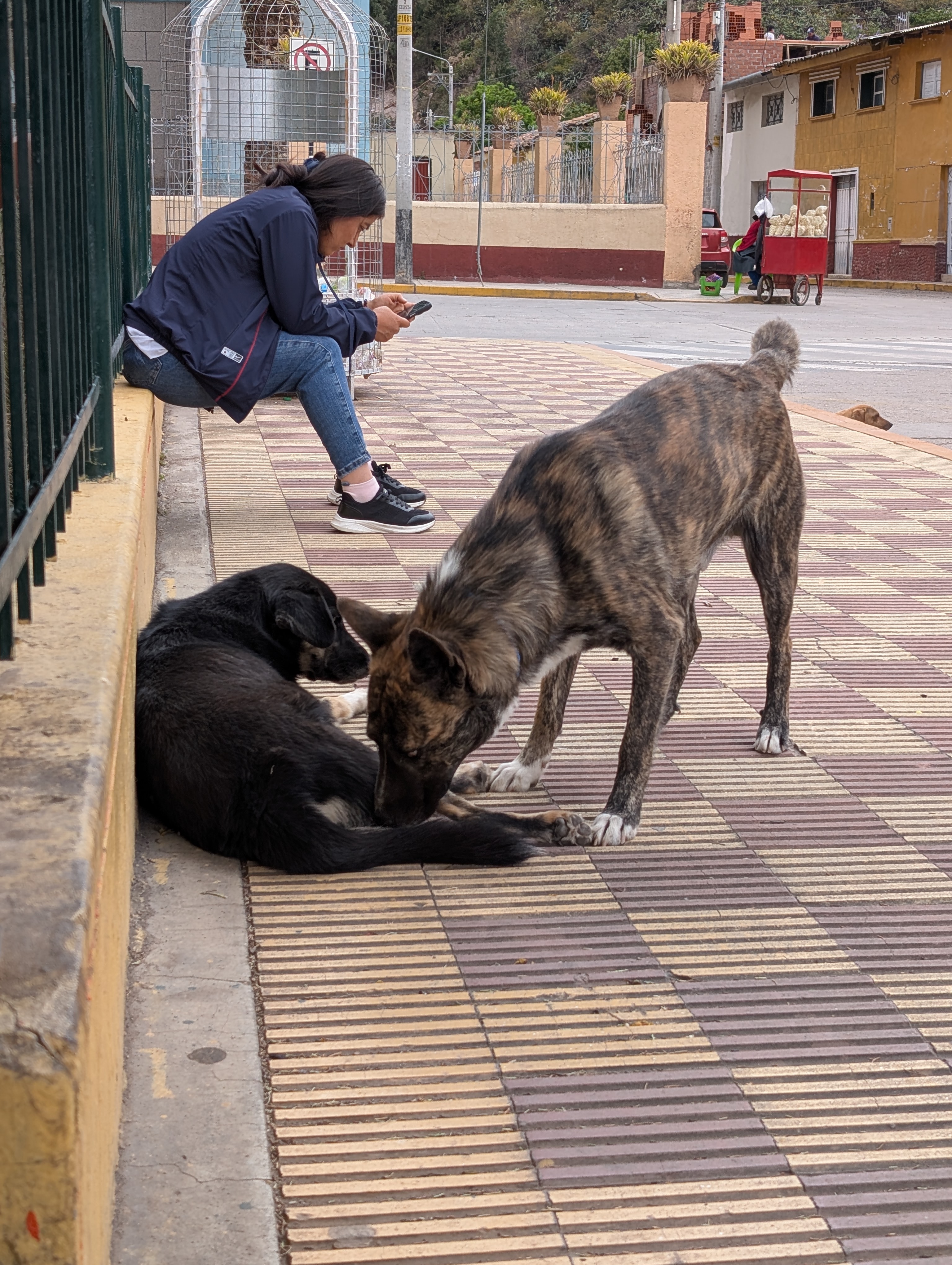
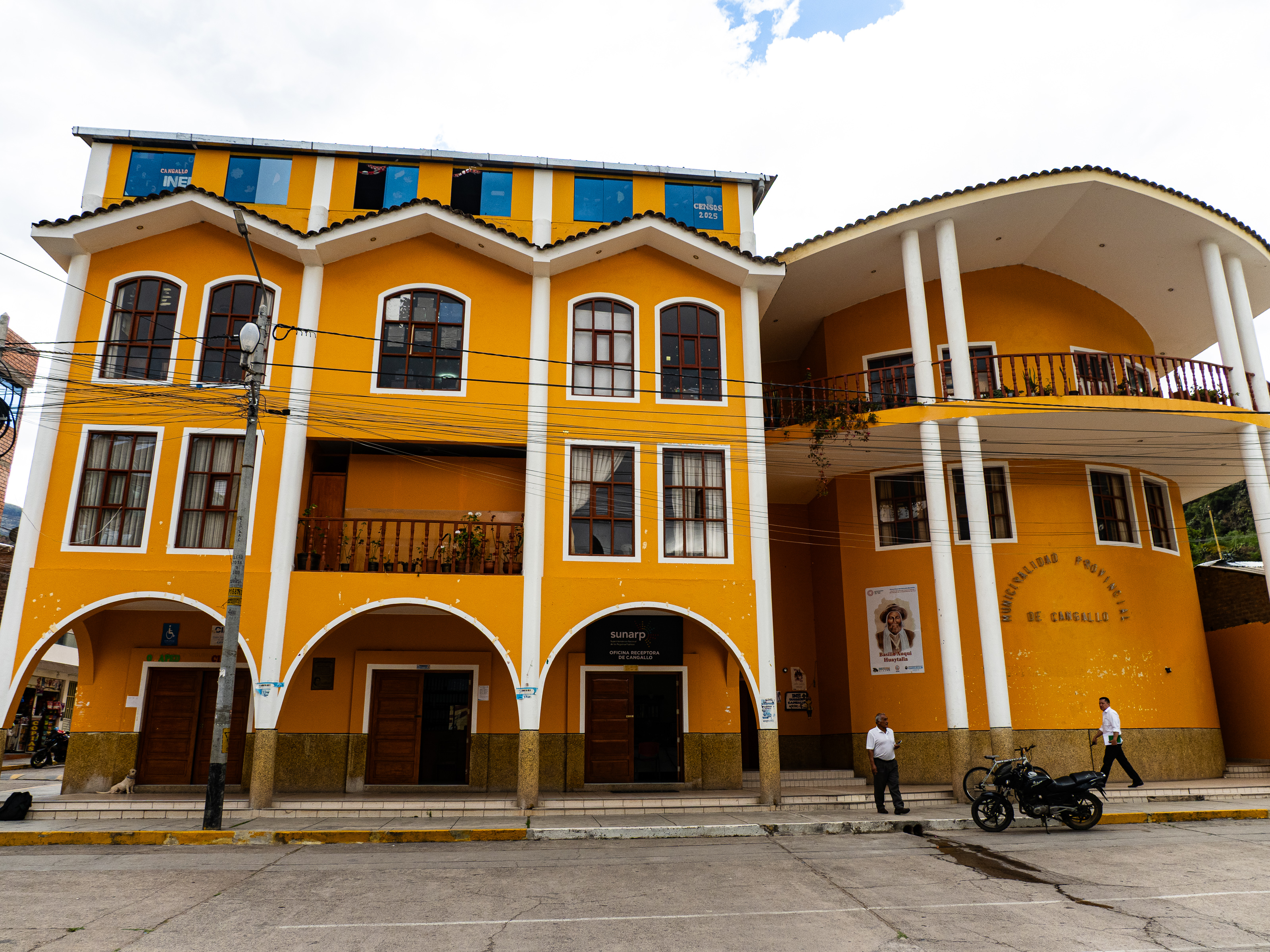
Eventually I hit the road again, turning back south along the Rio Pampas, followed by the Rio Qatupampa. I hunted for the perfect camp site, eventually settling on a spot just below the road. It was reasonably hidden and the only downside was the occasional driver honking to warn oncomers. It had been a pretty chill day, and I covered only 65 km, most of it downhill.
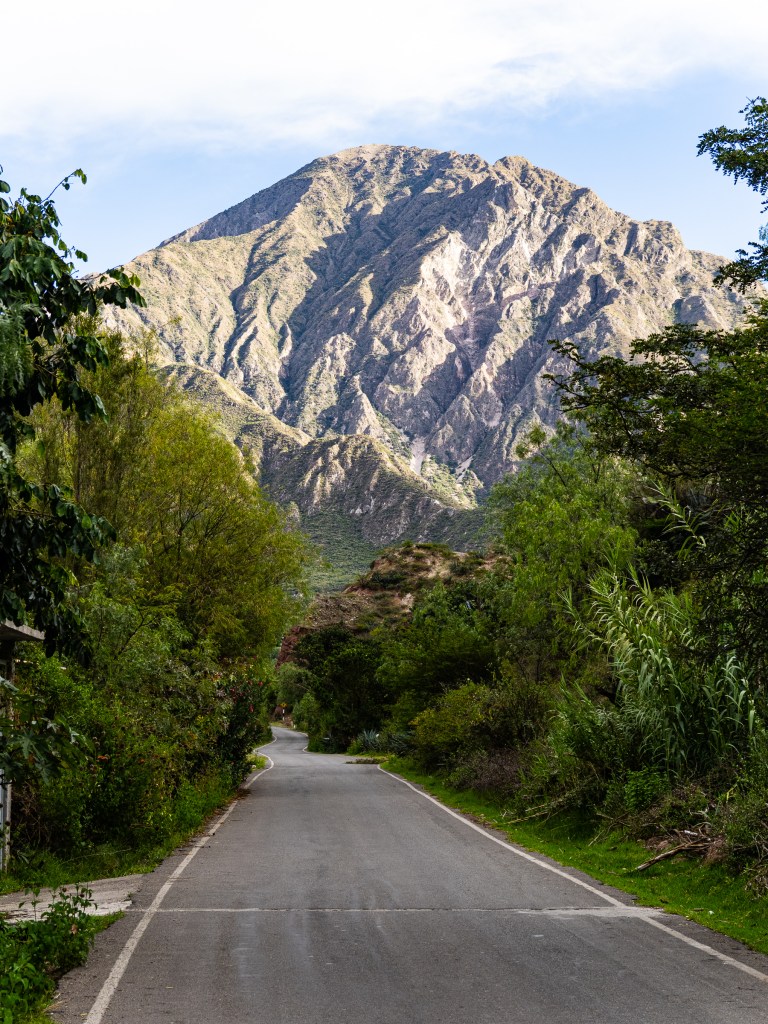
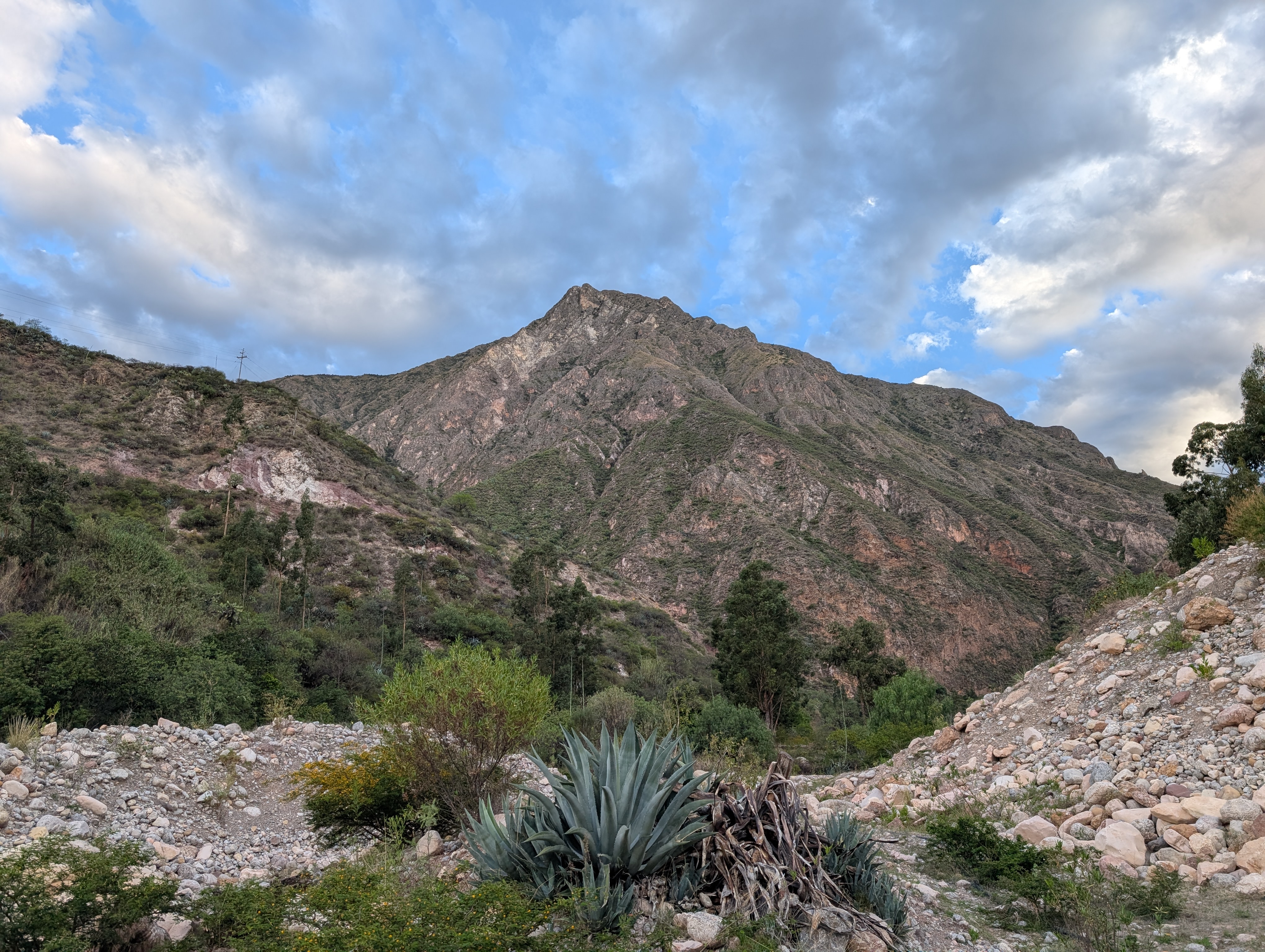
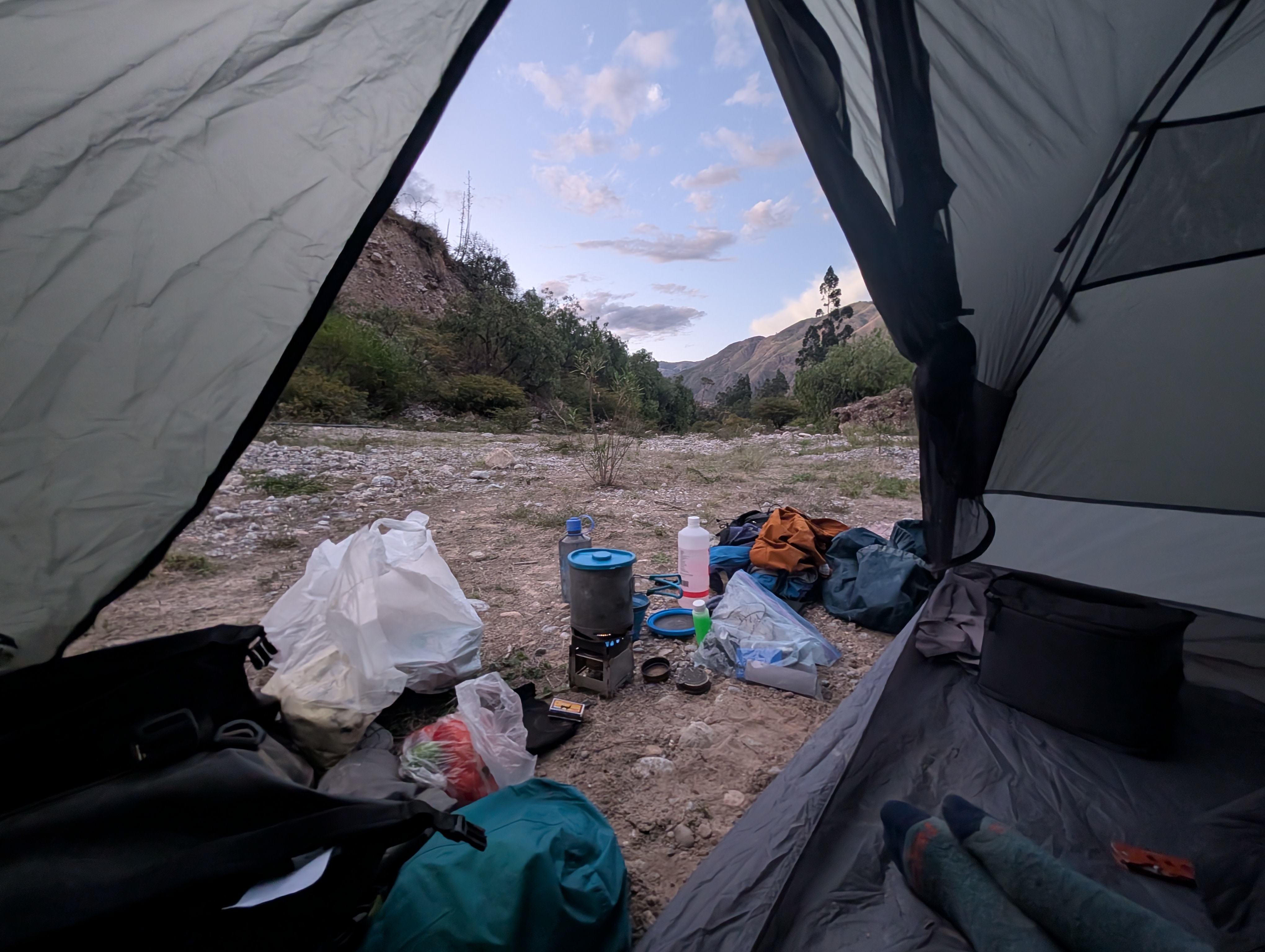
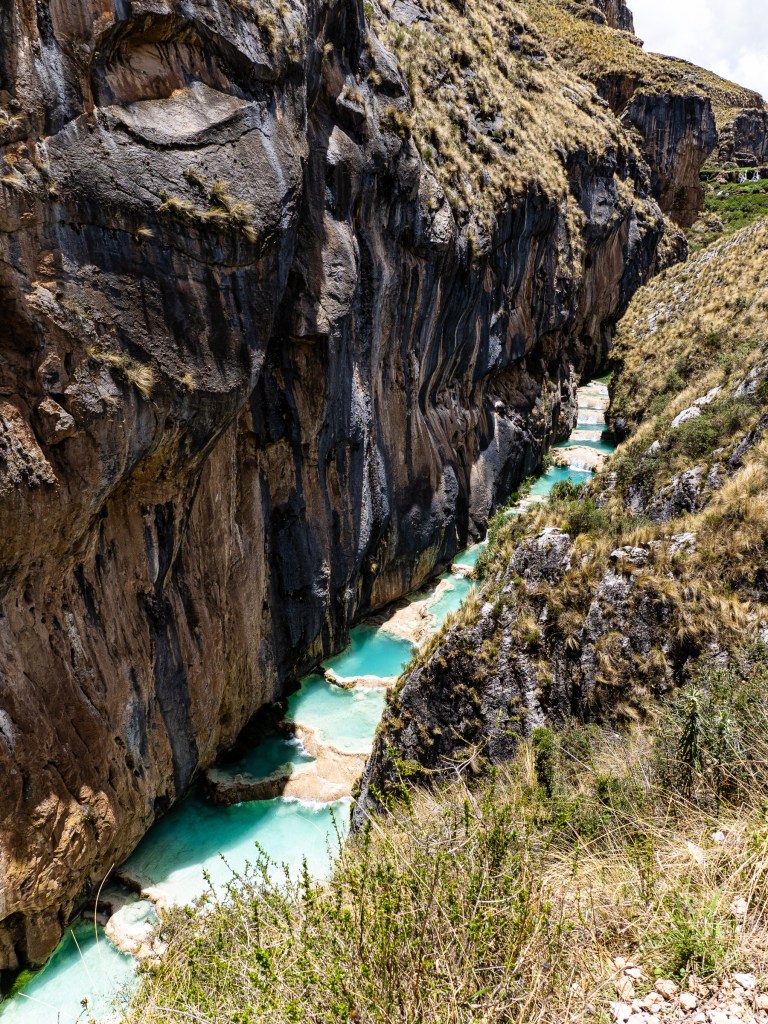
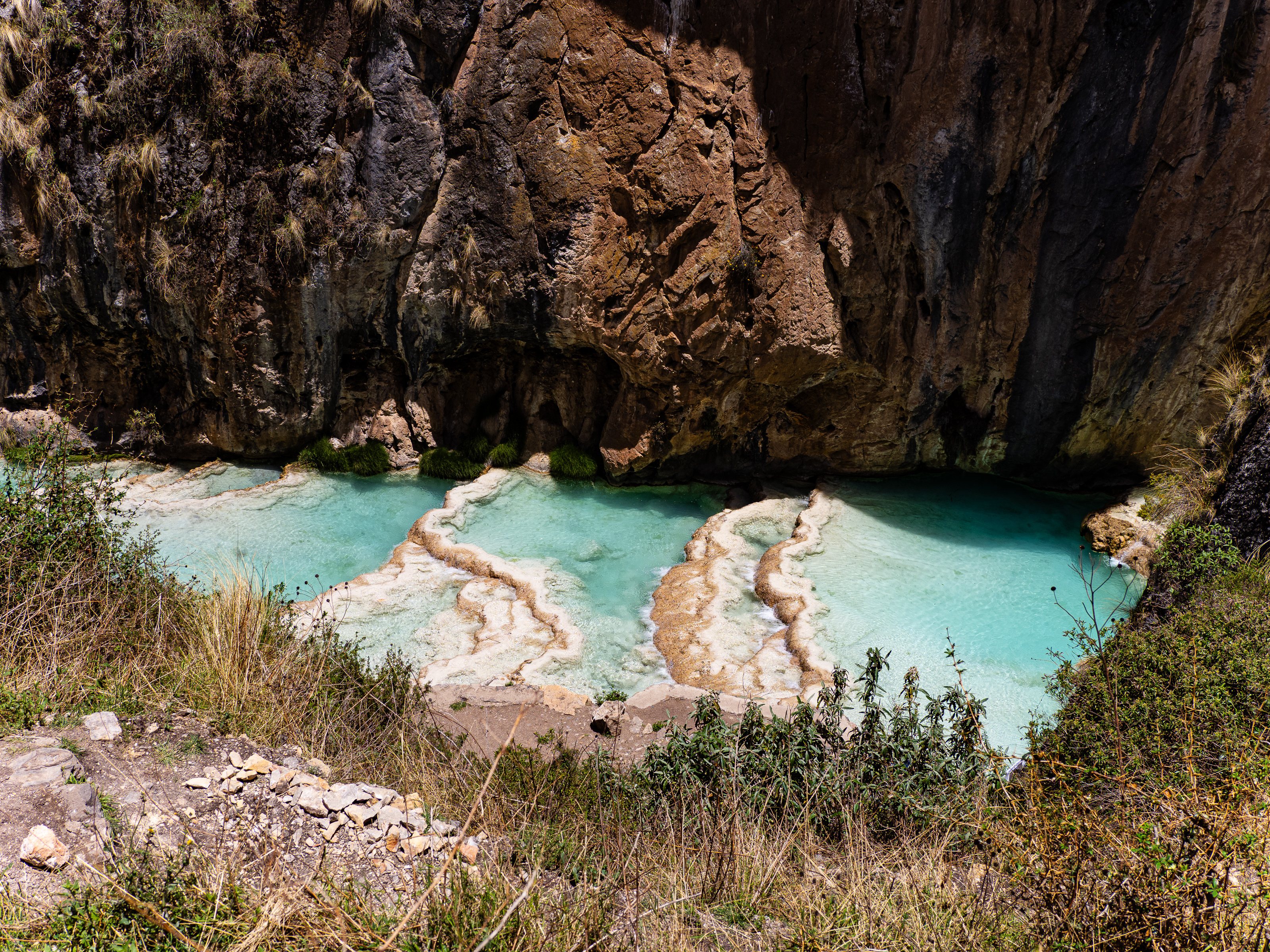
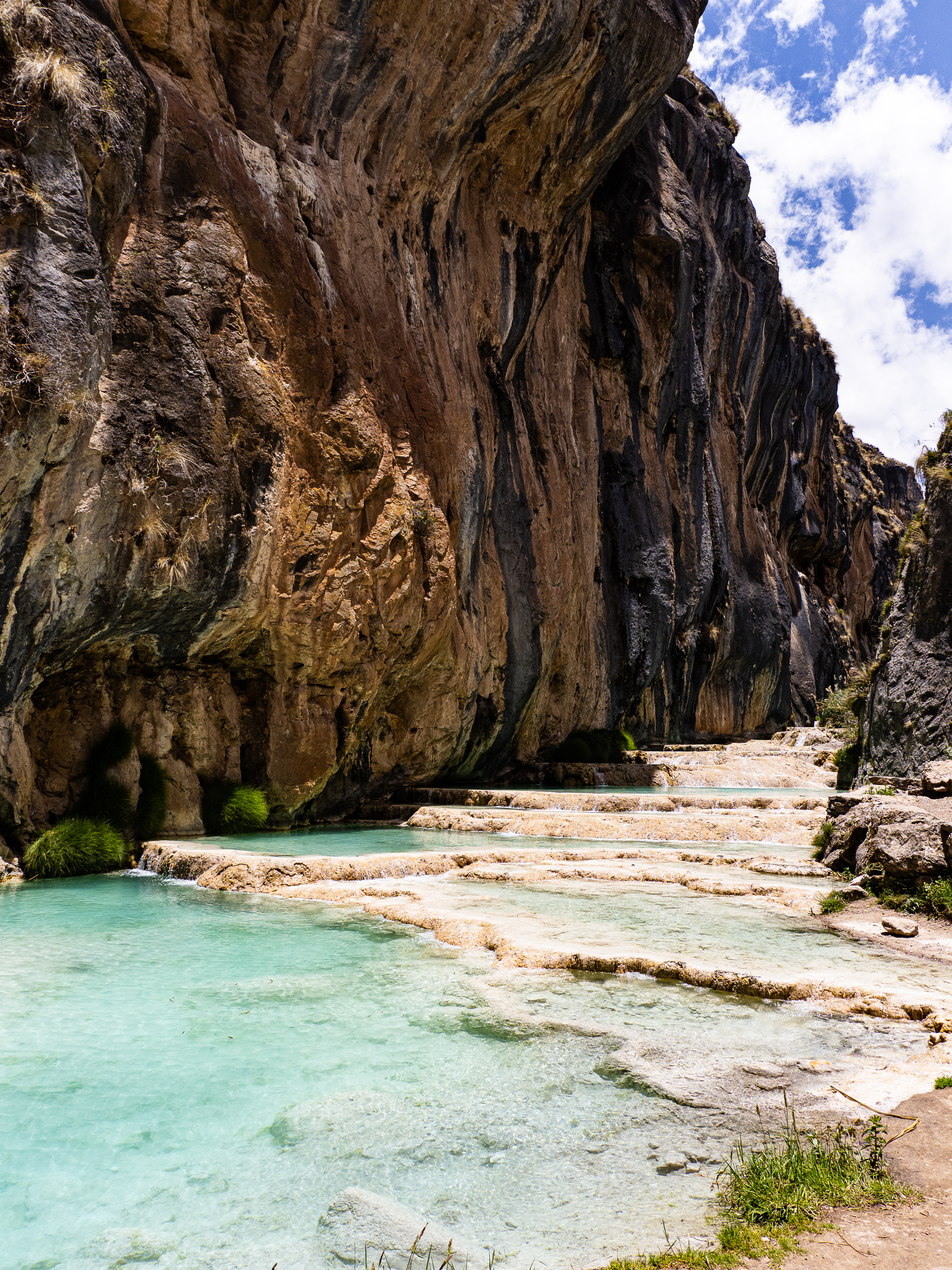
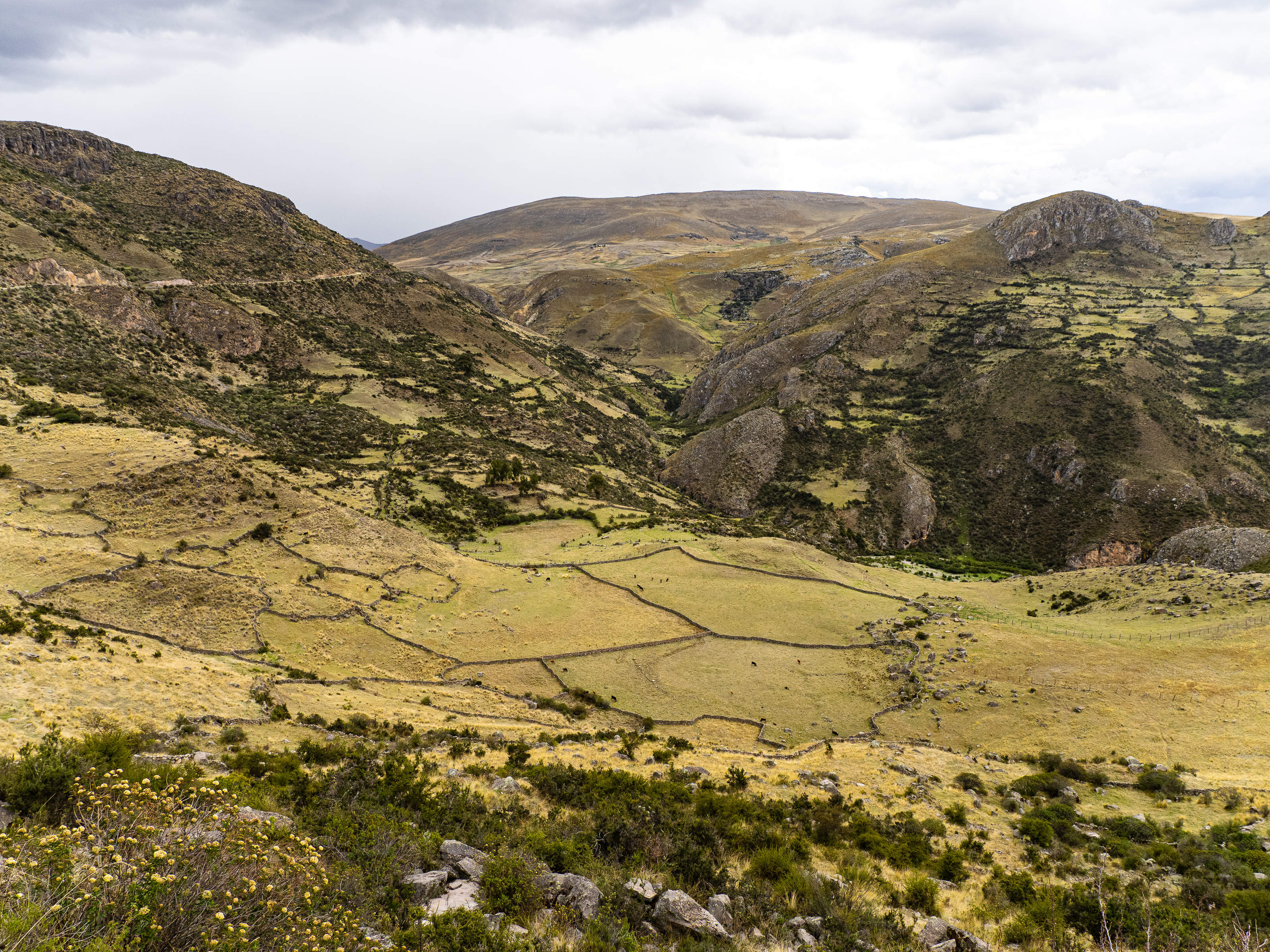
The next morning, I took off uphill and began the long climb towards Aguas Turquesas Millpu, a site known for it’s spectacular series of turquoise pools tucked beneath towering limestone cliffs. It’s pretty off-the-beaten track, but is somewhat famous on social media and I wondered if it match the hype. To get there, I had to climb nearly 1,200 m over 24 km. The first 9 km was on nice pavement, but then I turned onto a rough dirt road. I was pretty surprised the route to a well-known tourist attraction was this potholed. I climbed higher, passing through the small village of Huancaraylla. From there, the road dropped, then began a steep series of switchbacks to Circamarca and onwards towards Millpu.
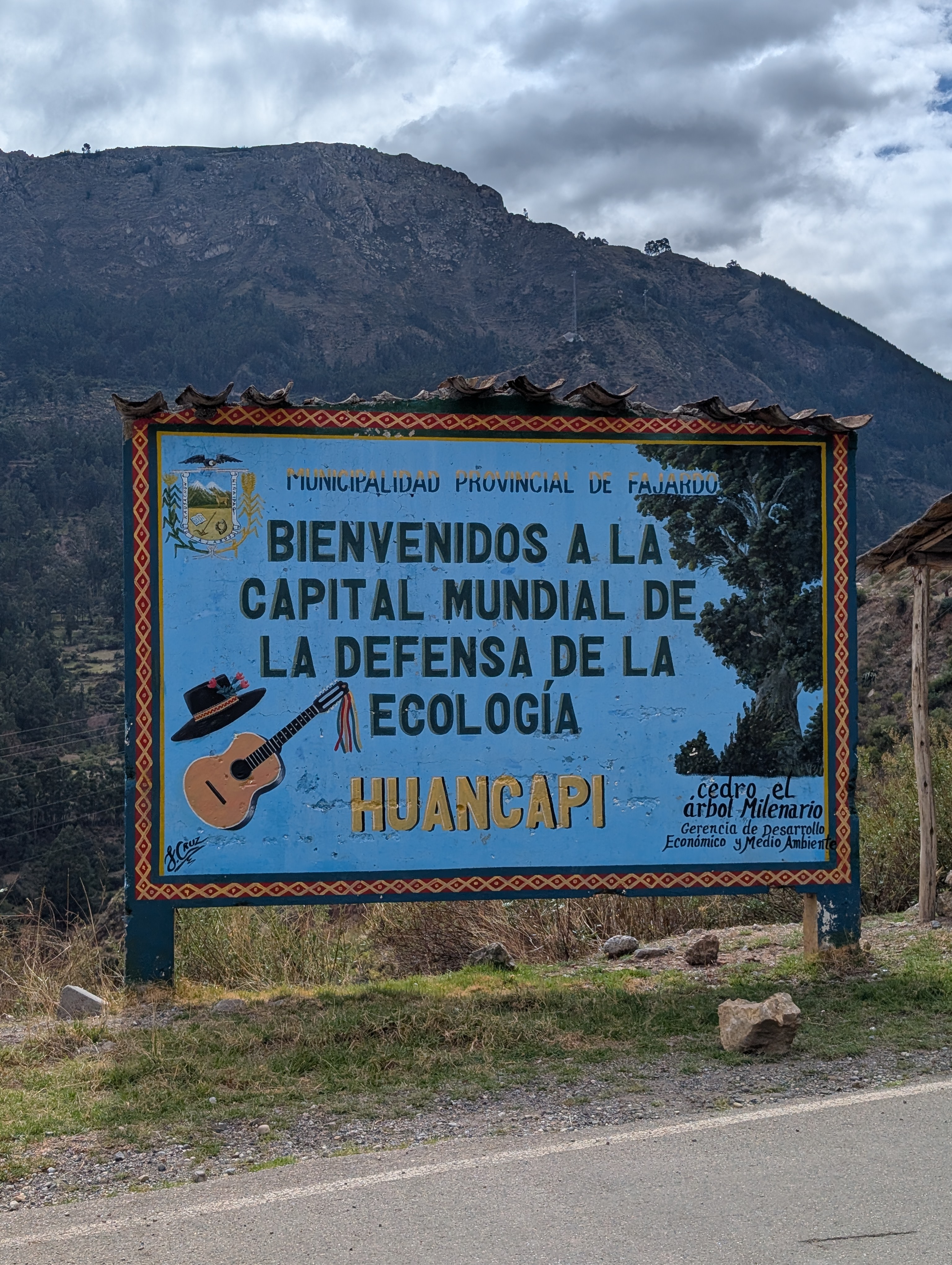
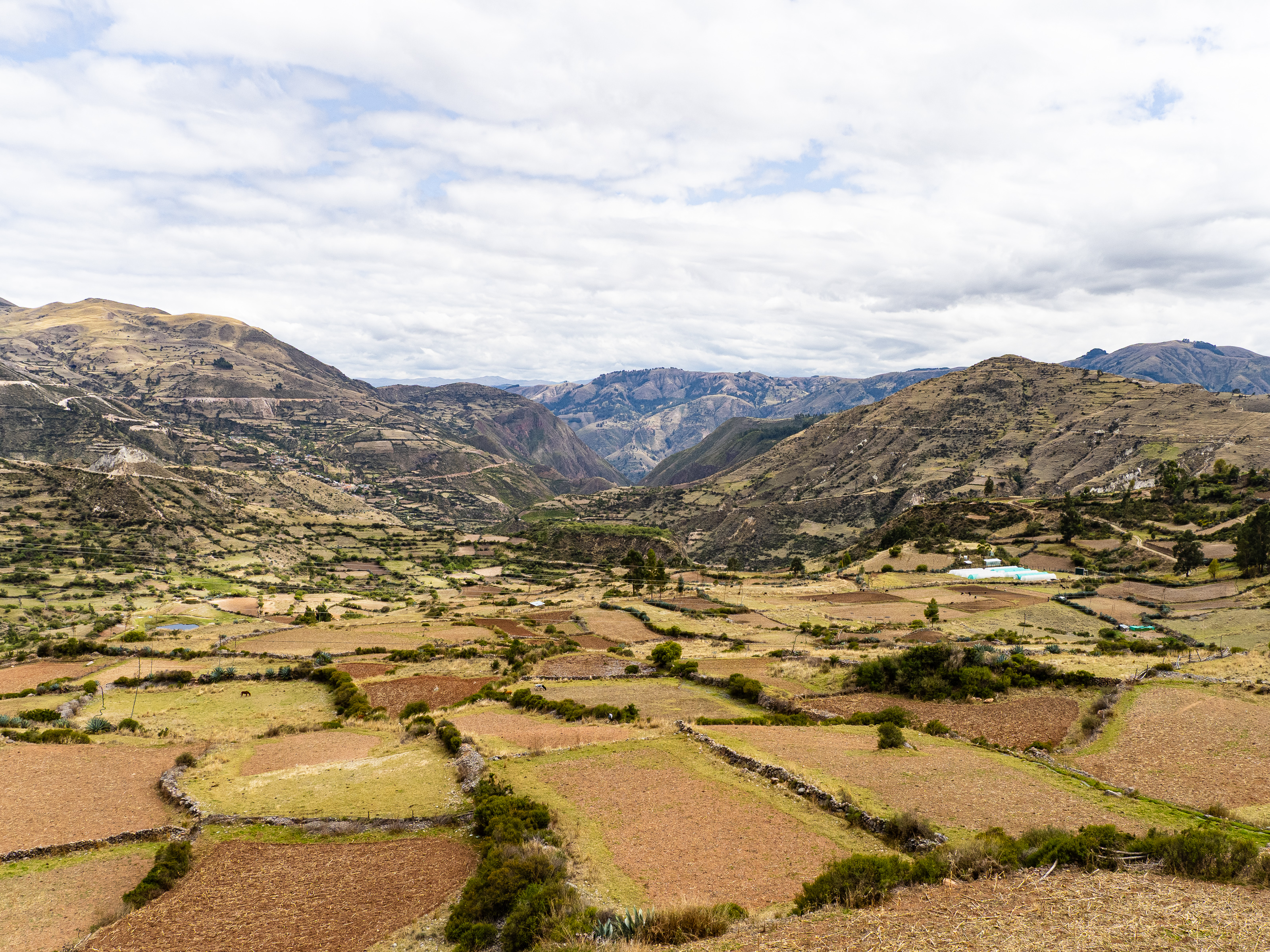
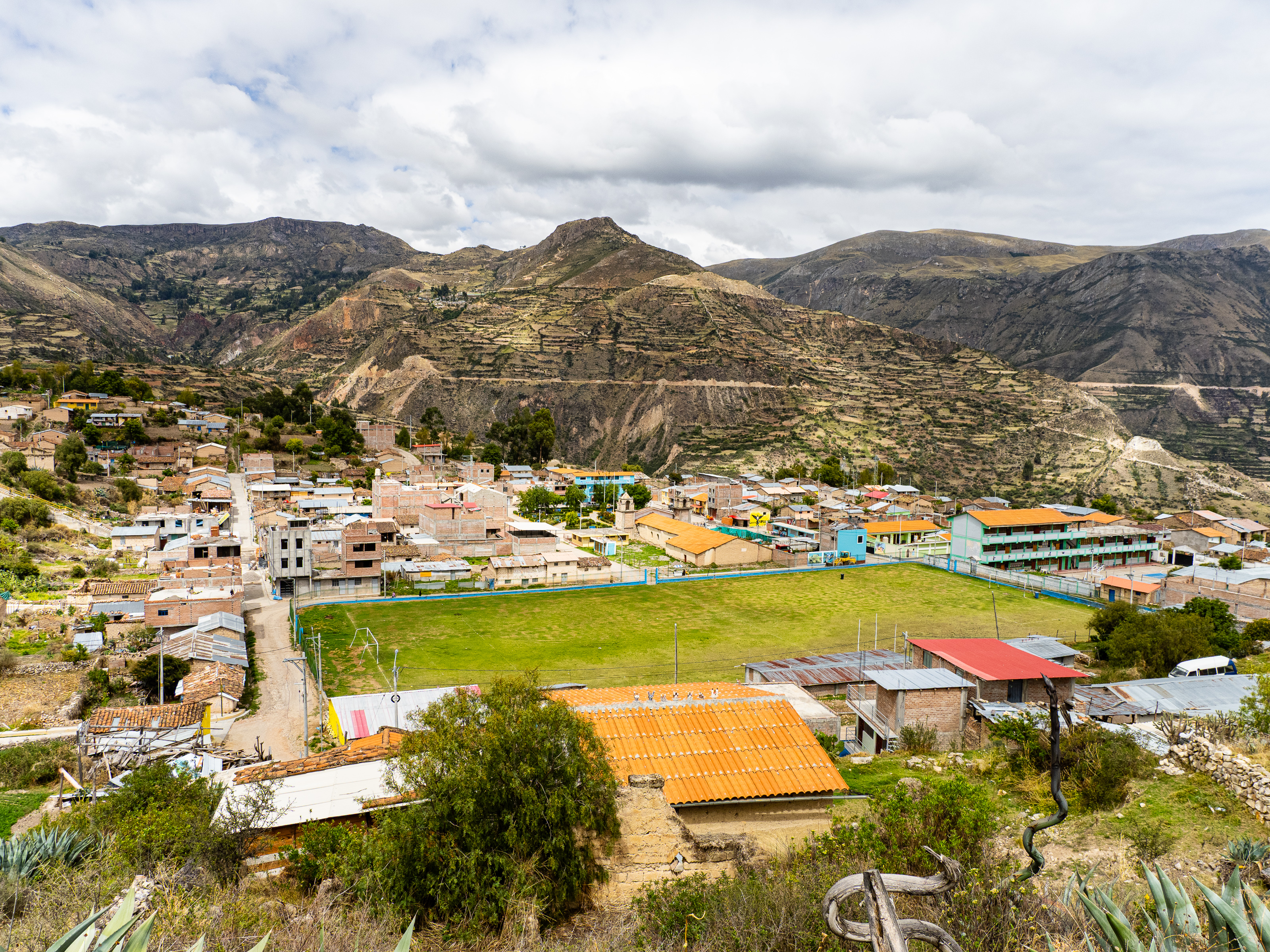
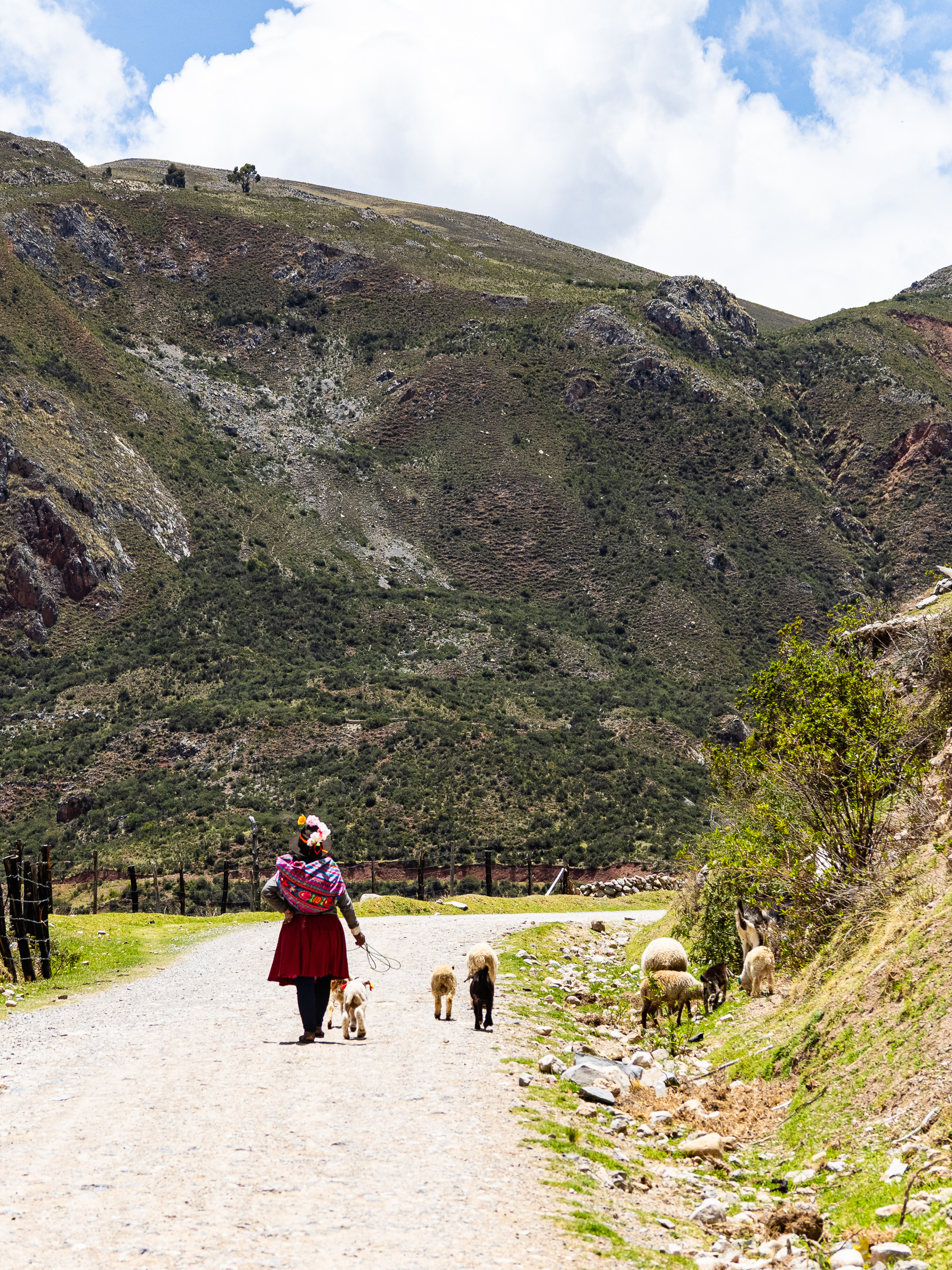
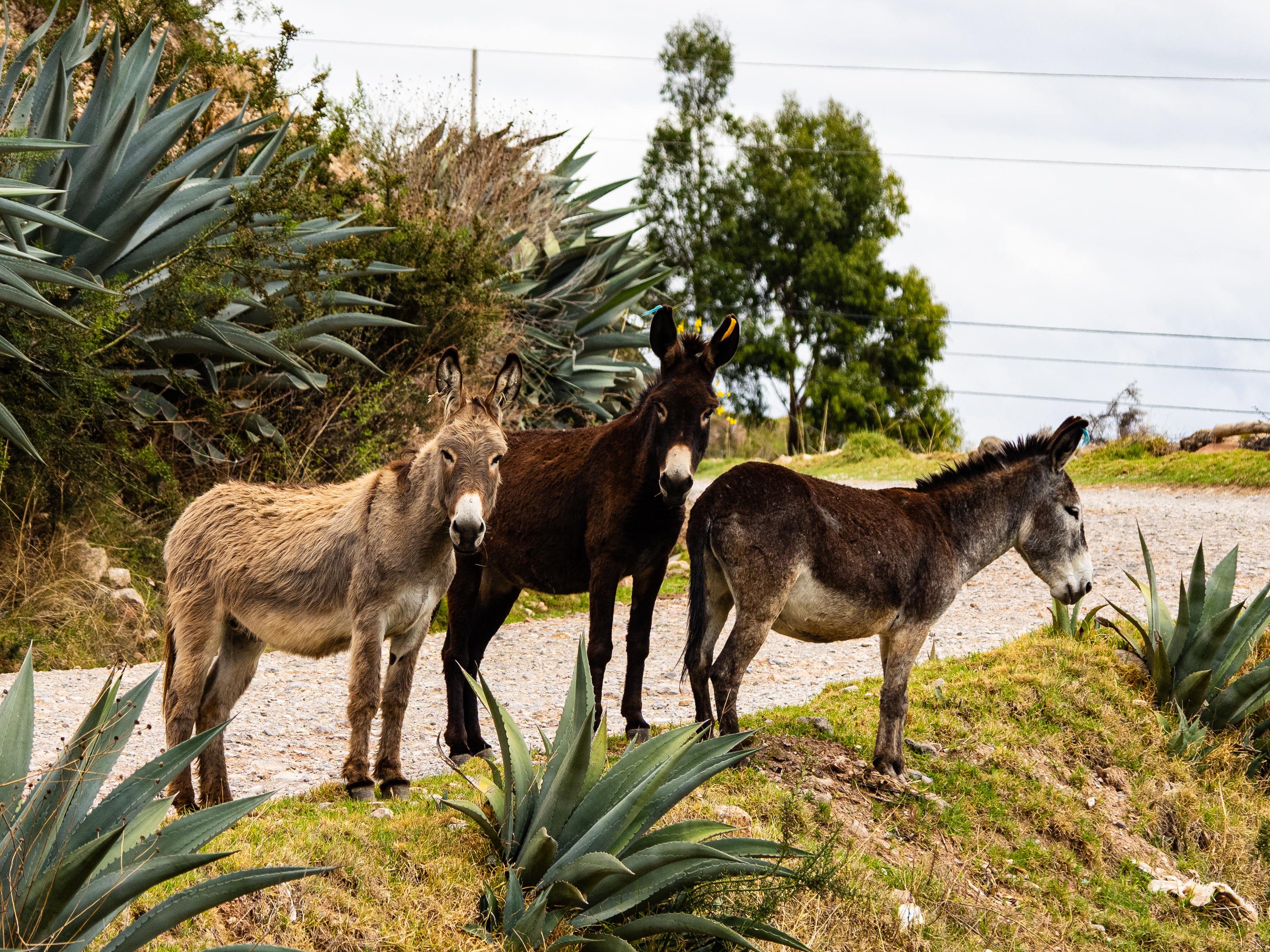
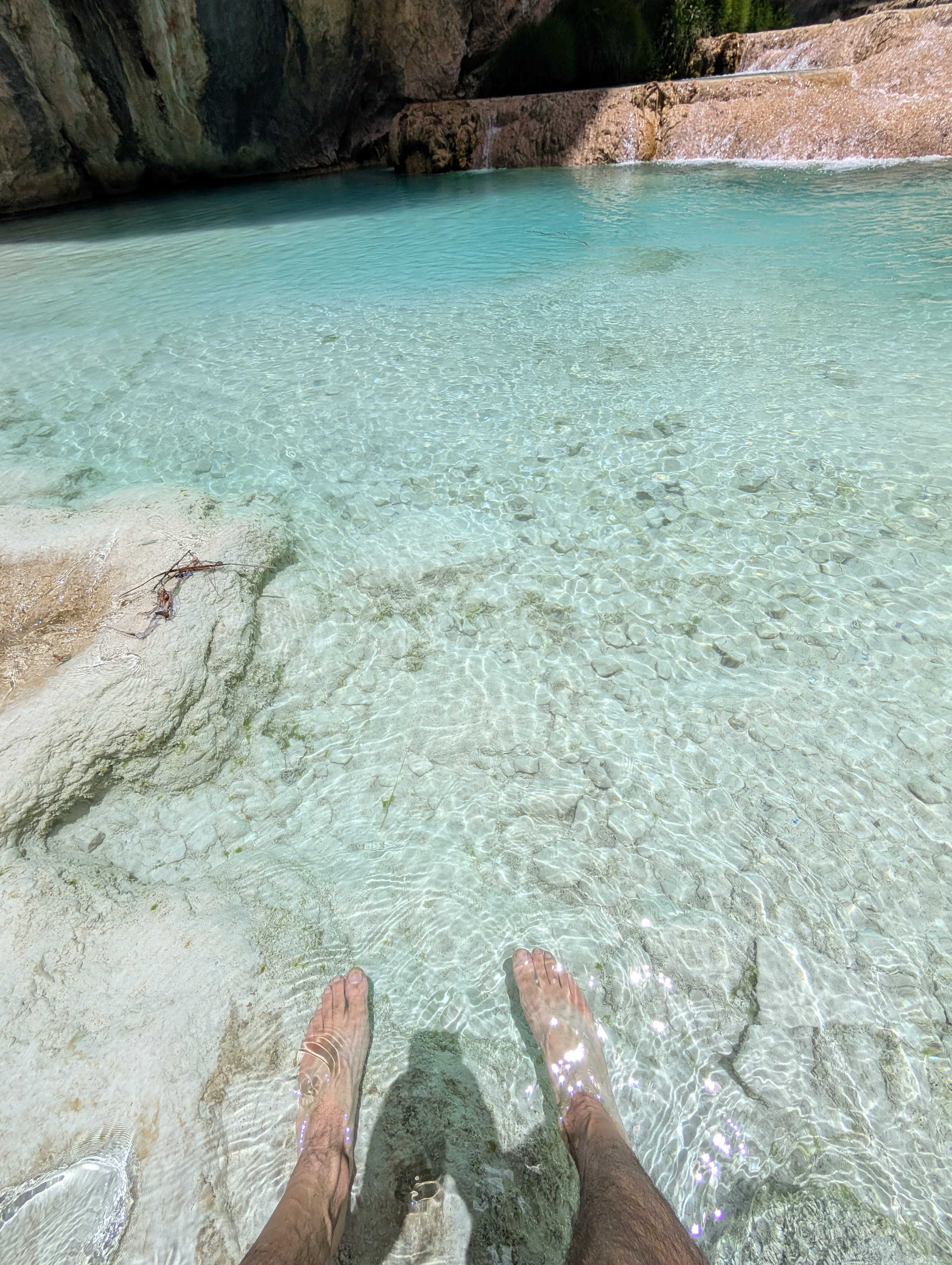
Millpu is the most well known tourist site in Ayacucho and probably the only one that lures foreigners to the region. I expected to see loads of buses when I arrived, but instead, I arrived at a large, empty parking lot. I paid the 15 soles entry fee and quickly hiked to the viewpoint. The pools were incredible and lived up to the hype. The rich turquoise colour reminded me of the glacial lakes of the Canadian Rockies, and the towering cliffs above added to the dramatic landscape. I felt so fortunate to be the only one there and I made the short walk down to the river so I could see the pools up close.
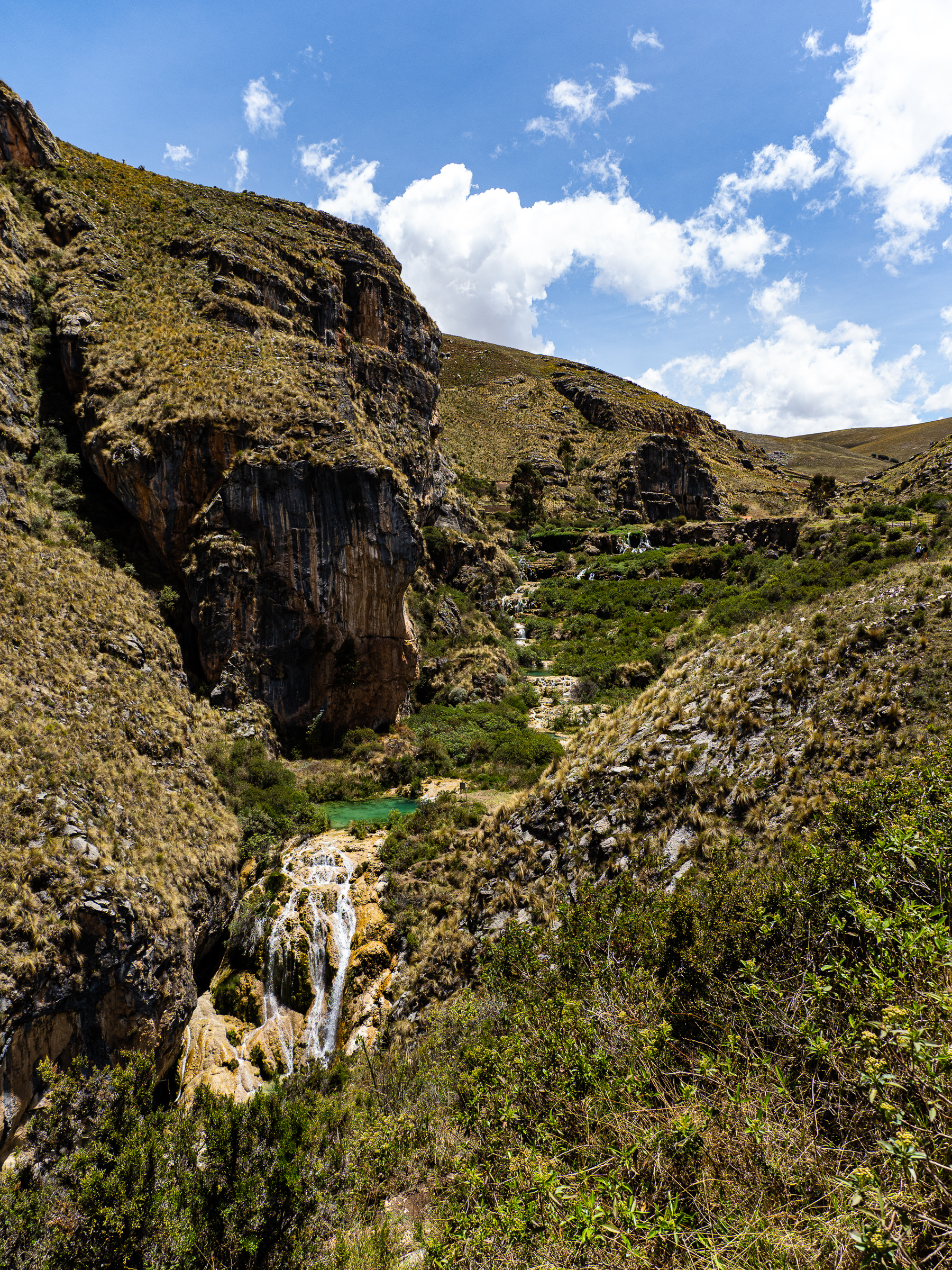
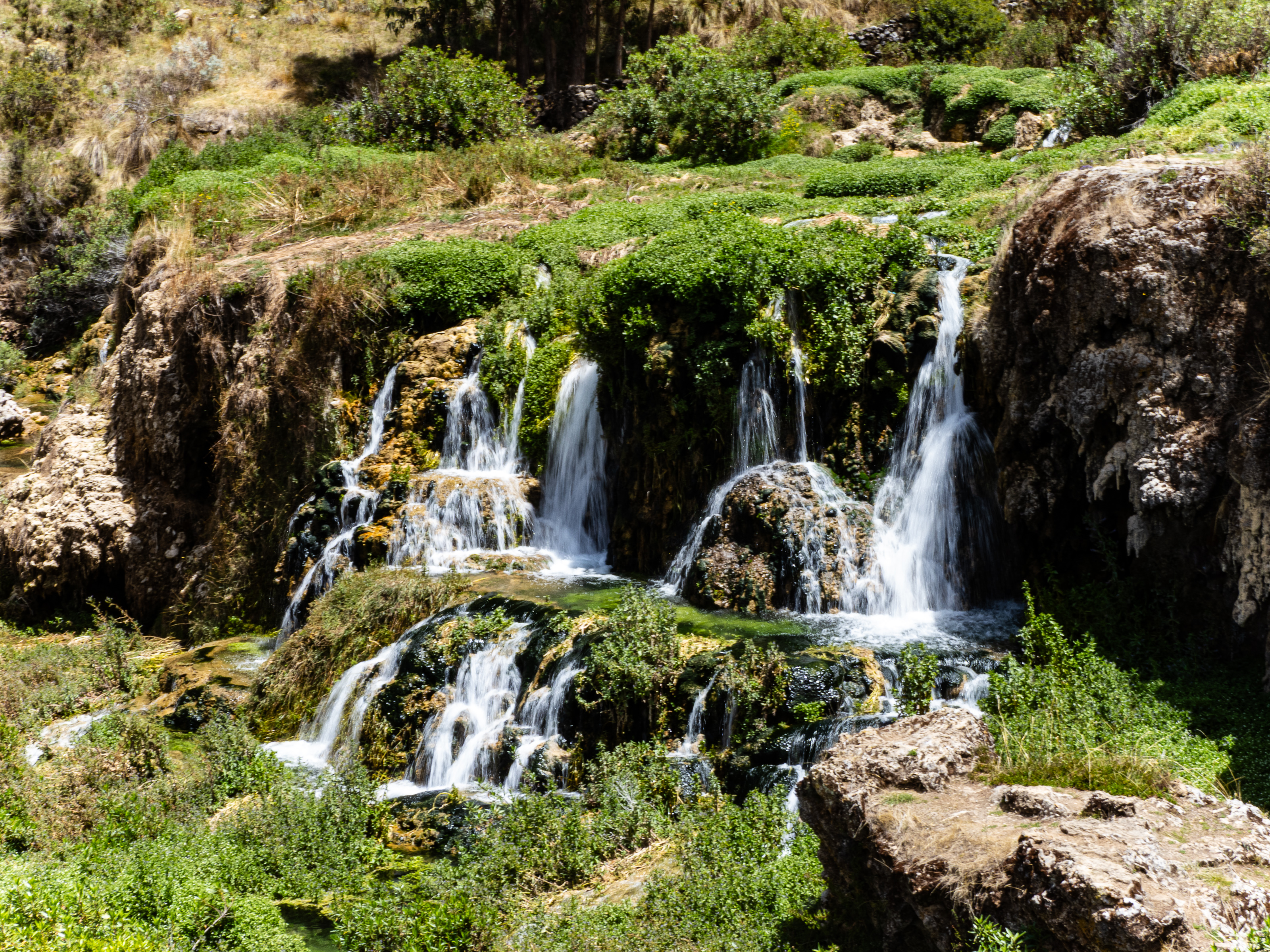
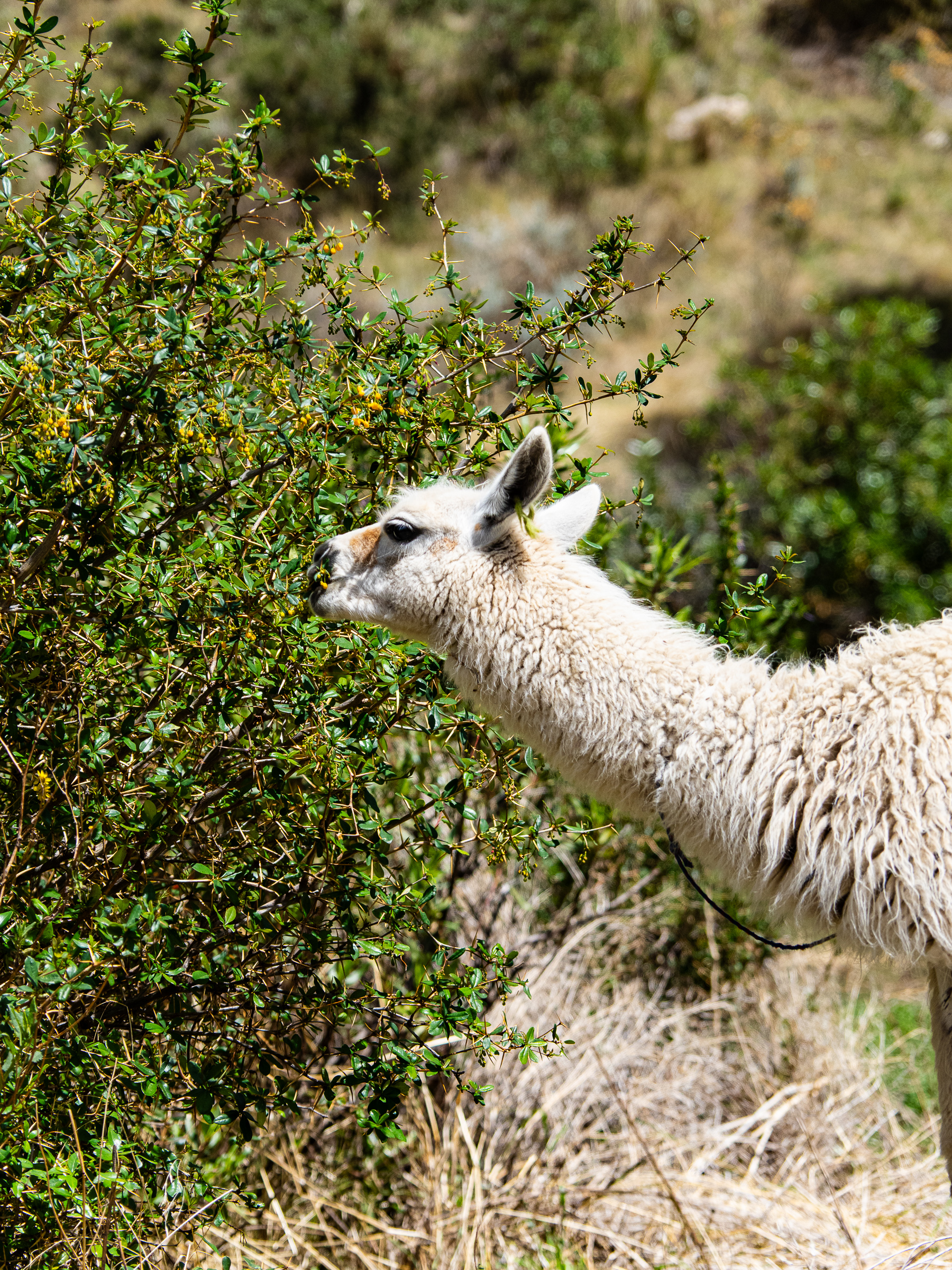
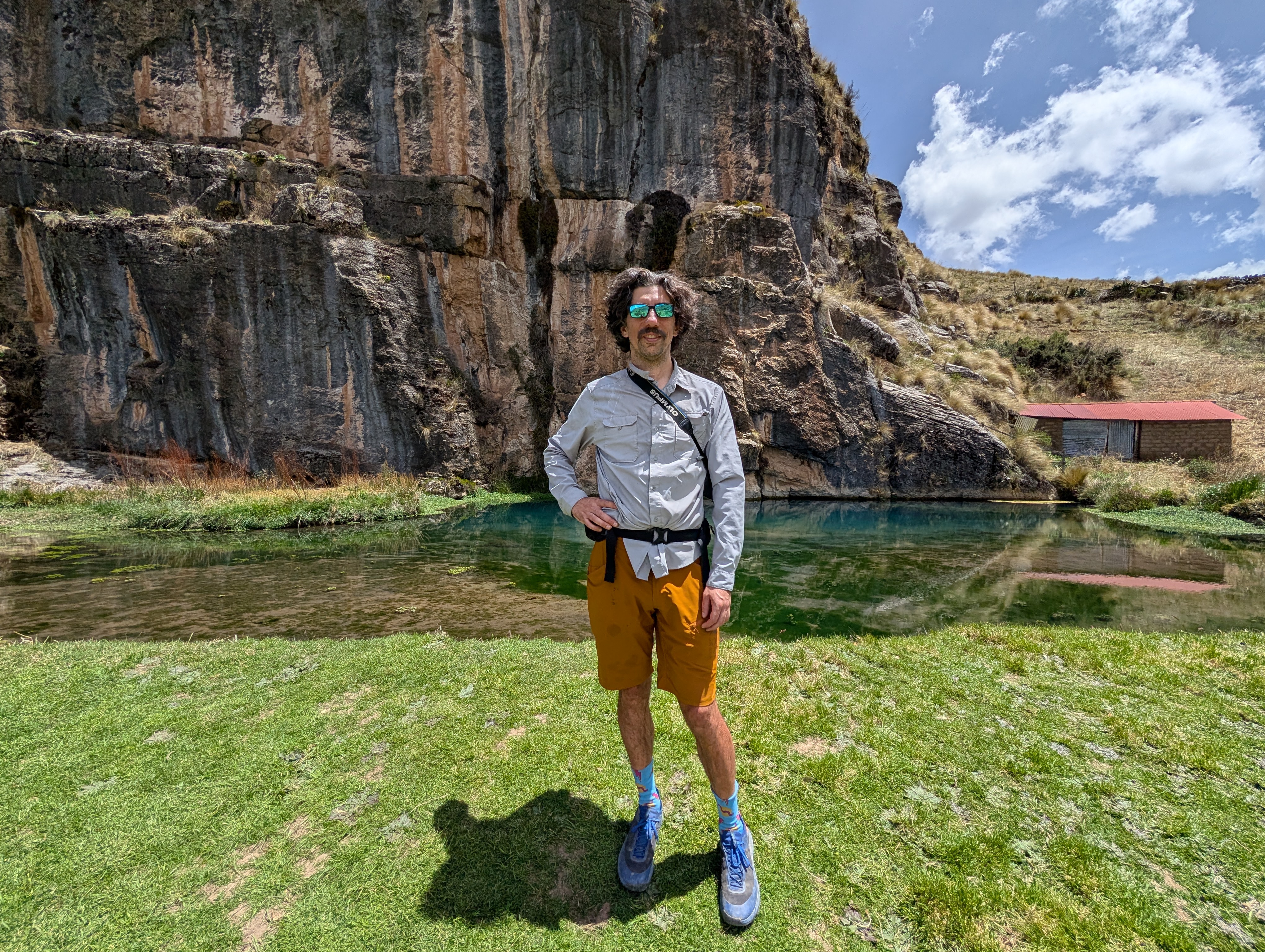
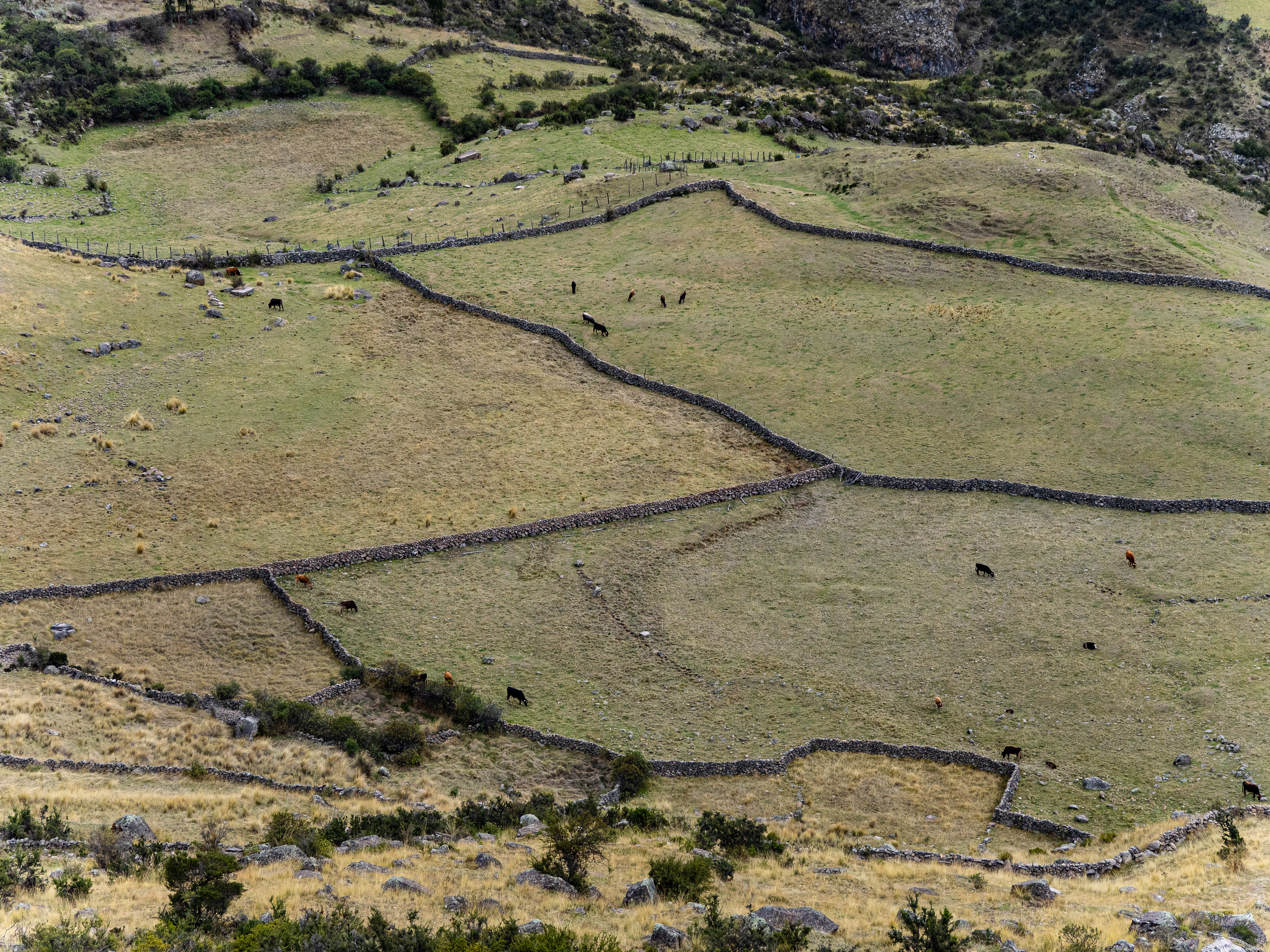
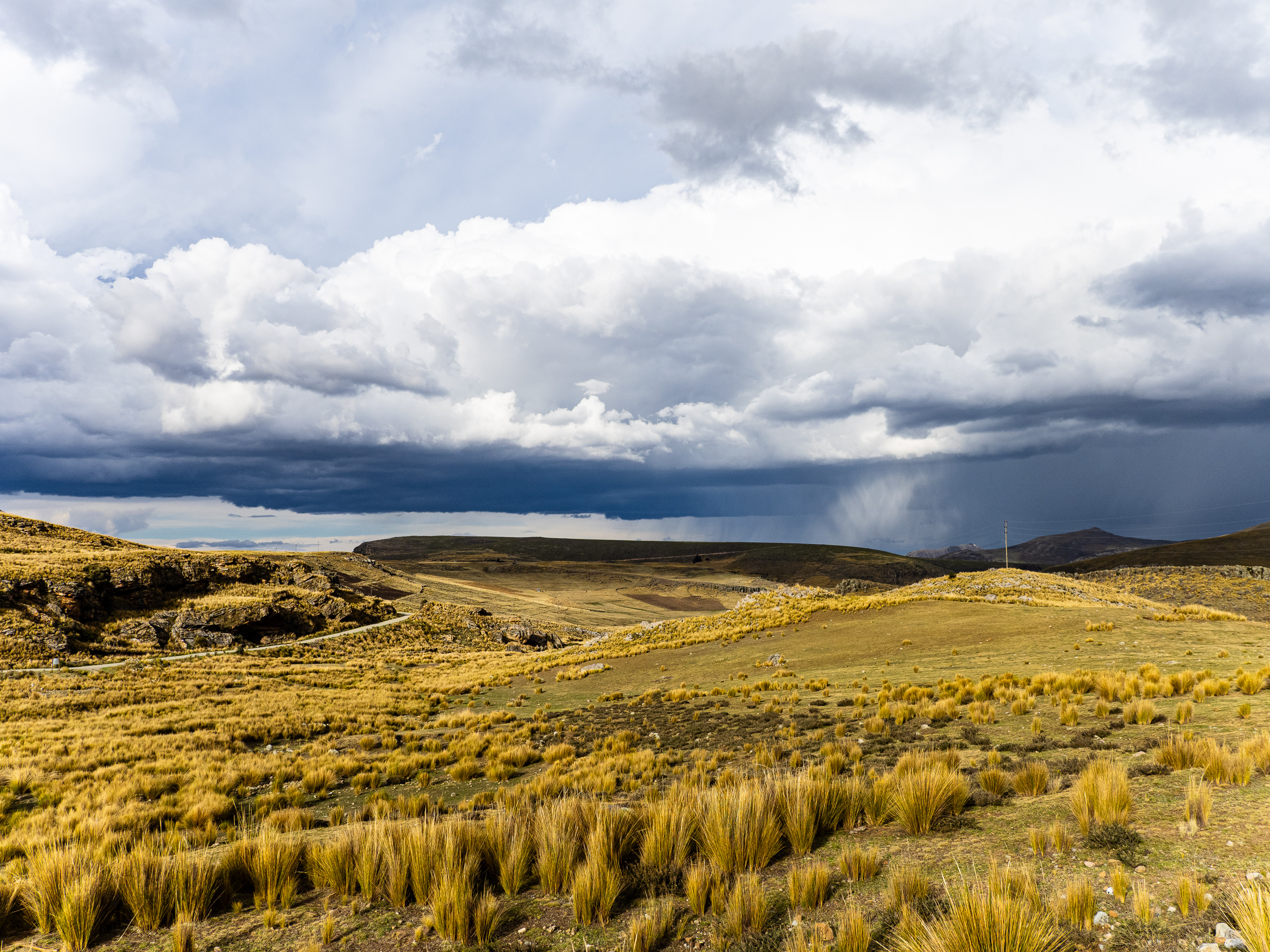
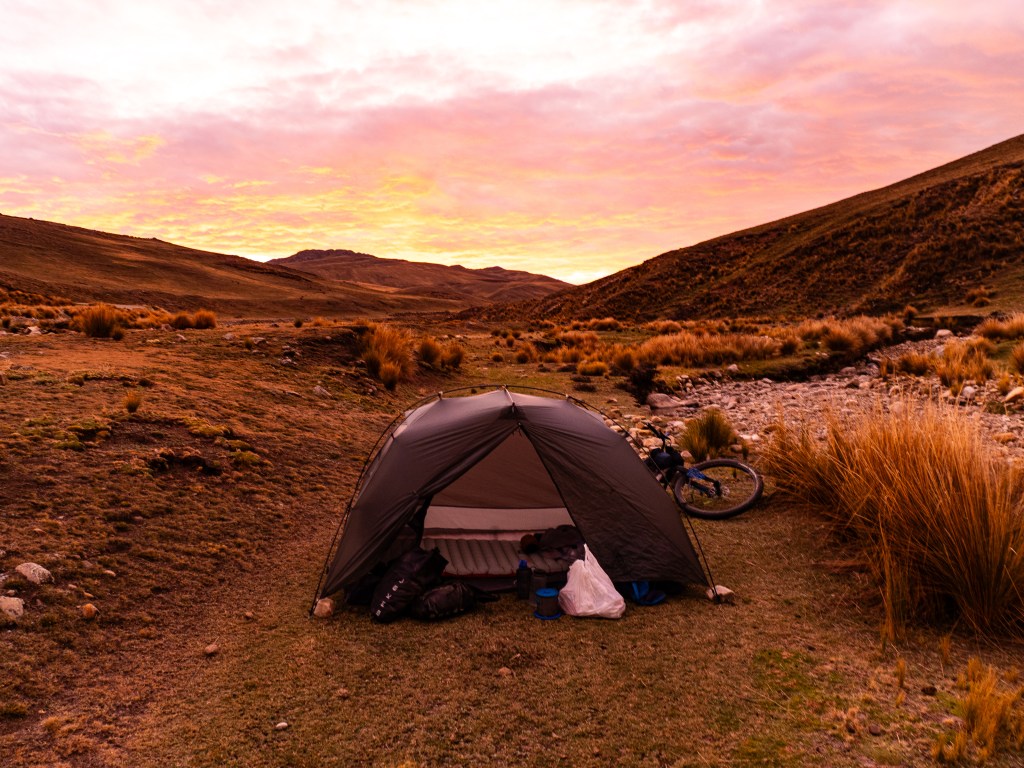
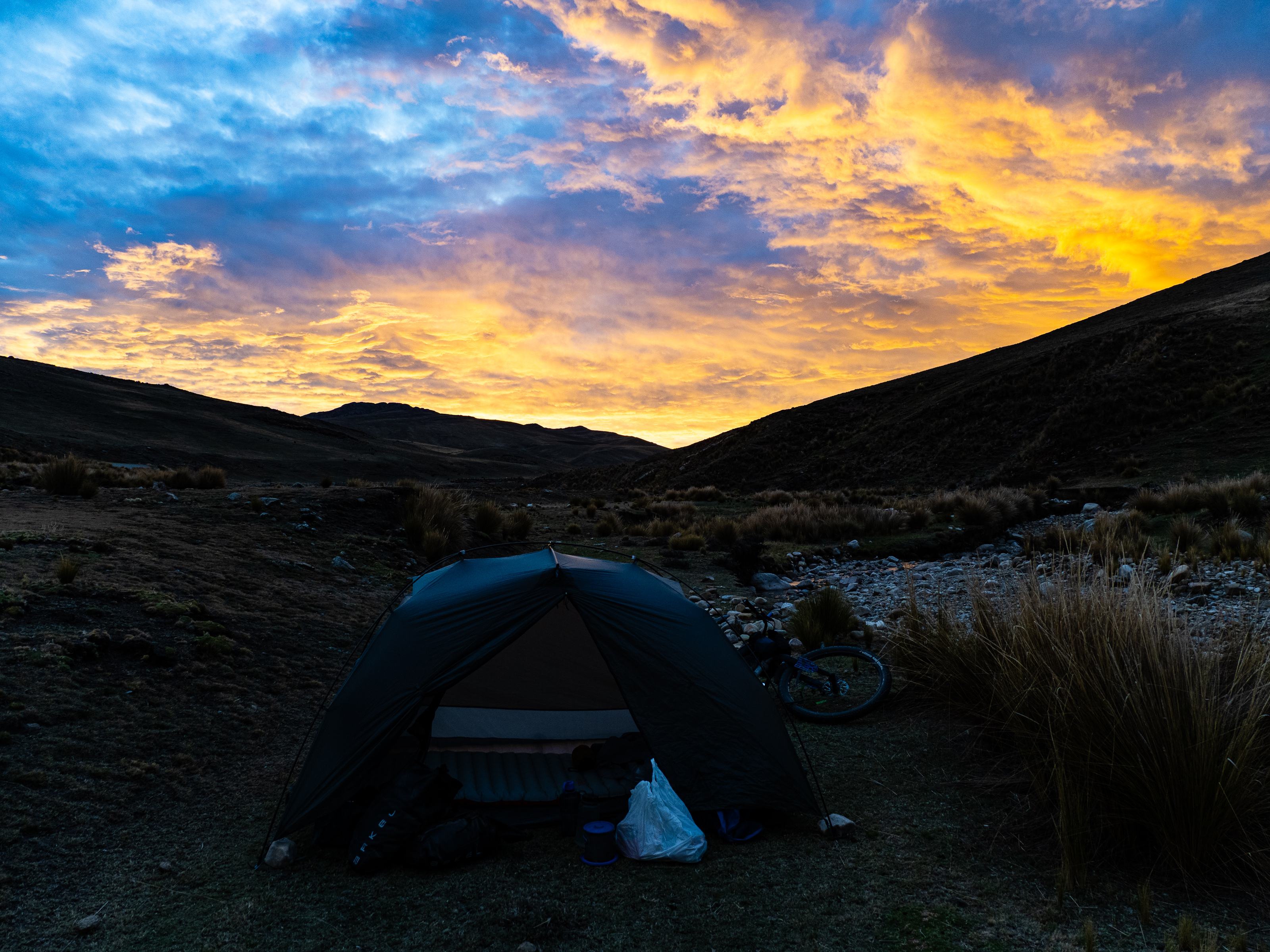
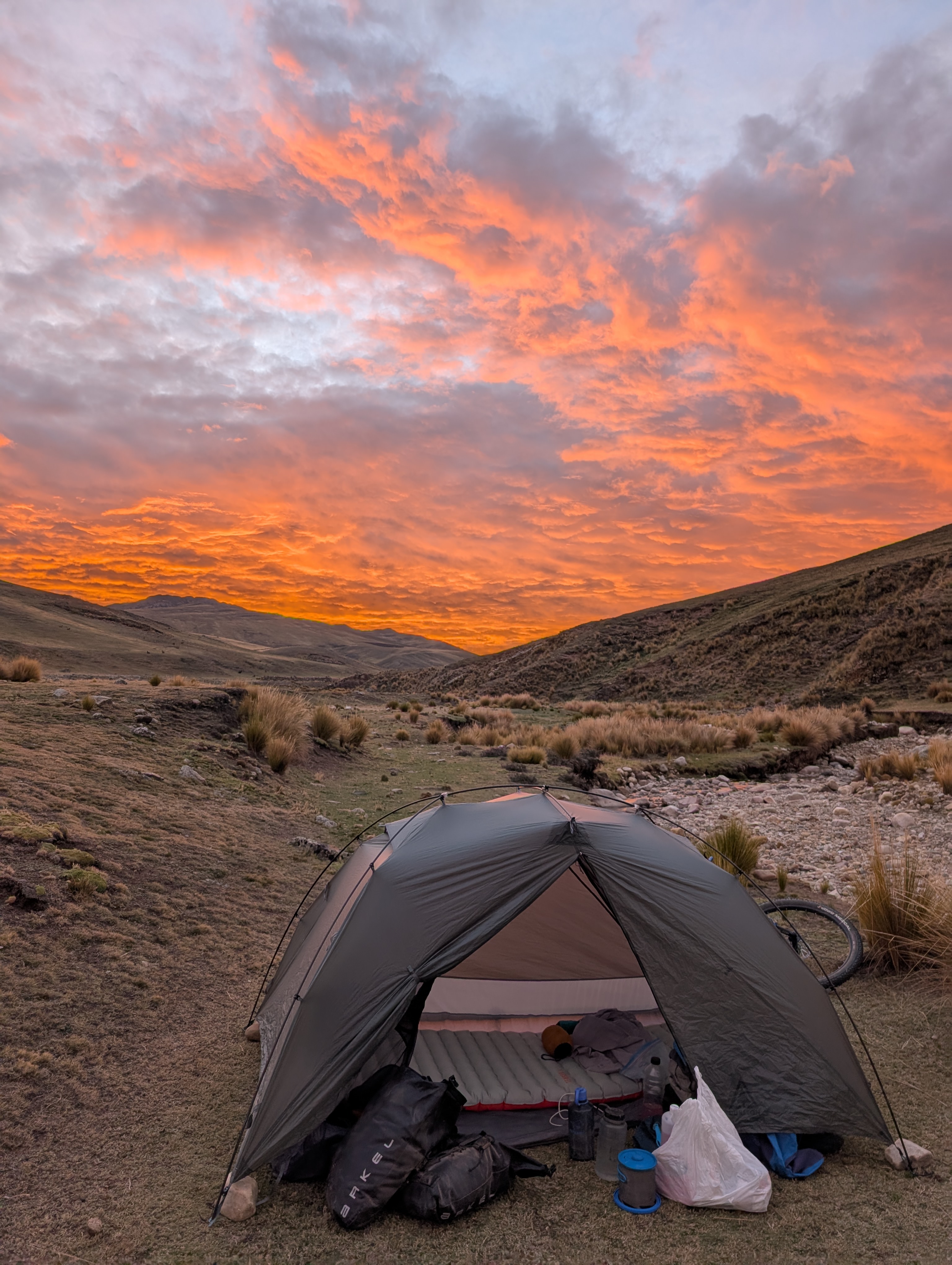
Upon leaving the pools, I hiked to some beautiful waterfalls just above them. On the way back, I encountered my first tourists of the day, but there was only a few dozen. I enjoyed a late lunch of fresh fried trout (there’s a trout farm downstream of the pools) and hit the road again. I climbed 300 metres higher, reaching the plateau and cruising along until I found a nice place to camp by a creek. I pitched my tent facing east and watched as storms passed in the distance.
That’s where things got interesting. There’s no way to sugarcoat this, but a little earlier, I took a bit of a messy roadside poop (my body was doing fine, but my stomach less so). As I was setting up camp, an elderly Quechua woman walked down the road past my spot, but seemed to ignore me. She disappeared around the corner, so I went to wash myself off in the creek. I got back to my tent and changed with the fly open, thinking I was alone. Suddenly, I hear some high-pitched shrieking. The woman was standing on the hillside across the creek and was watching me change. She was yelling in Quechua and didn’t seem to understand my attempts to communicate in Spanish. I tried telling her I was just camping for the night and kept saying, “No Quechua.”
Eventually she left and I got back to cooking dinner. Thirty minutes later I hear some more shouting, so I poke my head out of the tent to see what’s happening. The Quechua women had returned with a younger person, who fortunately spoke Spanish. I explained I was just going to sleep the night, then would leave in the morning. That was no problem, and they left me be.
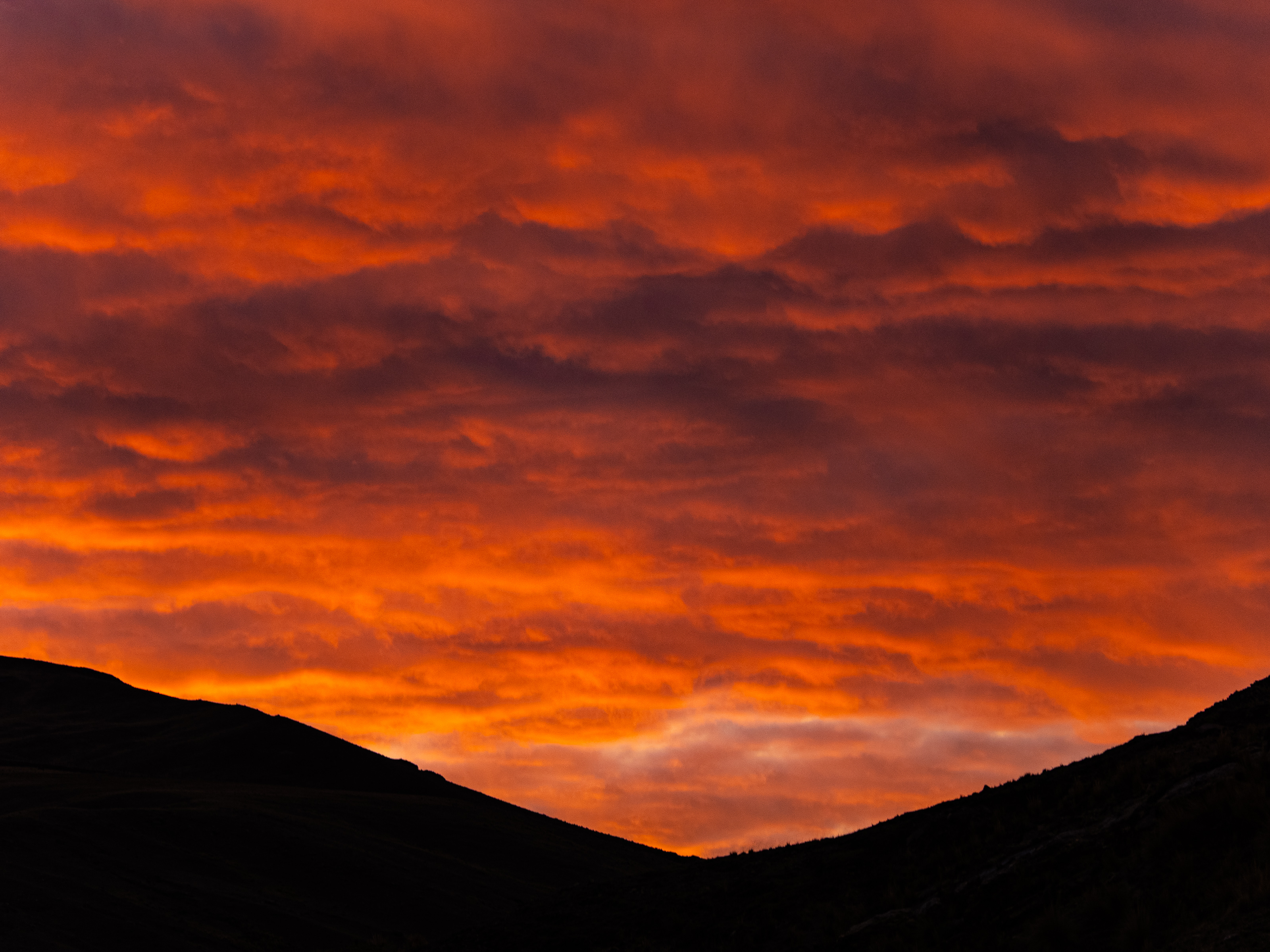
The upside to all this – when I got out of my tent, I was treated to the most glorious sunset behind me. The sky was illuminated with a glorious display of yellow and orange that slowly transitioned to pink and purple, then a dazzling red unlike anything I’d ever seen before. To think I might have missed it if not for my awkward encounter.
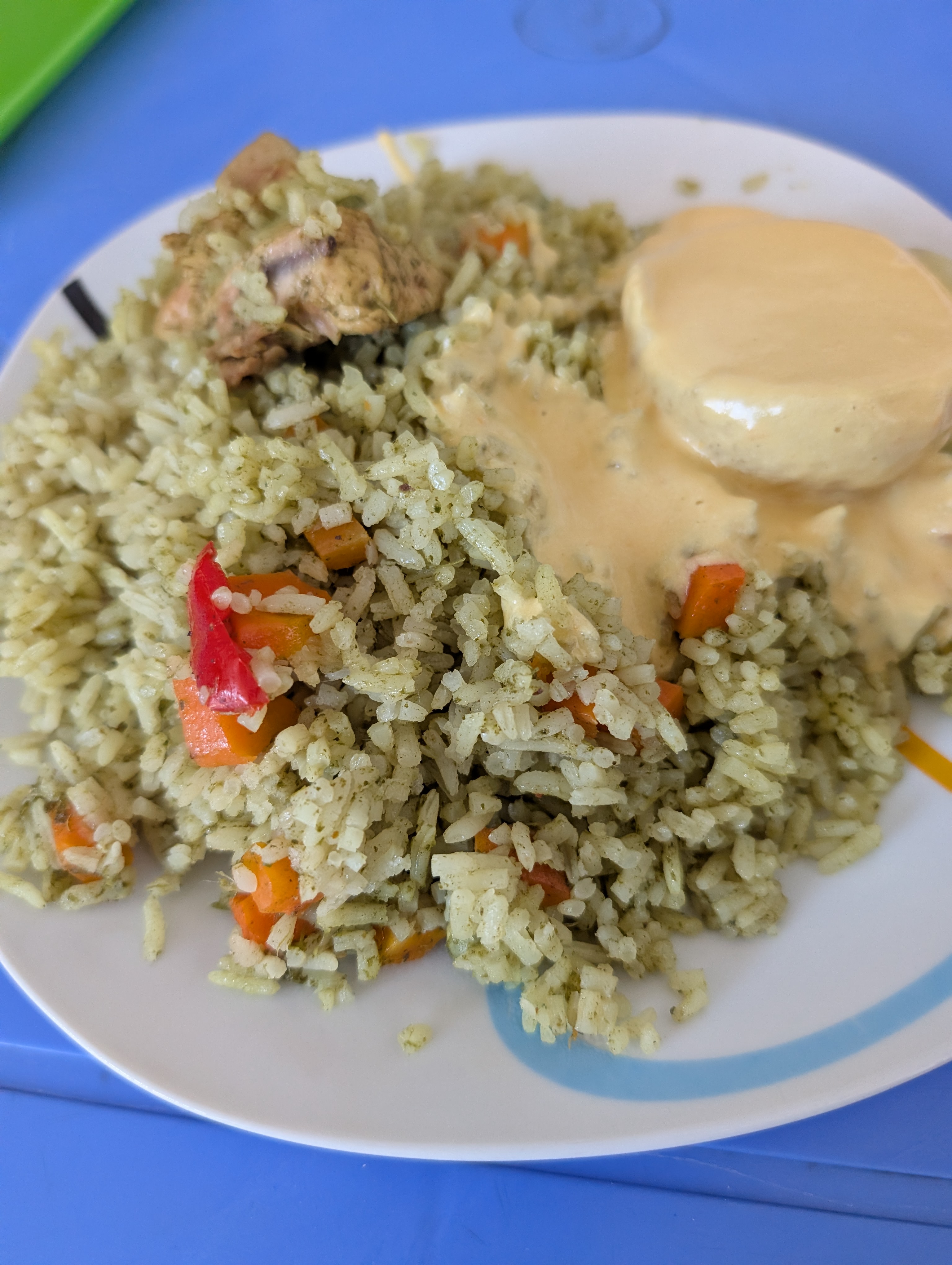
The next morning, I continued my ride across the plateaus, then ascended to a 4,400 metre pass. I descended through a colourful landscape to the village of Carapo 1,200m below, where the whole town was gathered for a soccer game. I found a restaurant in town and had lunch while the owner told me of her dreams to leave Peru for either Spain or the United States. Sadly, she didn’t see any future in her country.
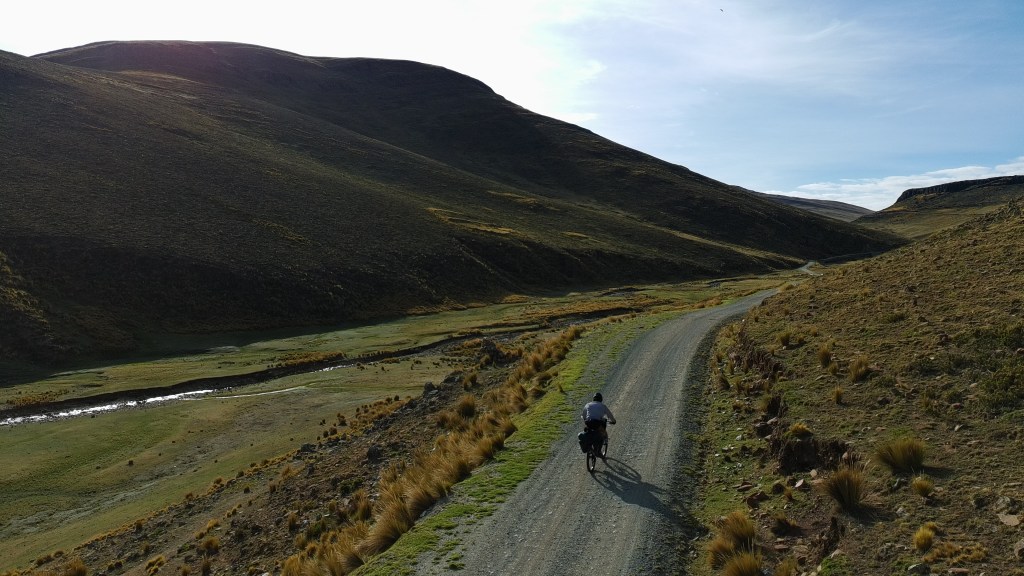
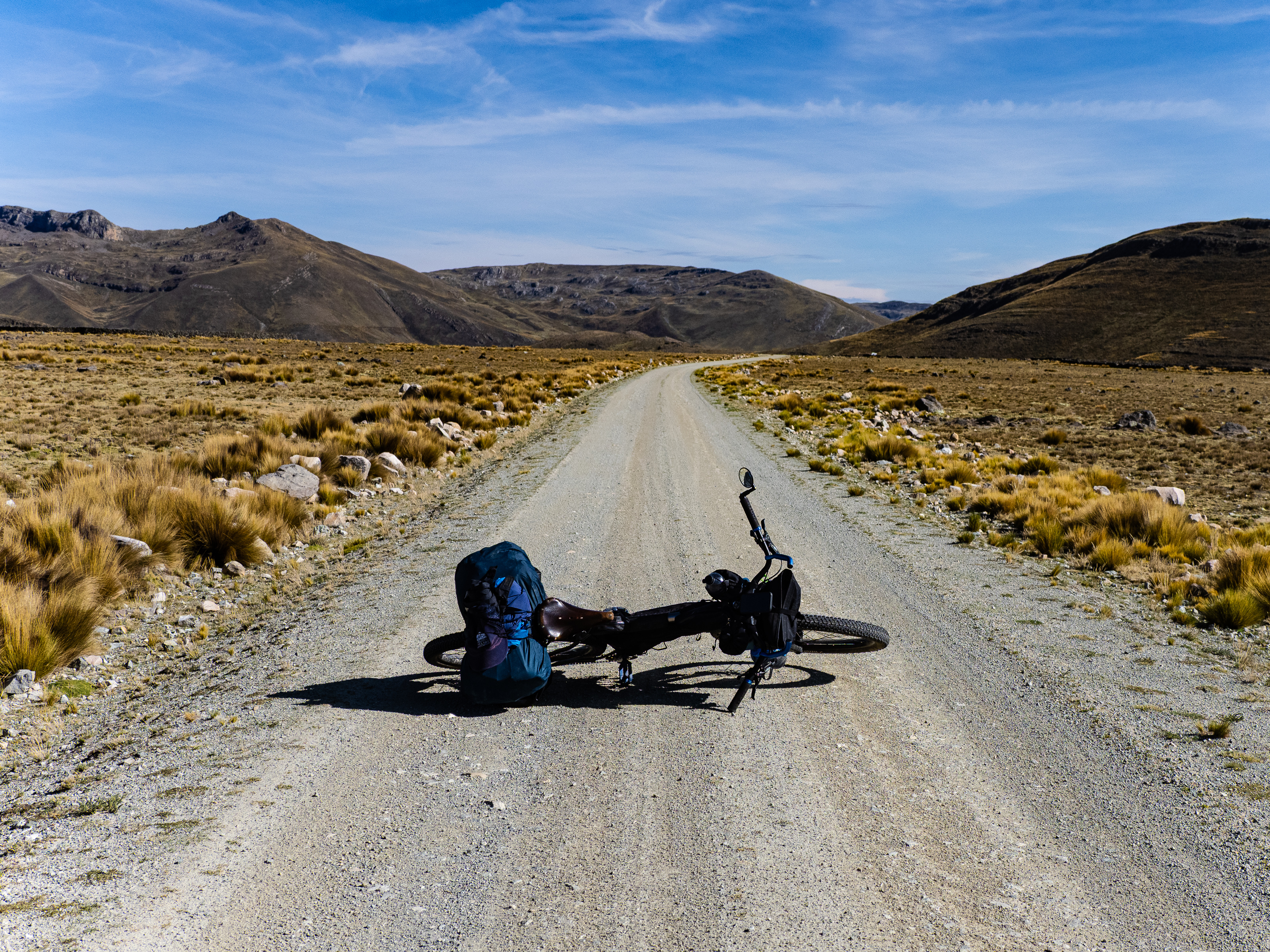
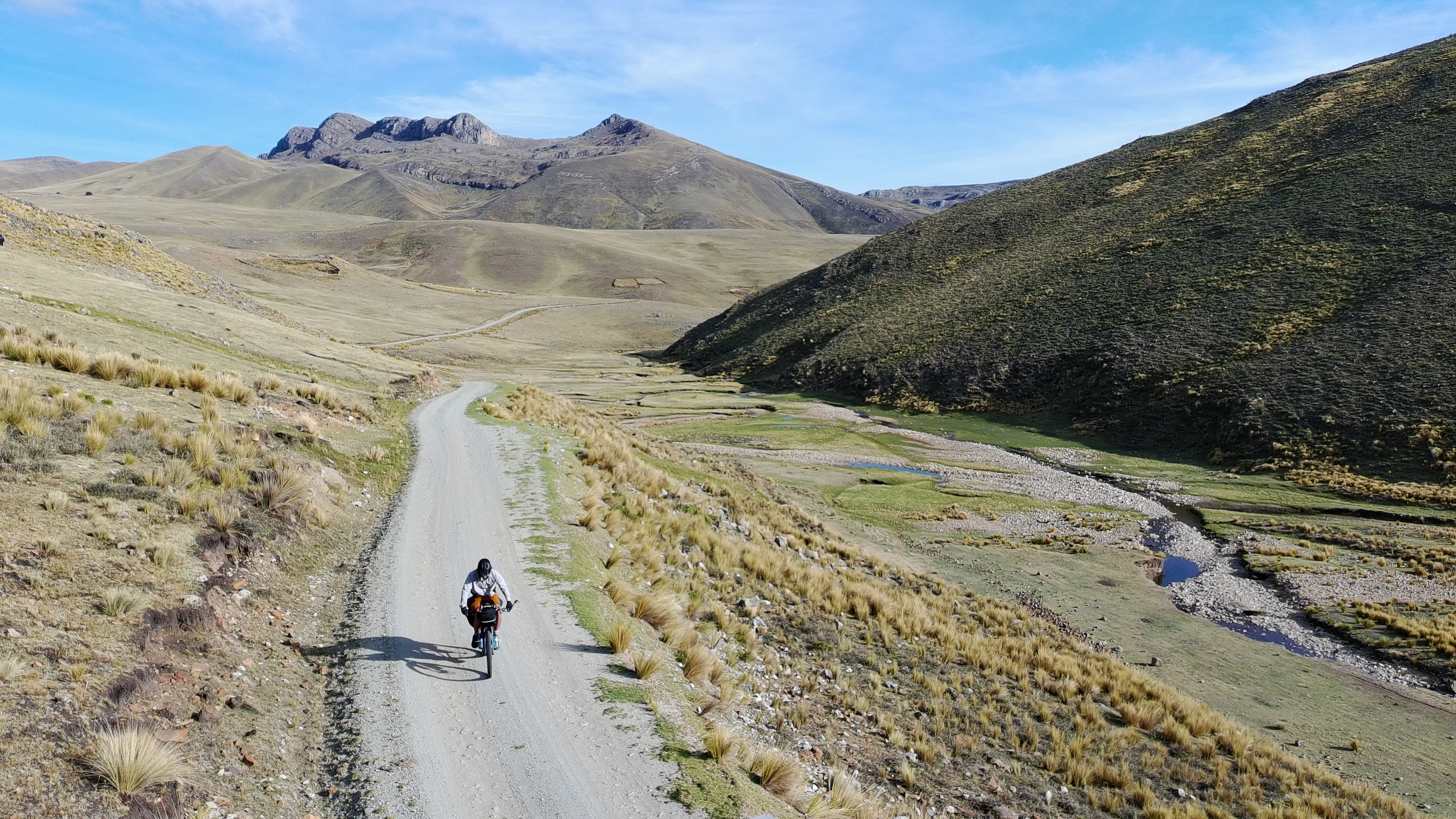
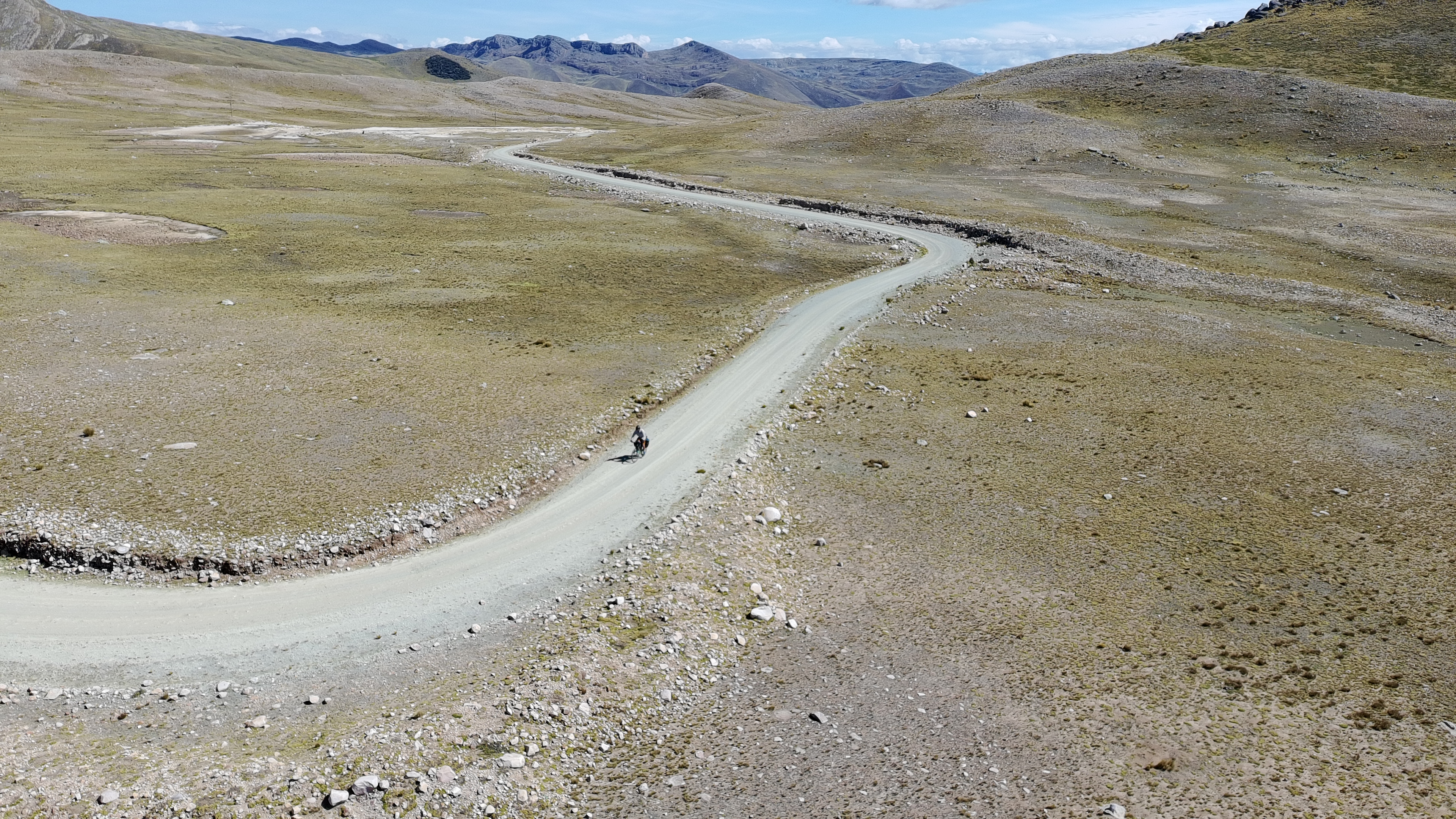
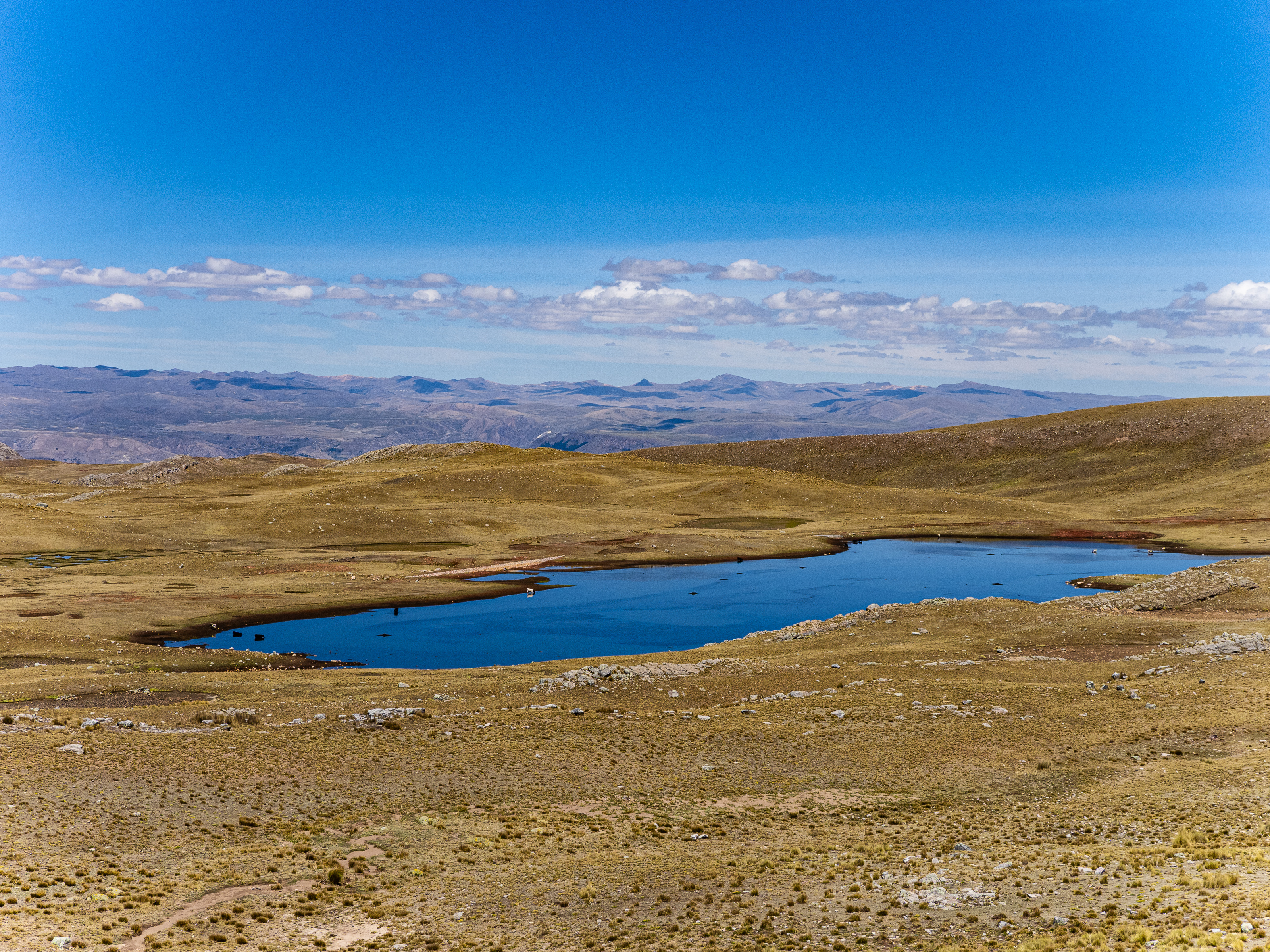
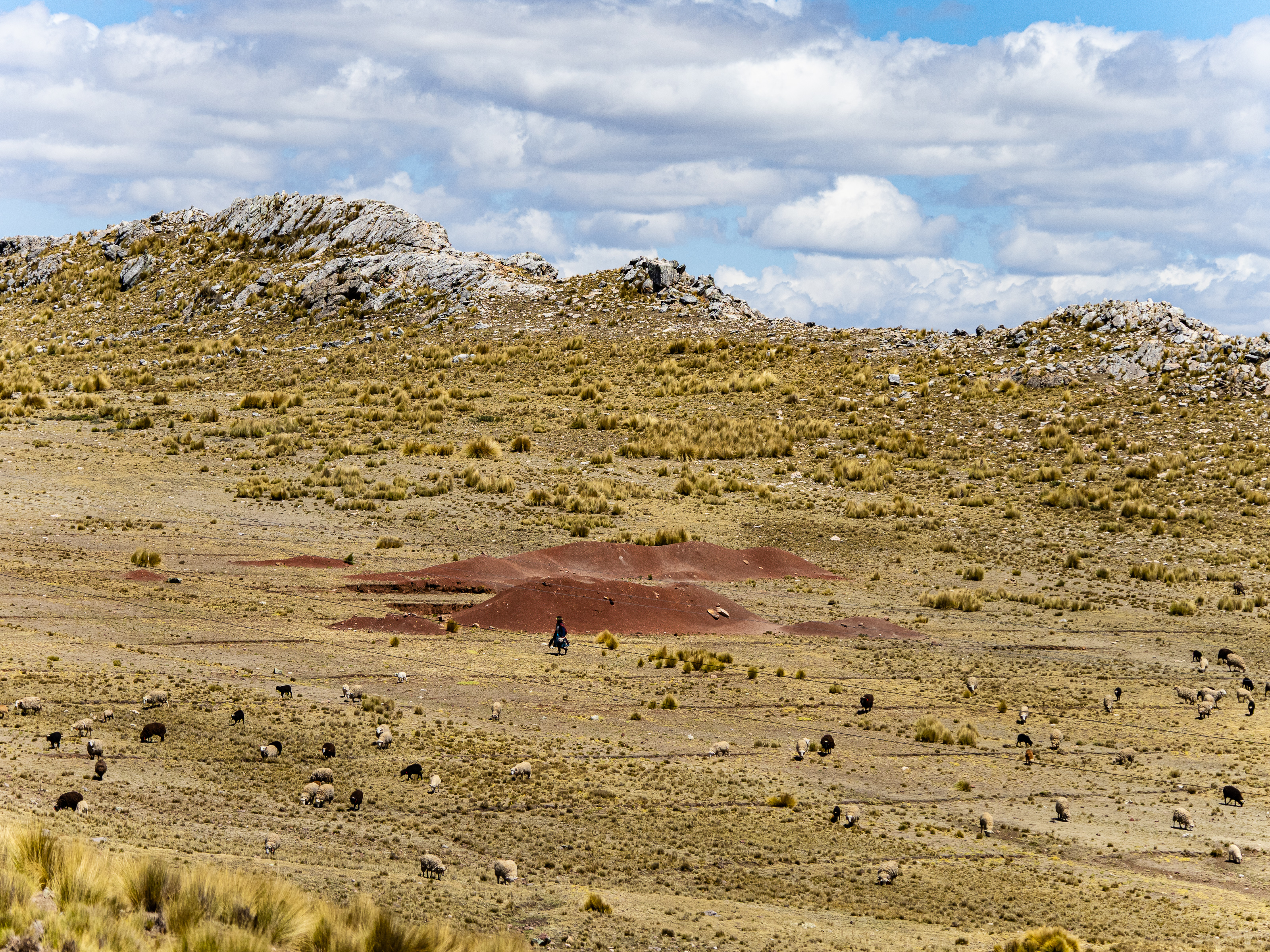
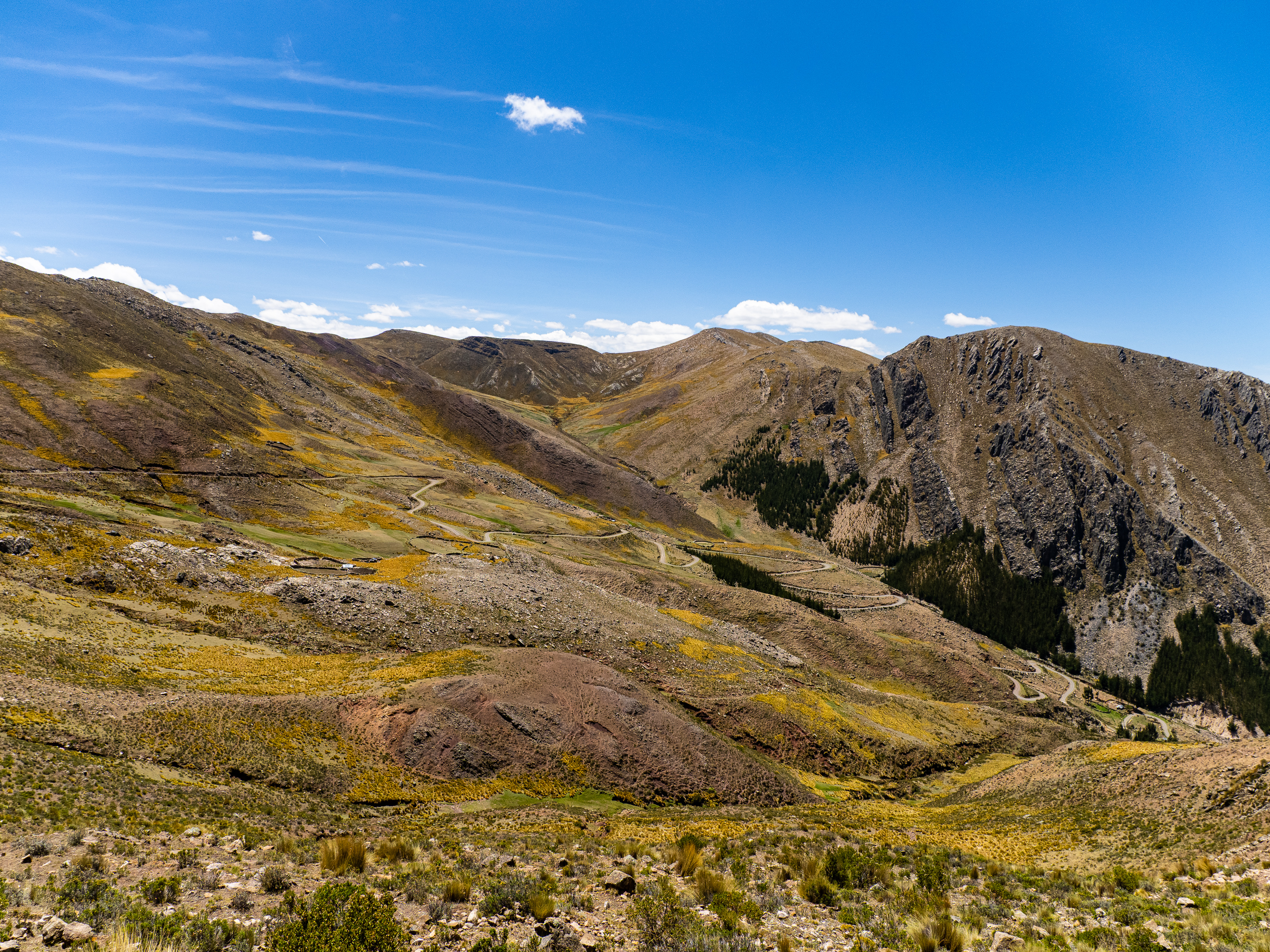
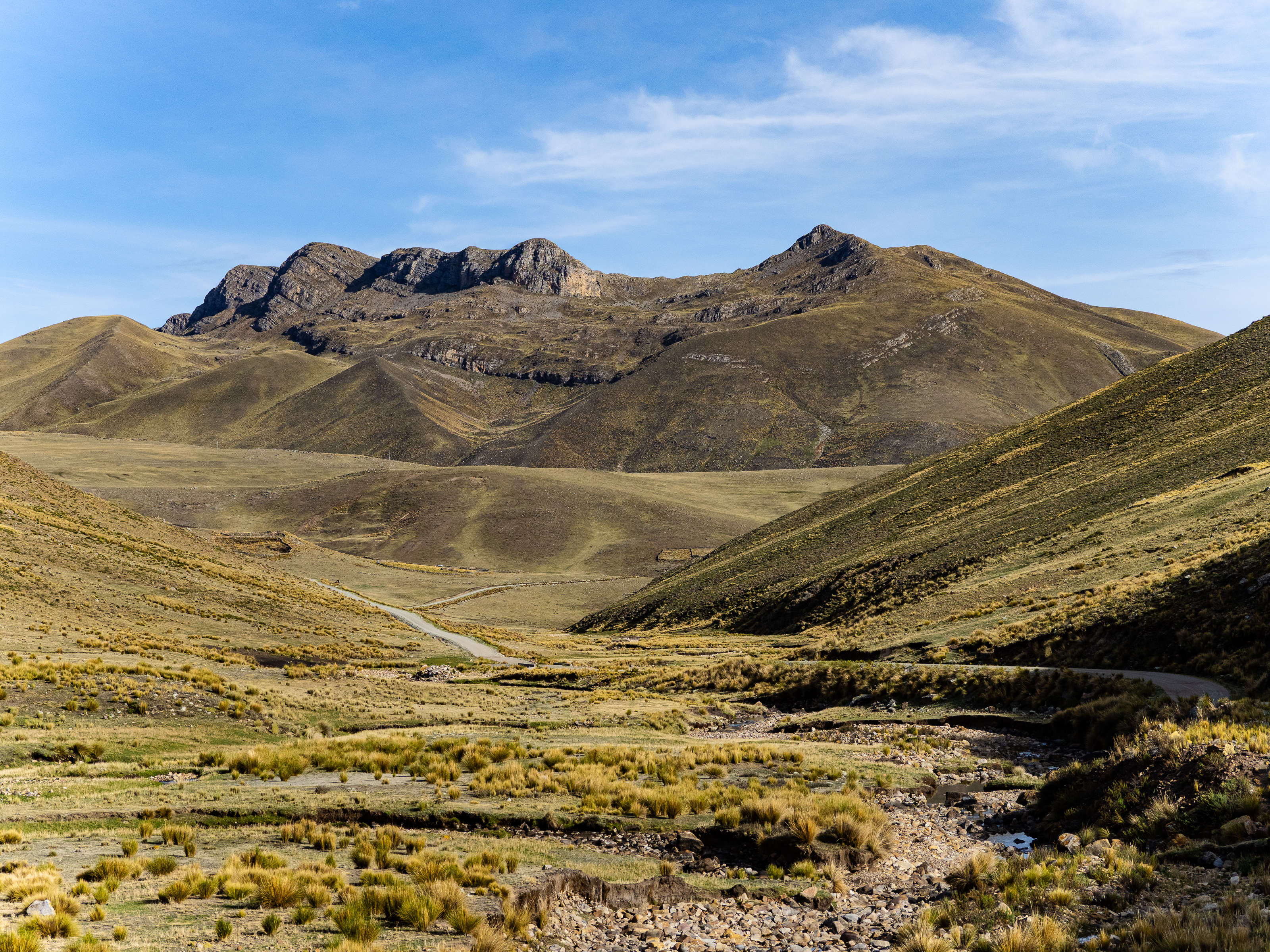
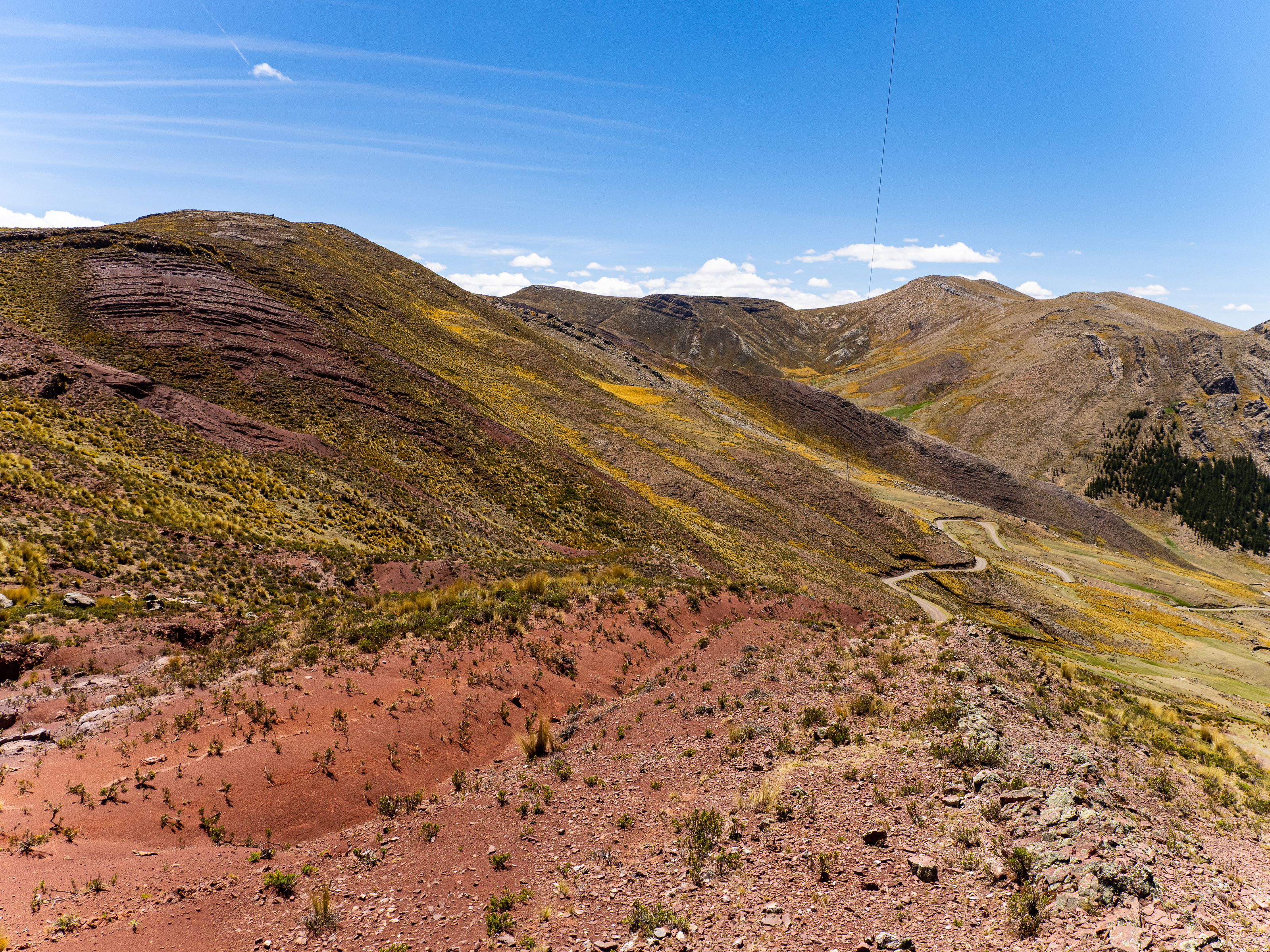
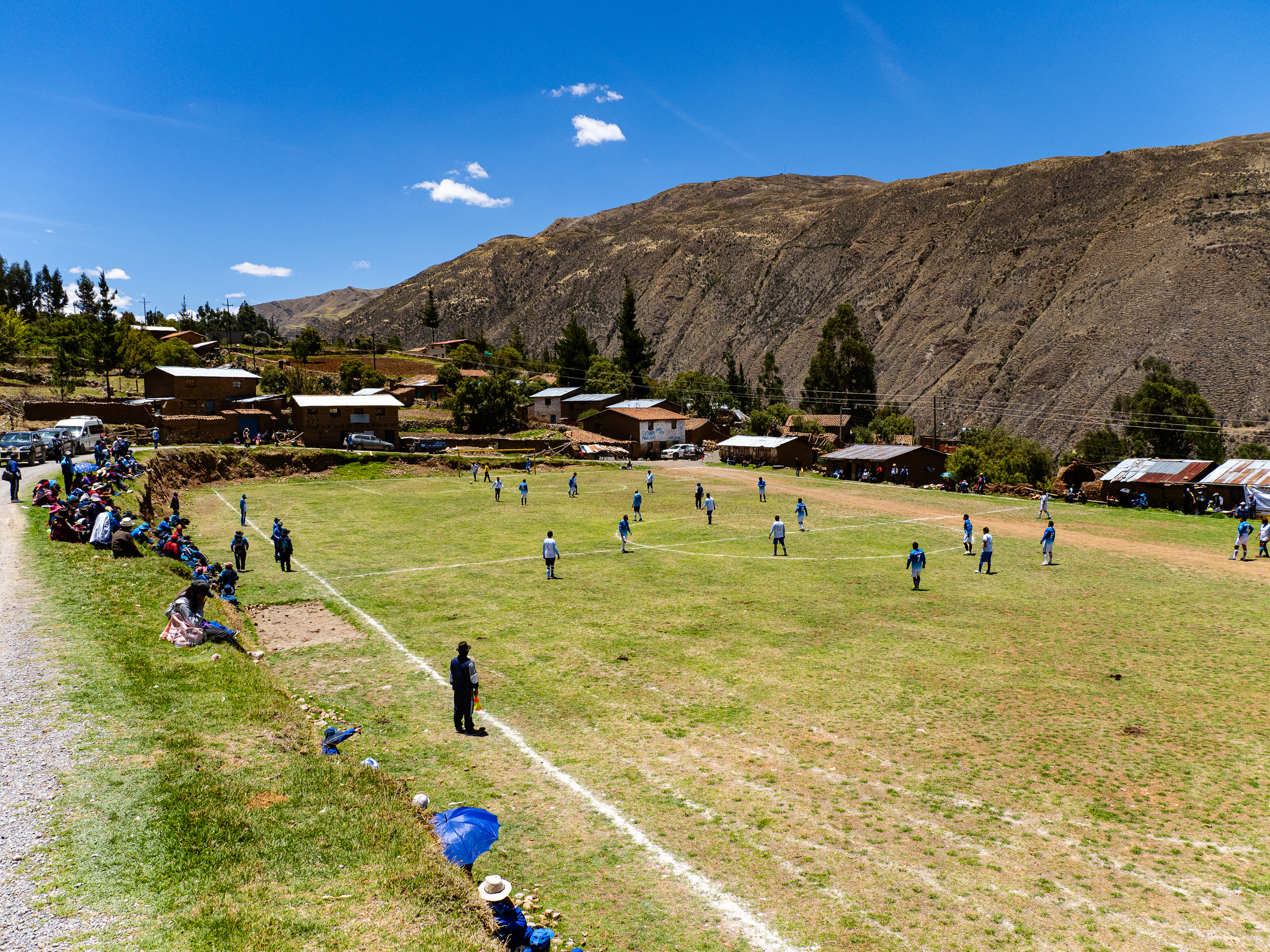
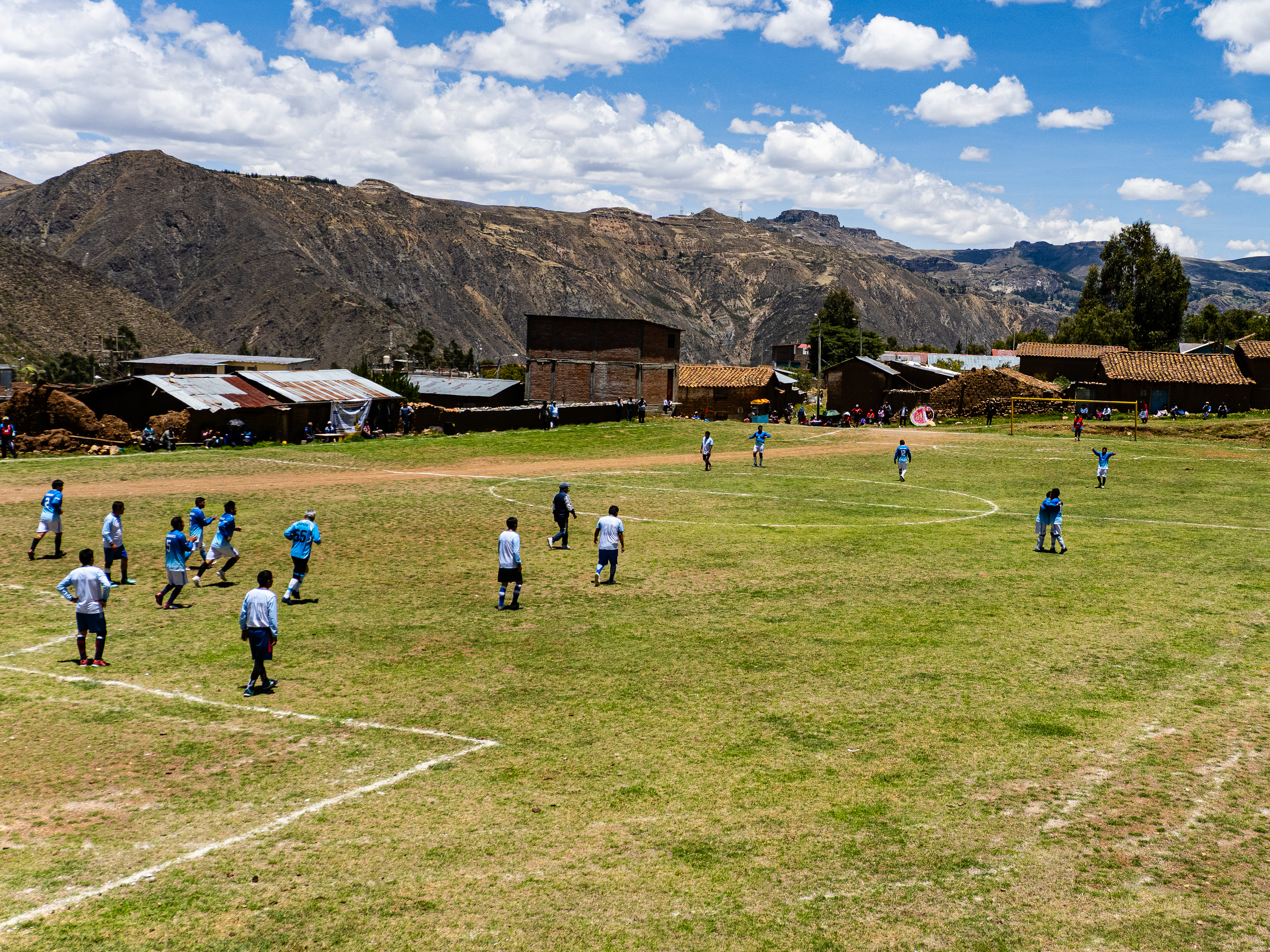
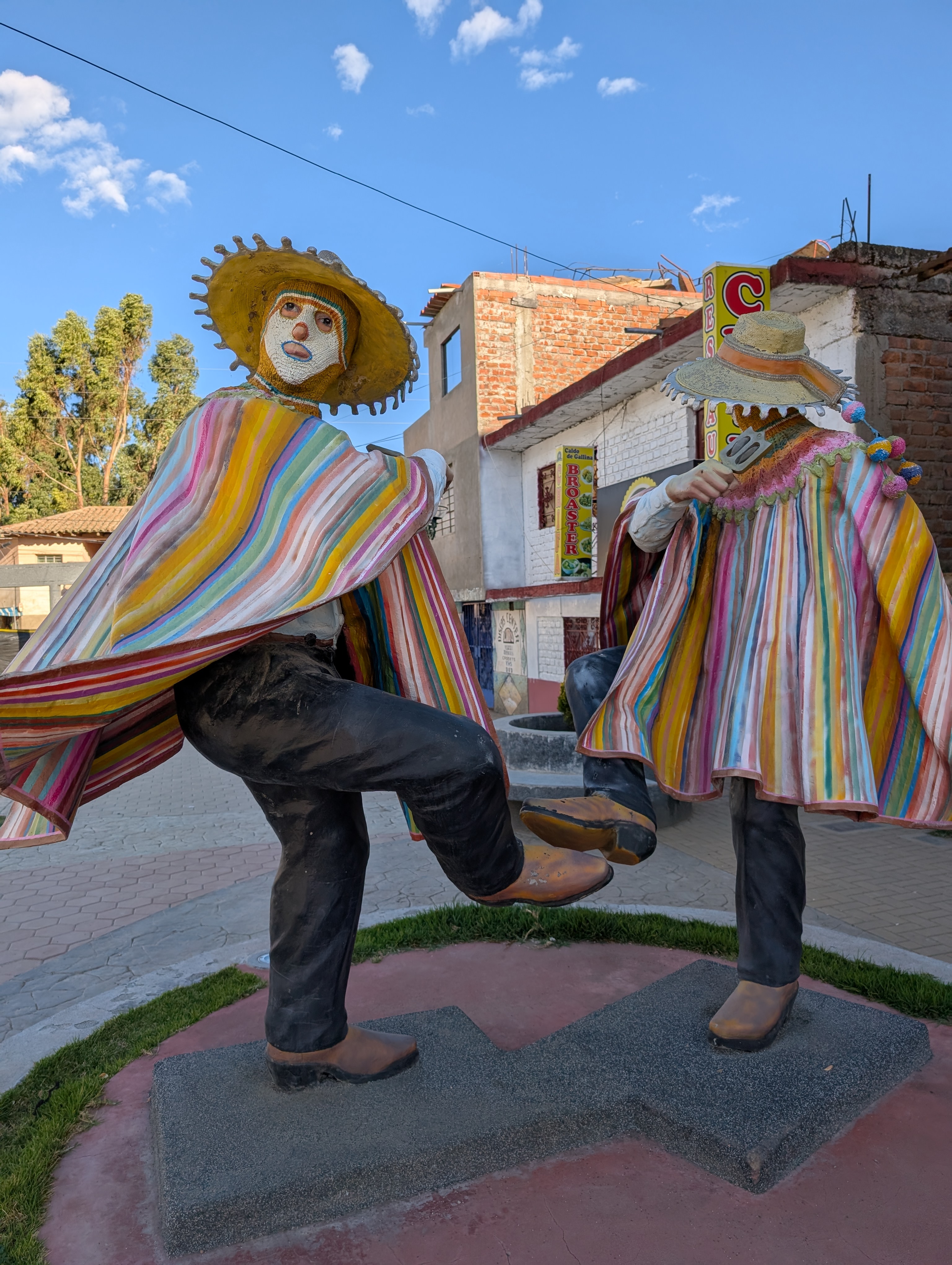
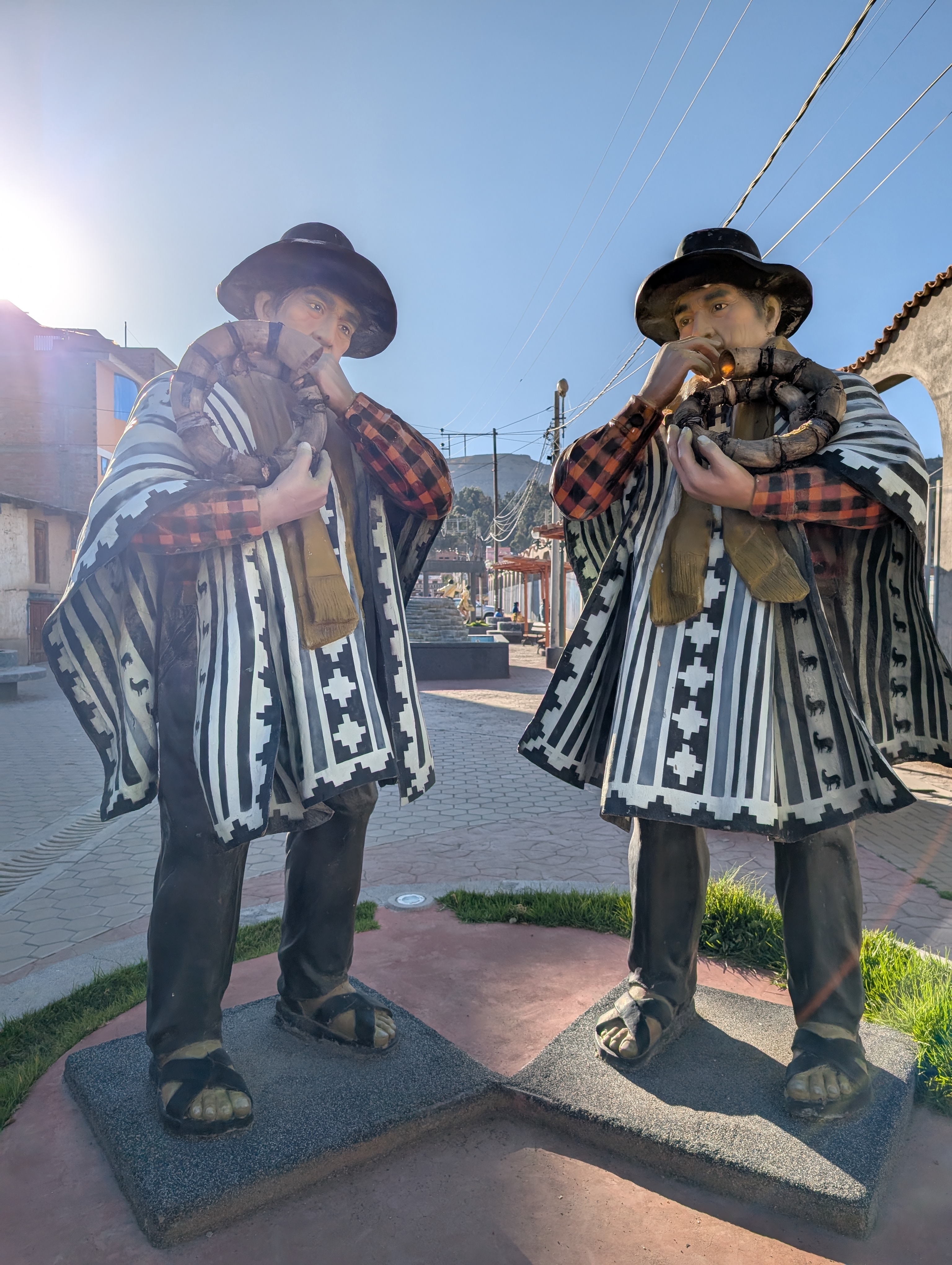
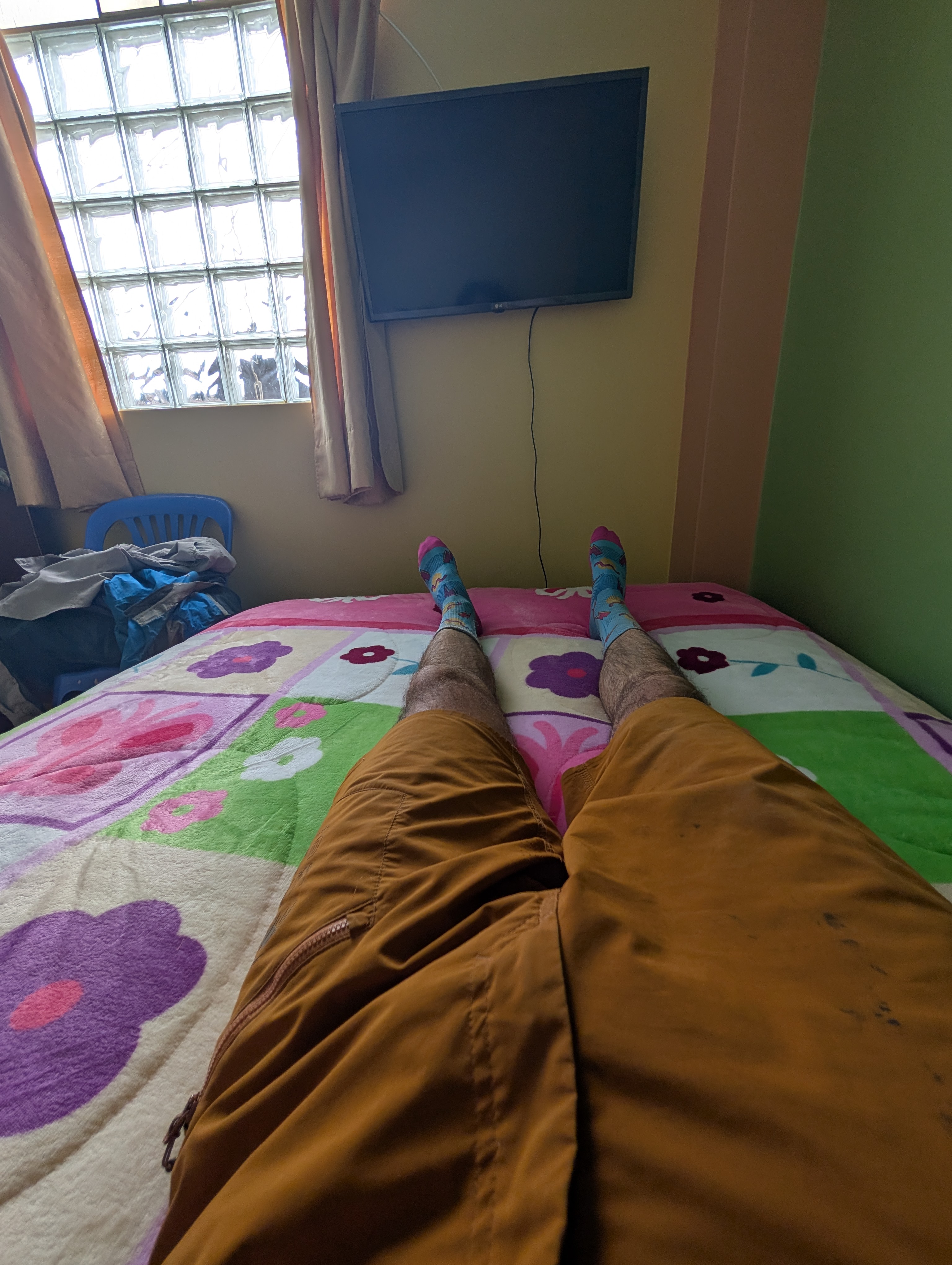
From Carapo, I descended a little further to the Rio Caracha and followed a dusty, broken stretch of highway to the village of Huancasancos. I stopped there for the night, finding a decent room at a cheap hotel. Happily, there was a proper hot water shower. One thing I definitely appreciated on this trip compared to my last one in 2018 was the prevalence of proper hot water showers in hotels.
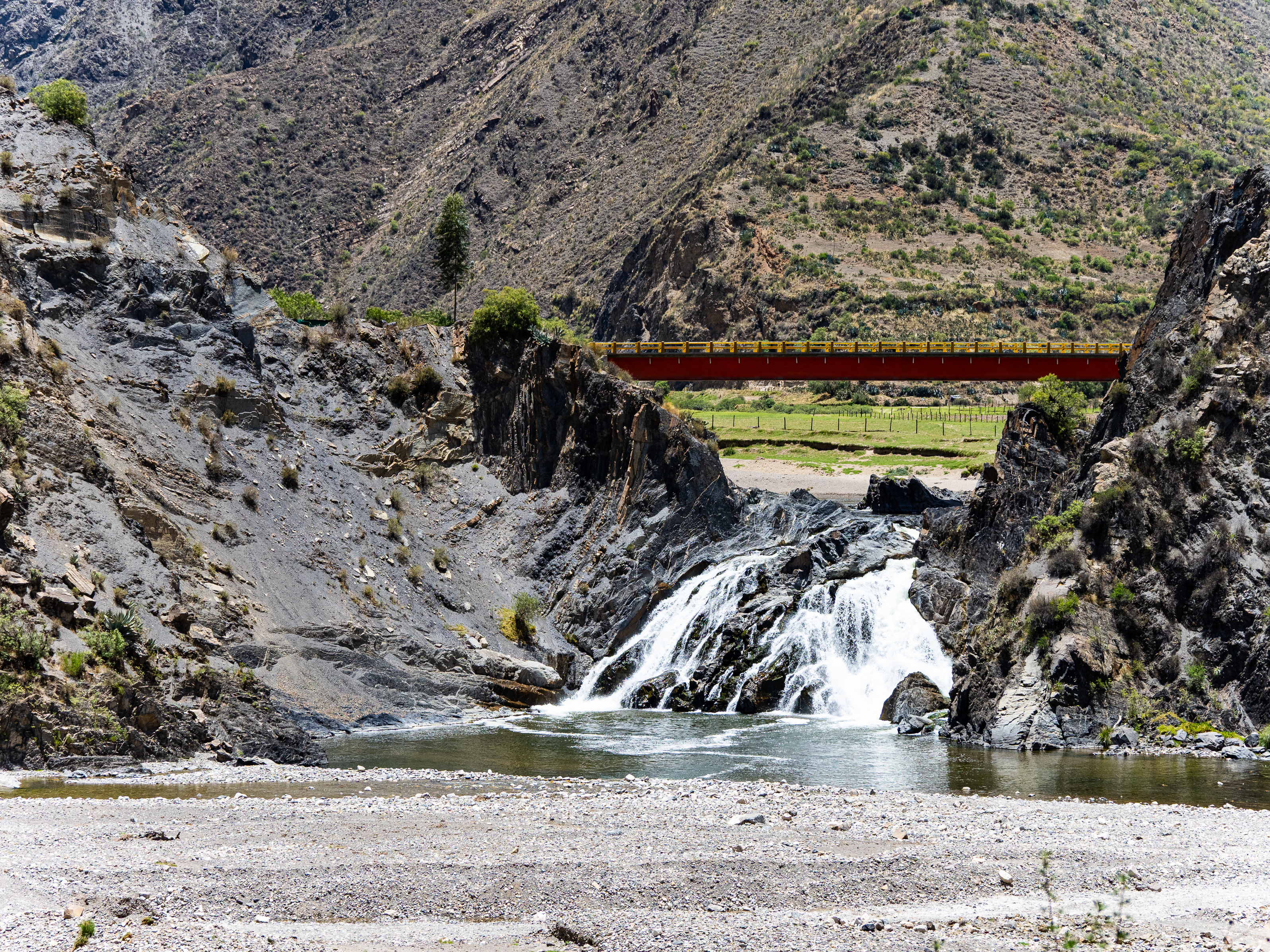
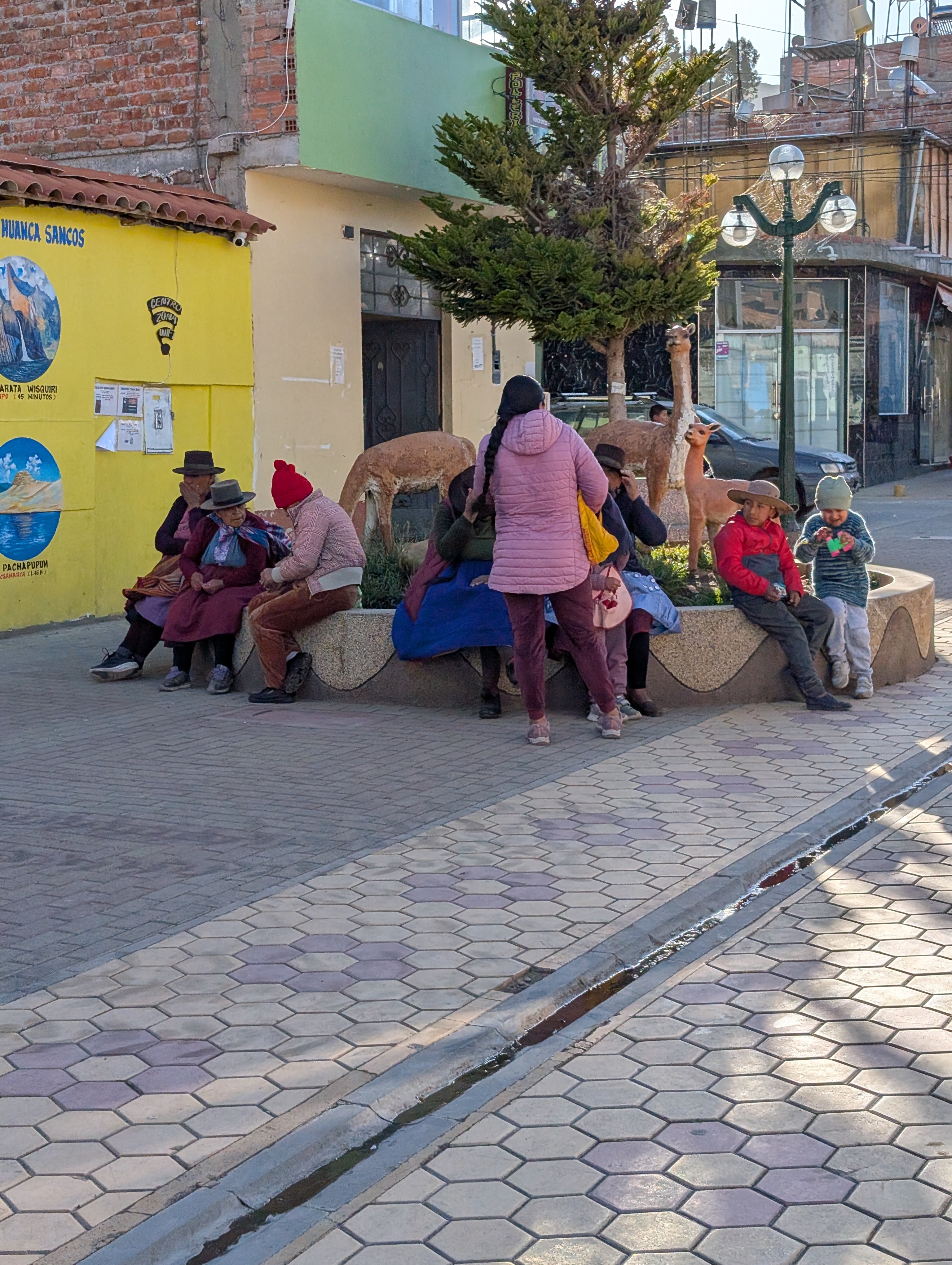
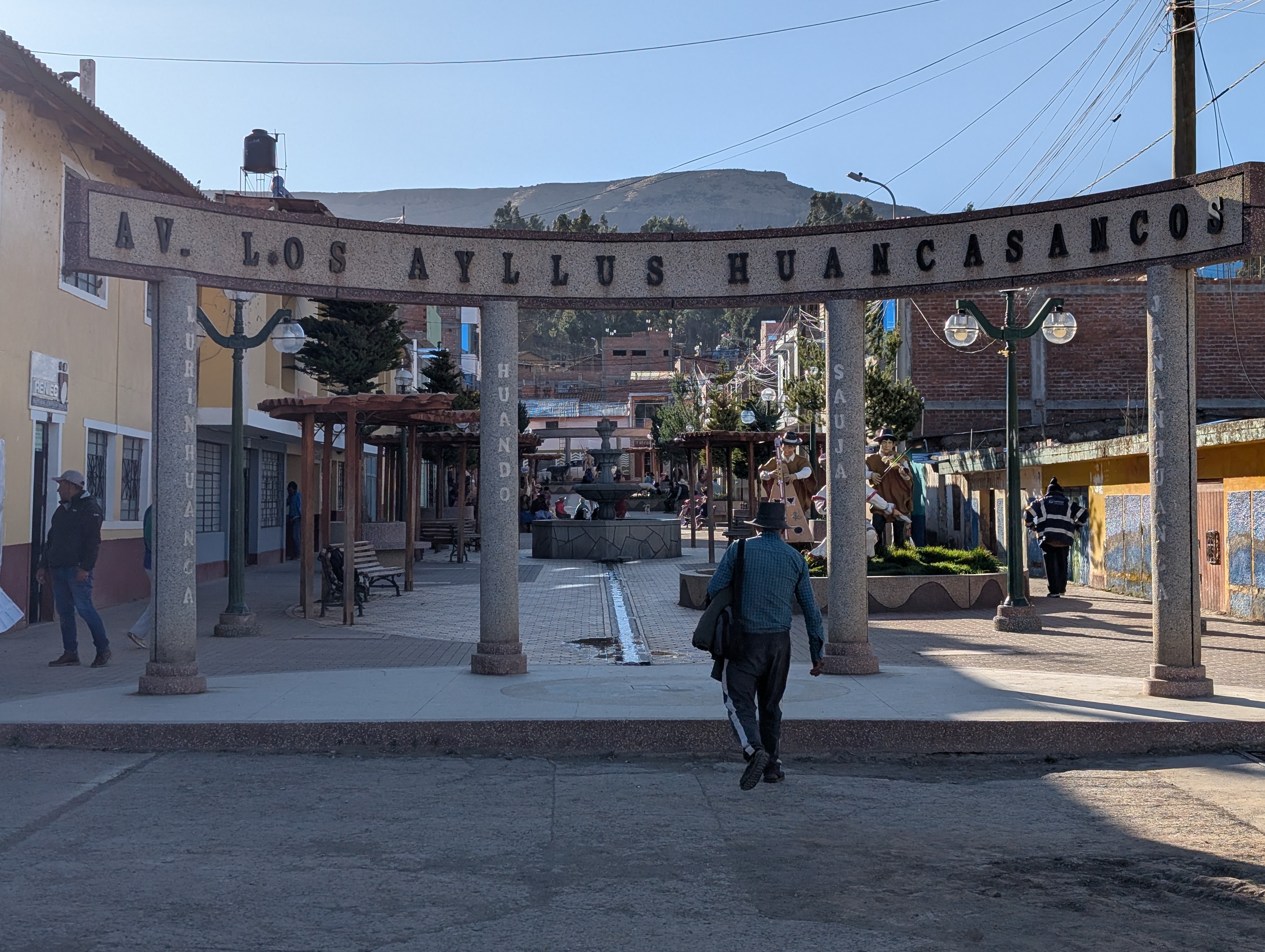
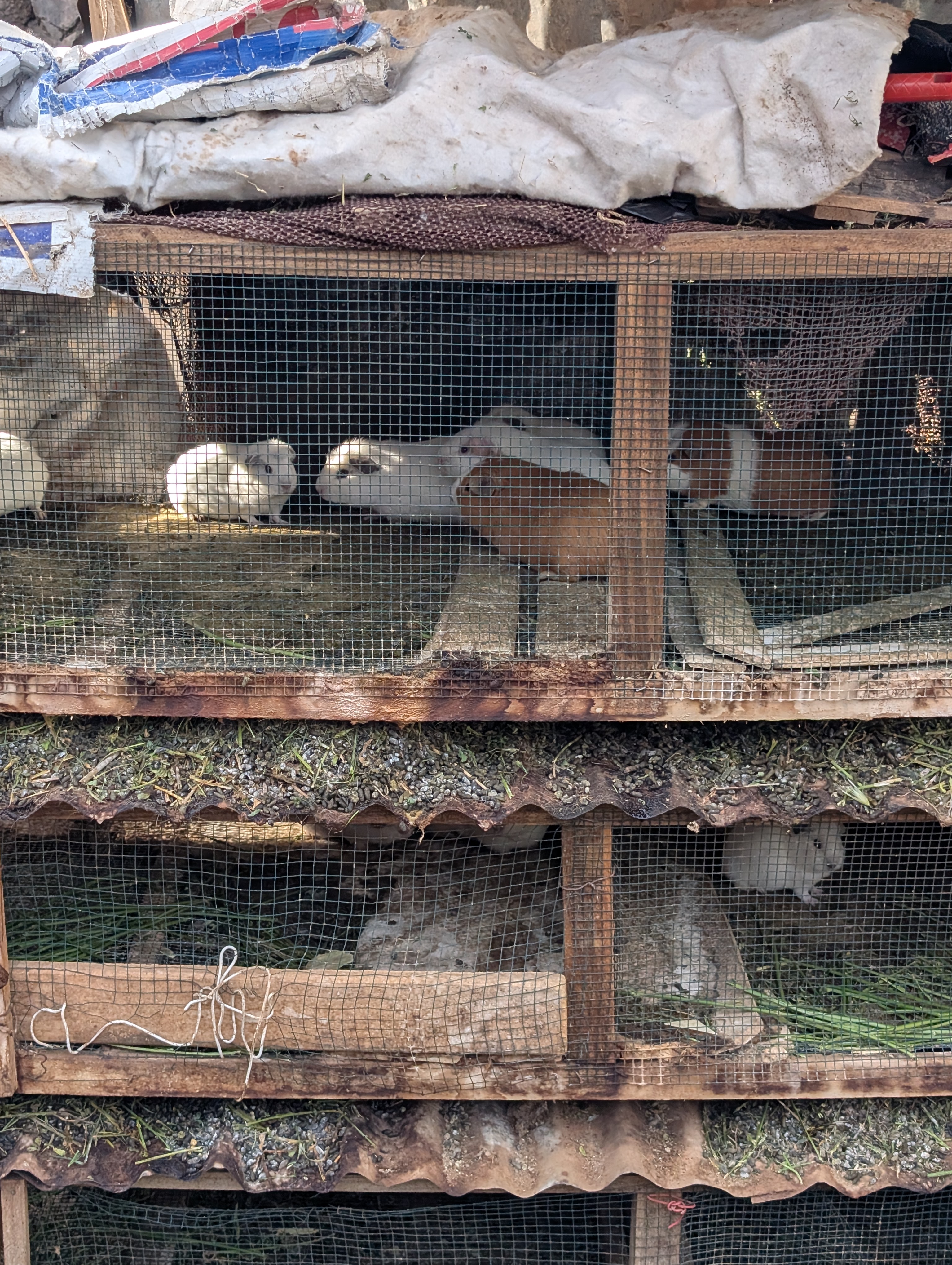
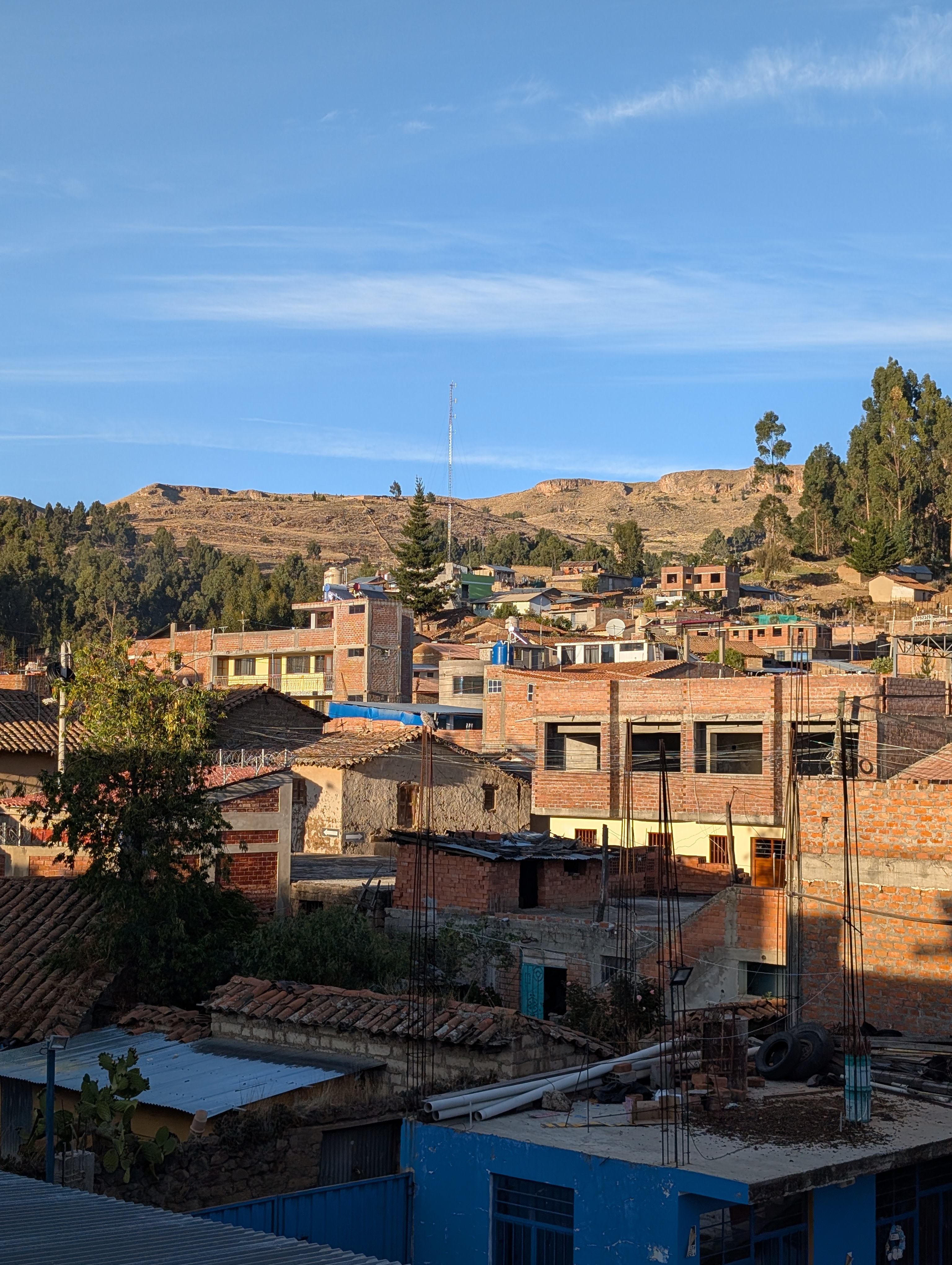
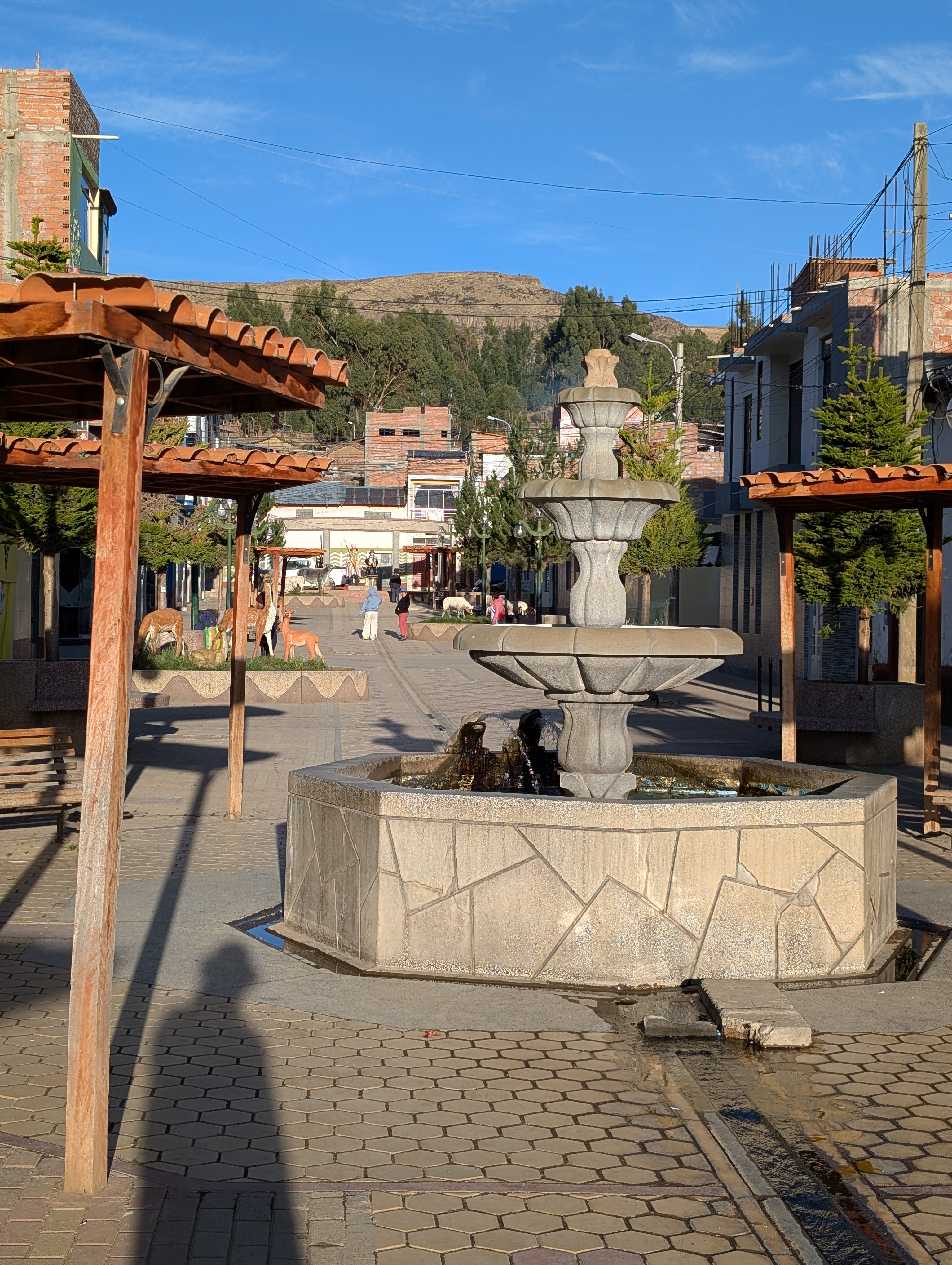
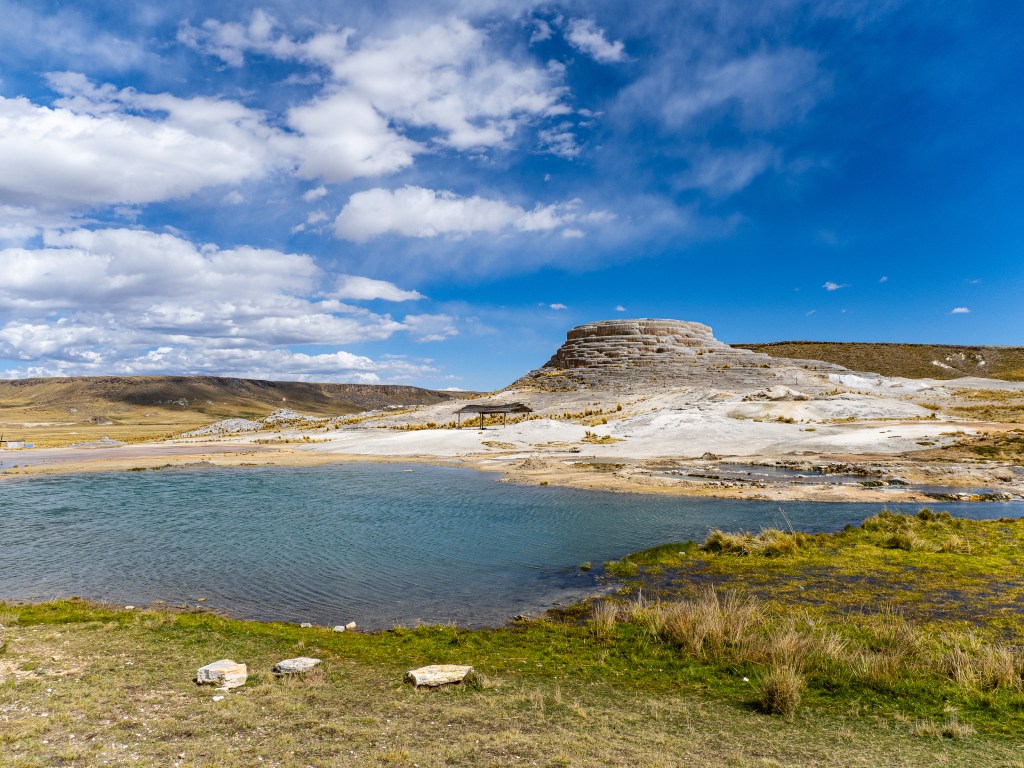
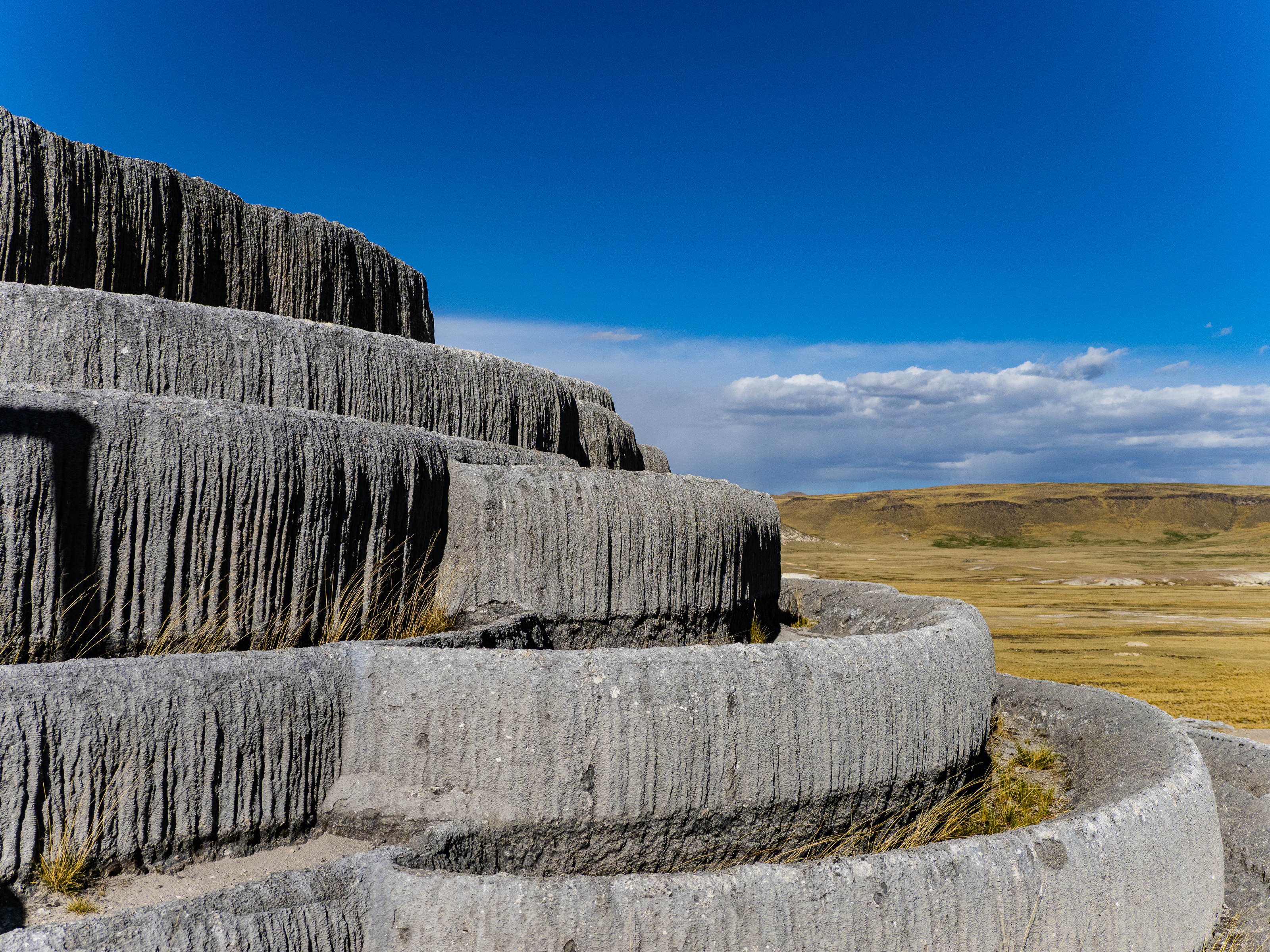
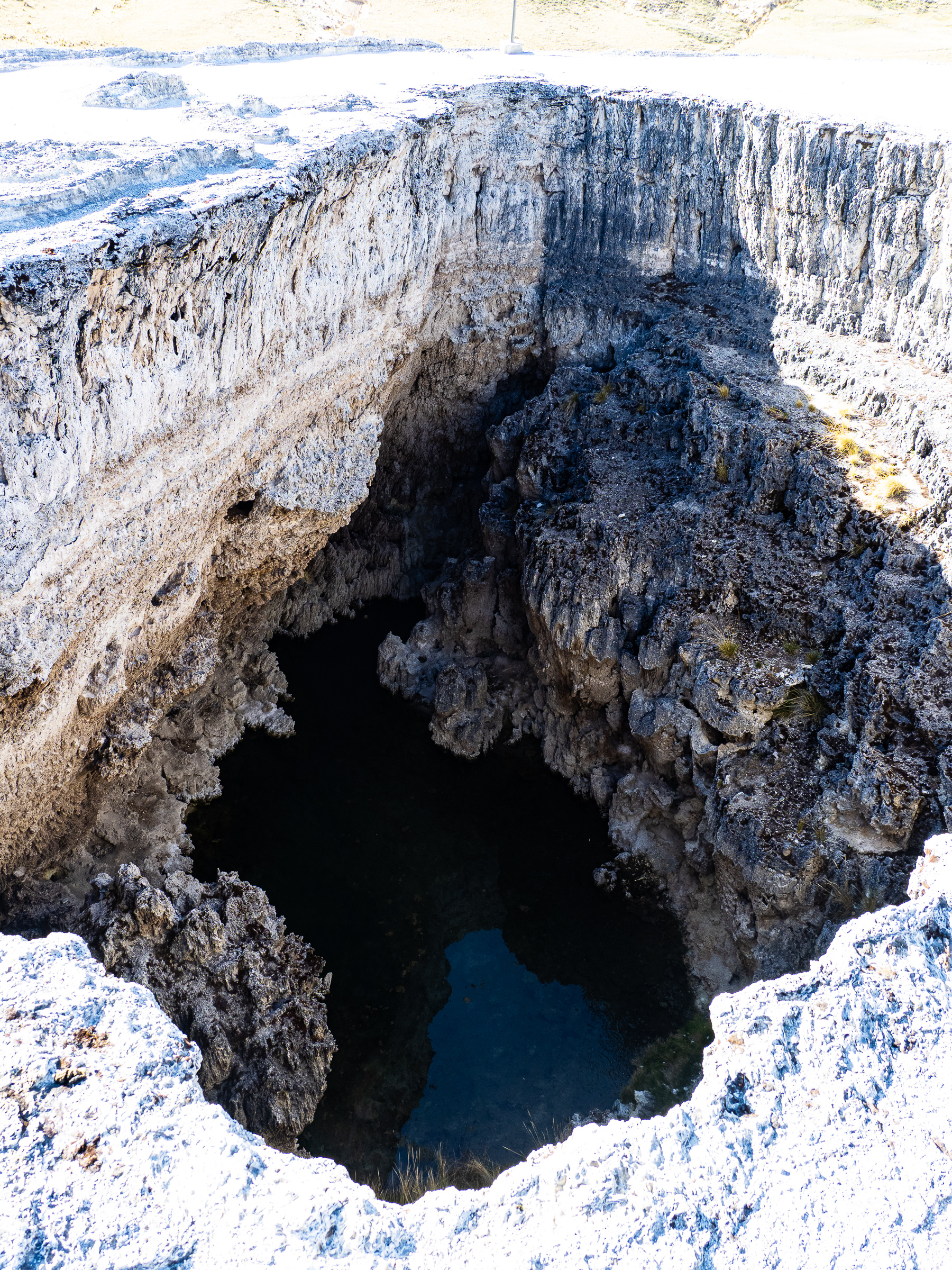
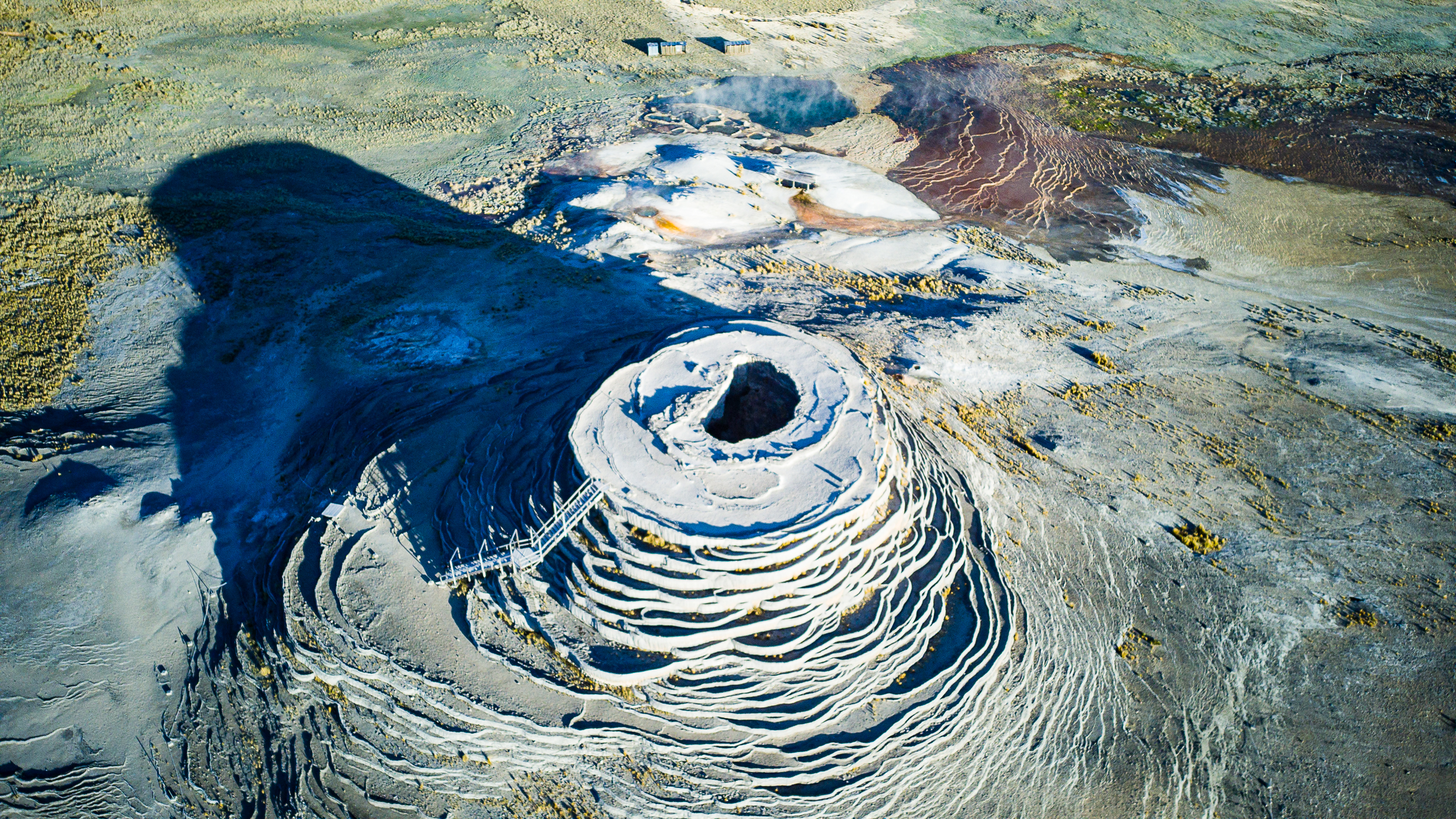
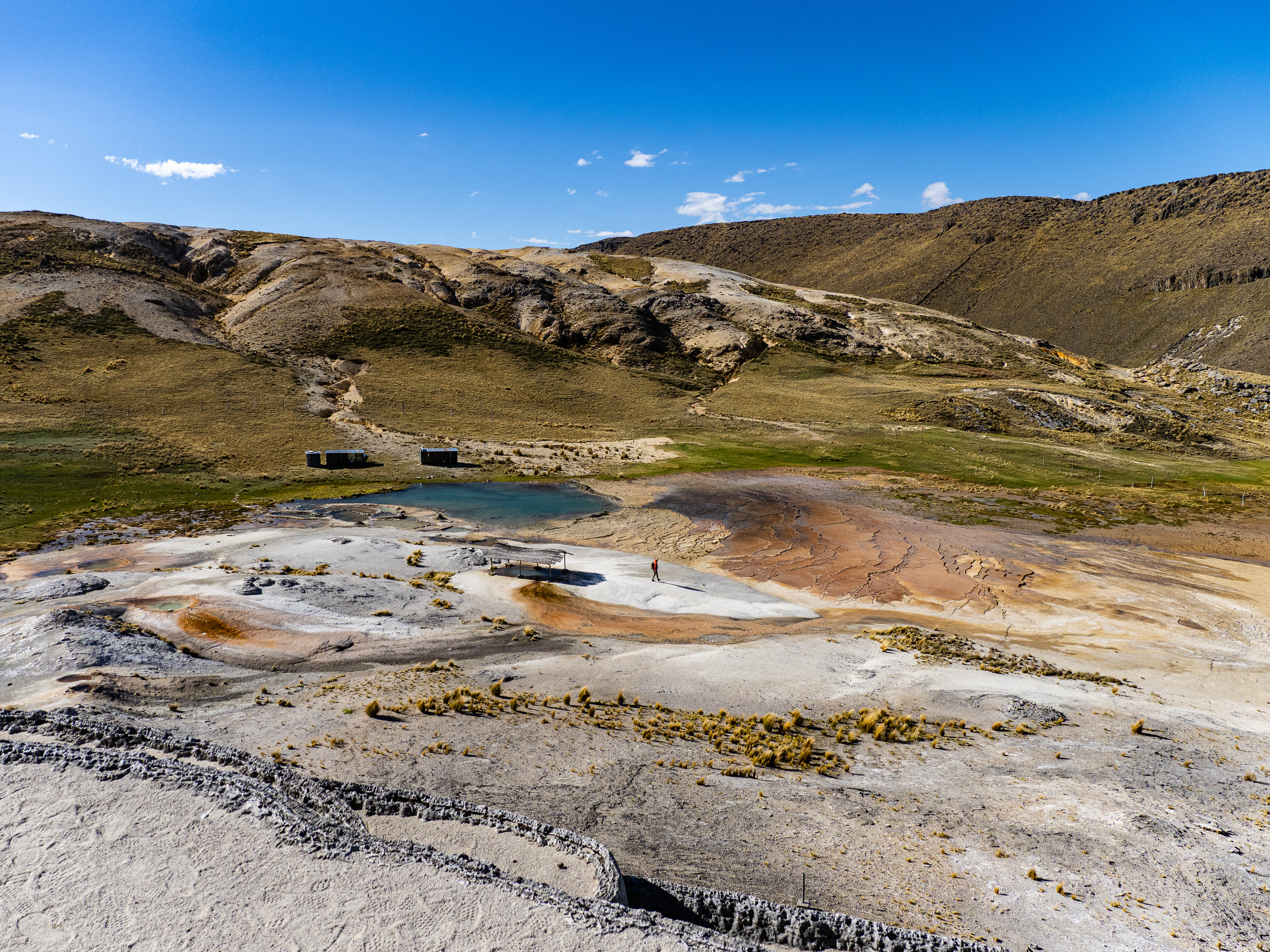
My destination after Huancasancos was Pachapupum, an ancient geyser surrounded by hot springs. Pachapupum is Quechua for “navel of the earth” and locals consider the site sacred. I also can’t ever turn down hot springs.
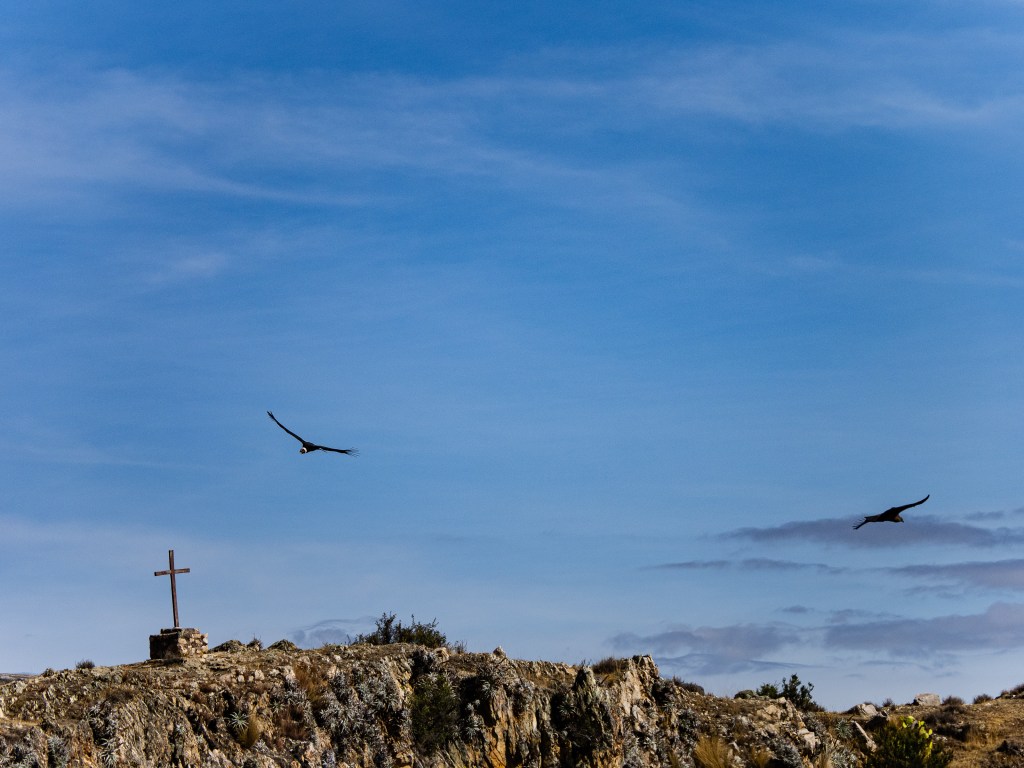
What I didn’t expect was to be treated to a pair of condors gliding in the thermals around the road just above town. I spent a few minutes admiring these majestic birds as they flew remarkably close overhead.
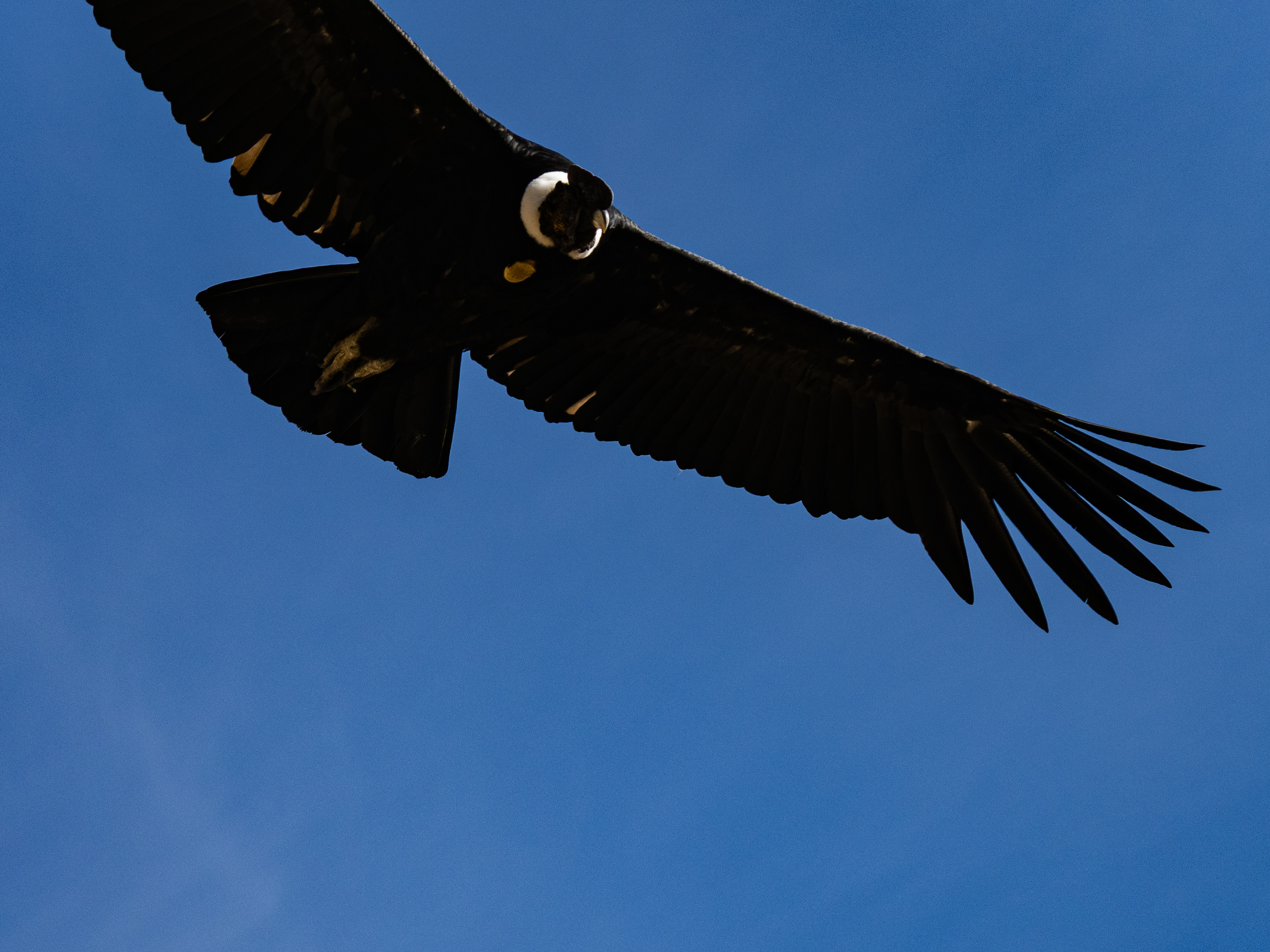
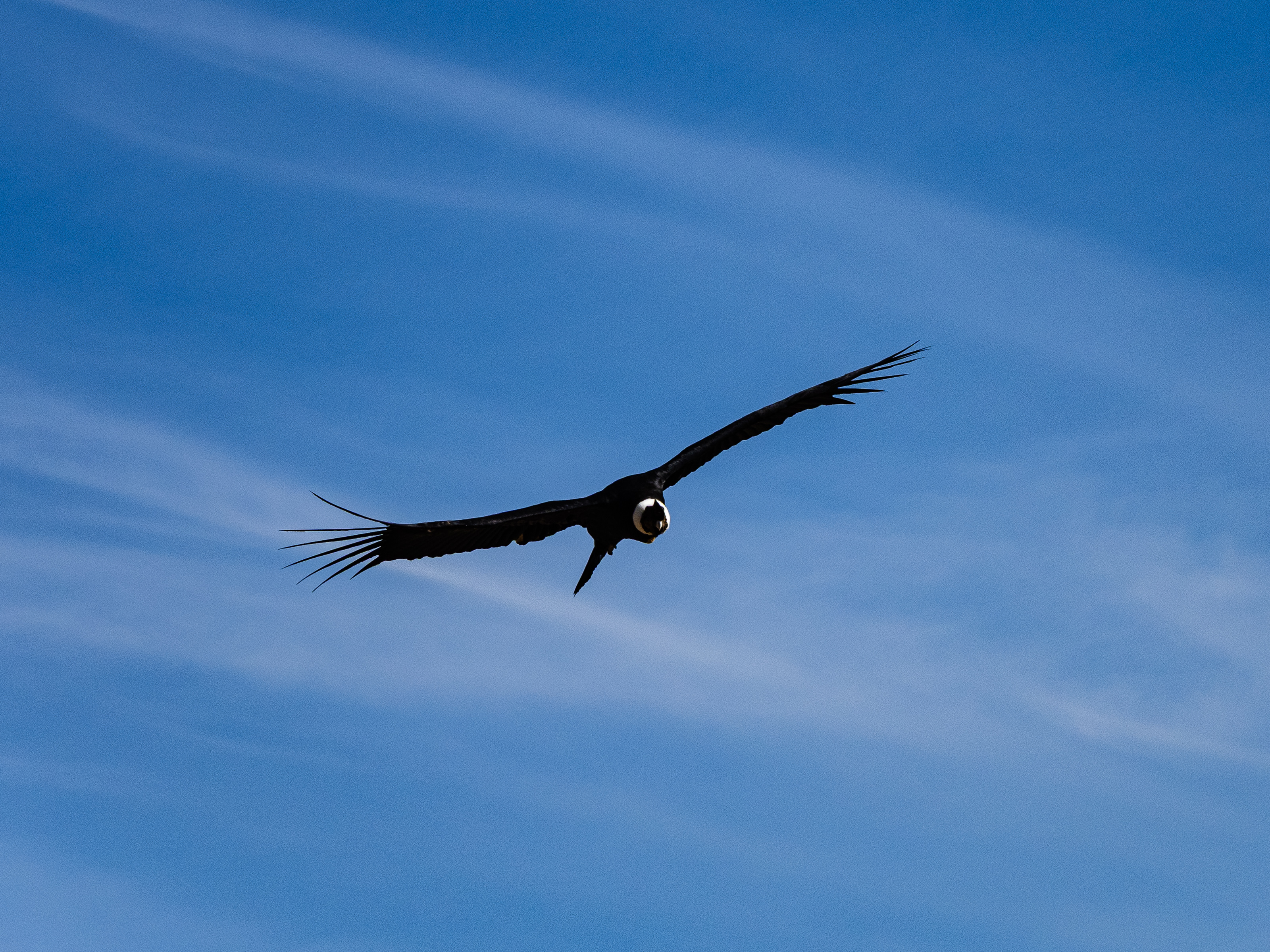
It took nearly 1,200m of climbing to reach Pachapupum and when I got there, the wind was howling. Still, I couldn’t resist the hot springs, so I changed into my swimsuit and checked out the various pools around the geyser. Surprisingly, the biggest one was the warmest (thought not quite hot) and I soaked while the wind gusted. It did not make for the most relaxing bath, so I didn’t stay in too long. I got dressed and climbed the short stairs to the top of the geyser. That night, I slept inside a shed next to the restaurant, choosing that spot over my tent due to the wind. I needn’t have, since the wind died down at sunset, as it would every other night of my trip.
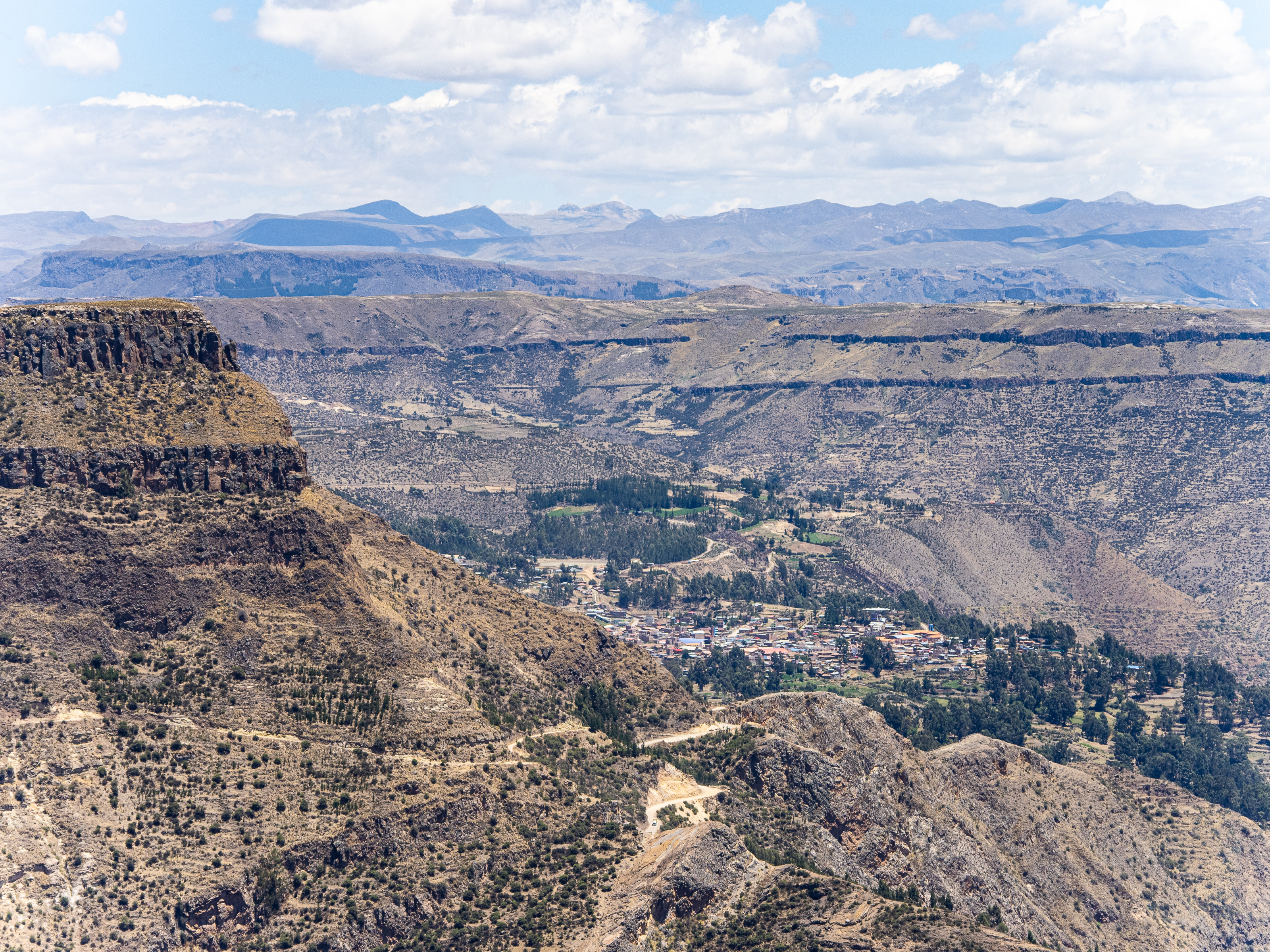
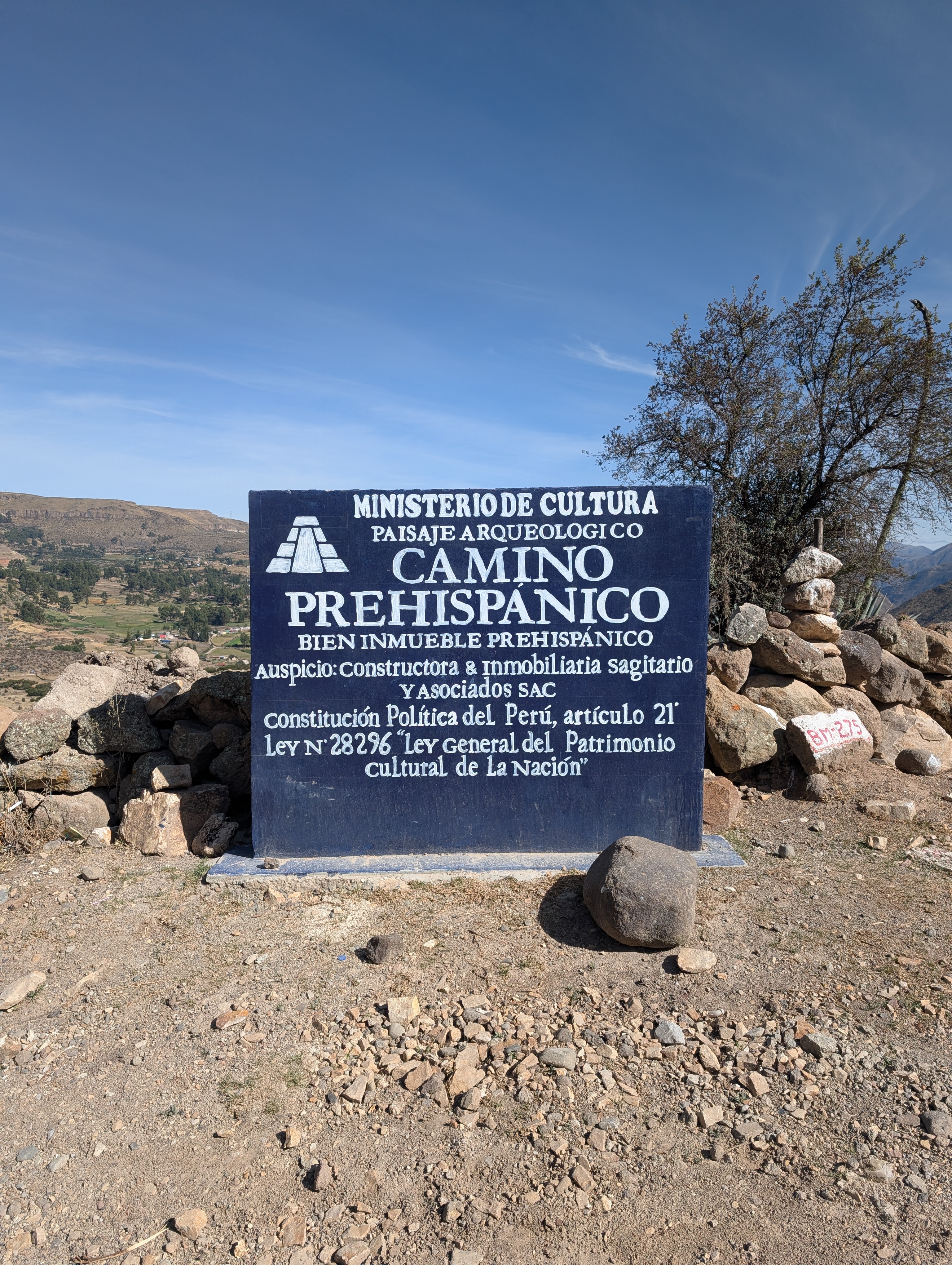
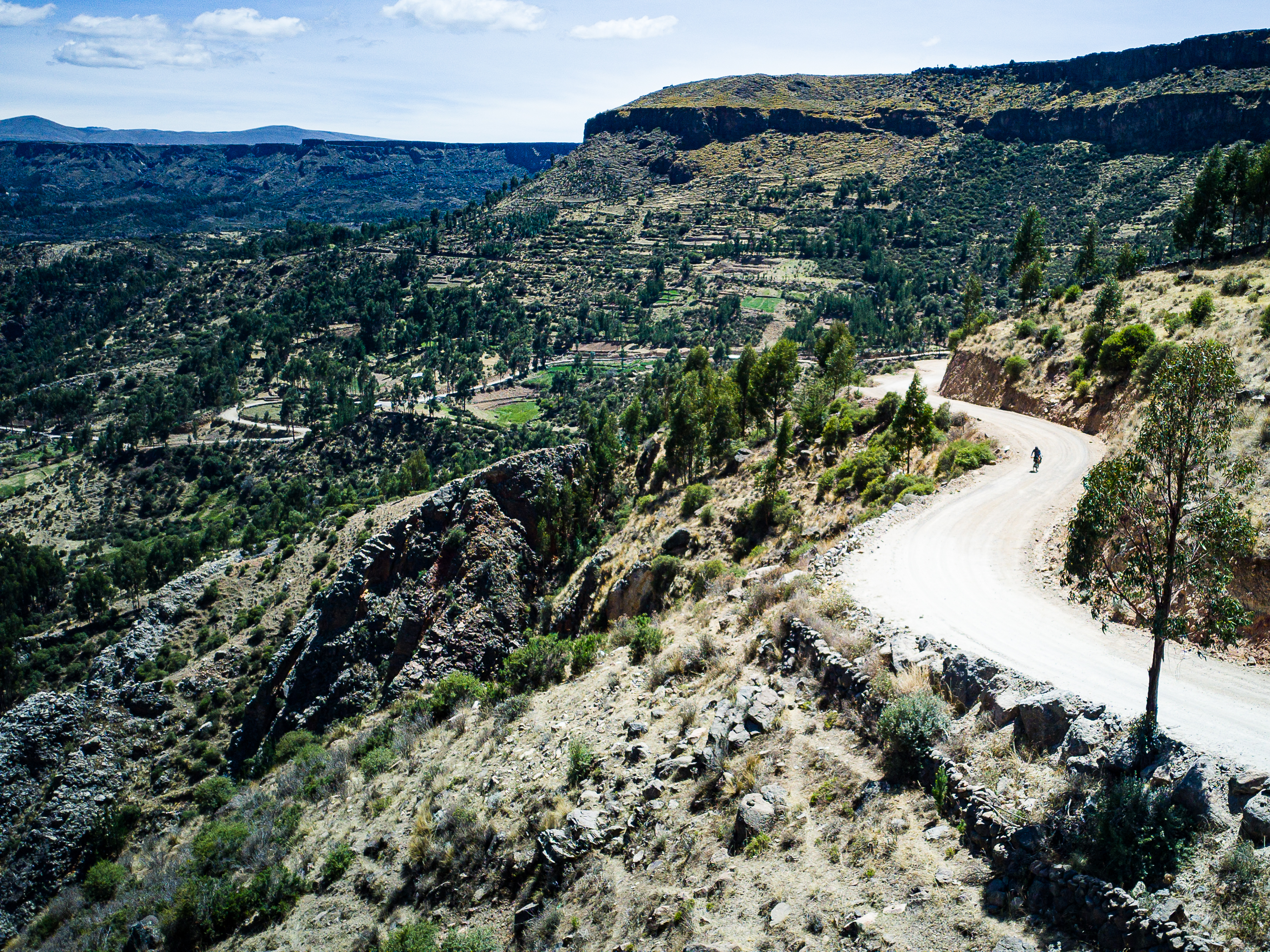
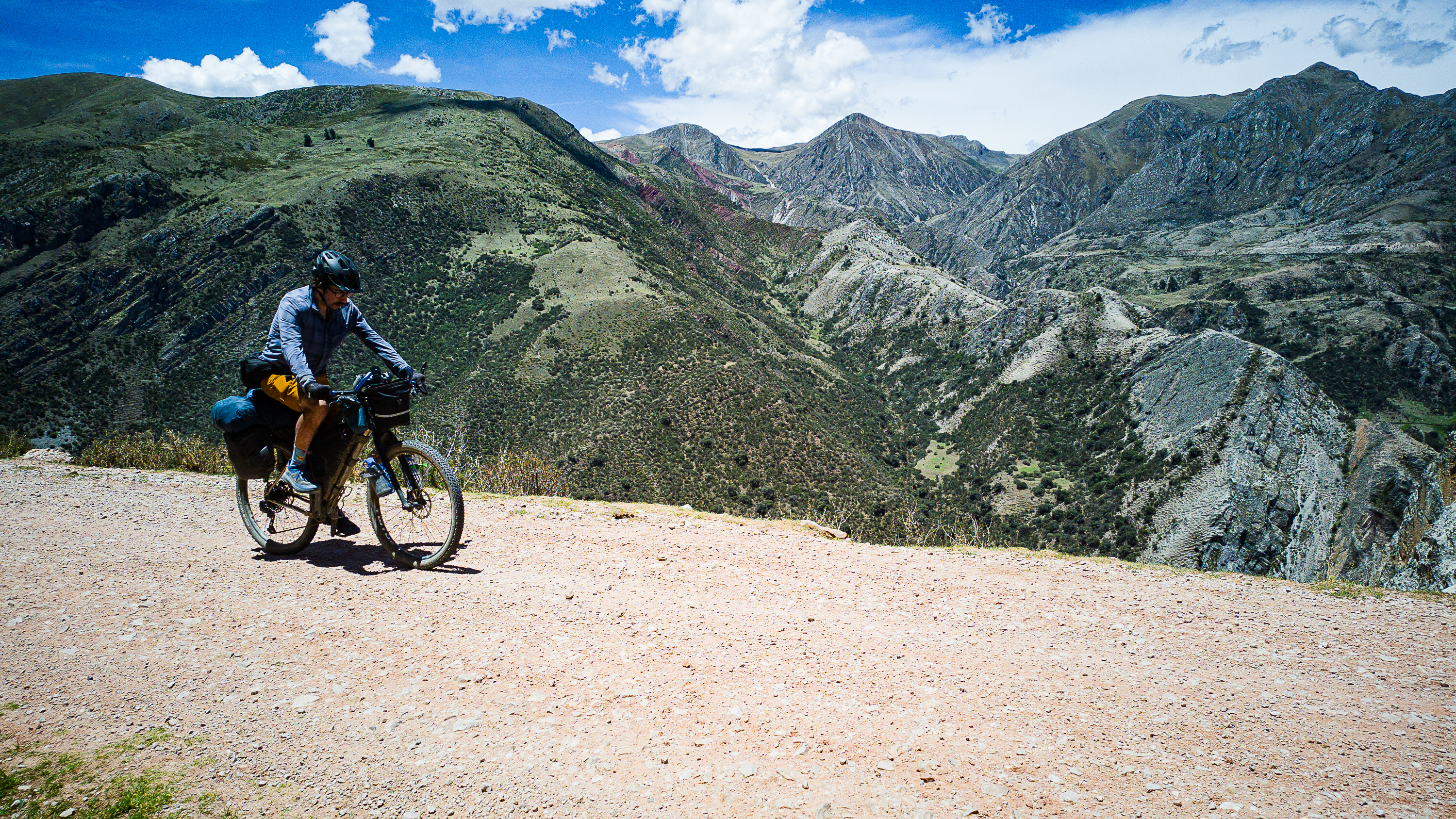
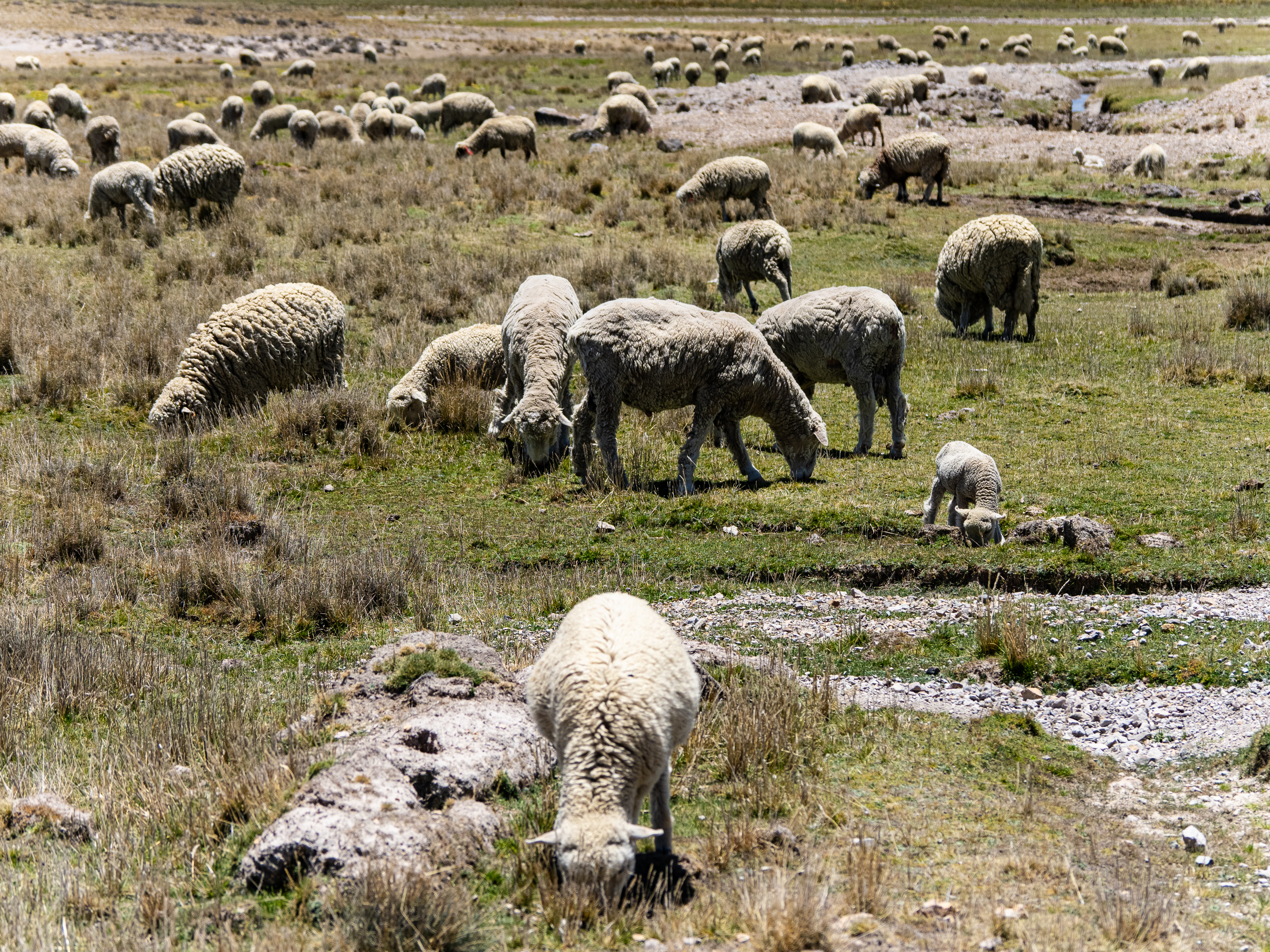
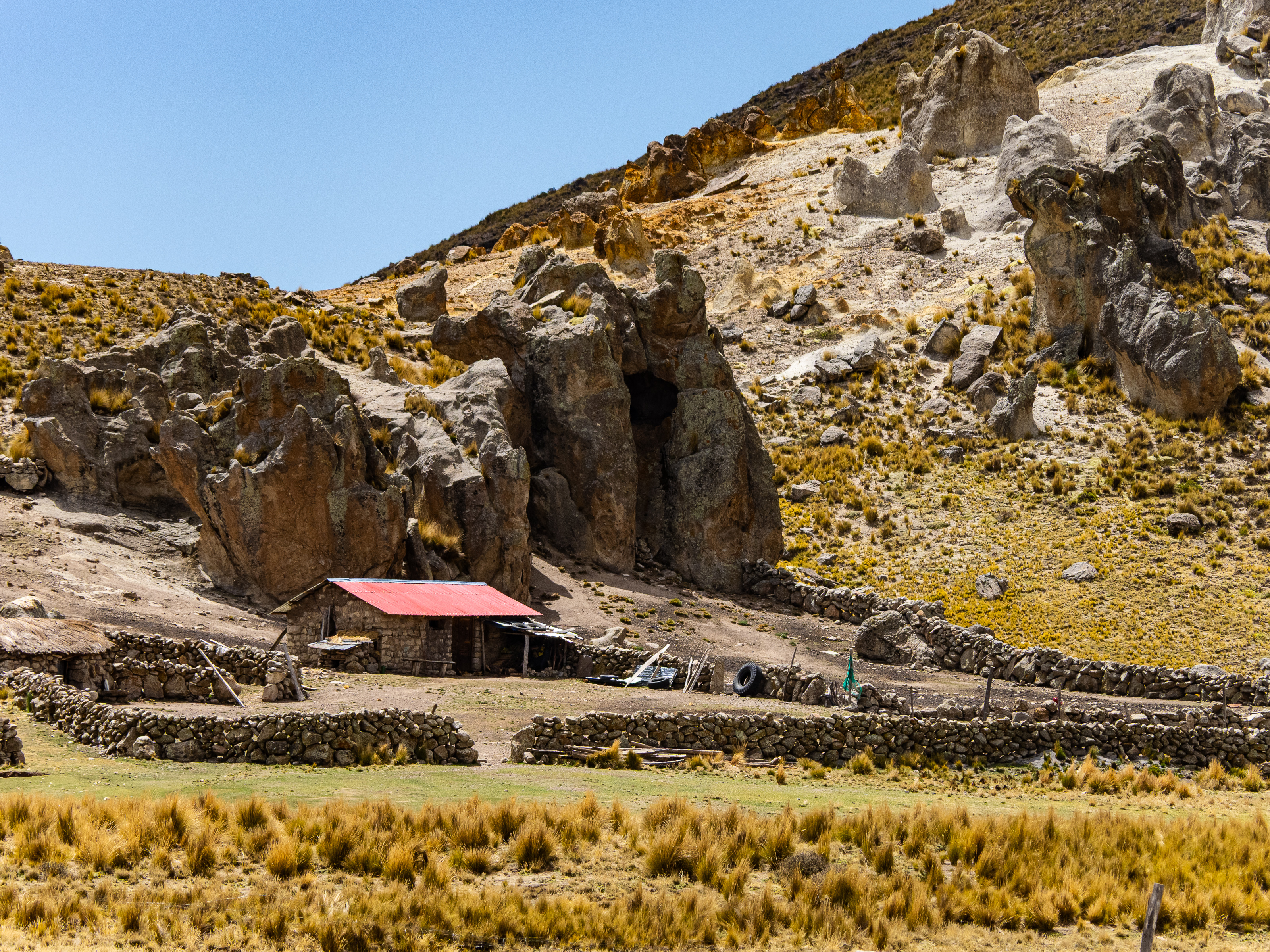
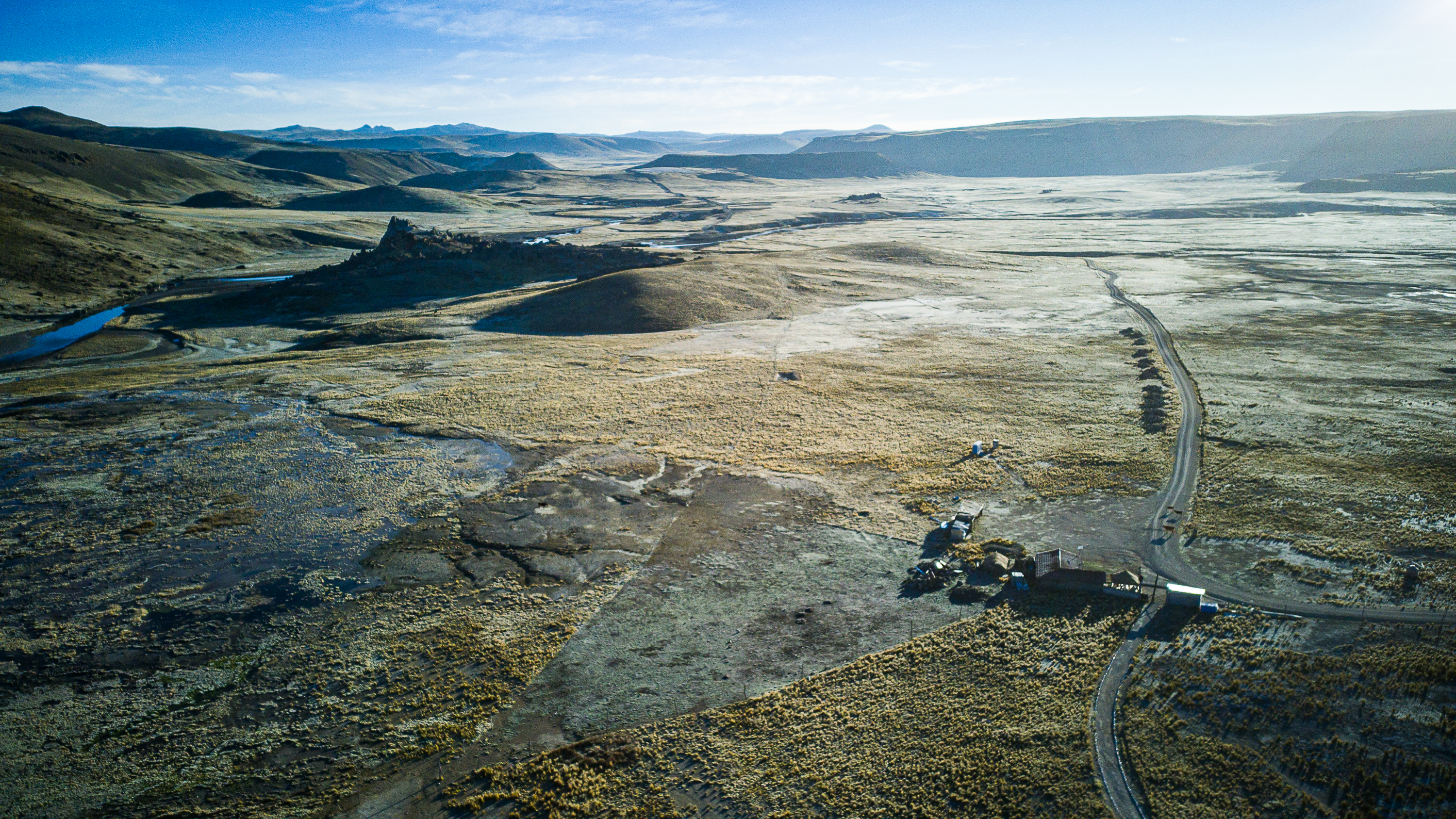
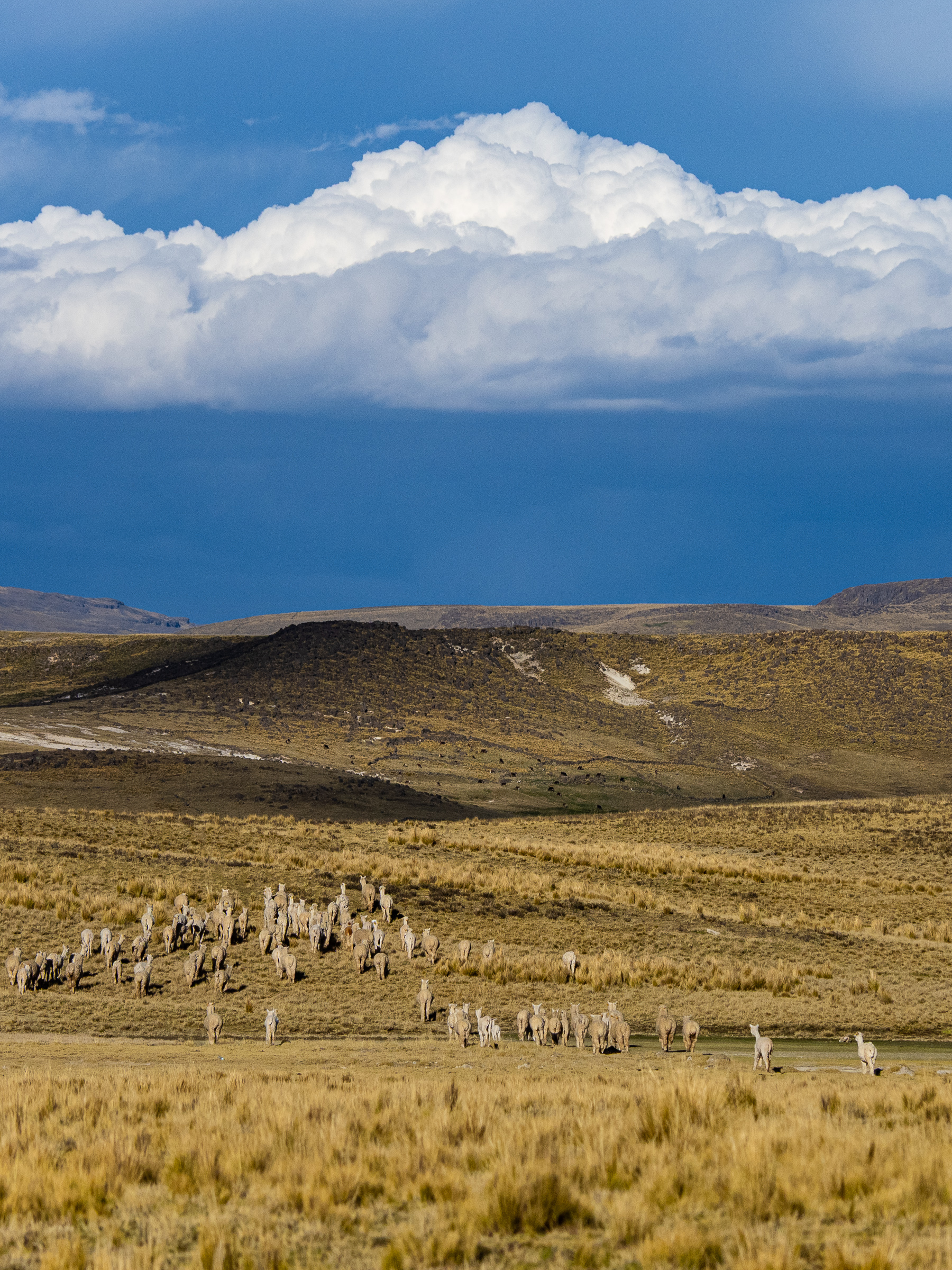
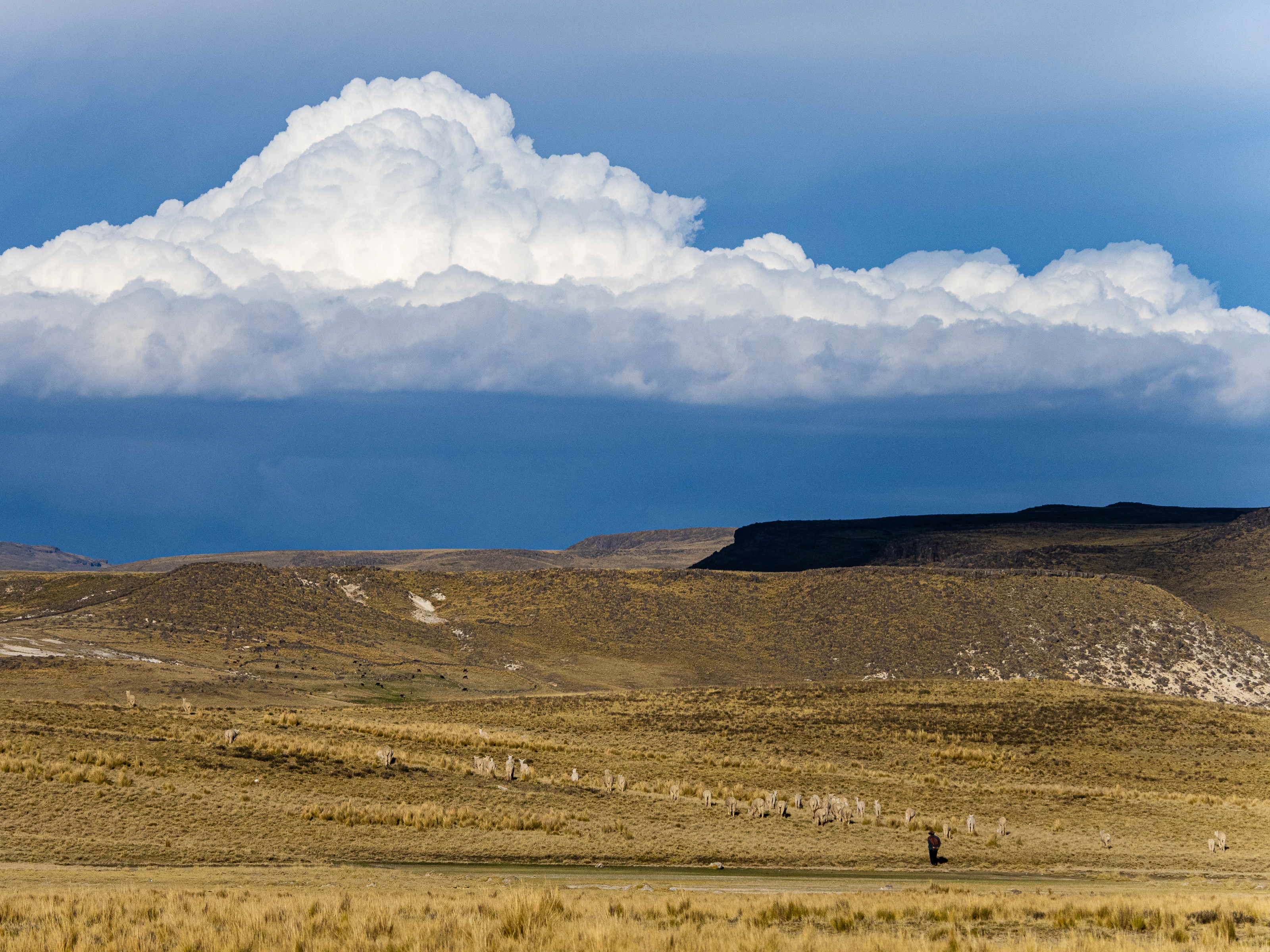
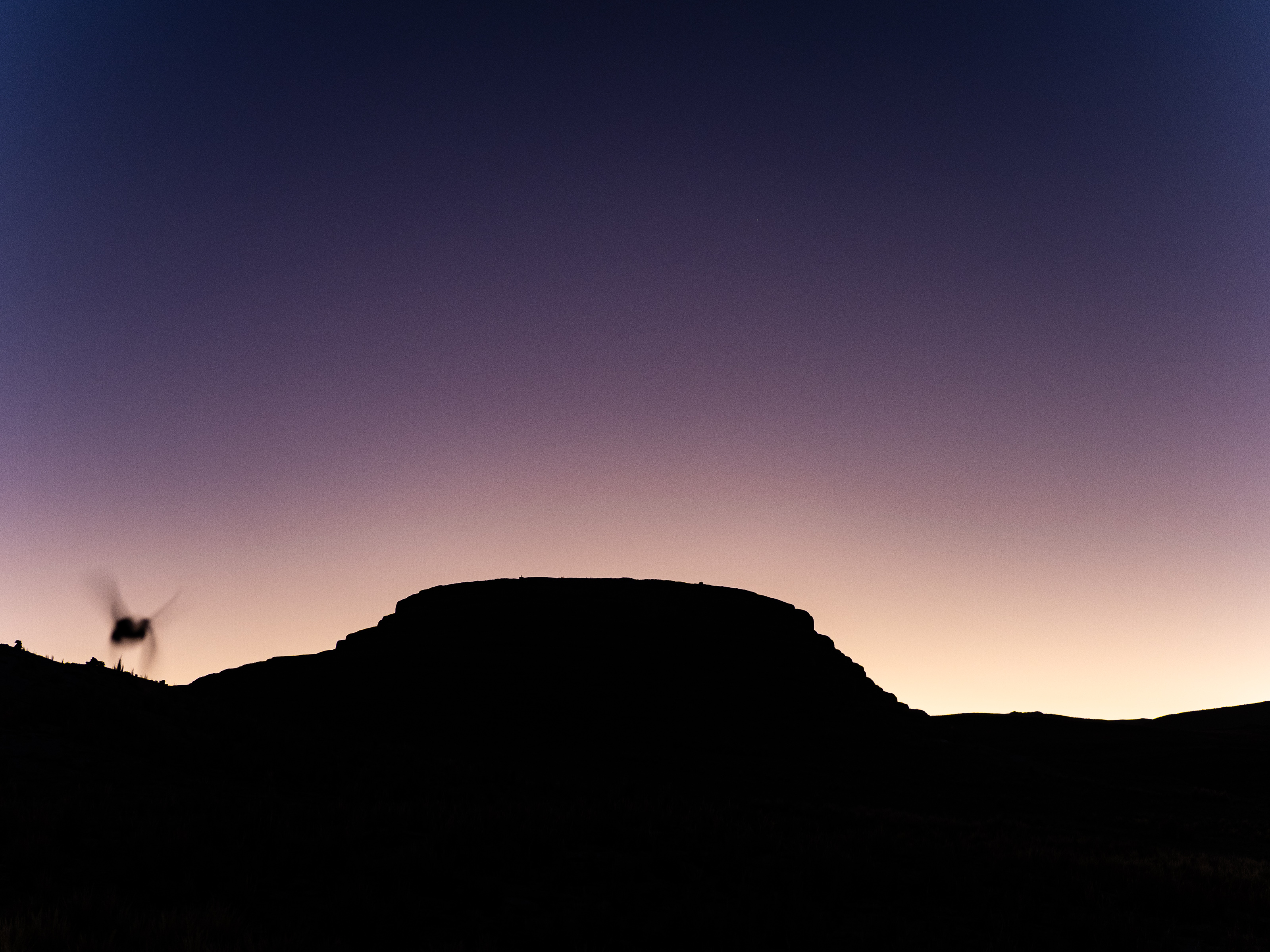
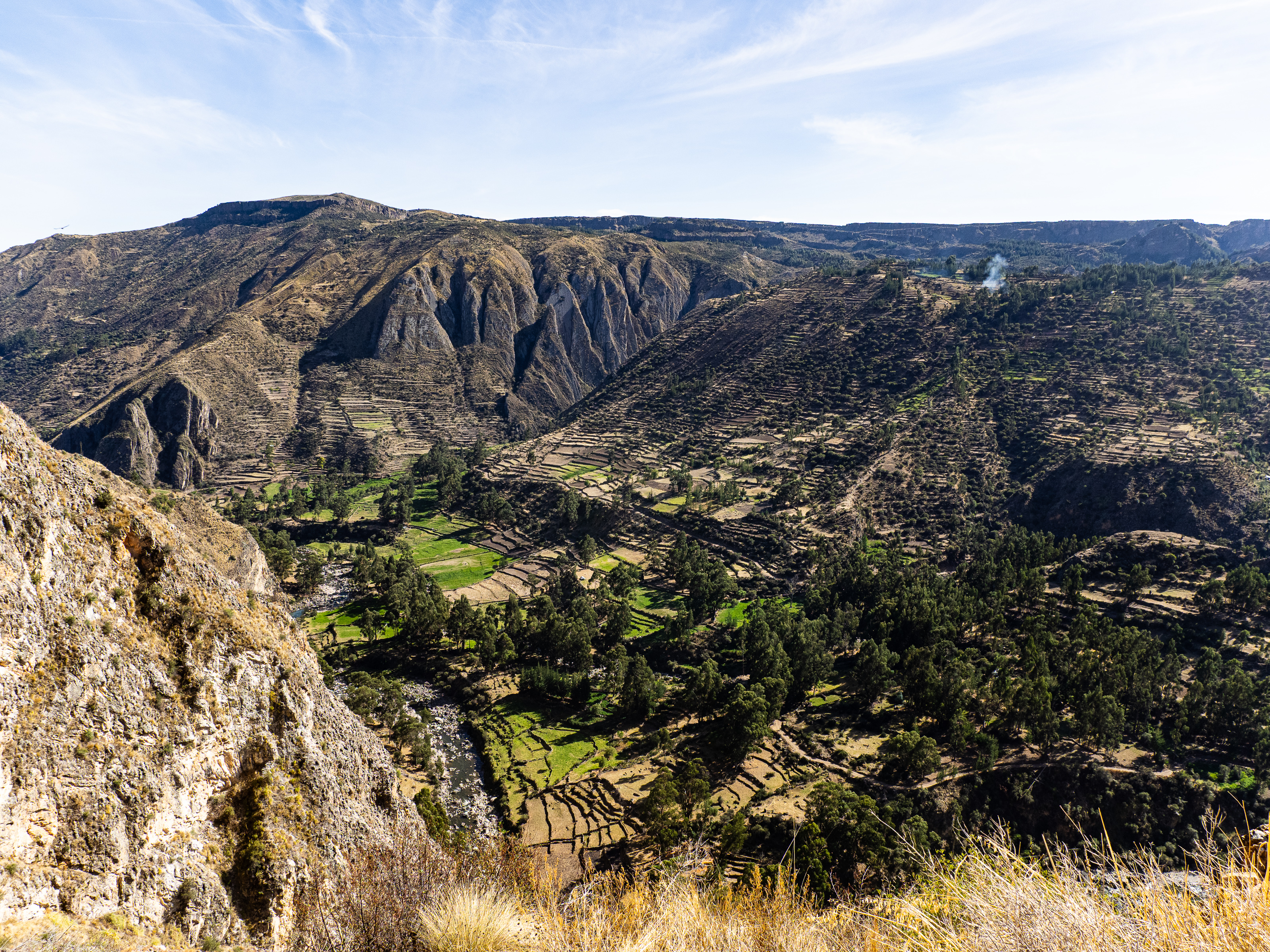
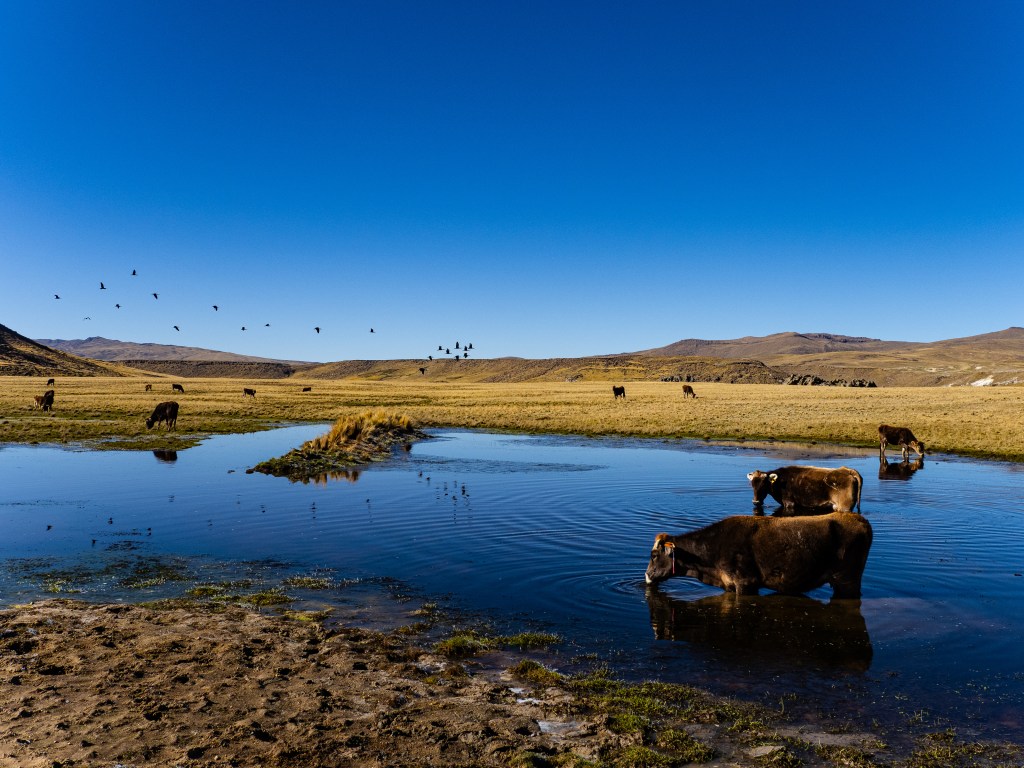
From Pachapupum, I rode back to the main road then continued through across the puna. I was heading to the Sondondo Valley for a rest day and had two options to get there. I could continue across the plateau and go directly to the valley, or I could take an alternate road through another, even more remote valley, which would had 25km and 900m to my ride. The plateau was less inspiring (by Peru standards), so I decided to go the adventurous way.
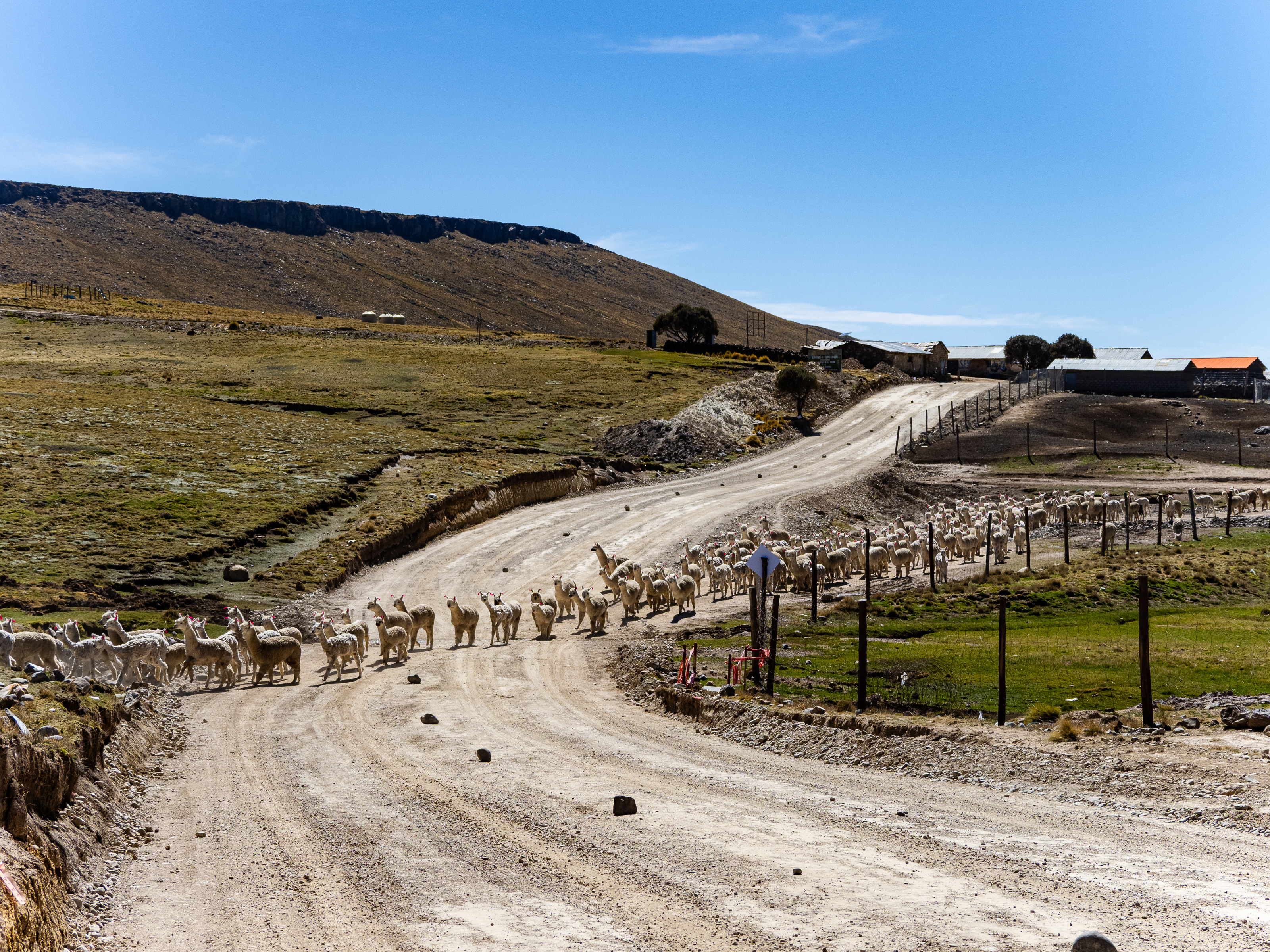
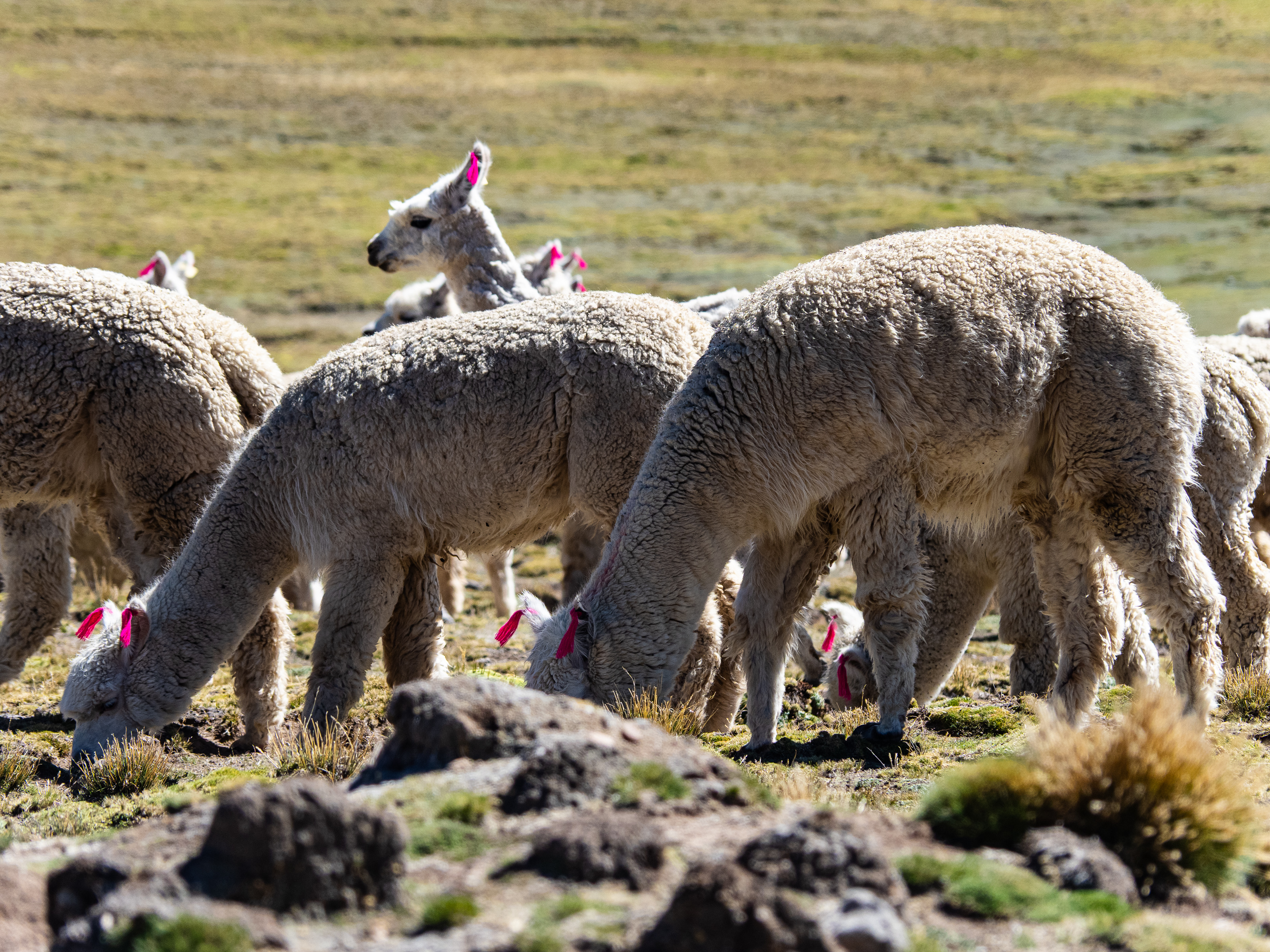
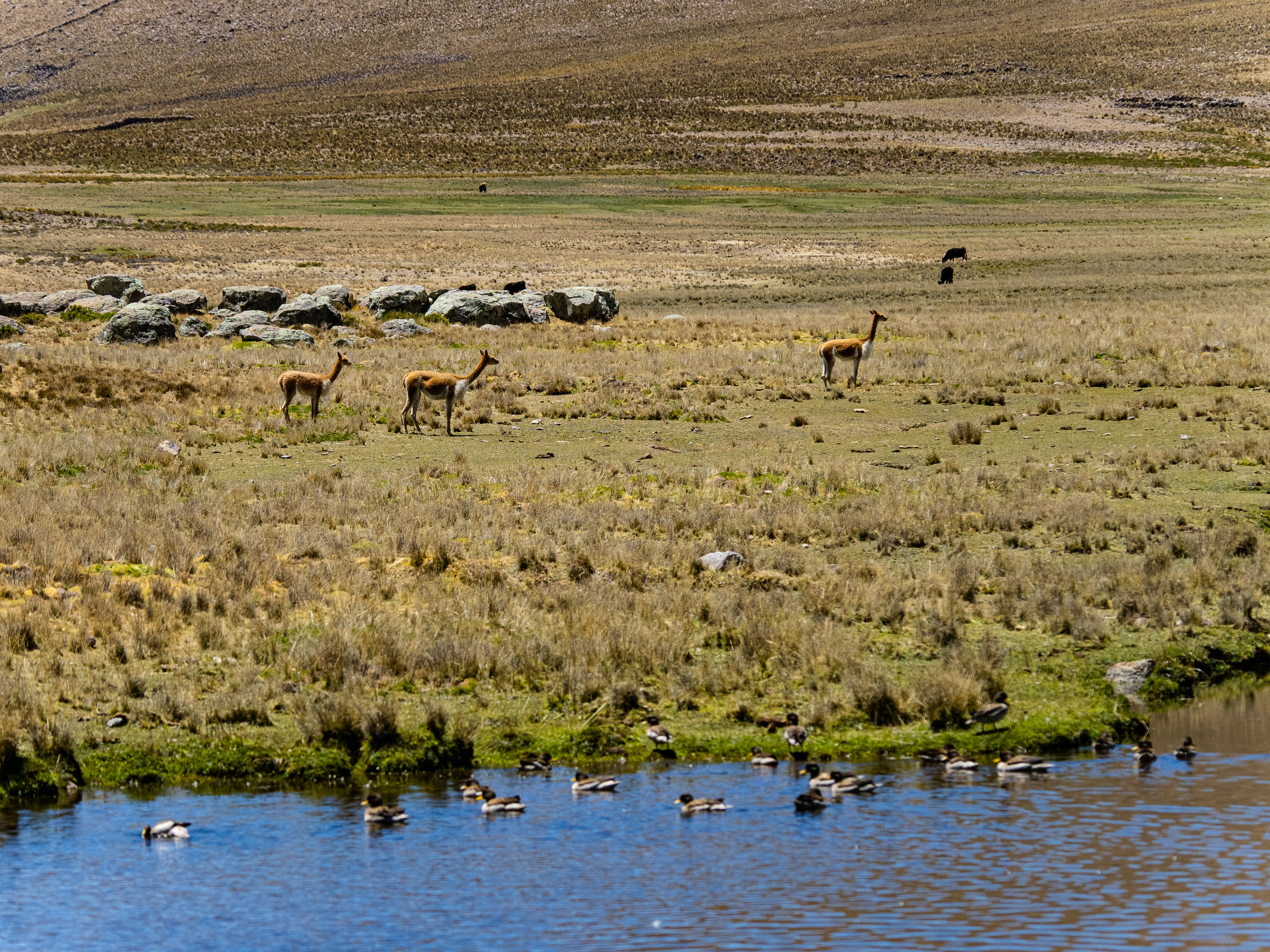
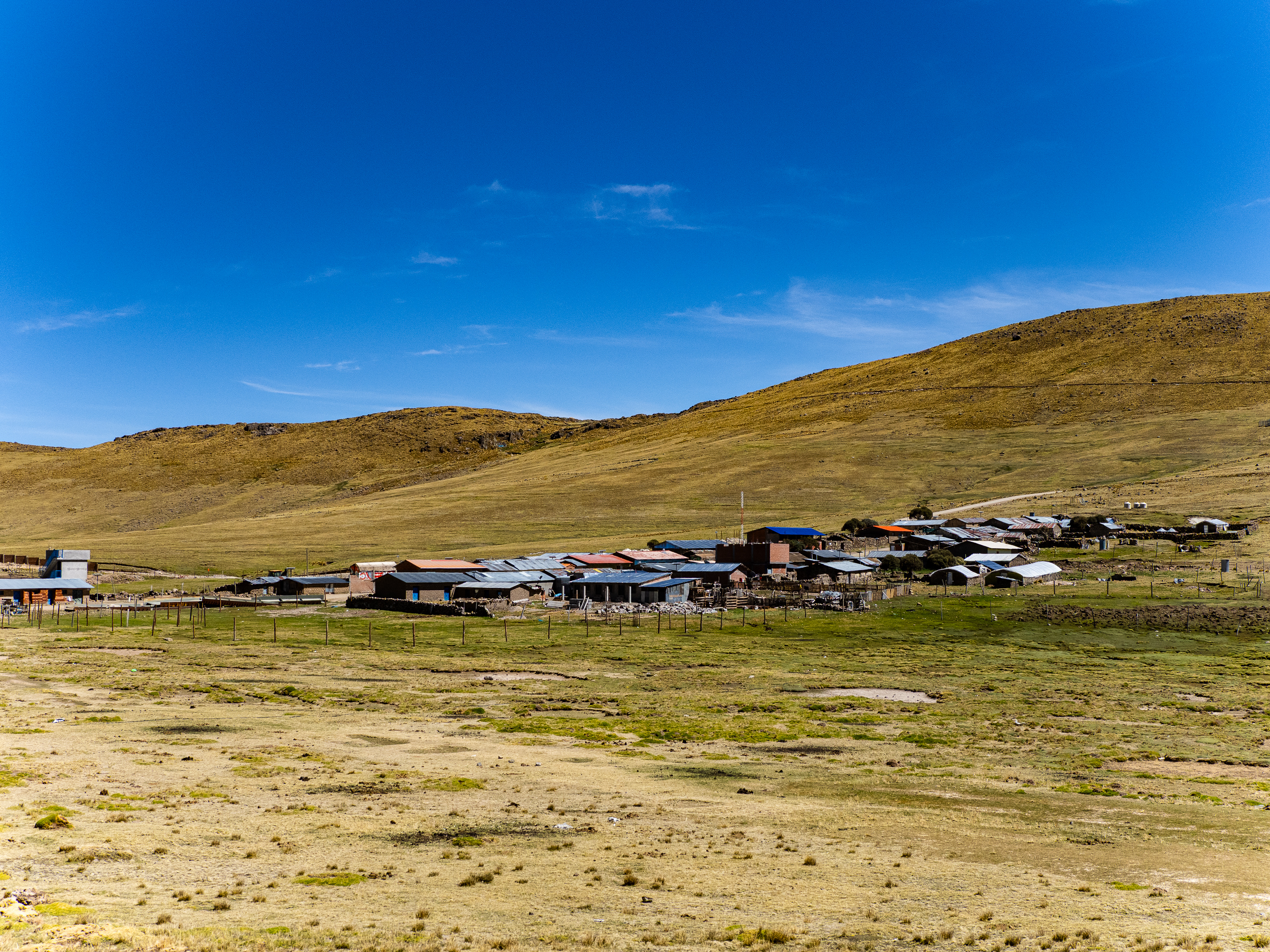
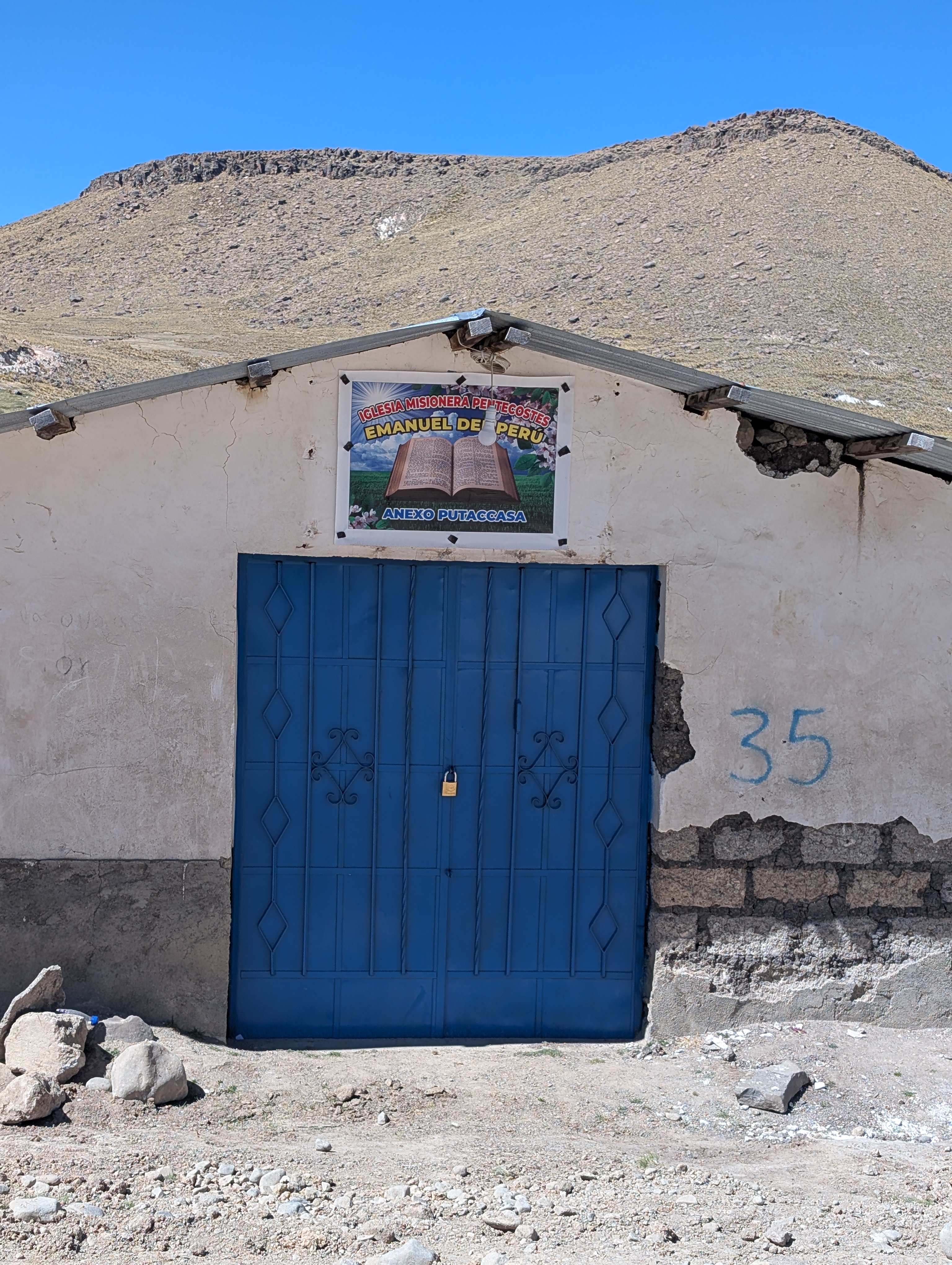
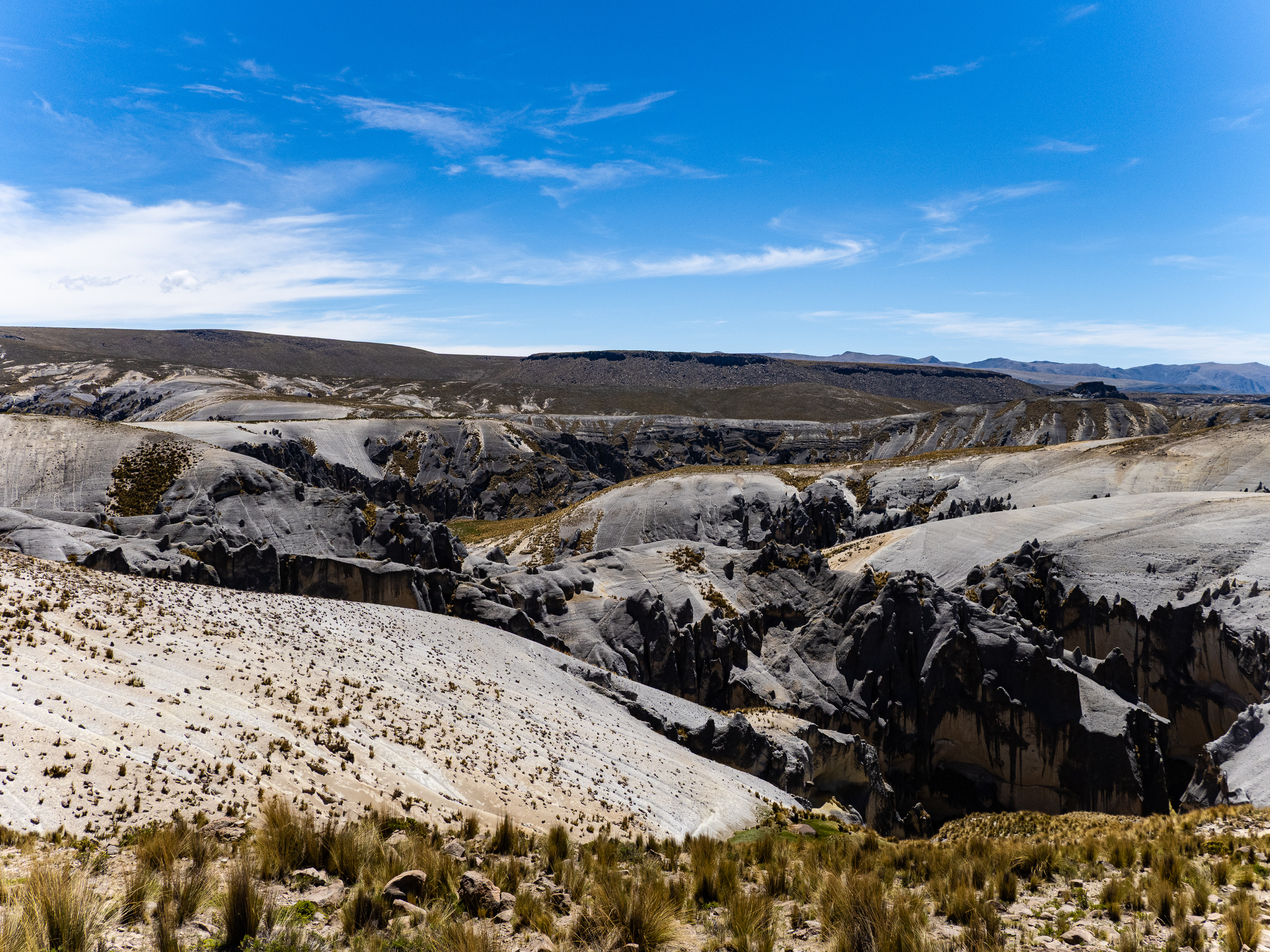
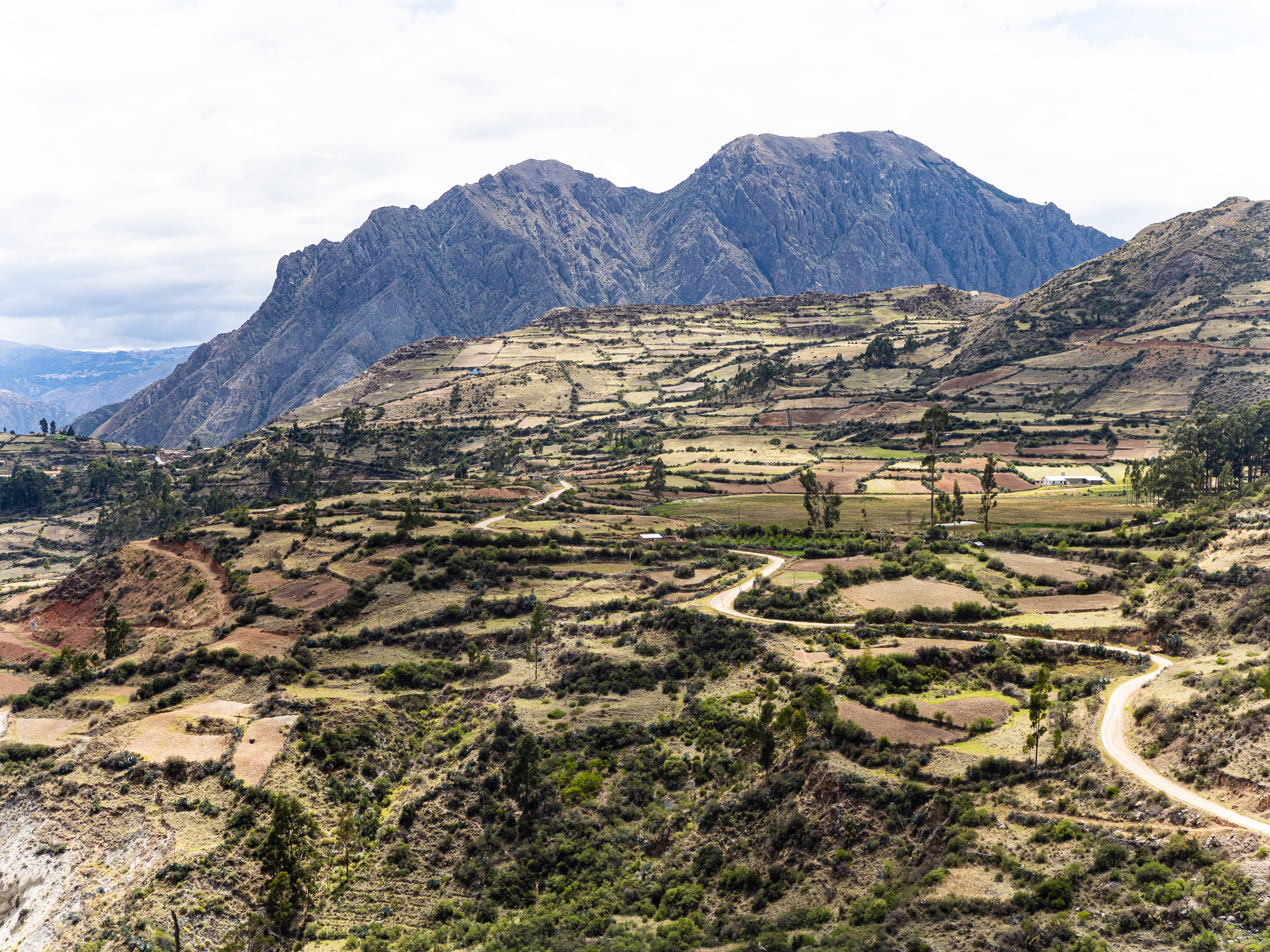
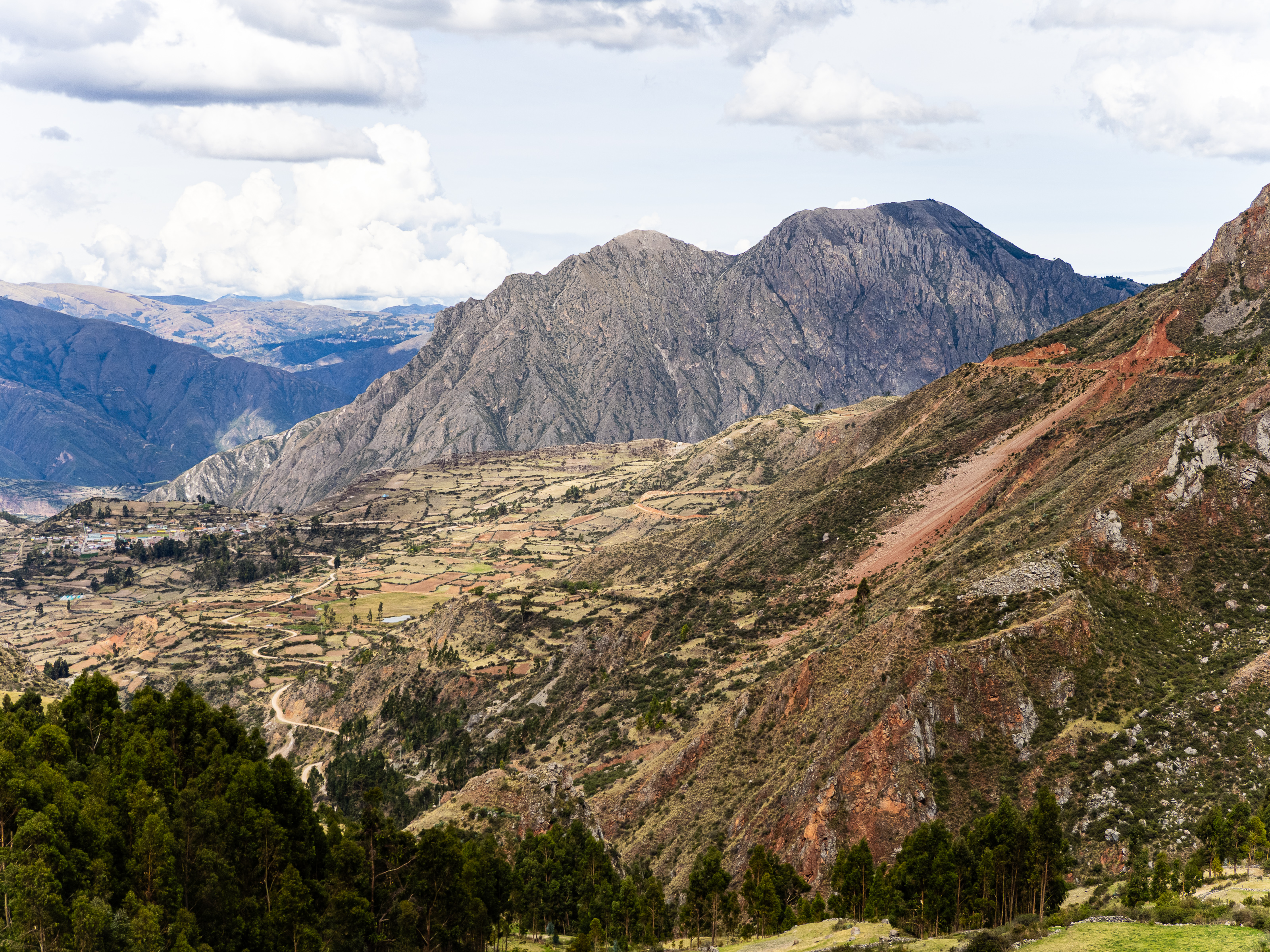
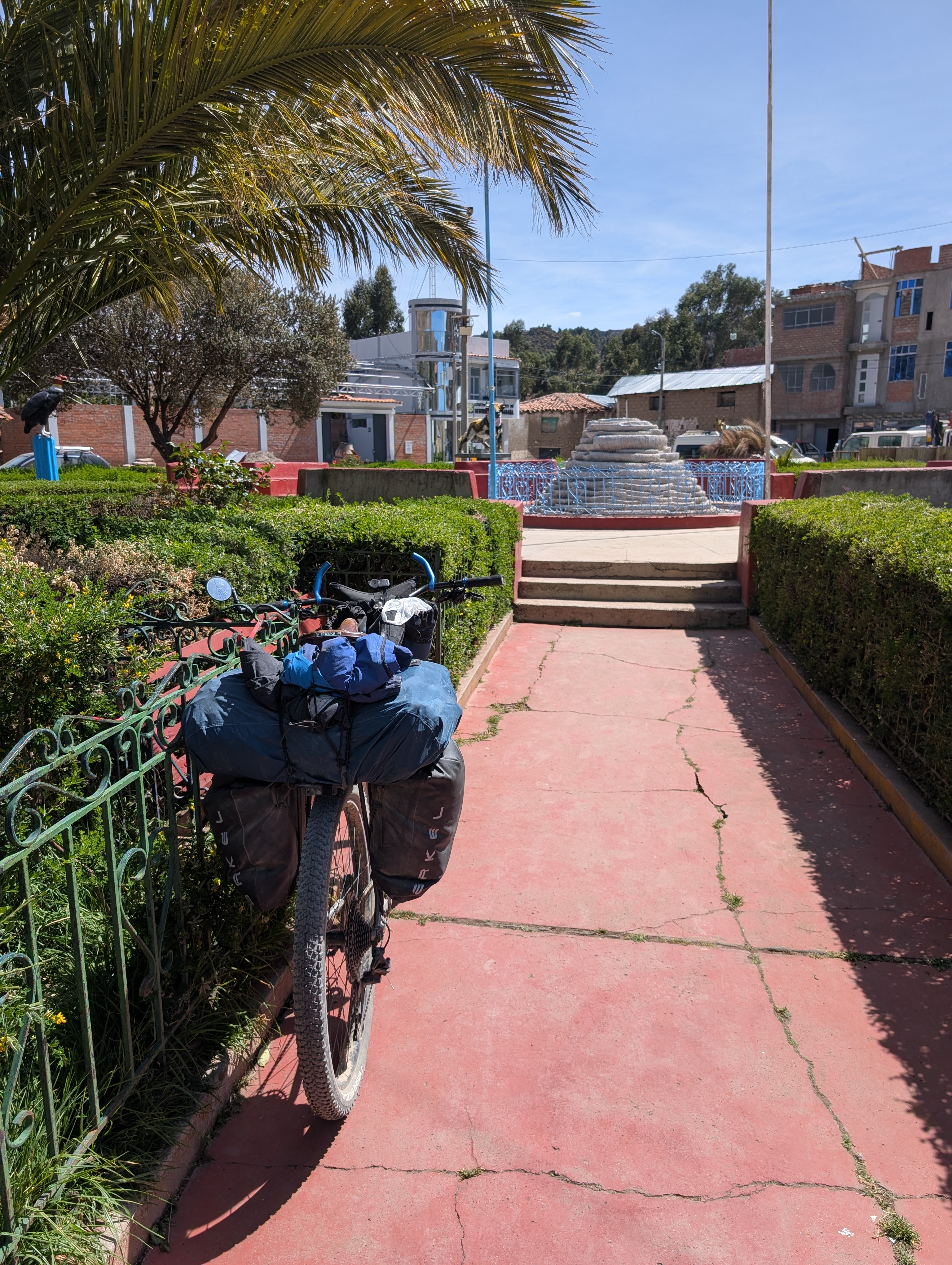
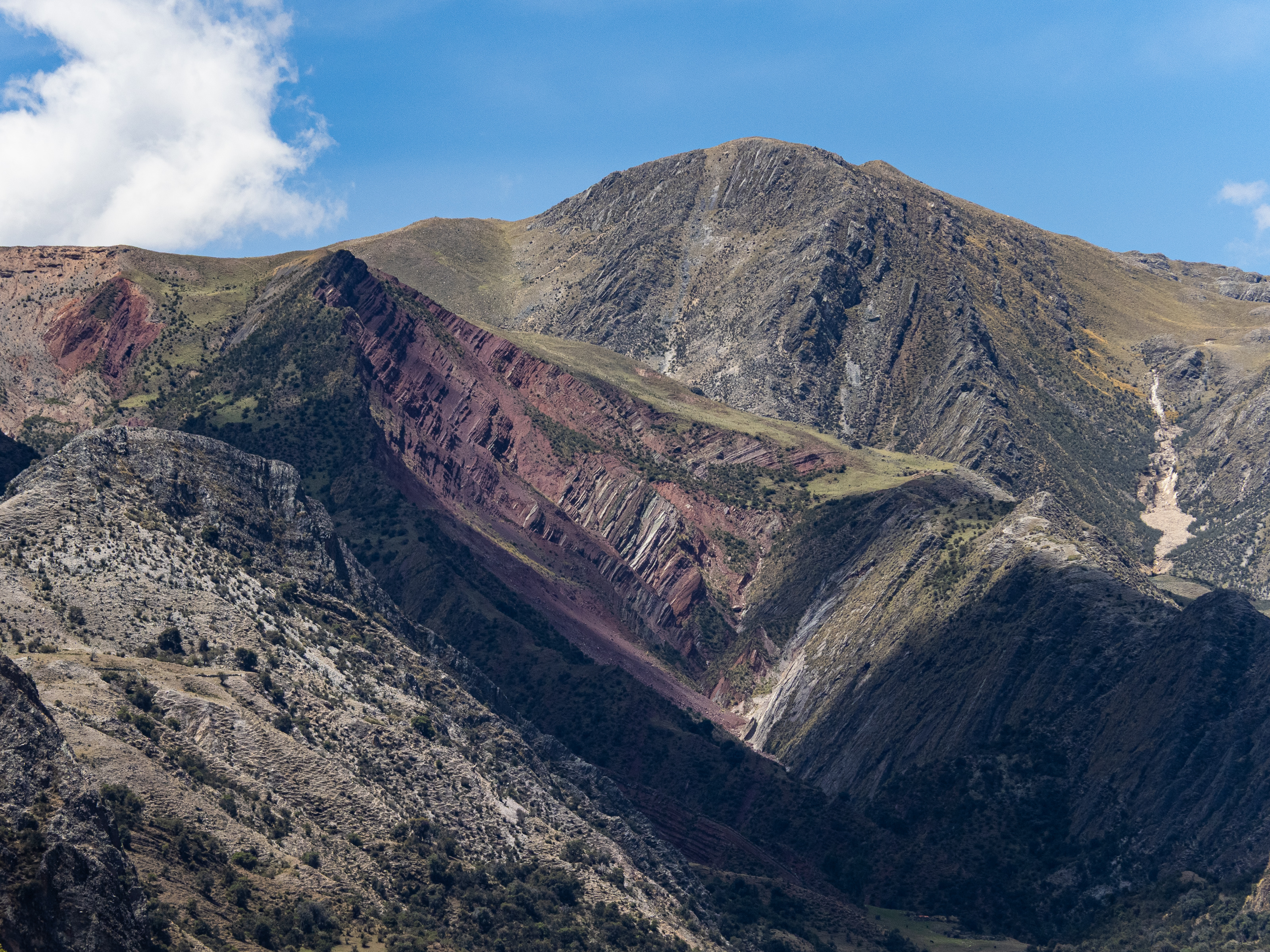
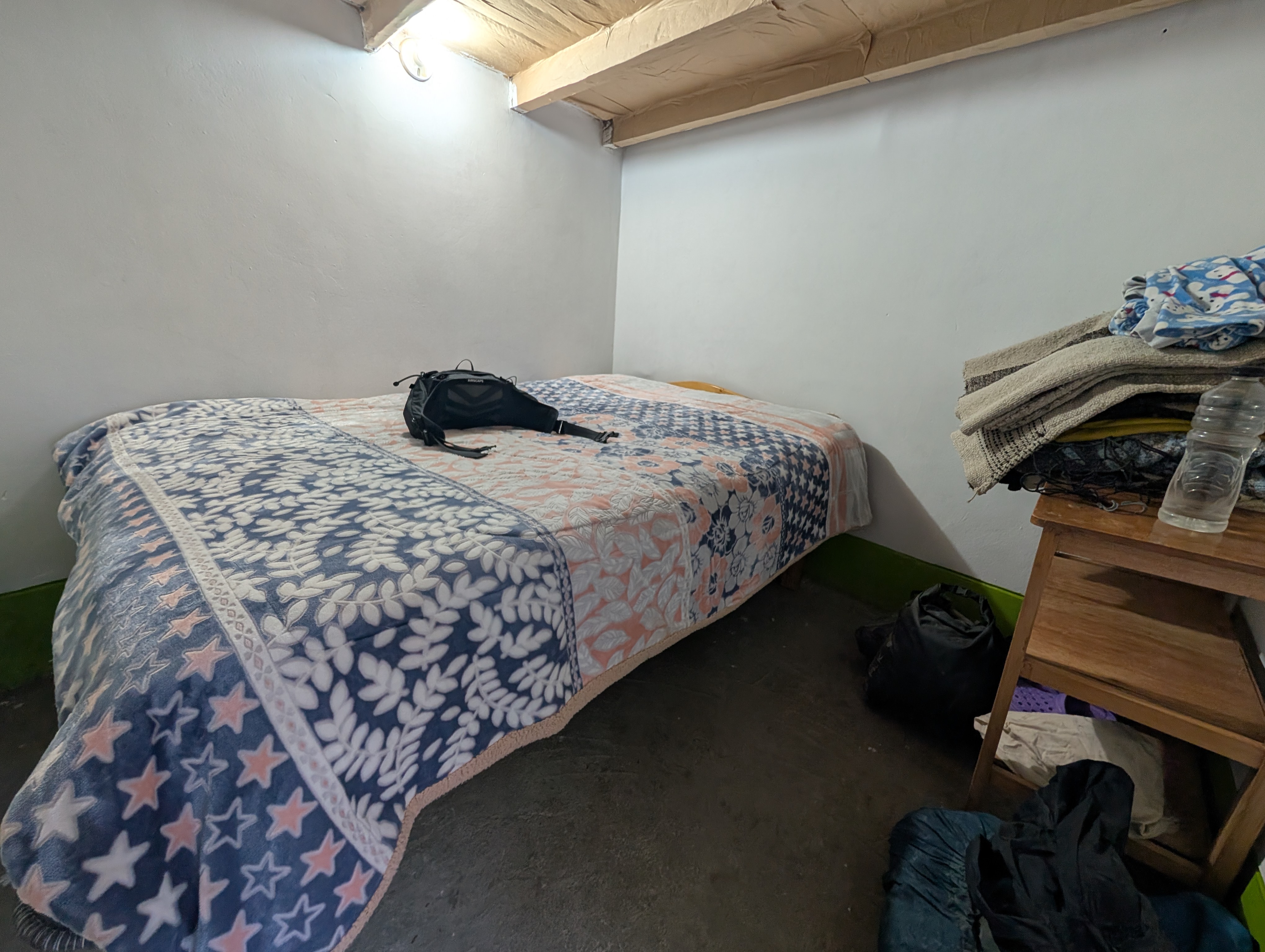
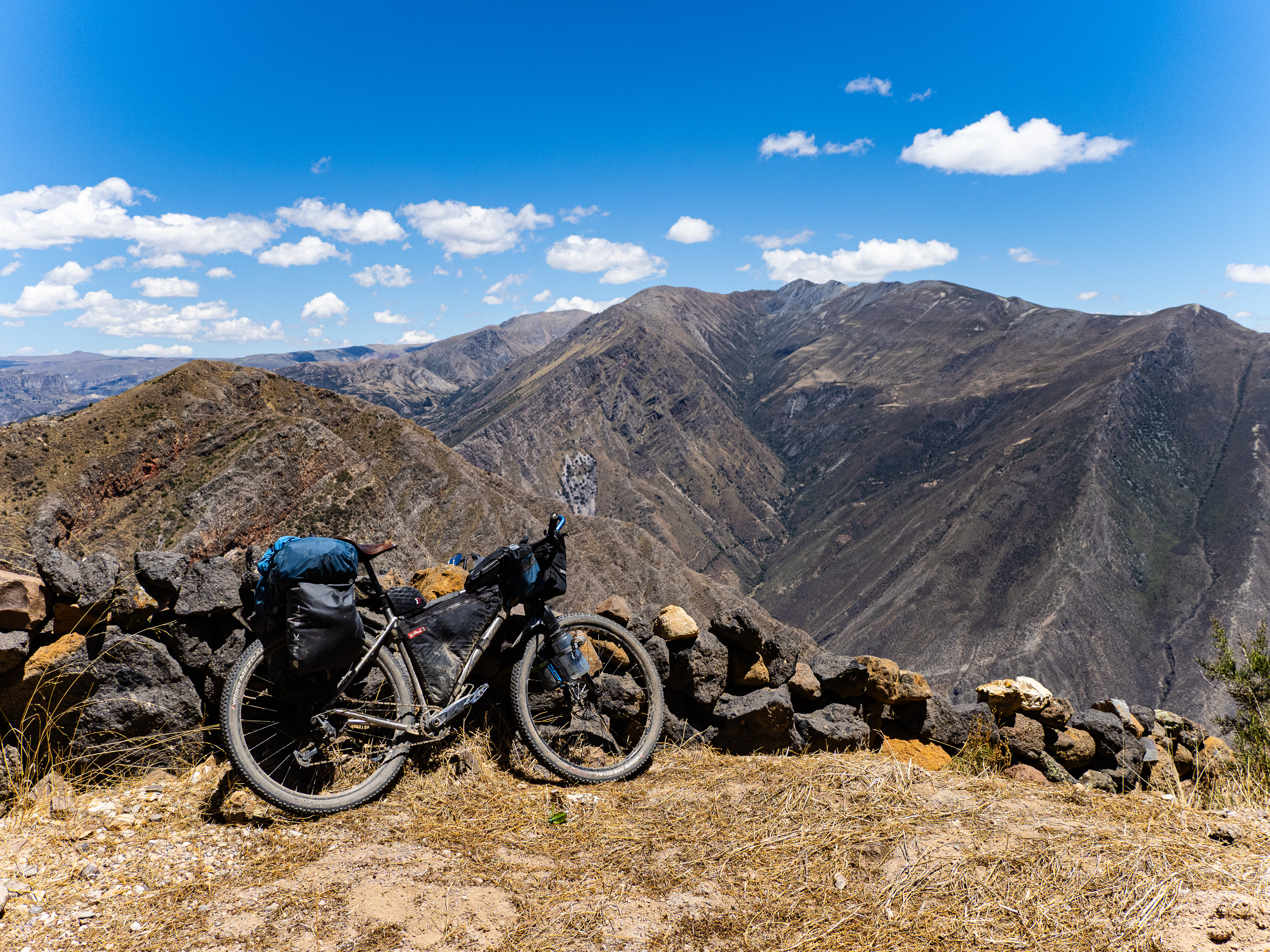
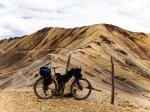
I was extremely happy I did. The valley I entered was filled with curious geological formations, eroded hoodoos, slot canyons, steep cliffs, and colourful rock formations. I passed by a remote ranch and followed the road along the reaches of the upper canyon before passing through the isolate village of Santa Ana and descending steeply to the river below. There was no easy path along the river and the road climbed steeply above it before finally descending to the town of Luren. There, I lay back in the plaza before I finally found the owner of the only hospedaje in town. The alternative was beginning the 900m climb out of town and hoping to find a place to camp, but I was already pretty tired so I stayed put. The room was as barebones as it gets, but the bed was decently comfy and it was cheap.
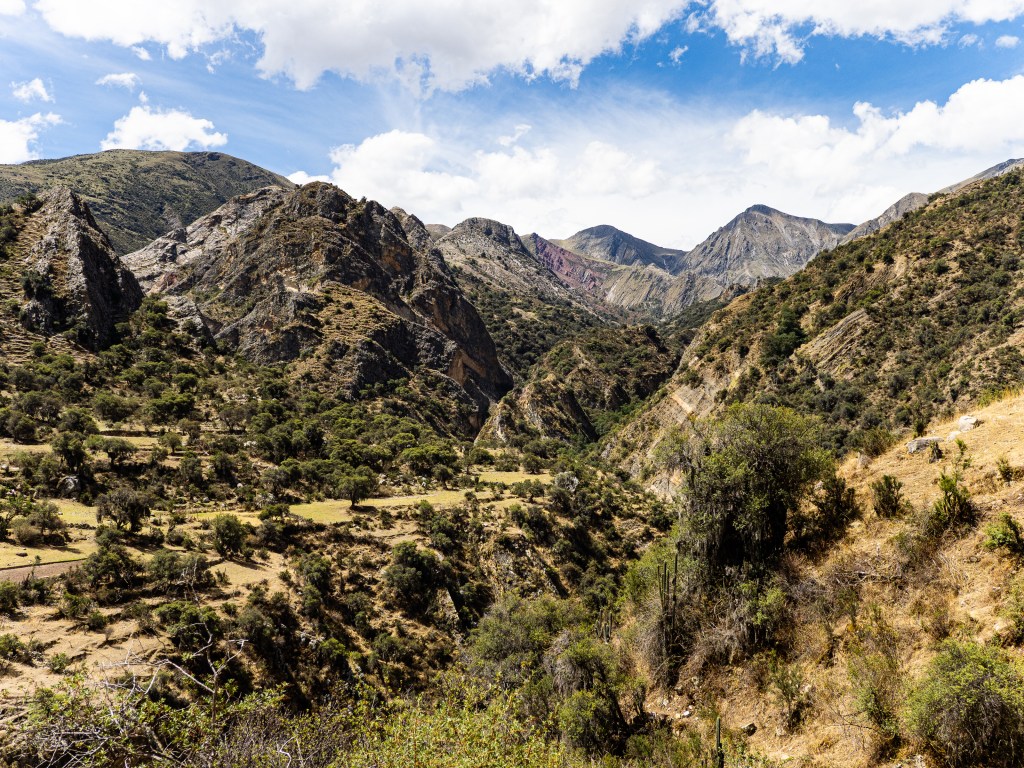
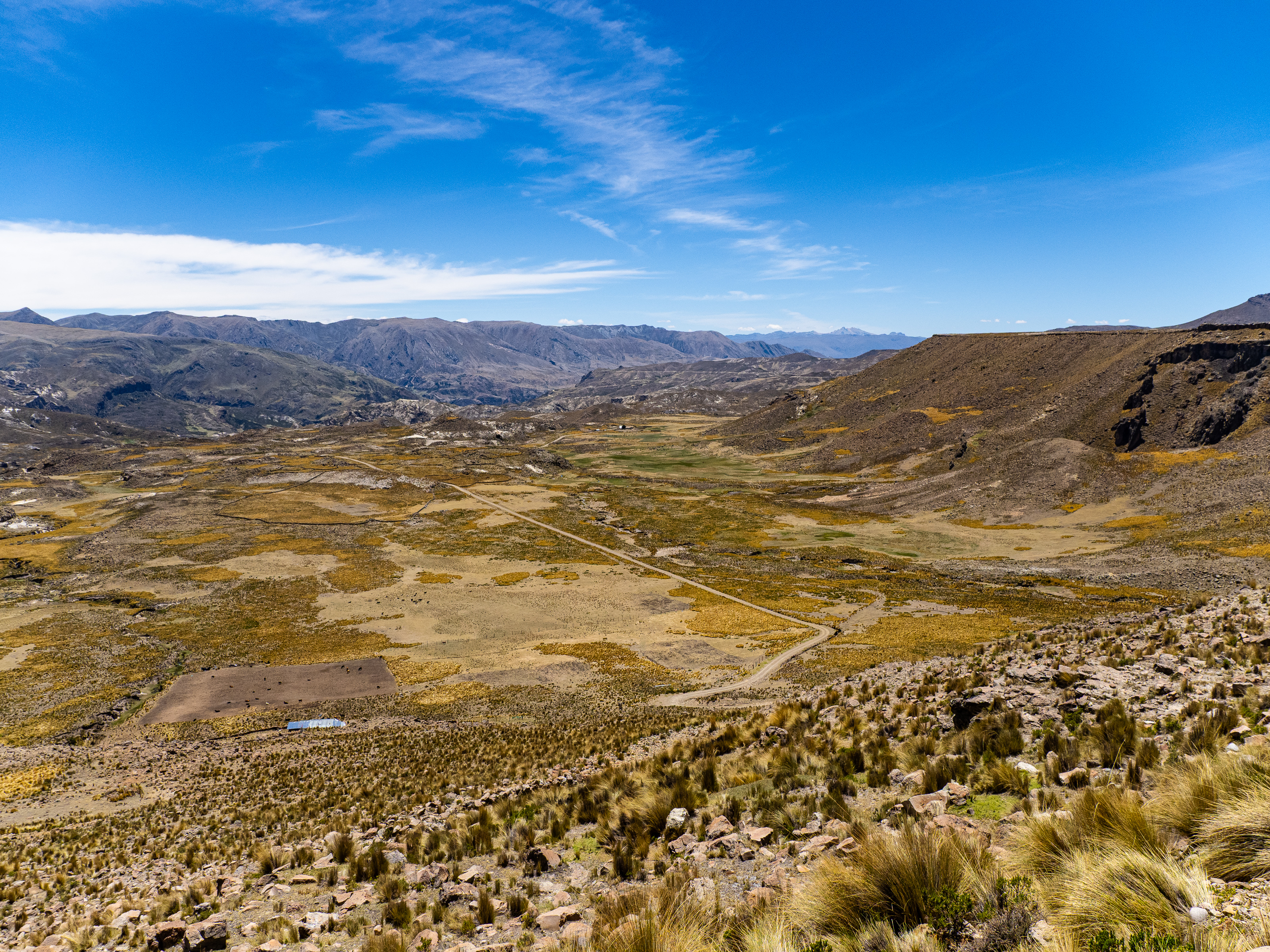
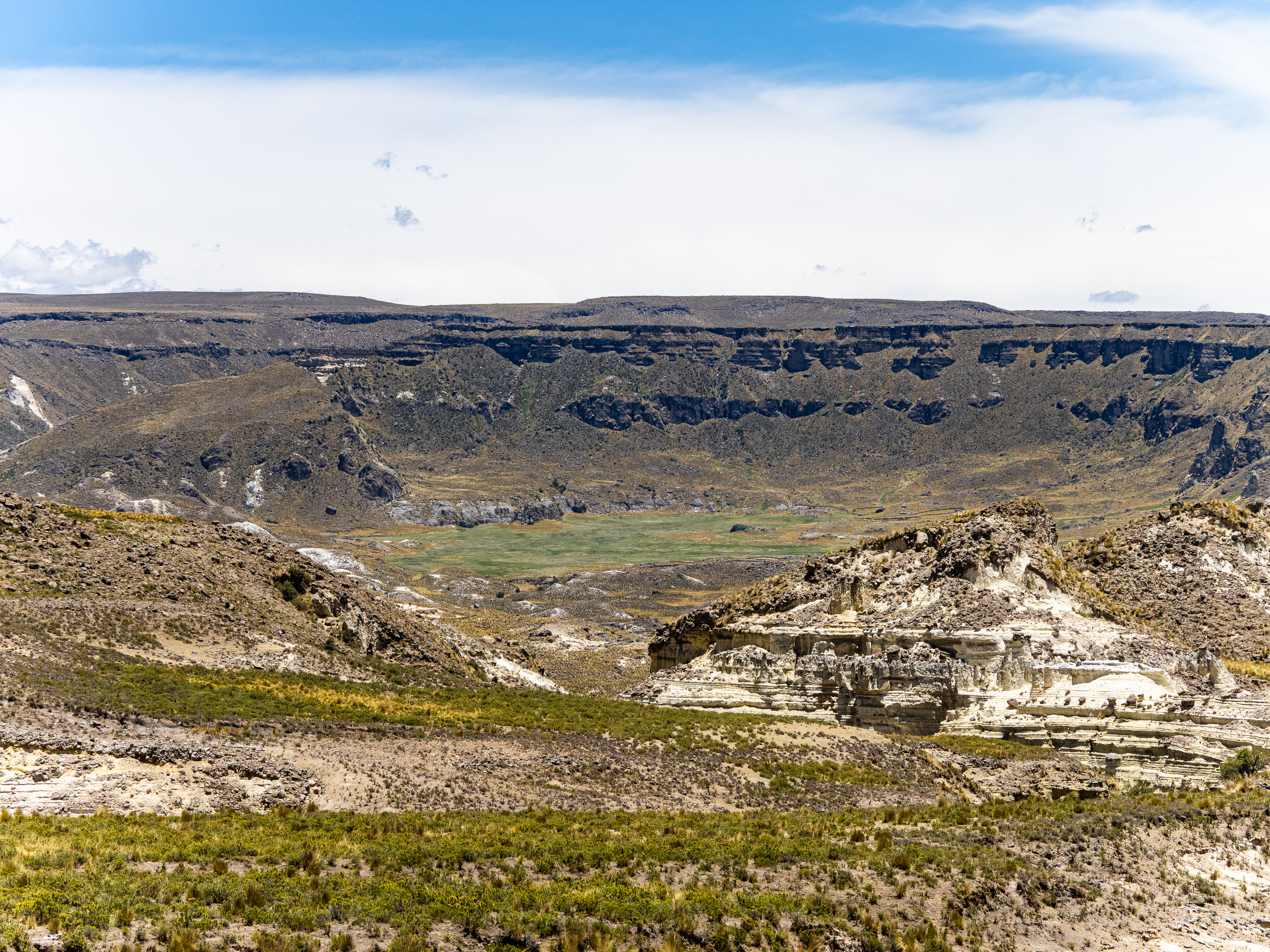
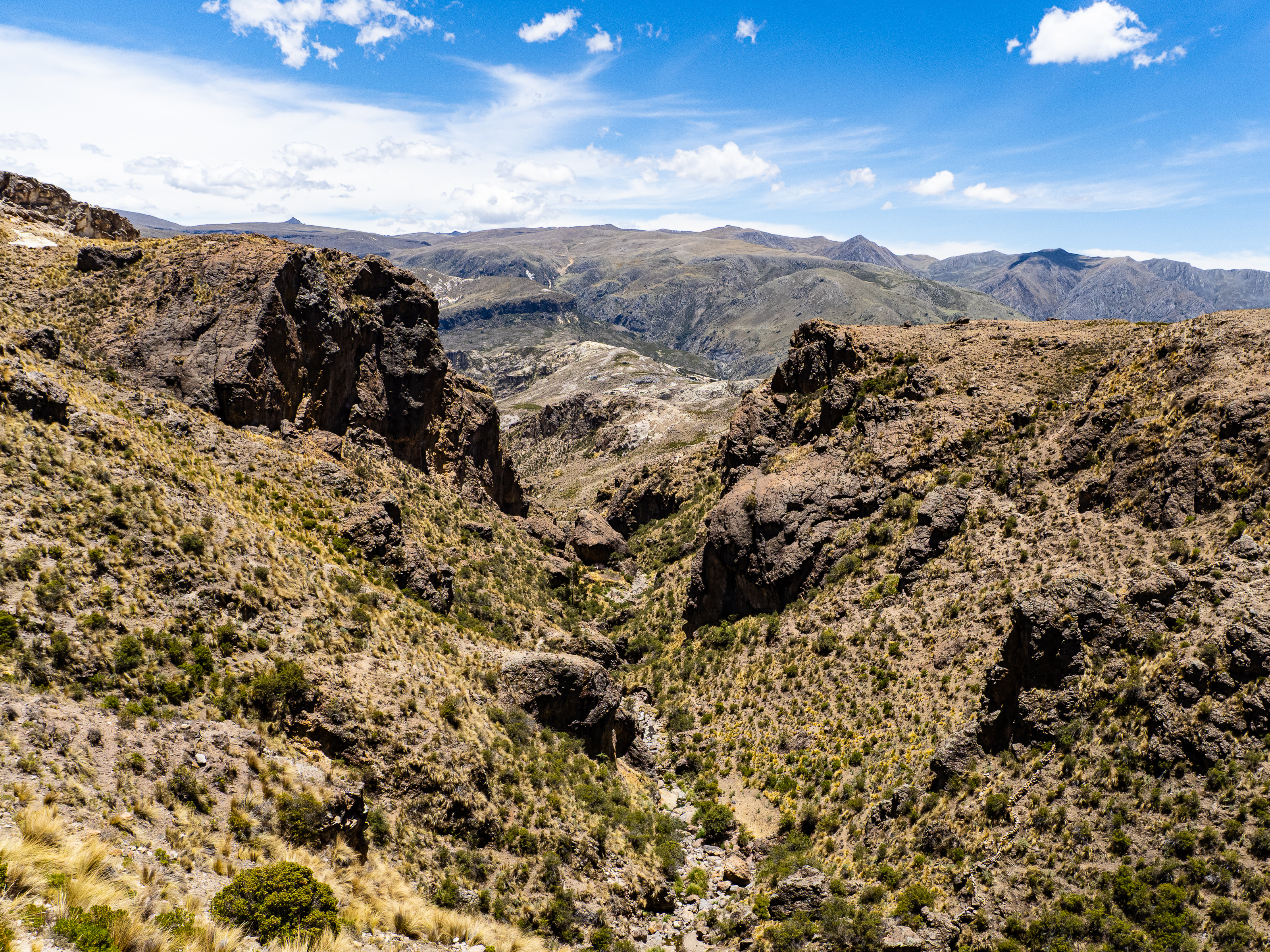
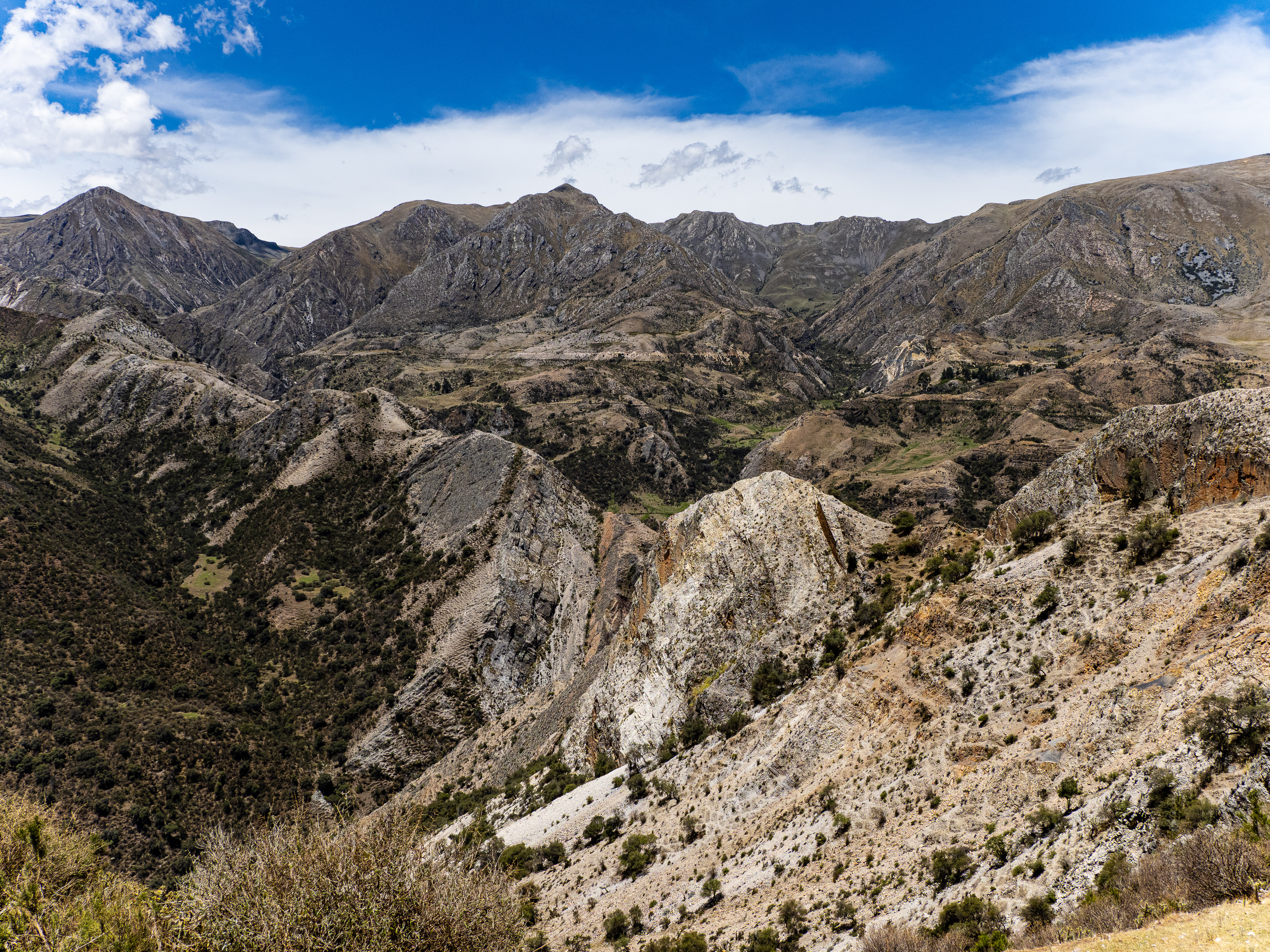
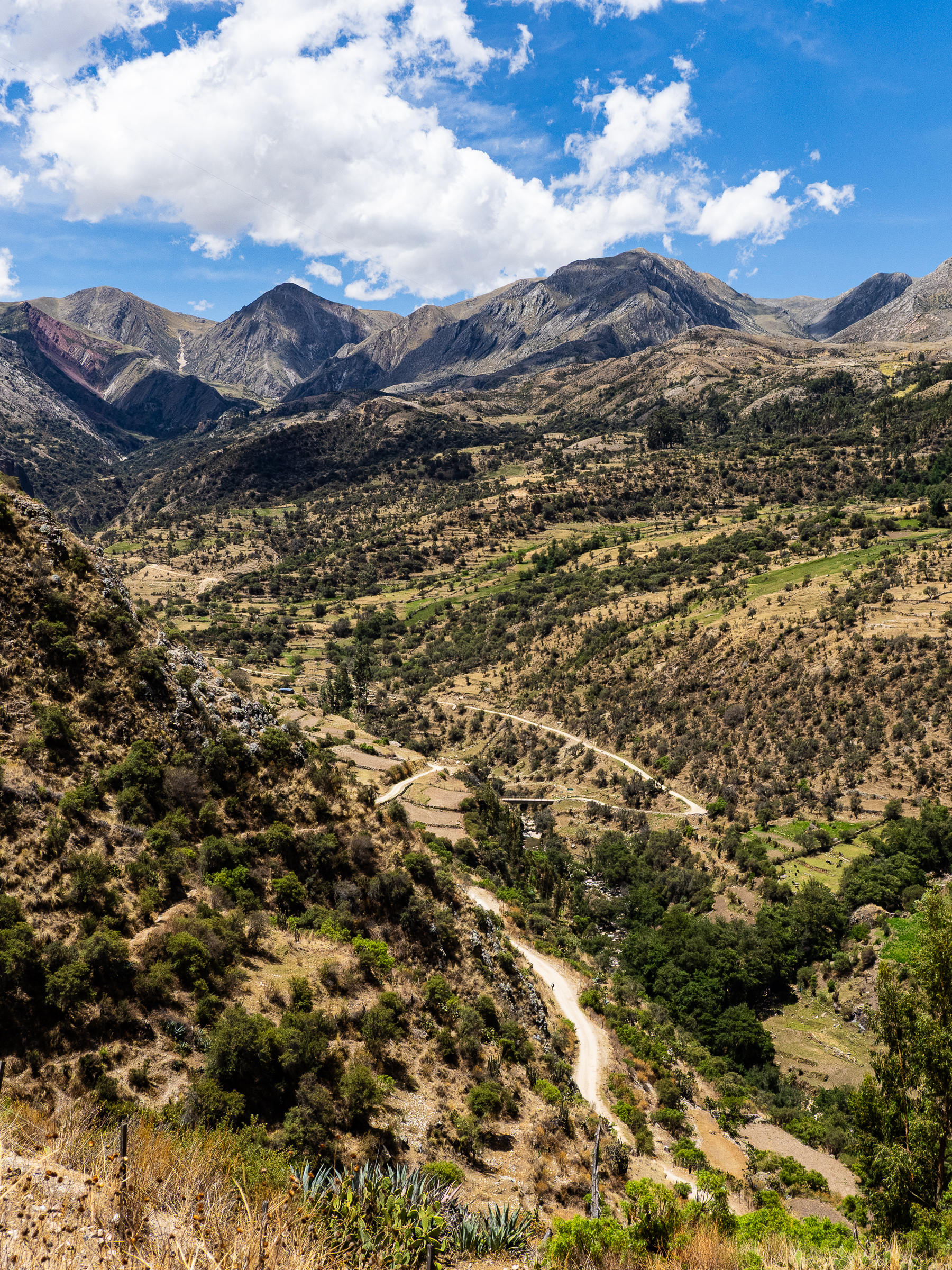
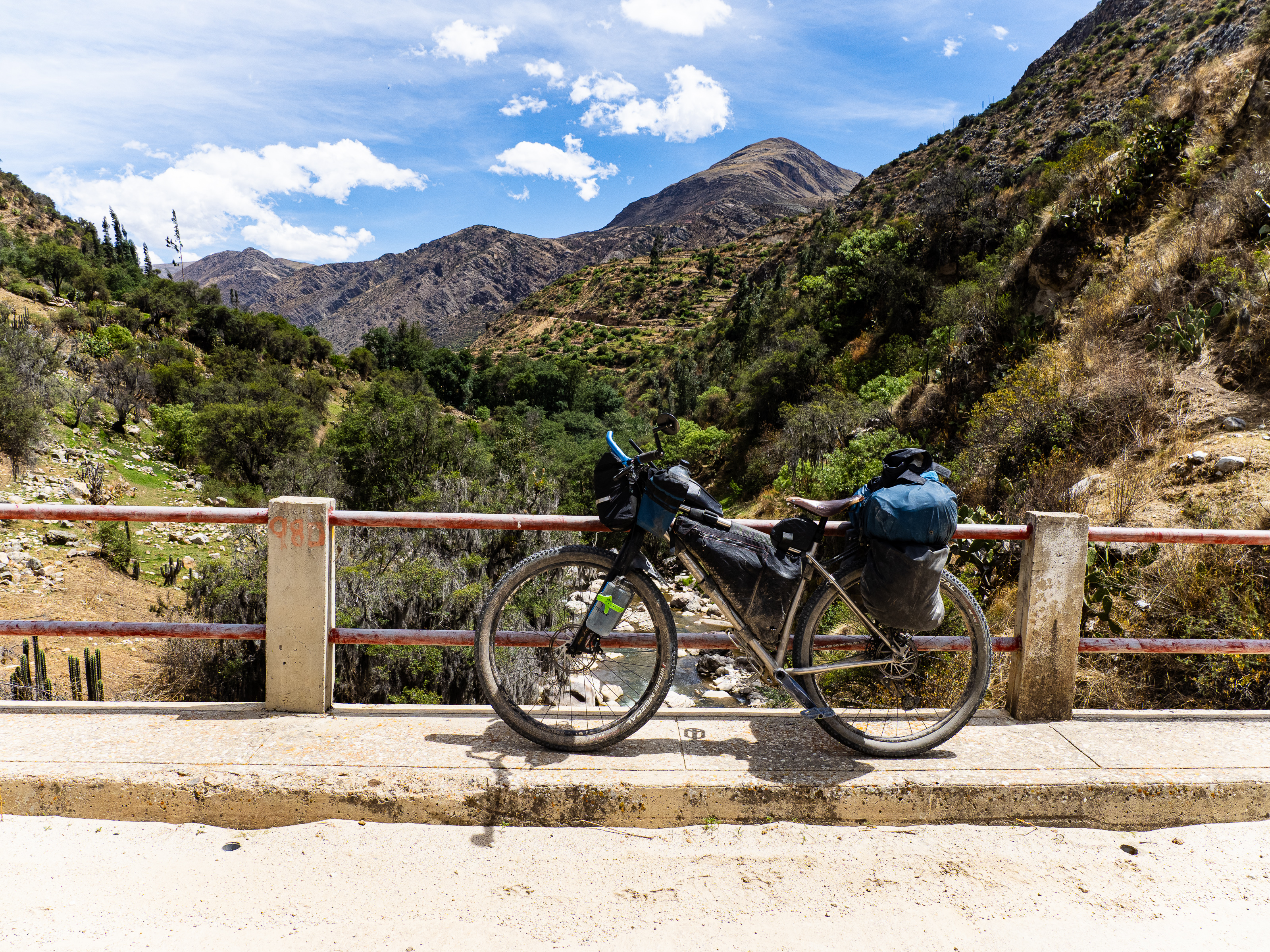
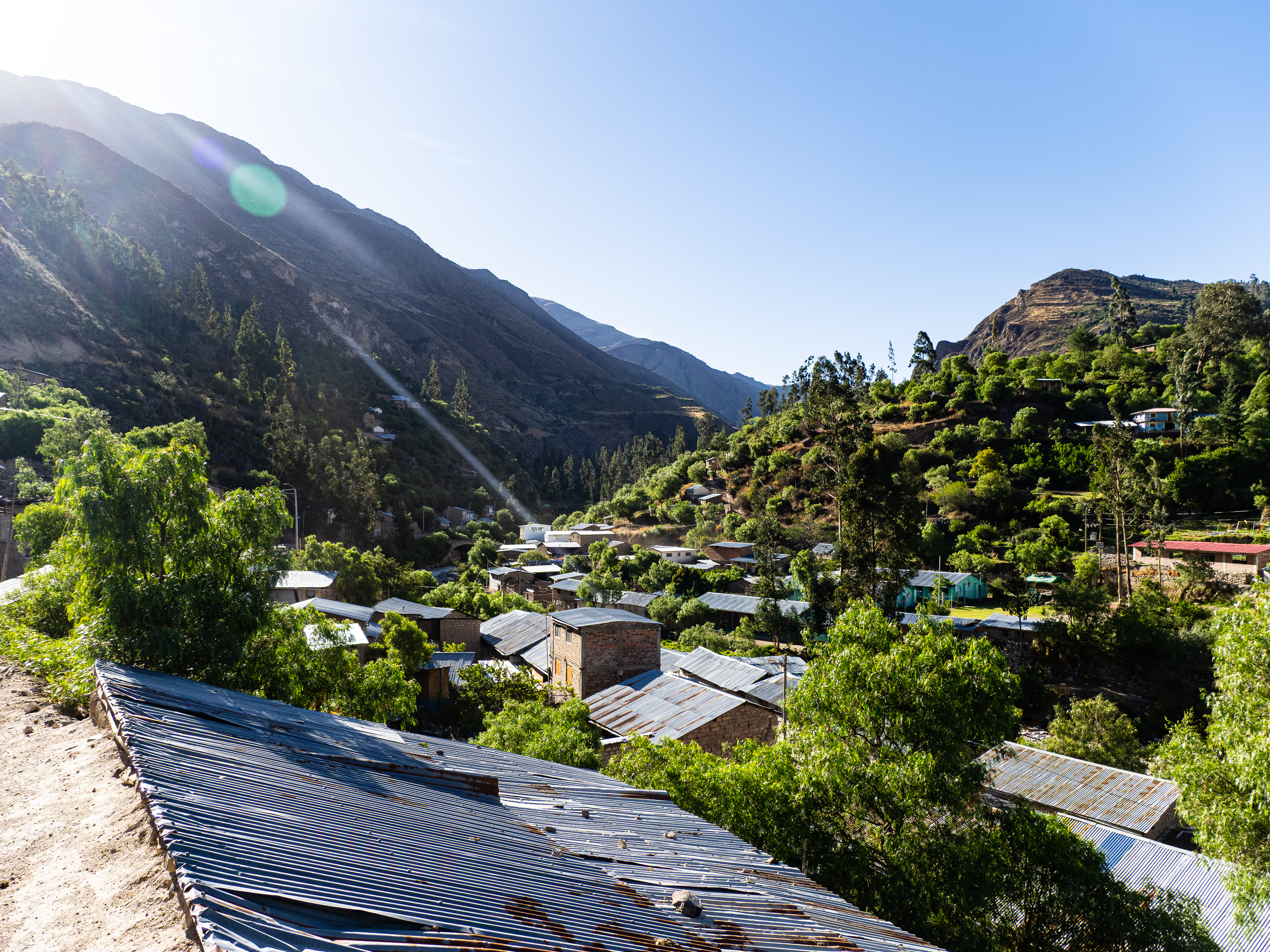
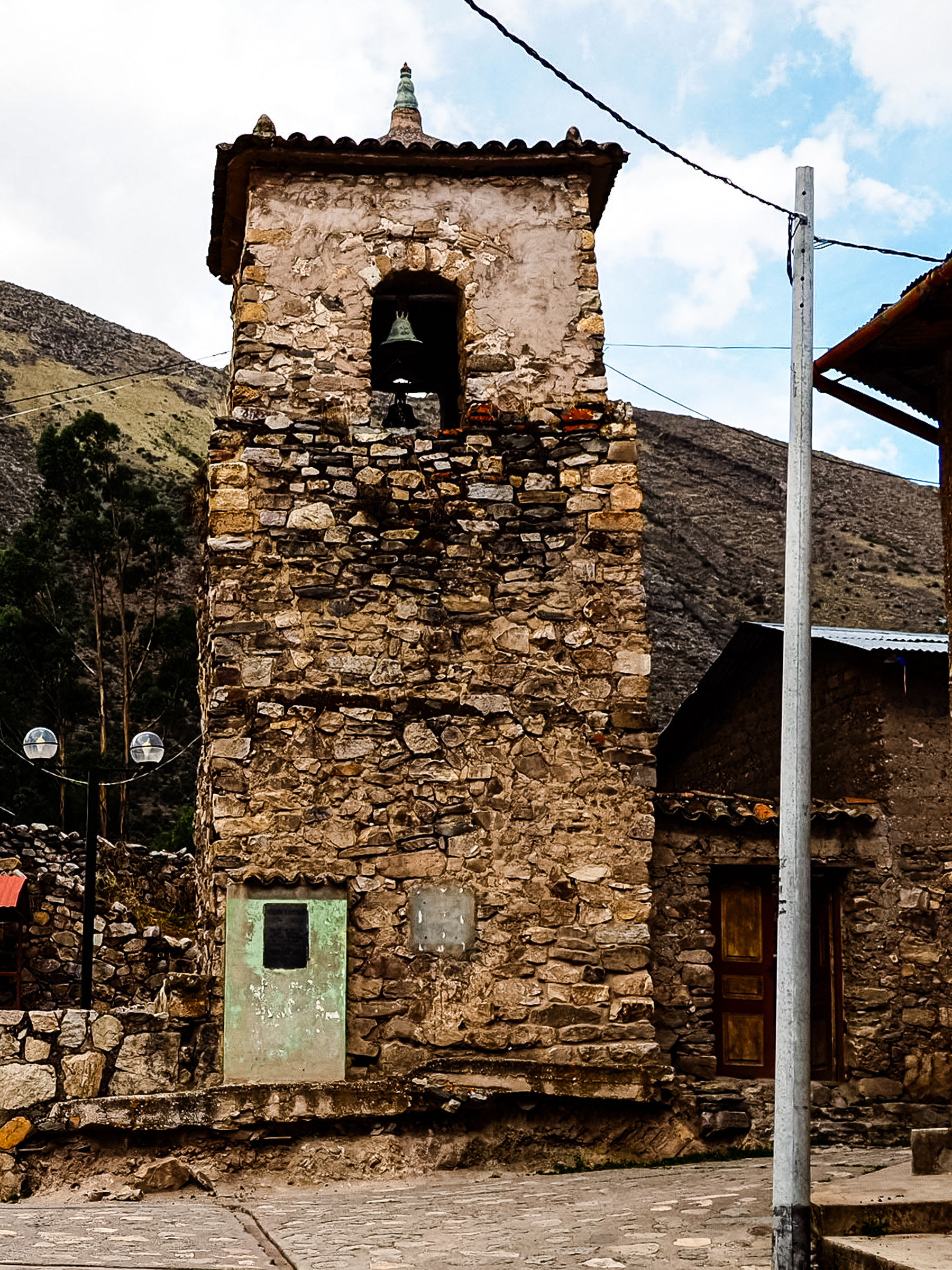
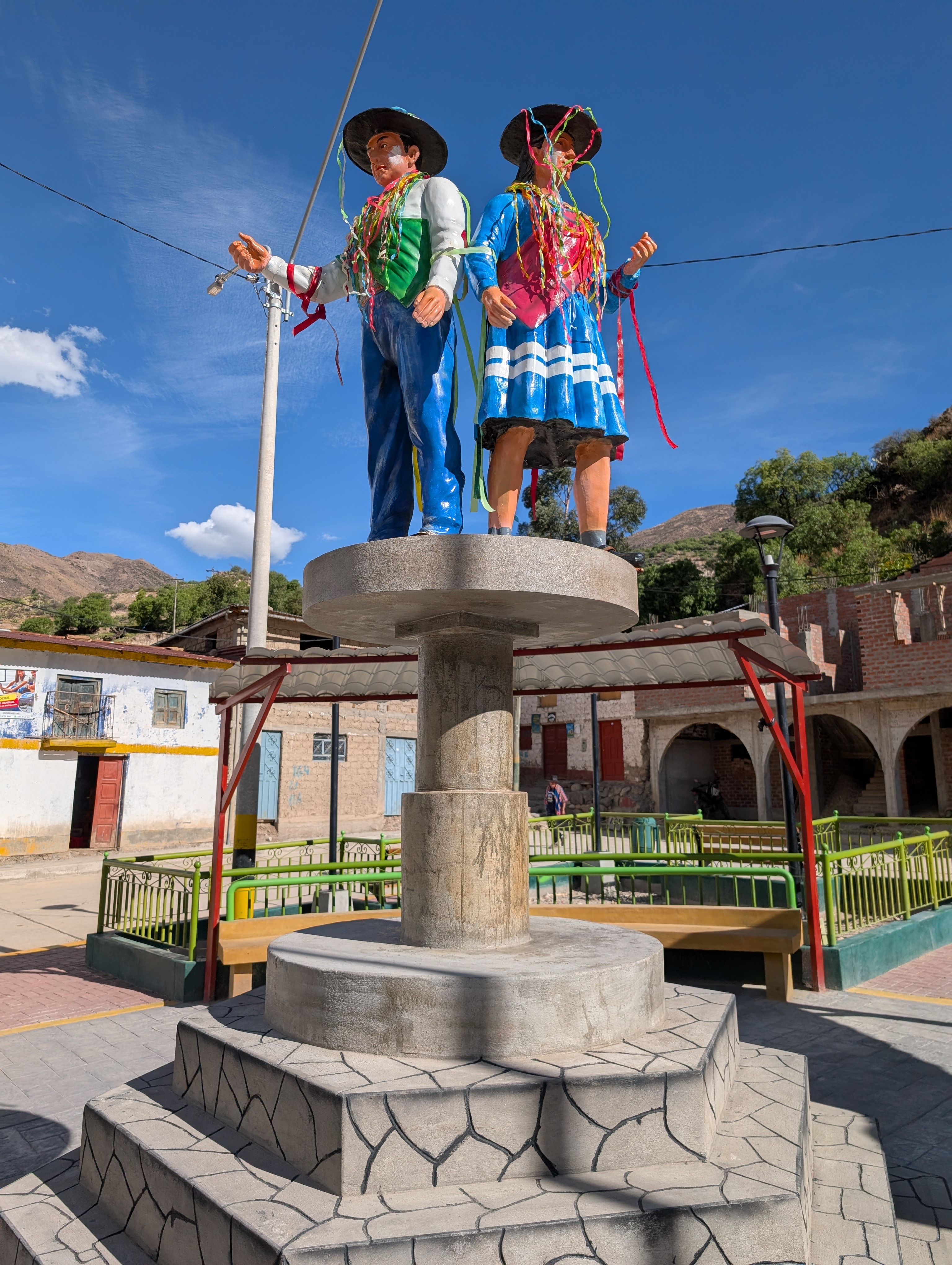
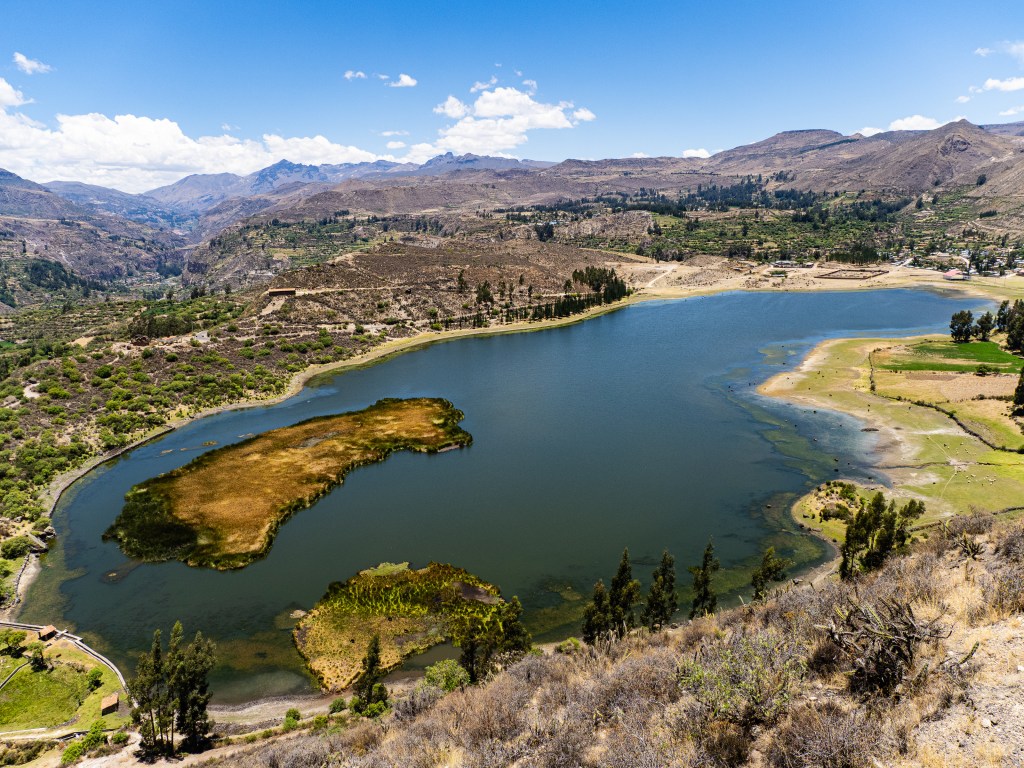
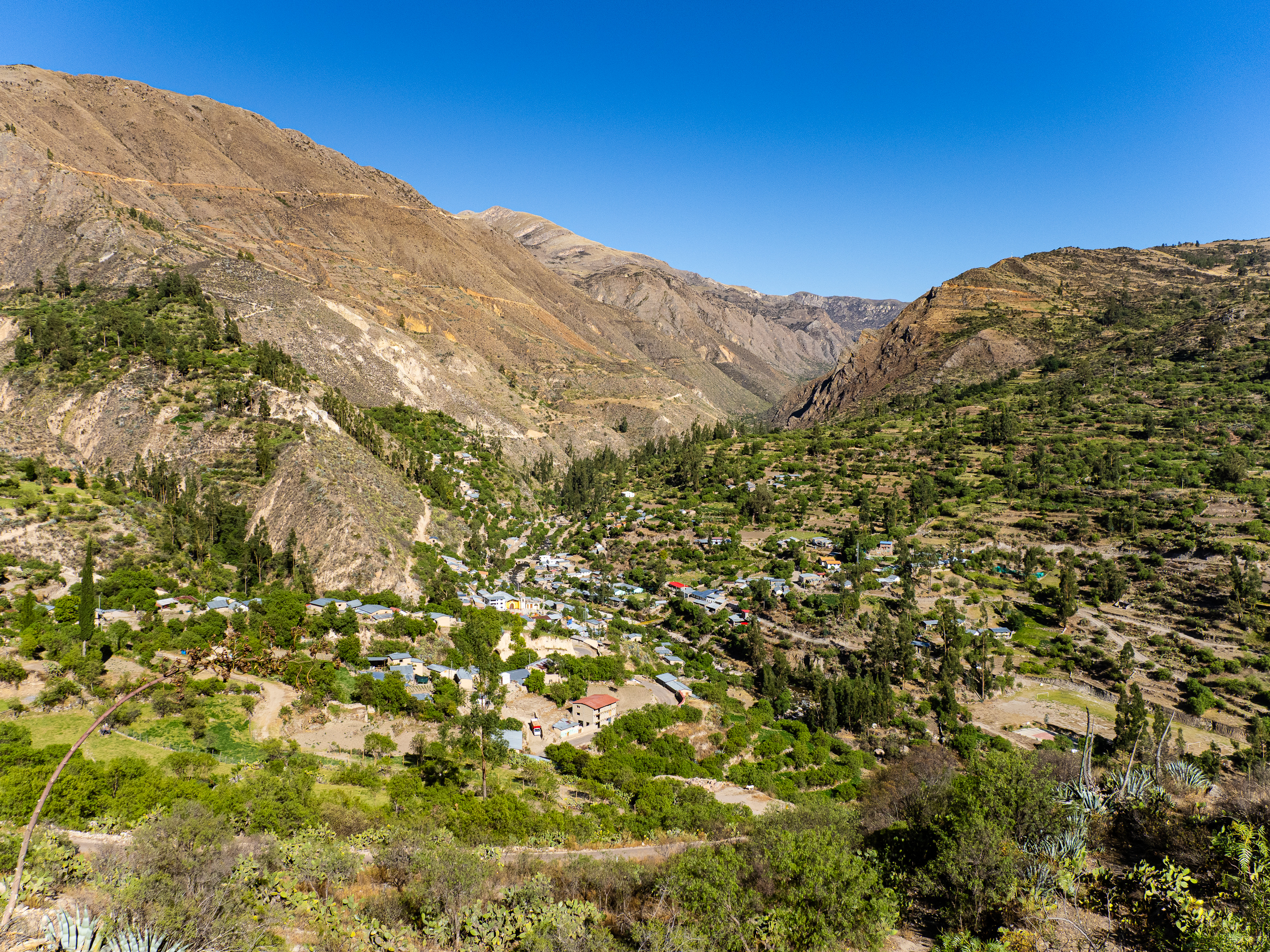
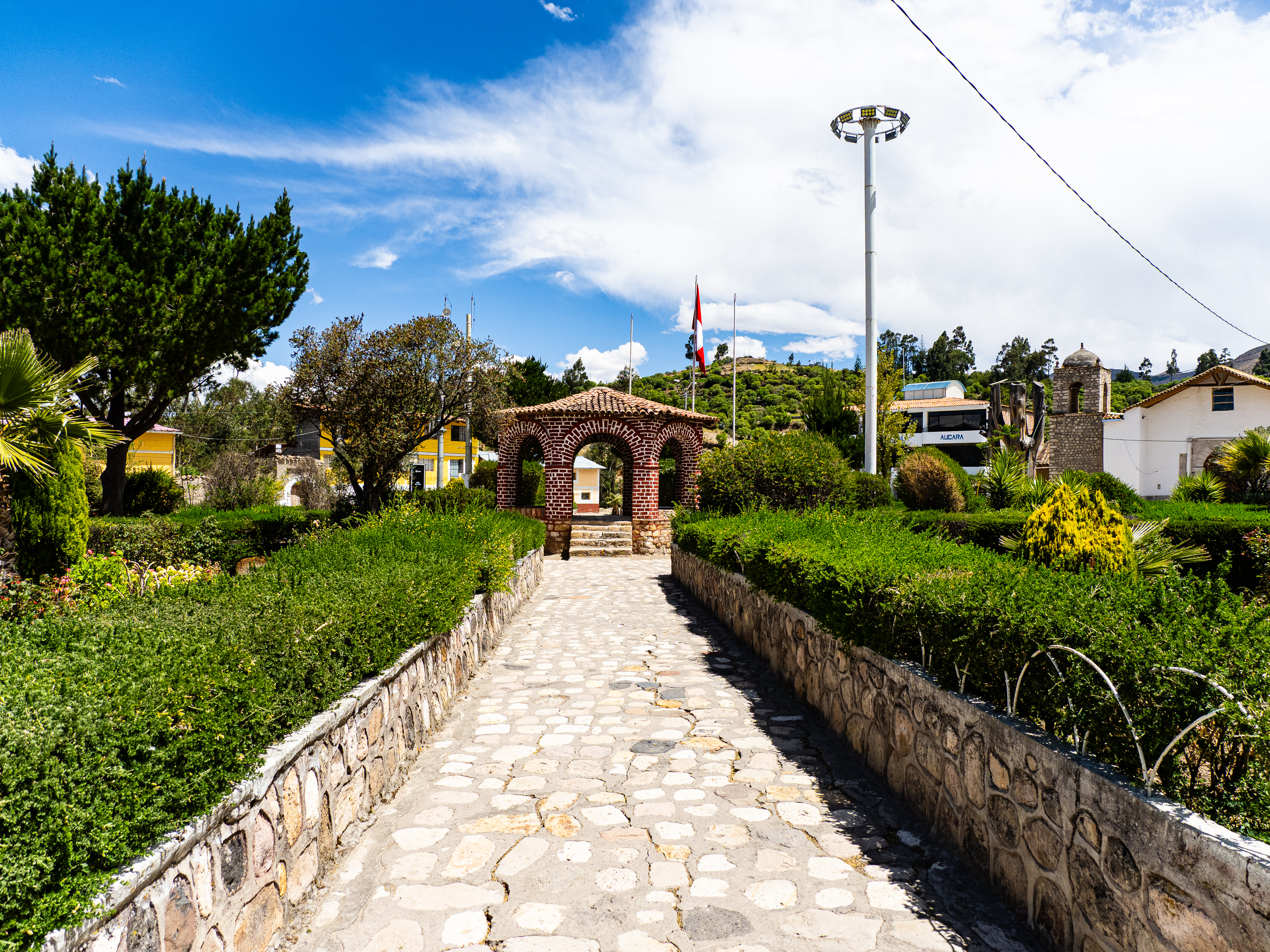
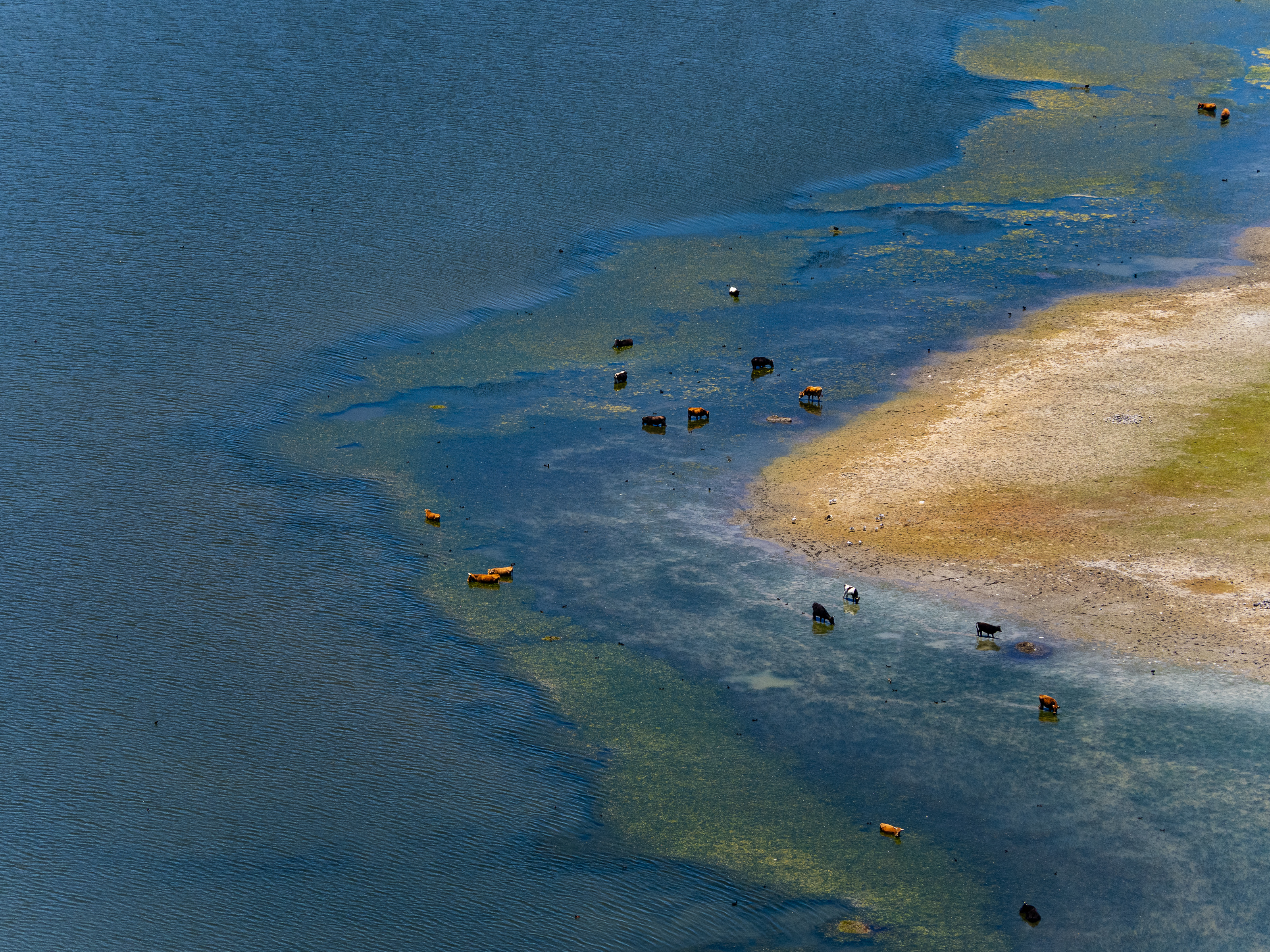
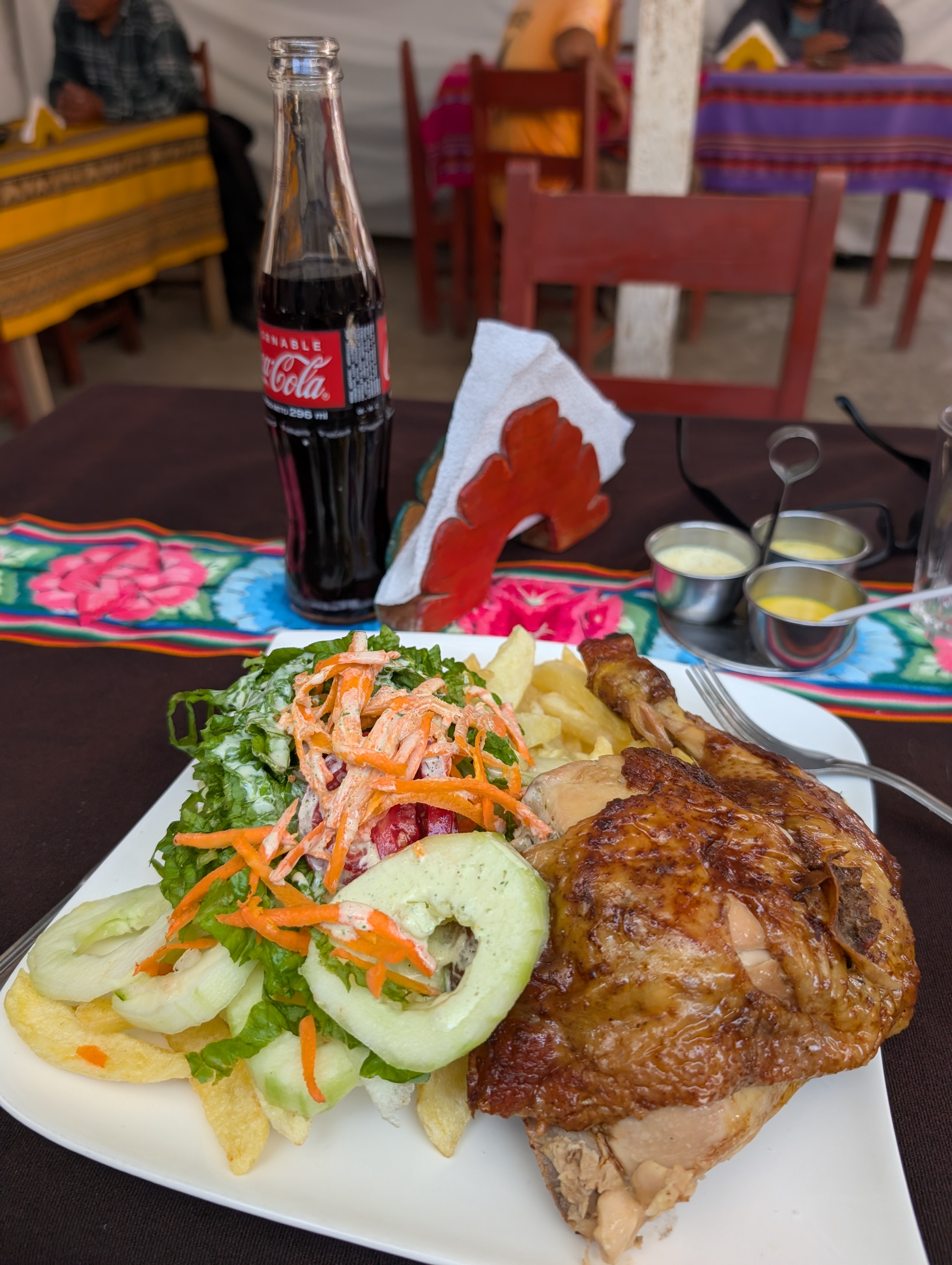
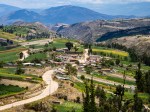
My final day to the Sondondo Valley involved the aforementioned climb, where I admired the views of the valley I’d ridden through the day before. From the summit, I dropped 700m to the village of Aucara, first stopping to take in the view of Laguna Ccochapampa. Aucara was a very quaint town and much better kept than most villages of its size in Peru. The streets were paved, the buildings all painted, and the plaza well-maintained. I had a filling lunch of pollo a la brasa (rotisserie chicken, which Peru makes the best in the world).
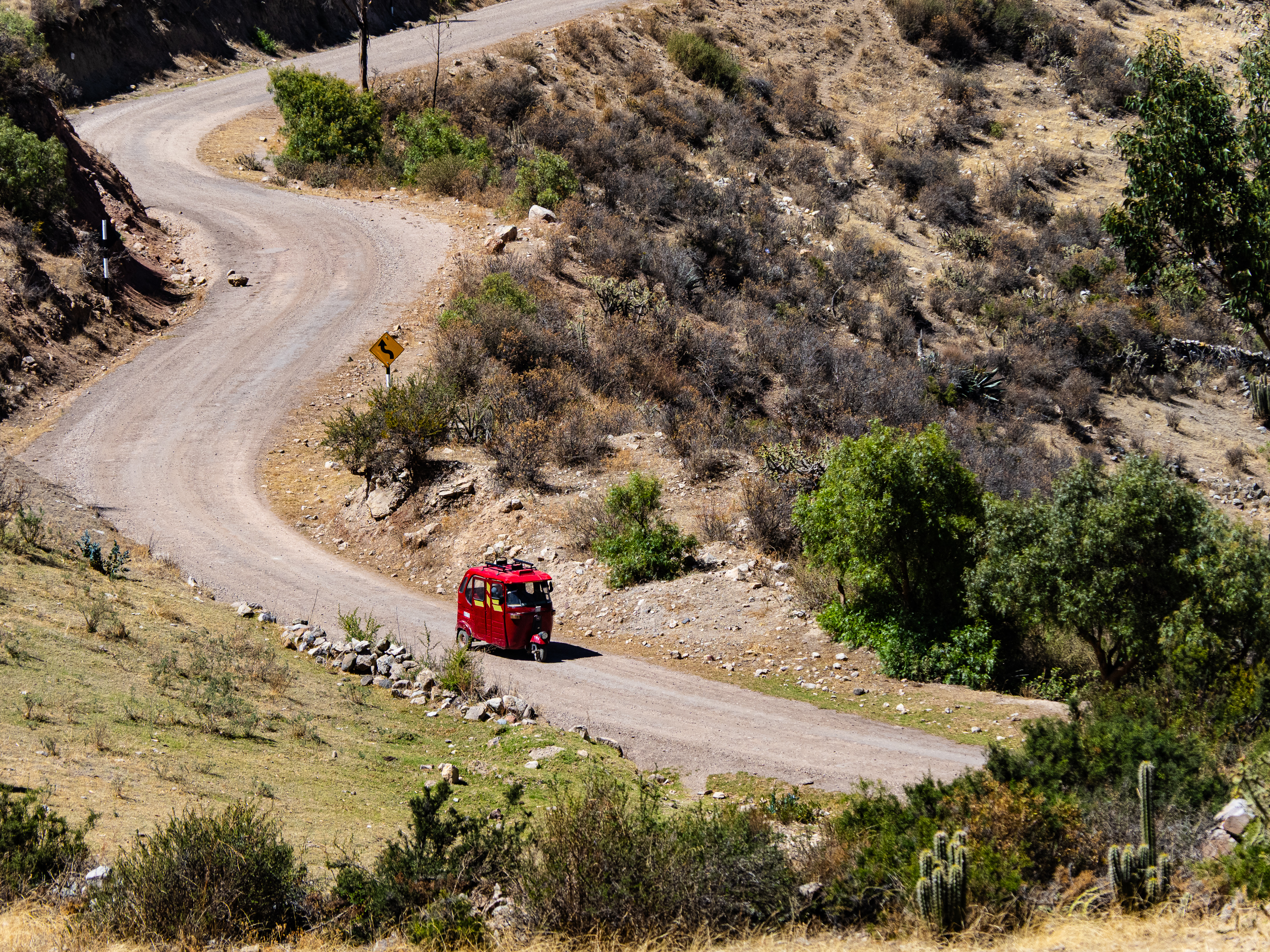
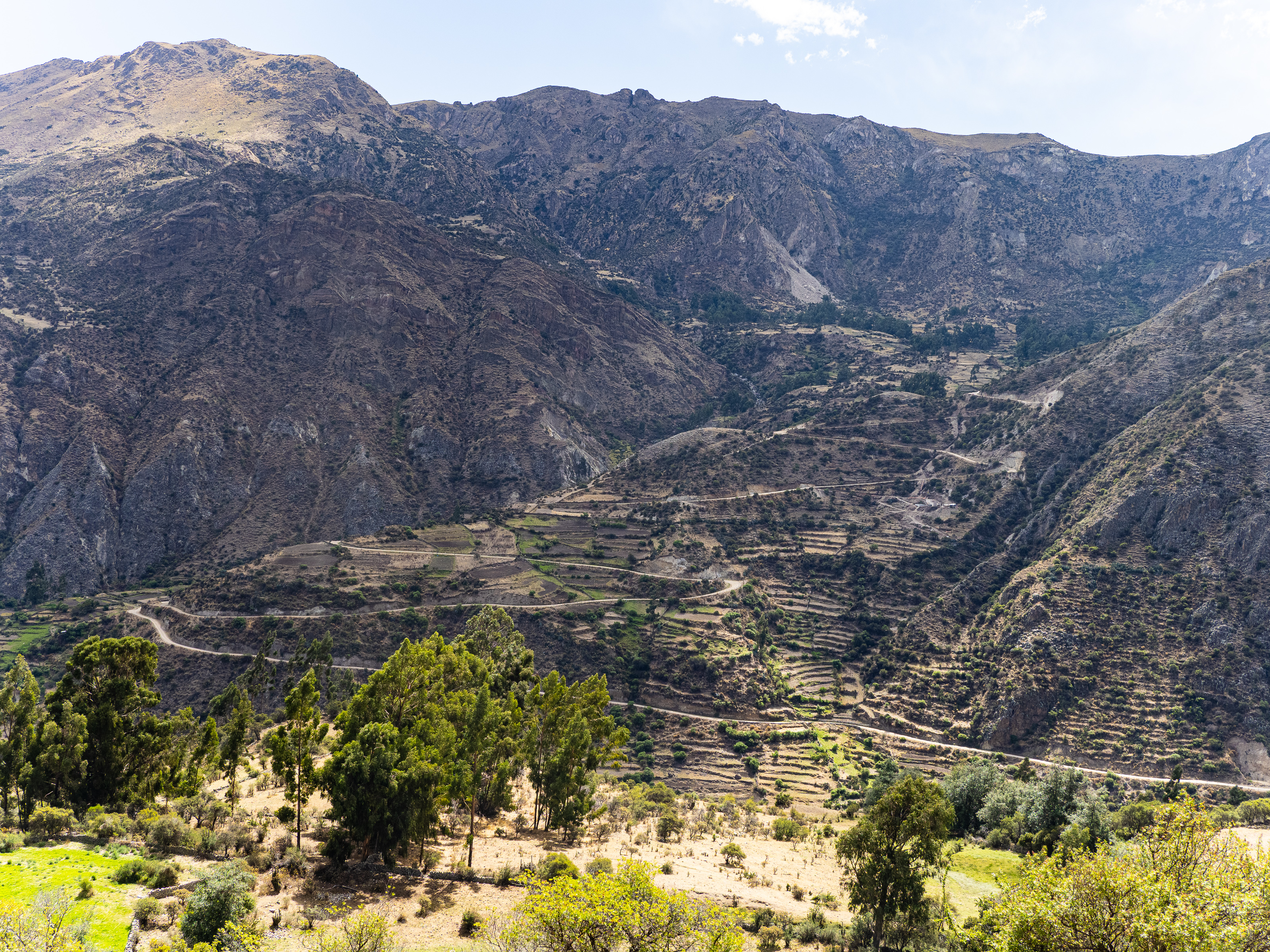
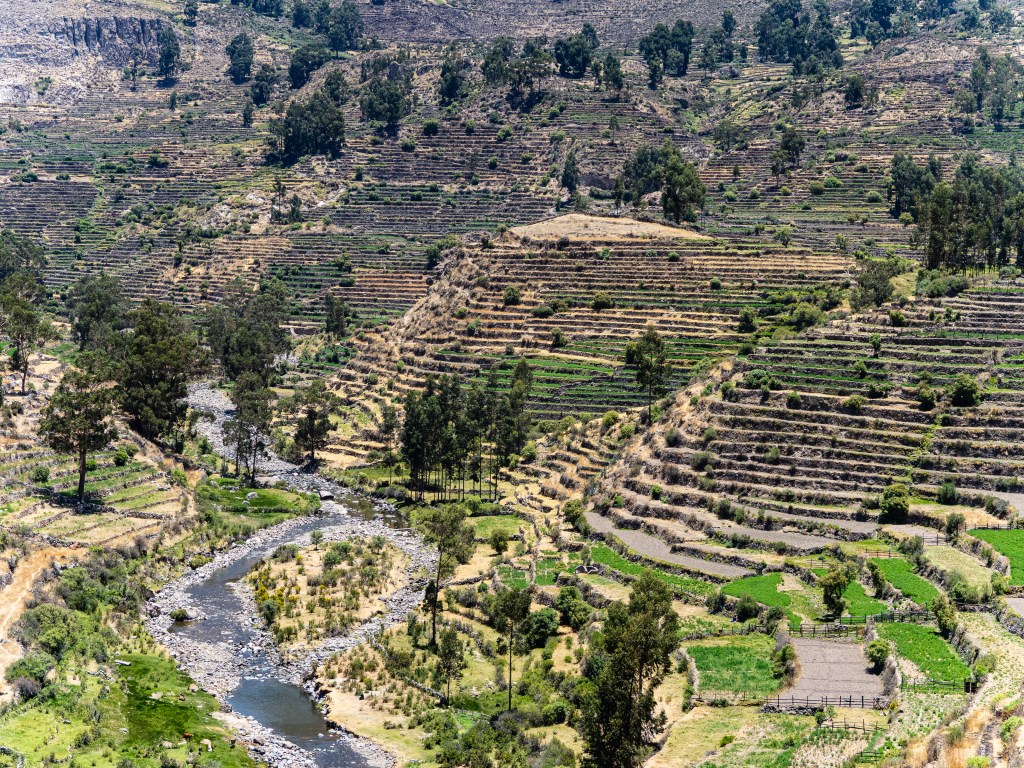
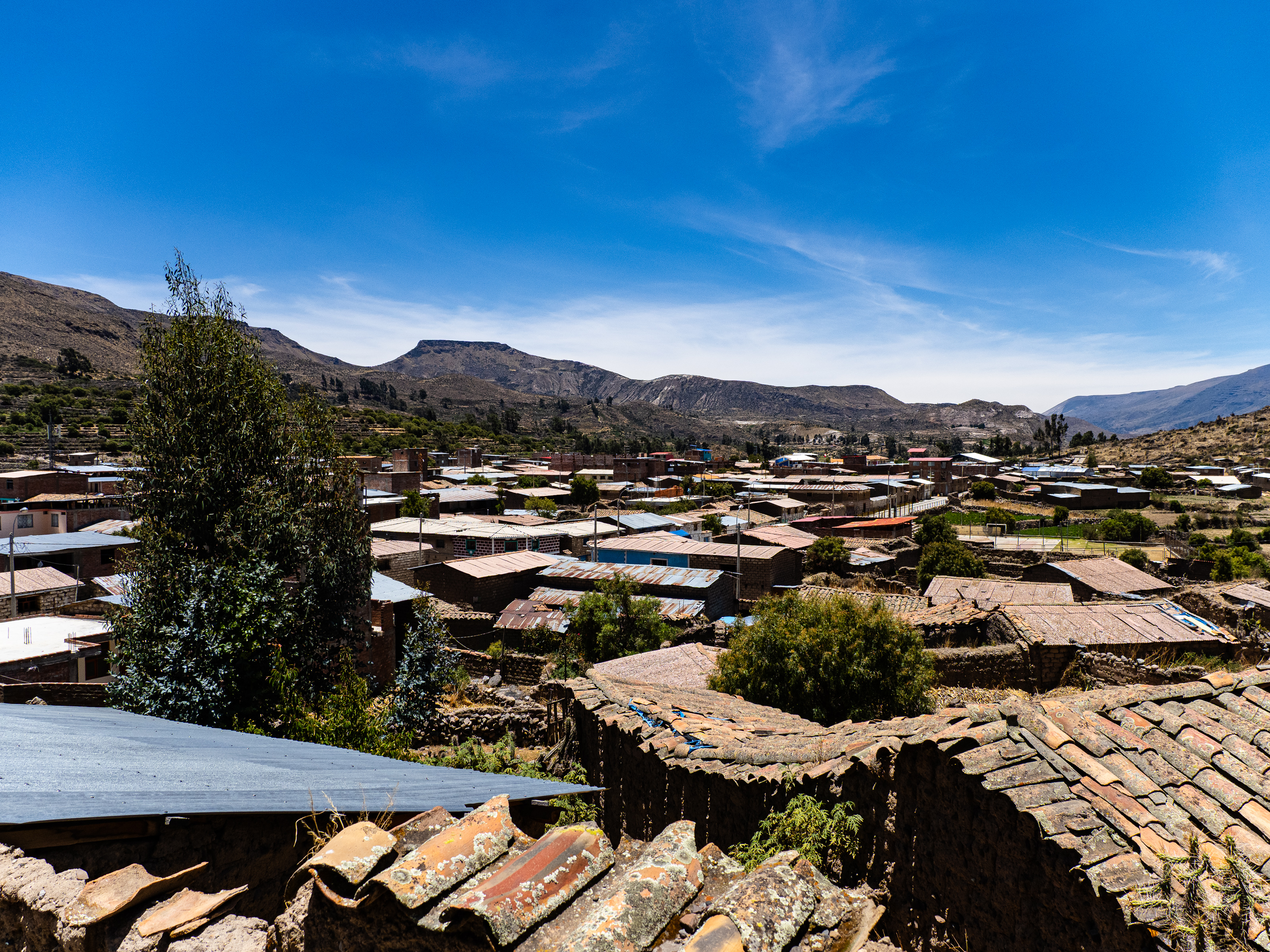
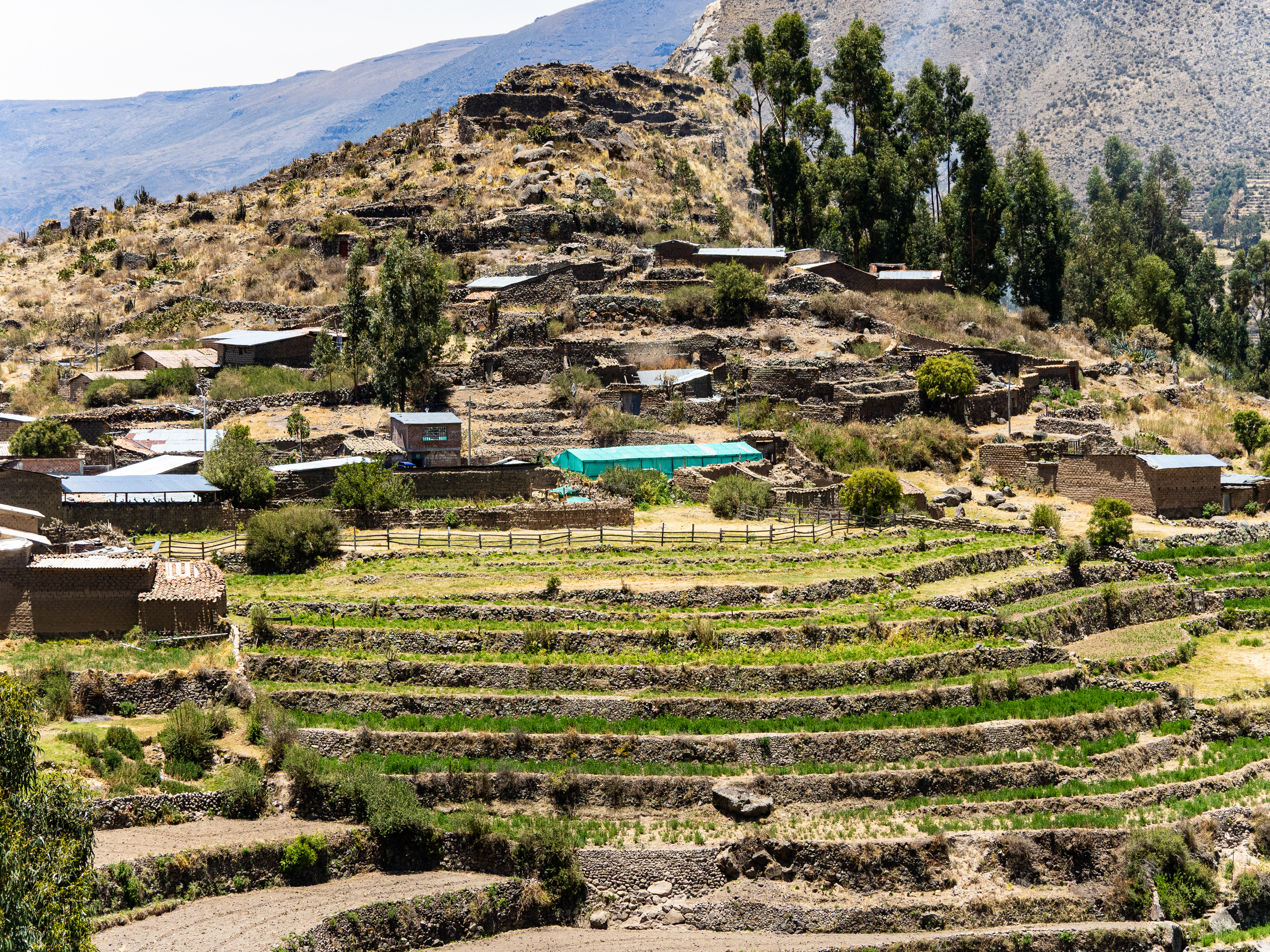
I took off after lunch for Andamarca and slowly plodded away up the 500m climb separating lunch from my rest day goal. Aucara was very pleasant, but Andamarca seemed a little bigger and had a few historic sites to check out. Sadly, it was more rundown and the food and accommodation were both nothing special. The best reviewed hotel in town was closed for renovations, so I resorted to the next best option, which was acceptable, but characterless. I spent my day off checking out the ancient Incan terraces and pre-Incan ruins next to the town, and stocked up on food for the next three days.
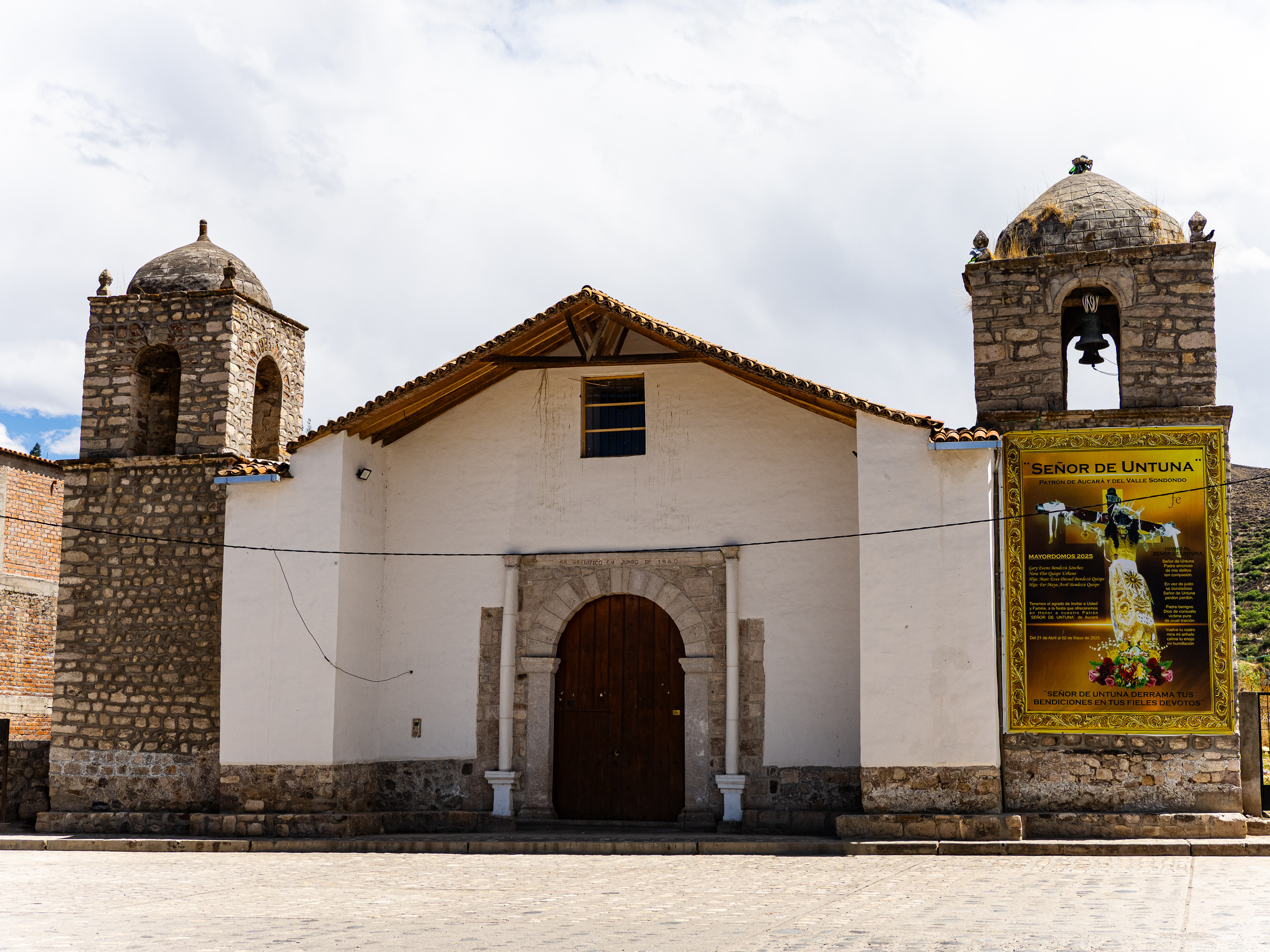
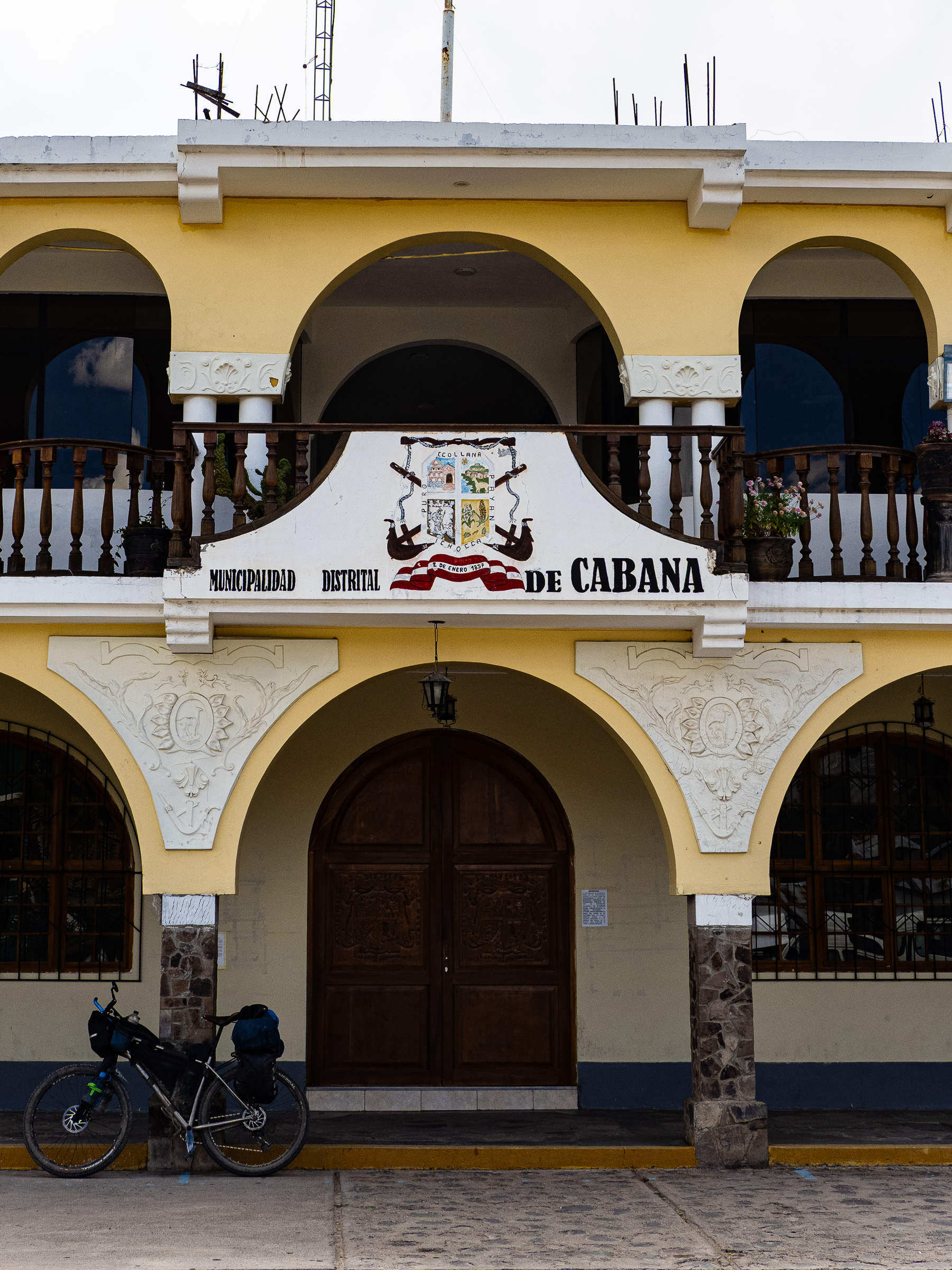
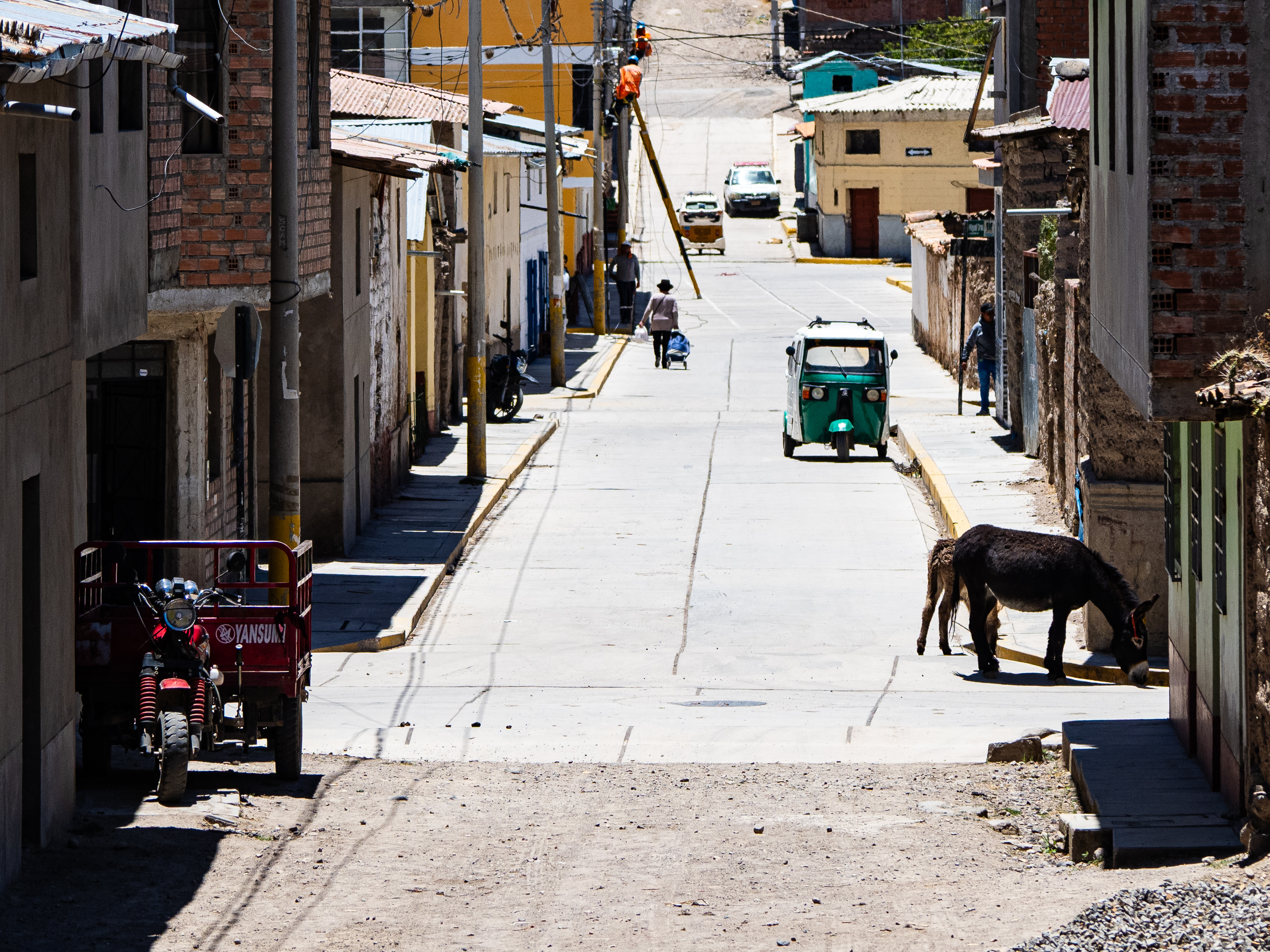
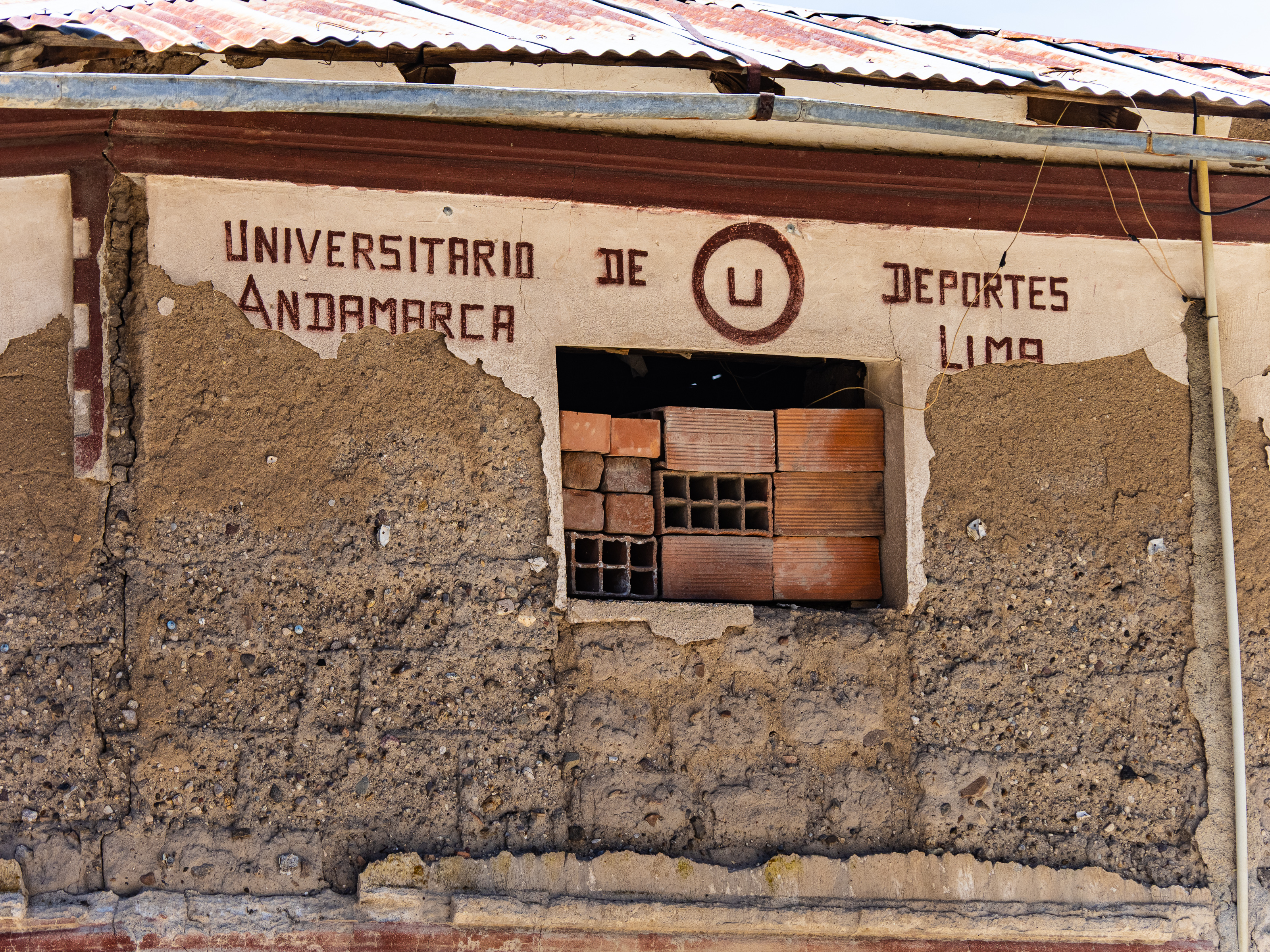
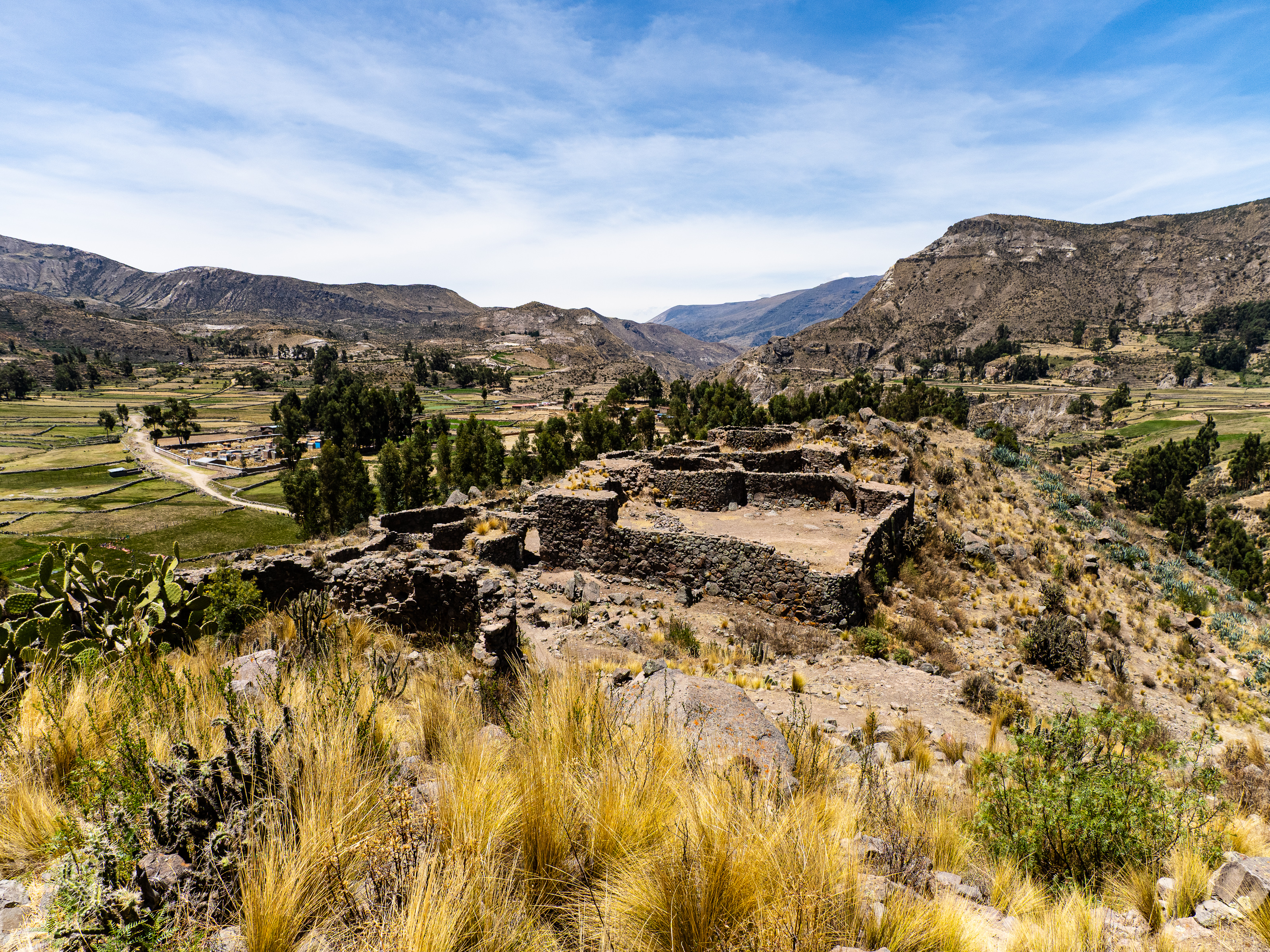
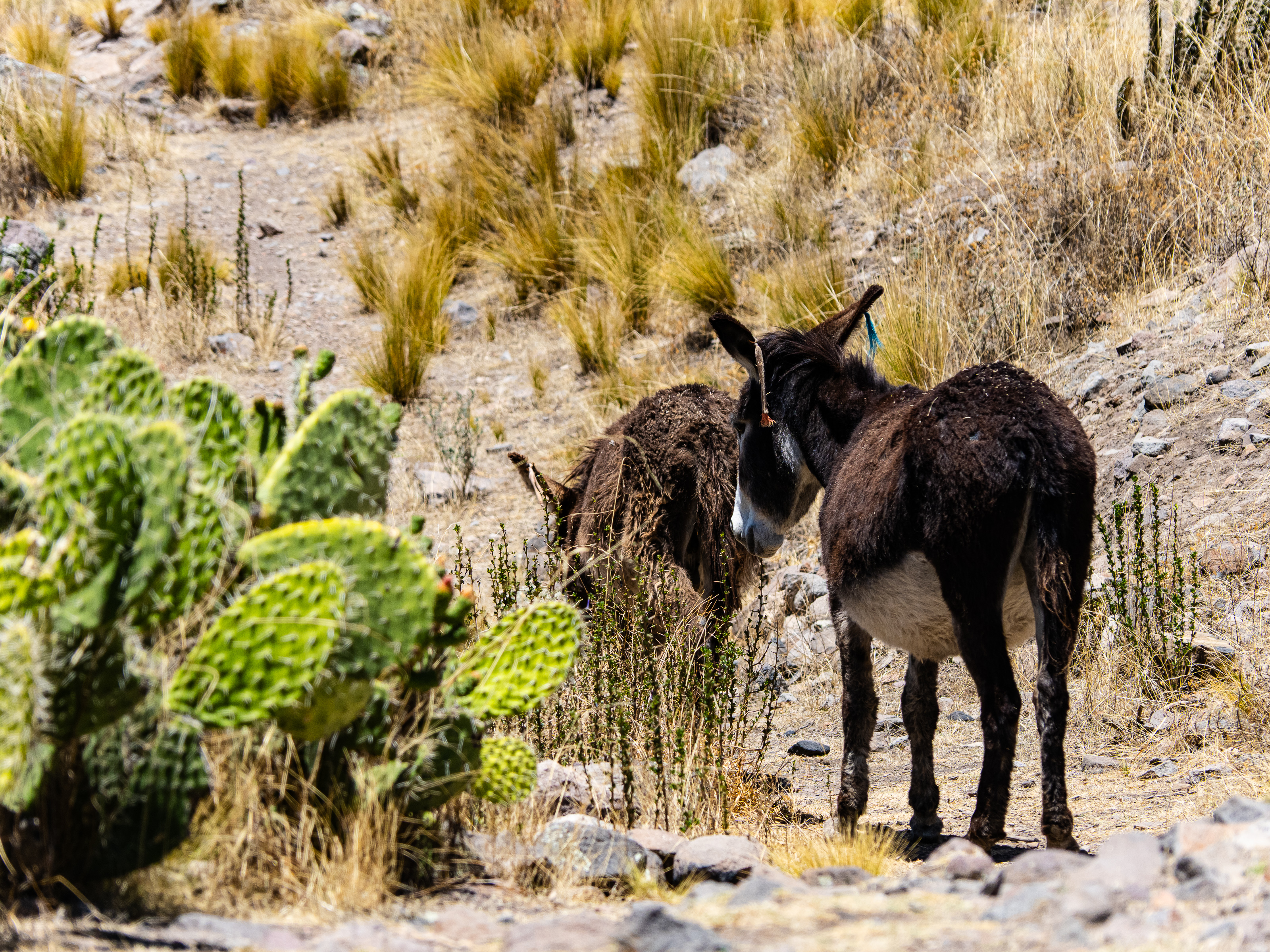
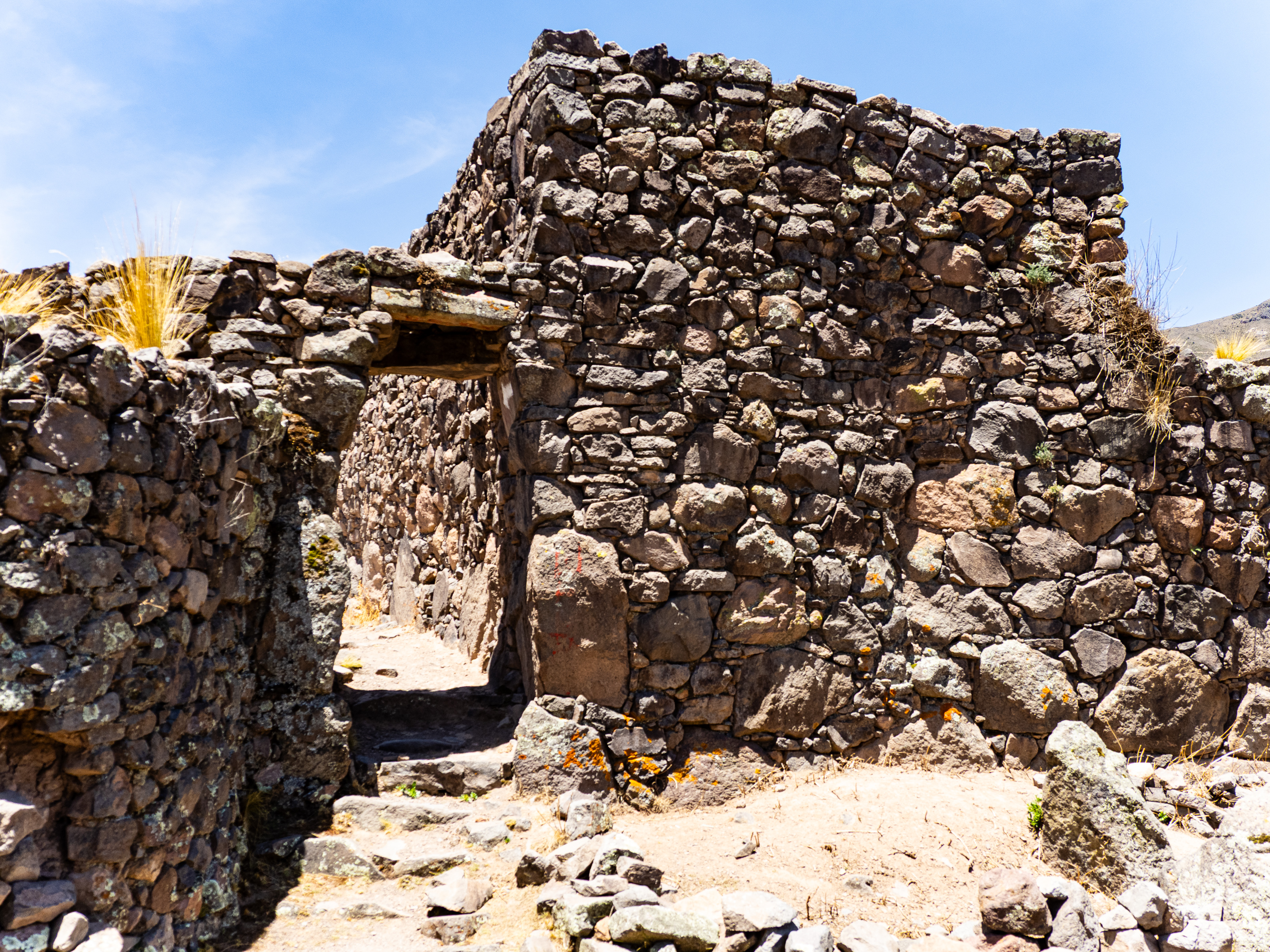
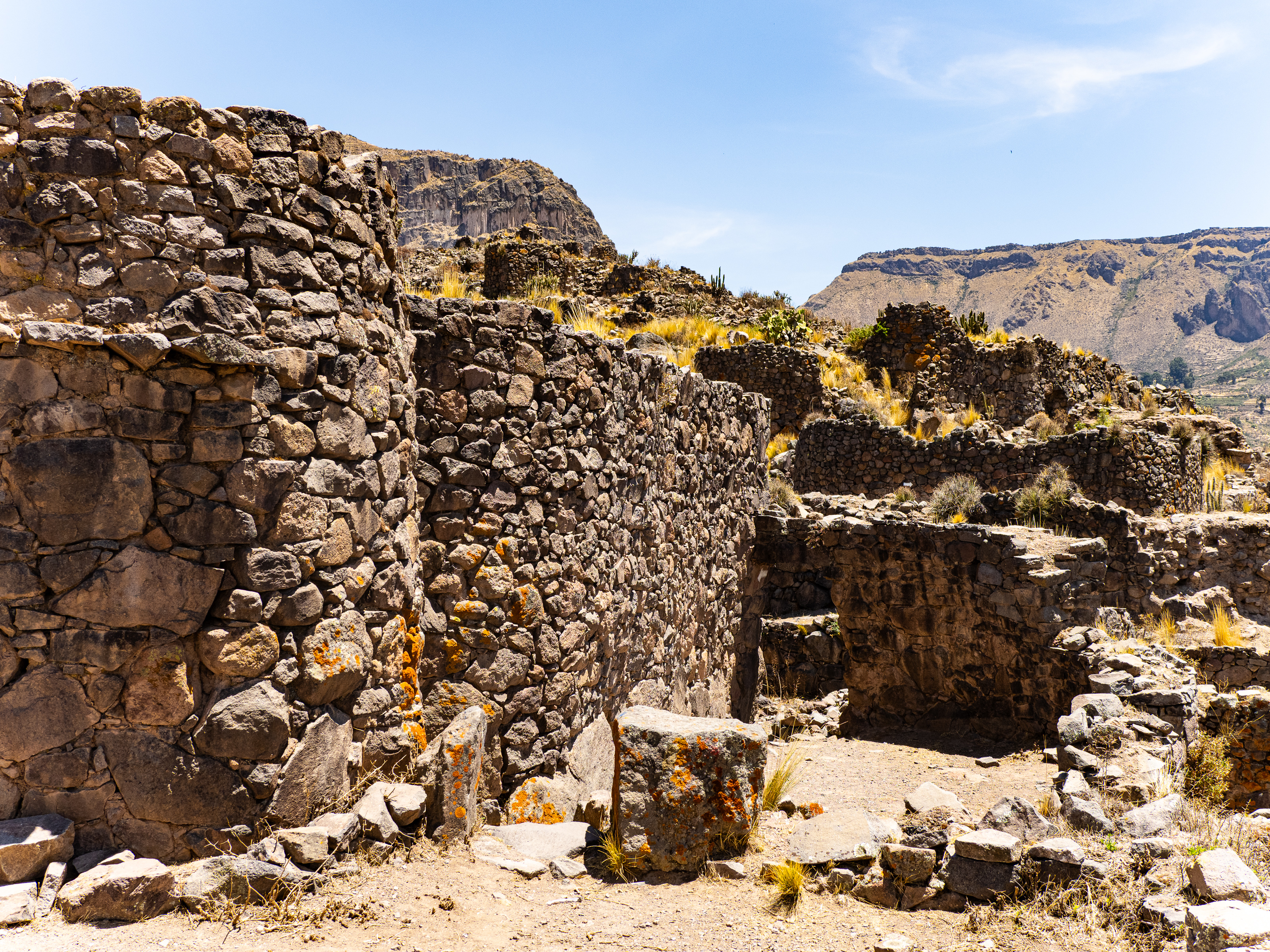
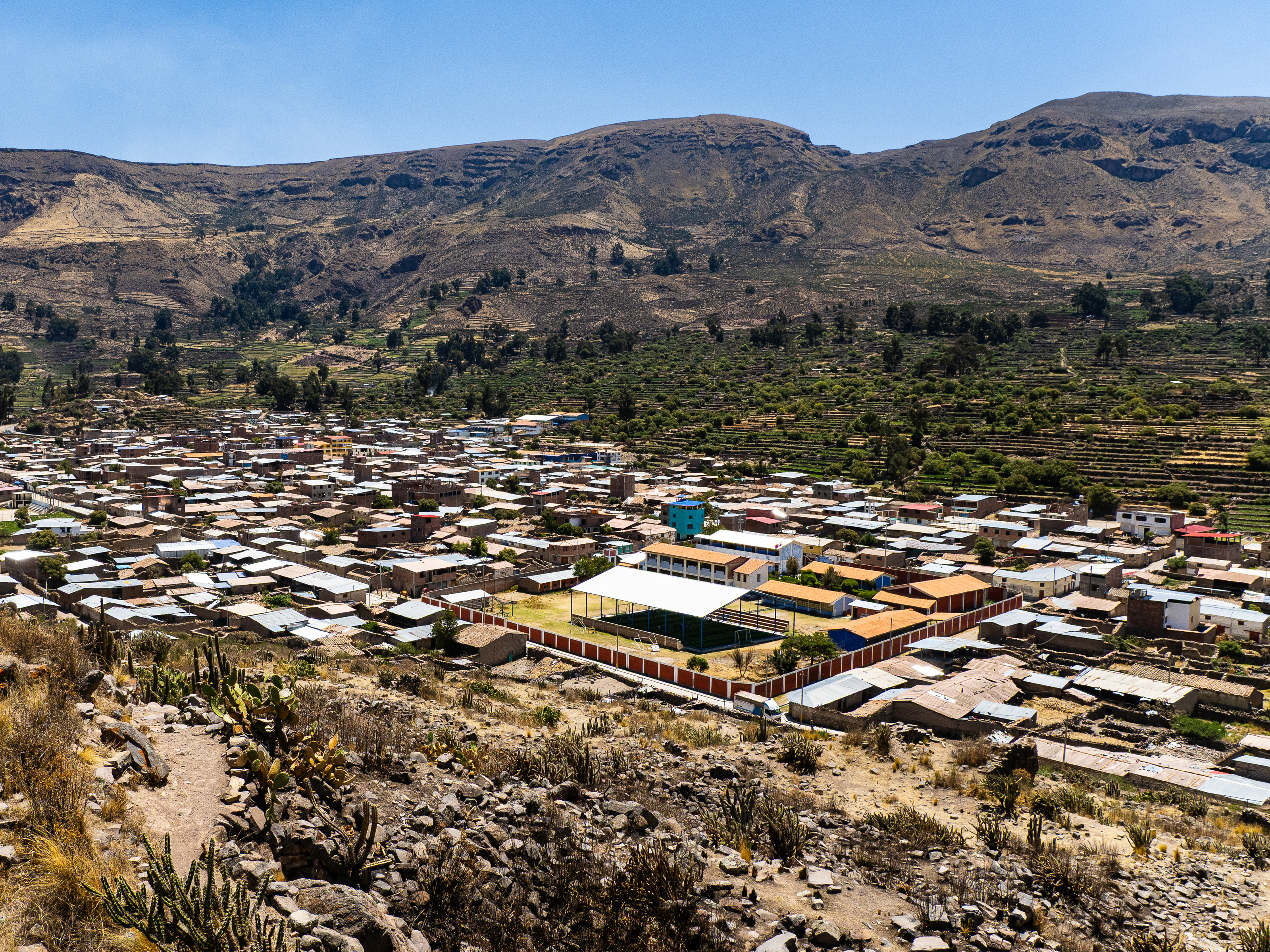
I also plotted out my route for the next stretch. My initial plan was to push all the way to Cotahuasi in eight days via some remote roads and villages that I could find no information about. I was excited by this, but also intimidated by the prospect of going 500 km through challenging terrain without any potential breaks and very limited resupply. Instead, I opted for an alternate route through the stone forest in Pampachiri and Challuanca, a larger town that seemed like a good spot to break up the ride to Cotahuasi.
Those other roads will have to wait for another adventure.
 Alex Cooper Explores
1 comment ›